
Overview
3BIO helps biotech companies, pharma, agritech, and research institutions navigate complex legal frameworks across three integrated regulatory pillars: biodiversity (Access and Benefit Sharing laws), biosafety (biorisk management, permits, compliance), and biotech regulatory (regulatory analysis, market authorization, post-market compliance). The consultancy operates in Ghent, Belgium with 18 multidisciplinary professionals and 20+ years of combined expertise.
Key people

In the news
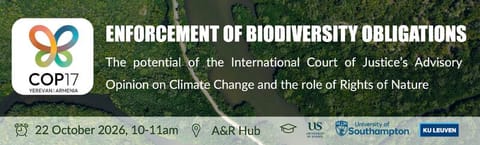
- Interested in learning more about the enforcement of biodiversity obligations? If you're in Armenia for #COP17, stop by to see our legal researcher, Cato De Roeck, present in this session!
- Can international courts and Rights of Nature contribute to the enforcement of biodiversity obligations? 🌱 Come join our joint session tomorrow at #COP17 in Yerevan, co-hosted with Dr Joanna Miller Smallwood and Jérémie Gilbert! The session explores the evolving intersections between Rights of Nature concepts and broader international and national legal frameworks, alongside the International Court of Justices 2025 Advisory Opinion on Climate Change and what it could mean for the Convention on Biological Diversity. 🗓️ Thursday
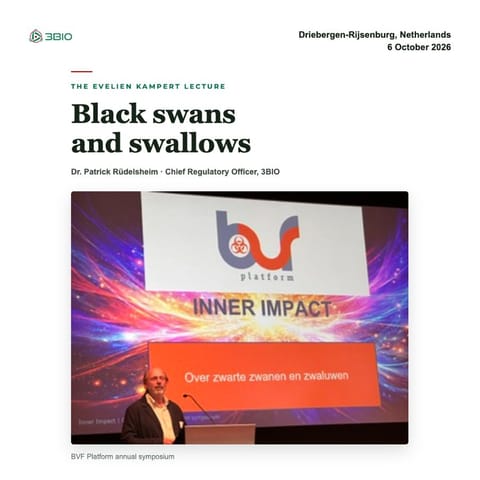
- Some talks you keep thinking about on the train home. This year's Evelien Kampert lecture at the BVF platform Symposium was one of them. Our co-founder, Patrick Rüdelsheim, who has spent a career on how biosafety handles the rare event and the ordinary one, was honored to be chosen to give this lecture. The title of his talk: "Inner Impact – Over zwarte zwanen en zwaluwen", black swans and swallows. Black swans, the events nobody sees coming, are a structural part of biosafety practice; swallows are the signs worth heeding even
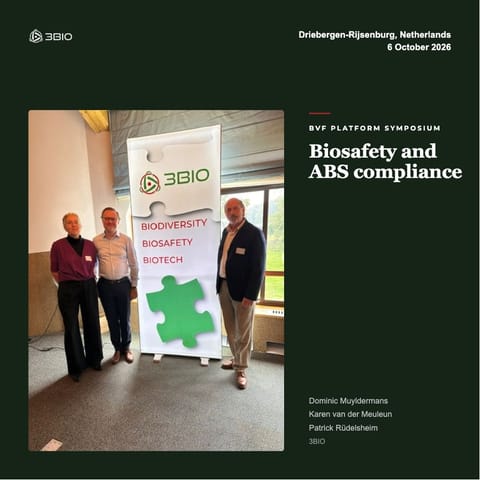
- Fragmented data, complex regulations, time-consuming administration. Most biosafety officers will recognise the list. On 6 October, 3BIO took those three problems to the BVF Platform annual symposium in Driebergen-Rijsenburg (Utrecht). The BVF Platform is the Dutch association of biological safety officers. Biosafety and ABS rarely sit in one place as they do in 3BIO, so we brought them together at the symposium. We included The 3BIO Academy for training that stays current, OrBios for material, equipment, facilities and staffing
- 3BIO is pleased to have contributed to a new EFSA External Scientific Report on the environmental risk assessment and post-market environmental monitoring of gene drive modified insects. Gene drives differ substantially from the GMOs assessed so far. The report addresses information gaps that EFSA’s GMO Panel identified as a basis for possible future guidance. It covers molecular mechanisms, EU use cases, comparators, ecological modelling and post-market environmental monitoring. It was a rewarding experience to work with
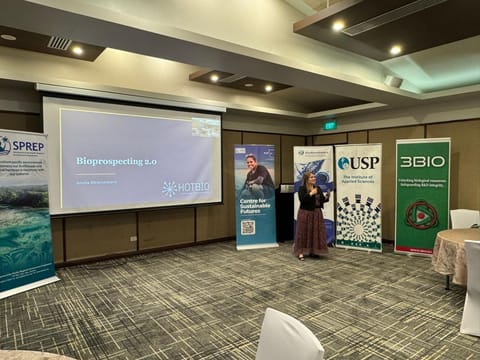
- Over the course of its capacity-building workshop series, 3BIO has brought together policymakers, researchers, legal experts and other stakeholders to strengthen understanding of Access and Benefit-Sharing (ABS) and the governance of Marine Genetic Resources (MGRs). The workshops created valuable opportunities for science-policy dialogue, knowledge exchange and collaboration across regions, helping participants navigate the evolving international landscape surrounding biodiversity and genetic resources. By fostering a shared
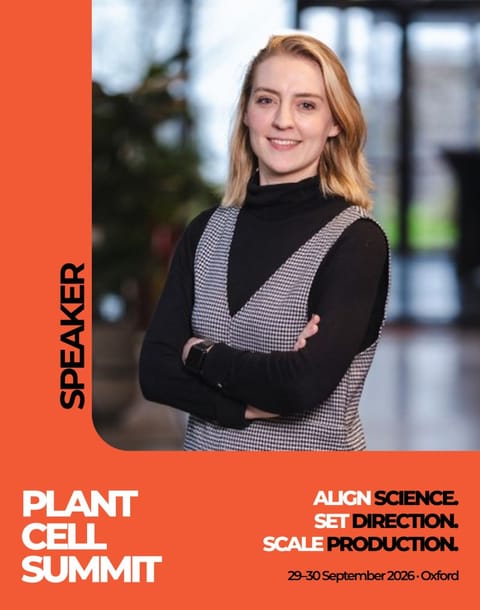
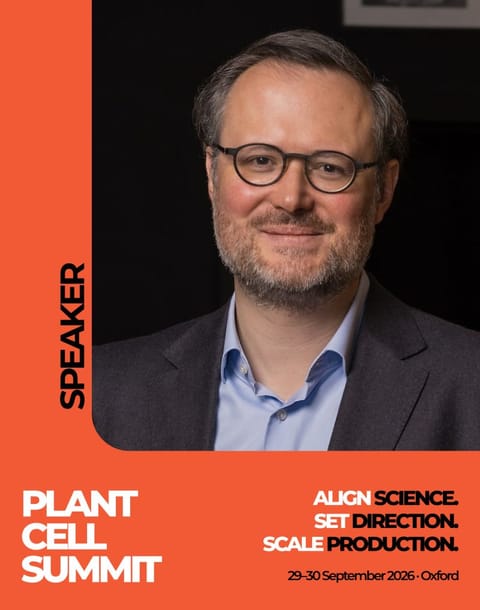
- Two of our team are speaking at the Plant Cell Summit in Oxford this week! Lisanne Terrie (Team Lead, Biotechnology Regulations) and Dominic Muyldermans (co-founder, Chief Legal Officer) are both on the programme for Tuesday 29 September. They speak at 14:00, in the Regulatory session: "𝑵𝒂𝒗𝒊𝒈𝒂𝒕𝒊𝒏𝒈 𝒕𝒉𝒆 𝑬𝒖𝒓𝒐𝒑𝒆𝒂𝒏 𝒓𝒆𝒈𝒖𝒍𝒂𝒕𝒐𝒓𝒚 𝒍𝒂𝒏𝒅𝒔𝒄𝒂𝒑𝒆 𝒇𝒐𝒓 𝑷𝑪𝑪-𝒅𝒆𝒓𝒊𝒗𝒆𝒅 𝒑𝒓𝒐𝒅𝒖𝒄𝒕𝒔." Plant cell culture (PCC) is a new way to make food, cosmetics and active ingredients. The science is moving
- New Genomic Techniques: the regulatory path takes its next steps The 2018 ruling of the Court of Justice of the European Union — which confirmed plants obtained through targeted mutagenesis to be within the scope of the GMO rules — was widely regarded as scientifically flawed and triggered years of legislative debate. On 17 June 2026, the European Parliament and the Council adopted new rules for plants obtained by targeted mutagenesis and cisgenesis, and for their food and feed products. The rules entered into force on 16 July

Related profiles
Something wrong or missing? Send an update. Fixed within 24 hours.