
Overview
3D-Side offers AI-powered 3D preoperative planning and patient-specific medical devices. The platform streamlines surgical planning with segmentation and traceability features.
Key people

In the news
- From September 30 to October 3, we're heading to DisasterPlasty Conference. This congress is entirely dedicated to the hardest 5% of orthopedic cases, the ones that rarely follow the textbook: complex fractures, persistent infections, failed implants and revisions. Real-life complications, shared with honesty by surgeons and experts from around the world. Complex cases are exactly where our interest lies. Our Laurent Paul, PhD MBA will be attending, ready to exchange with the surgeons and experts on site about these
- We'd like to share a few numbers. Before the introduction of effective chemotherapy in the 1970s, an osteosarcoma of the limb often meant amputation, with 5-year survival rates below 20%. Advances in chemotherapy, imaging, and surgical technique changed that picture. Today, when oncologically appropriate, limb-salvage surgery is possible for up to 90% of patients with extremity osteosarcoma, without compromising survival. This shift matters especially for children and adolescents. Osteosarcoma has a first peak in incidence between
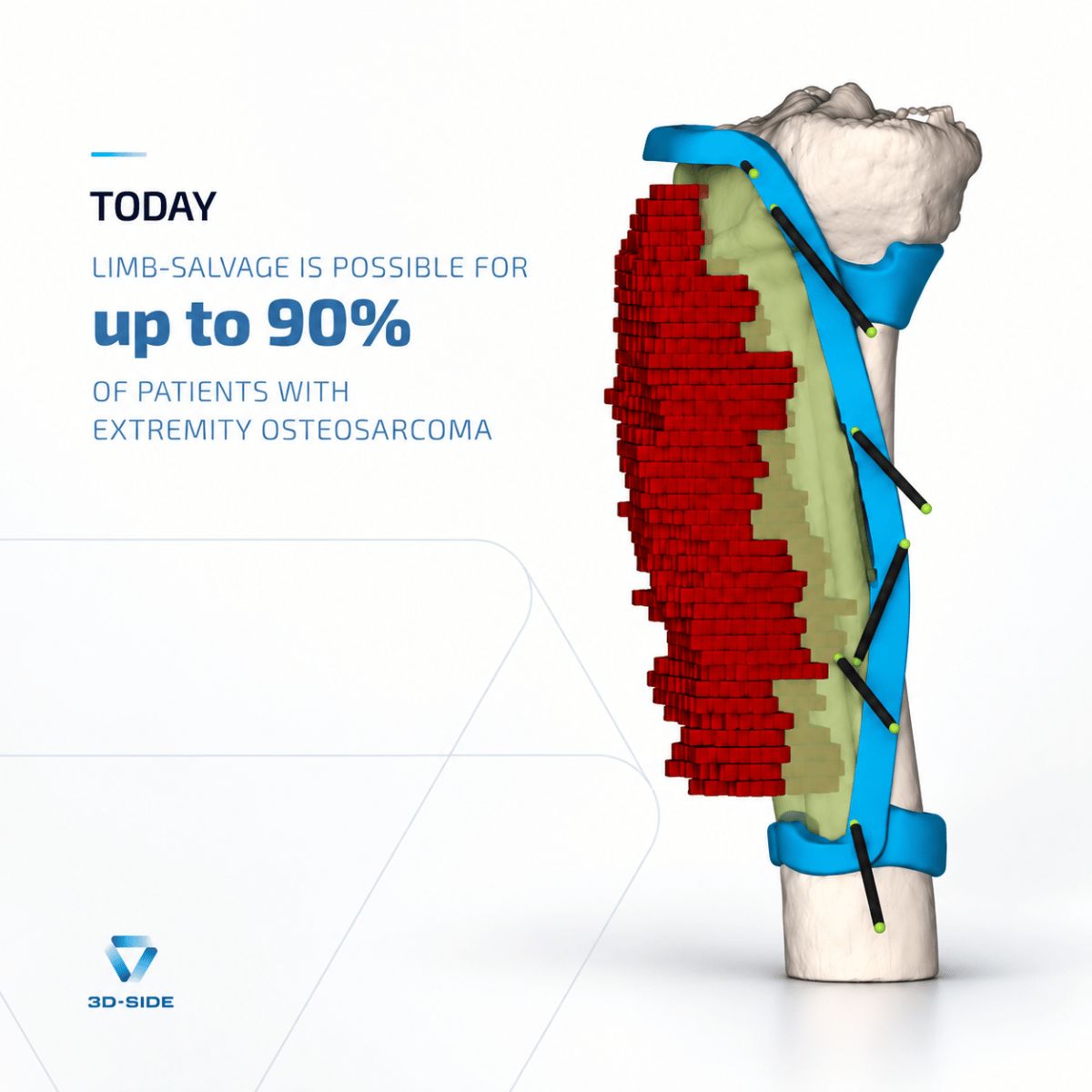
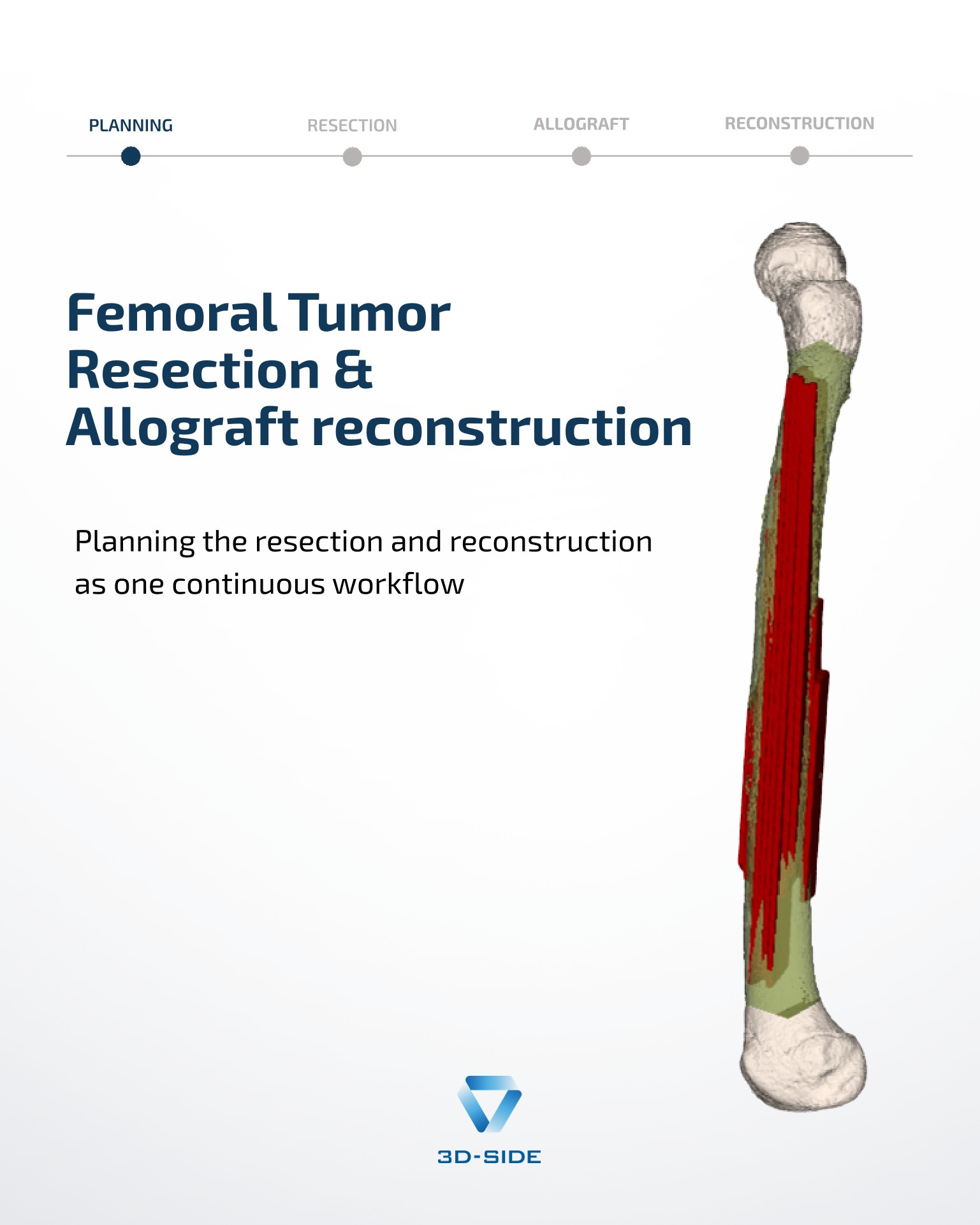
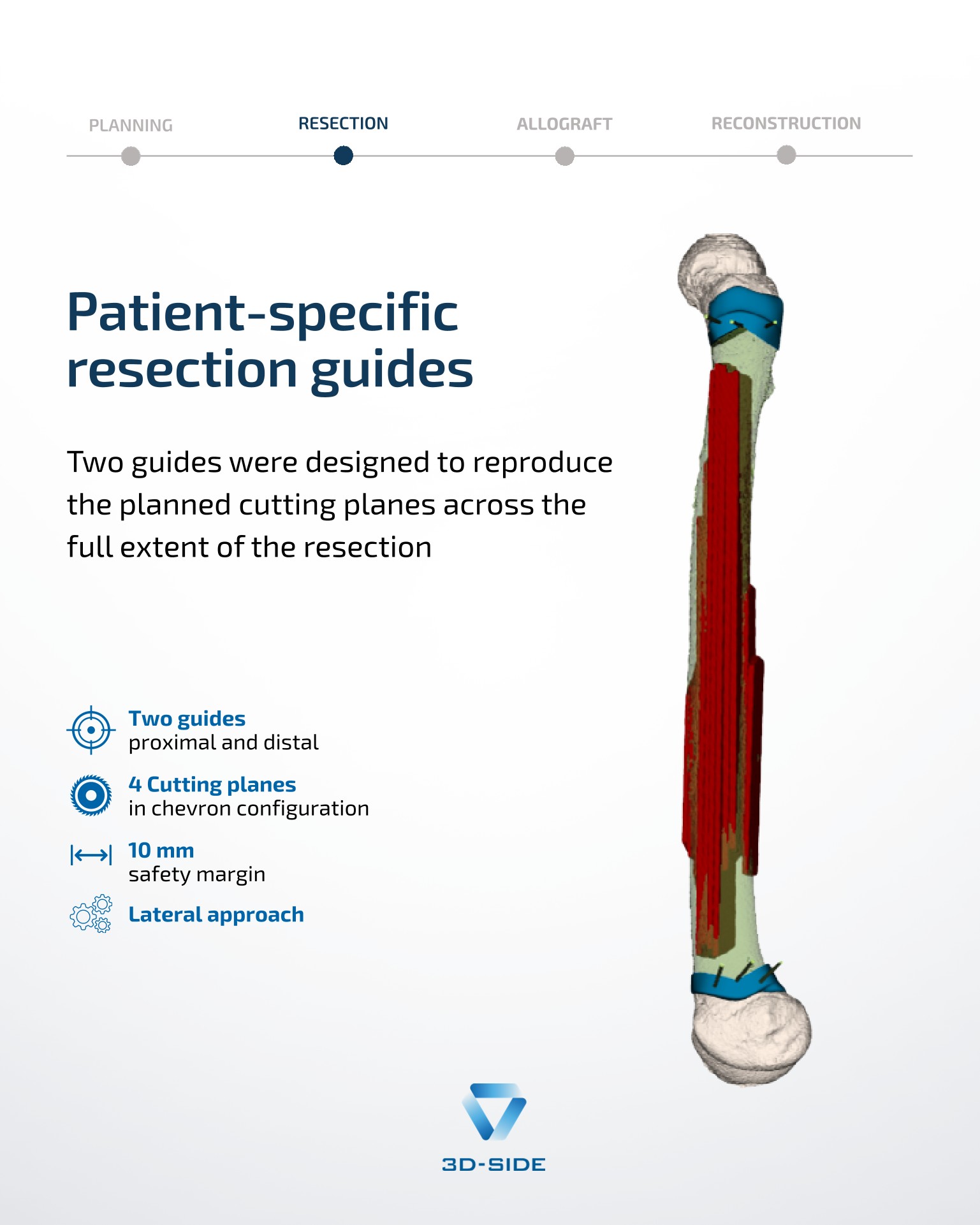
- Resecting a bone tumor is only part of the challenge. Reconstruction comes next: replacing the removed bone with a structure that restores limb continuity and function. This case involved a femoral tumor, to be resected before a biological reconstruction using an allograft, shaped to match the bone defect exactly. Based on the preoperative CT and MRI, the plan was built around the following parameters: 🔹 4 cutting planes configured in a chevron pattern to support reconstruction stability 🔹 10 mm safety margin 🔹 lateral surgical
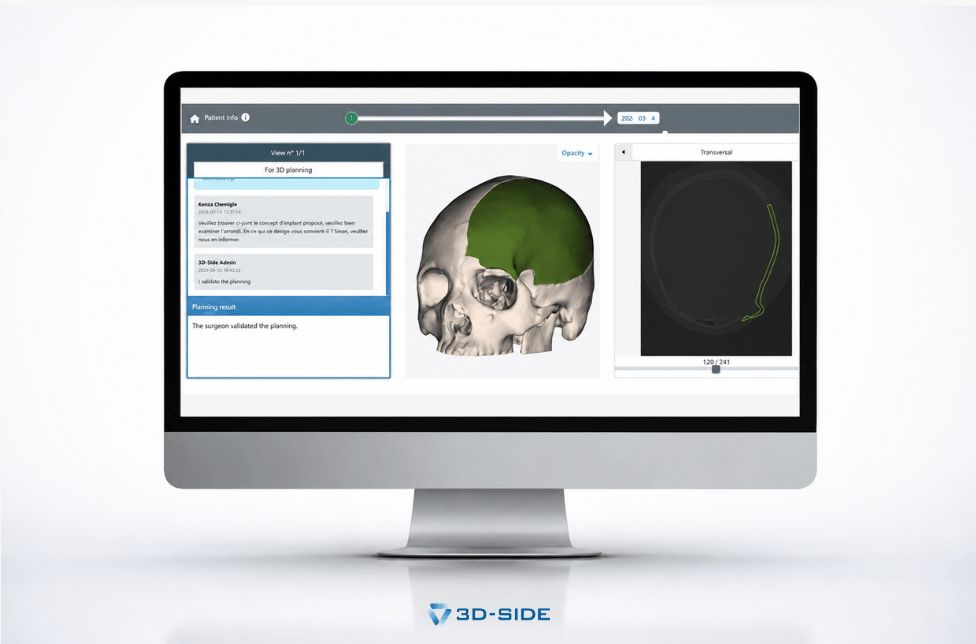
- Frontal, parietal, temporal, bifrontal: where a cranial defect sits changes everything. Skull curvature varies from one region to another, and from one patient to the next, just as much as the size and outline of the defect itself. That variability is what drives the design of every patient-specific mold. Based on the patient's CT scan, the mold is modeled to match the exact curvature of the surrounding bone and the real shape of the defect, before being used to shape the PMMA cranial implant directly in the operating room. On the
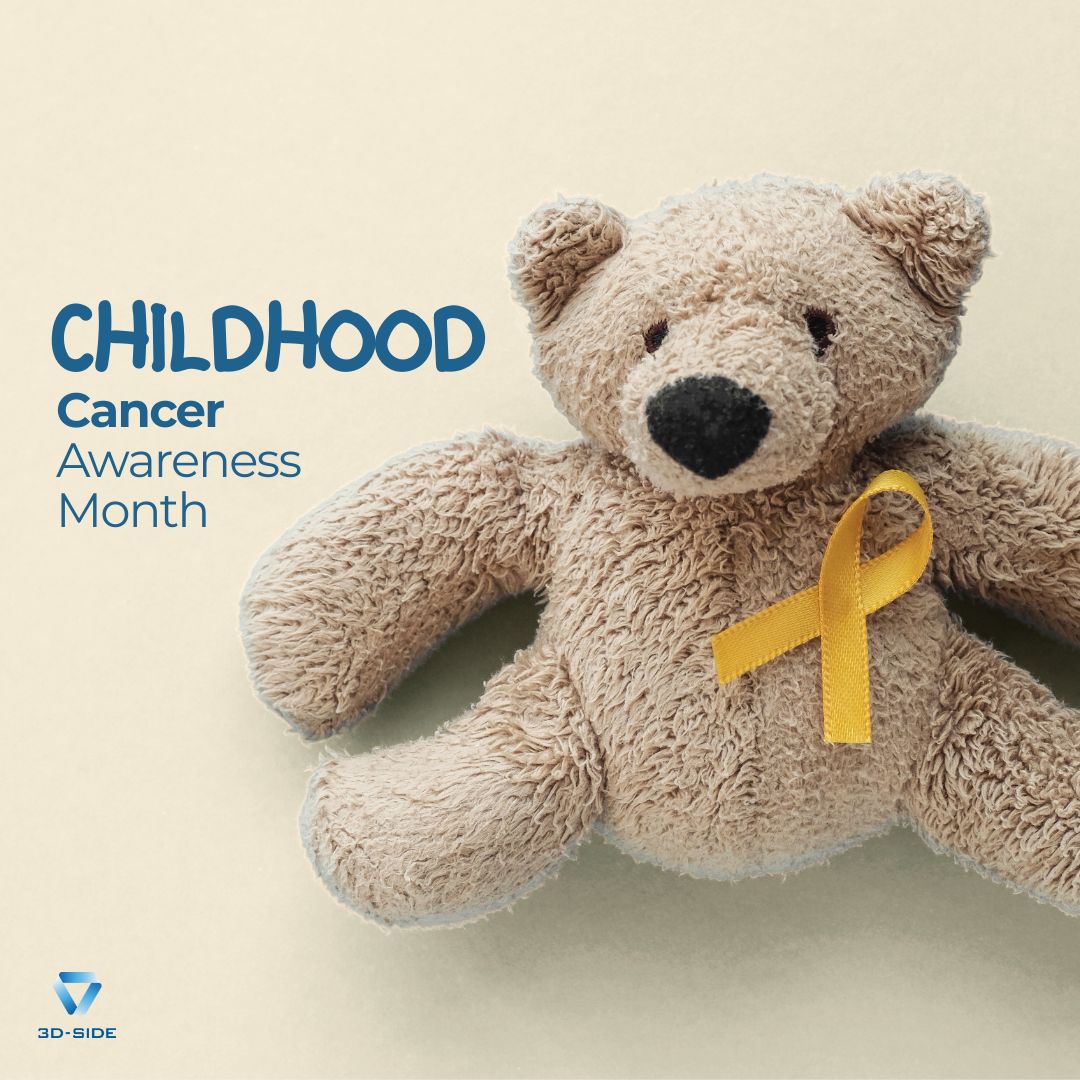
- September: Childhood Cancer Awareness Month 🎗️ This month, we honor the strength and courage of children battling cancer. Osteosarcoma, the most common malignant bone tumor in children and adolescents, peaks in incidence between ages 10 and 14, during the pubertal growth spurt. Ewing sarcoma affects the same age group. Operating on these young patients comes with specific challenges: a skeleton that's still growing, growth plates to preserve when possible, and a reconstruction that needs to last for decades. A
- In less than a month, we're headed to Vienna, and honestly, we can't wait to be there. From September 23 to 26, 2026, ISOLS (International Society of Limb Salvage) brings together the orthopedic oncology and limb salvage community for its 23rd General Meeting, and 3D-Side will be there. We can't wait to catch up with surgeons on site, talk patient-specific planning and custom guides in bone oncology, and soak up a little Viennese atmosphere between sessions. See you there? #ISOLS2026 #OrthopedicOncology #LimbSalvage #3DSide

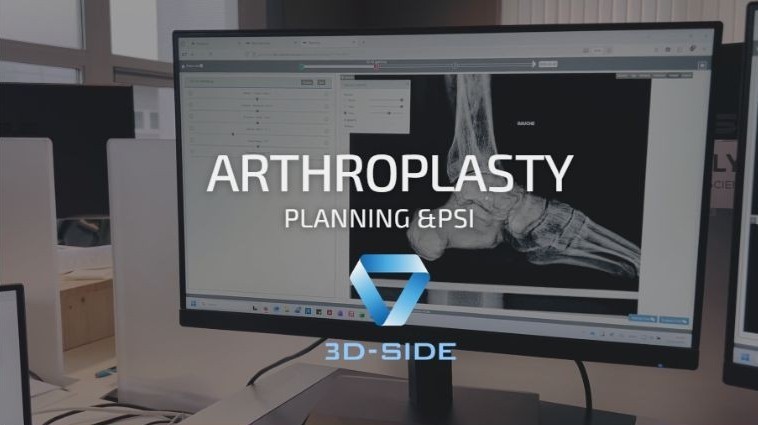
- Patient-specific planning and instrumentation for arthroplasty, across three joints. Ankle: "Your vision. Our engineering." A plan built from the patient's scan, covered by an FDA 510(k) clearance. "Plan. Align. Execute." The patient-specific guide translates the cutting strategy into controlled alignment, all the way to the OR. Shoulder: "Your rules. Our execution." Controlled planning for reproducible results, also covered by an FDA 510(k) clearance. Knee: "Your implants. Tailored planning." Planning designed to scale across
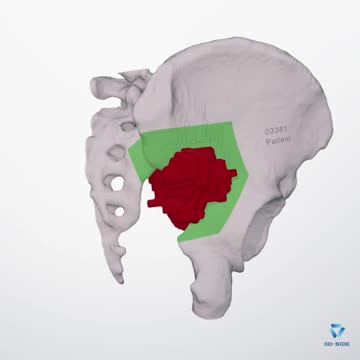
- Two patient-specific guides, used in a deliberate order: that's what made it possible to reconstruct a sacroiliac joint after tumor resection, without ever losing the original plan. In this case of a pelvic tumor near the sciatic notch, invading the sacroiliac joint, the plan combined six cutting planes, a reinforced safety margin near the S1 foramen, and a postero-lateral approach. The first guide sits on the still-intact iliac bone. Before resection even begins, it prepares the trajectories for the reconstruction implants

Something wrong or missing? Send an update. Fixed within 24 hours.