
Overview
Arcsec produces advanced attitude determination and control systems for satellite applications. The company has sold over 100 systems worldwide and offers multiple product lines including star trackers (Sagitta, Twinkle, Scorpio) and reaction wheels (Zyra), with star trackers achieving 99.9% availability and 2 arcsecond accuracy.
Key people
In the news
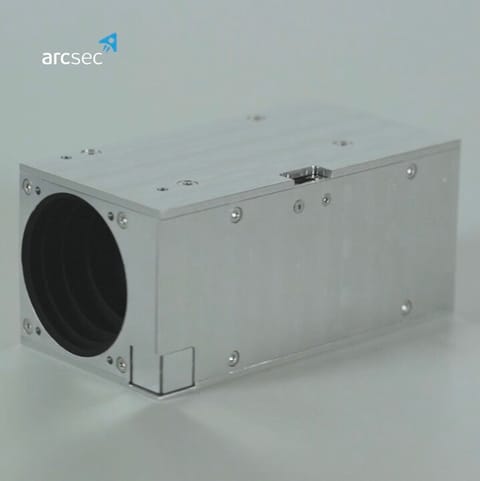
- 𝗪𝗵𝗮𝘁 𝗮𝗰𝘁𝘂𝗮𝗹𝗹𝘆 𝗵𝗮𝗽𝗽𝗲𝗻𝘀 𝗶𝗻𝘀𝗶𝗱𝗲 𝗼𝘂𝗿 𝗦𝗮𝗴𝗶𝘁𝘁𝗮 𝘀𝘁𝗮𝗿 𝘁𝗿𝗮𝗰𝗸𝗲𝗿? Sagitta, our compact star tracker, matches live star patterns to a celestial map for instant, absolute orientation in the arcsecond-range. That precision is what enables an imaging satellite to spot a forest fire the size of a compact car from hundreds of kilometers above, or to hold a laser link steady across deep-space distances. Making this happen takes real engineering discipline across multiple fields: ⚙ Ultra-sharp optical
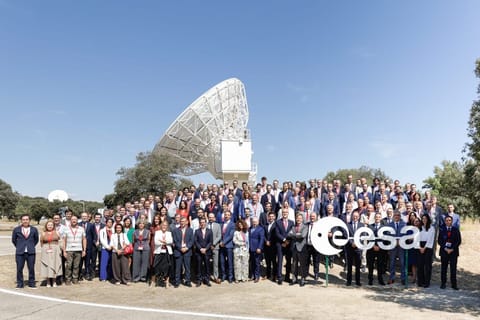
- 𝗘𝘂𝗿𝗼𝗽𝗲 𝗶𝘀 𝗯𝘂𝗶𝗹𝗱𝗶𝗻𝗴 𝗶𝘁𝘀 𝘀𝗽𝗮𝗰𝗲-𝗱𝗼𝗺𝗮𝗶𝗻 𝗮𝘄𝗮𝗿𝗲𝗻𝗲𝘀𝘀. 𝗔𝗥𝗚𝗨𝗦 𝗶𝘀 𝗼𝗻𝗲 𝗼𝗳 𝘁𝗵𝗲 𝗺𝗶𝘀𝘀𝗶𝗼𝗻𝘀 𝗯𝗲𝗵𝗶𝗻𝗱 𝗶𝘁. 🛰️ A few weeks ago we shared our involvement in ARGUS, the GMV-led mission under ESA’s IRIS² programme that advanced to its consolidation phase at ESAC Madrid. Now, we've painted the bigger picture in the form of an article: 🔷 what ARGUS enables 🔷 where it fits in IRIS² 🔷 what it means for European space sovereignty 𝗥𝗲𝗮𝗱 𝗳𝘂𝗹𝗹 𝗮𝗿𝘁𝗶𝗰𝗹𝗲 👉

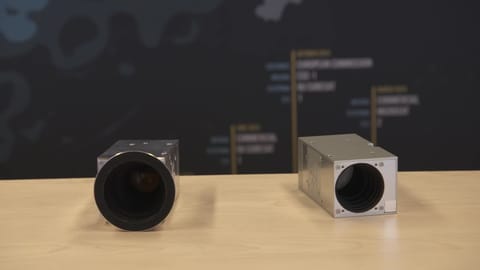
- 𝗮𝗿𝗰𝘀𝗲𝗰 𝗼𝗻 𝗕𝗲𝗹𝗴𝗶𝗮𝗻 𝗯𝘂𝘀𝗶𝗻𝗲𝘀𝘀 𝗧𝗩 The team at ‘Alles op een rijtje’ dropped by our Leuven headquarters to shoot a video on what arcsec does, and on Belgium’s role in the space industry. In four minutes Yann Van Royen (PA/QA Manager) and Michiel Peeters (AIV Engineer) explain: 🔷 Why satellites sit behind many aspects of daily life (GPS, Netflix, certain phone calls) 🔷 How a star tracker uses stars to tell a satellite where it’s pointed 🔷 How our reaction wheels physically steer it 🔷 How this hardware is
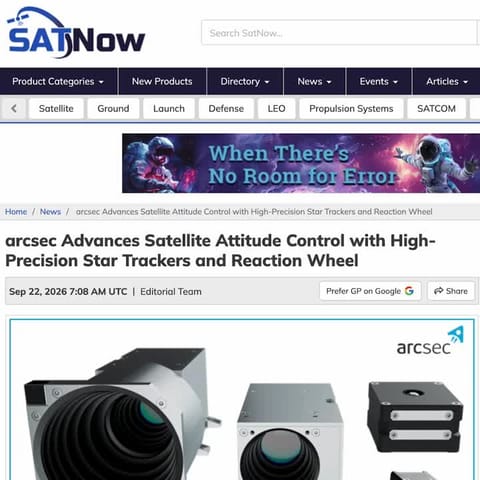
- 𝗦𝗮𝘁𝗡𝗼𝘄 𝗽𝘂𝗯𝗹𝗶𝘀𝗵𝗲𝗱 𝗮𝗻 𝗼𝘃𝗲𝗿𝘃𝗶𝗲𝘄 𝗼𝗳 𝗼𝘂𝗿 𝗽𝗿𝗼𝗱𝘂𝗰𝘁 𝗳𝗮𝗺𝗶𝗹𝘆, 𝘄𝗼𝗿𝘁𝗵 𝗮 𝗿𝗲𝗮𝗱 𝗶𝗳 𝘆𝗼𝘂 𝗳𝗼𝗹𝗹𝗼𝘄 𝘁𝗵𝗲 𝗦𝗺𝗮𝗹𝗹𝗦𝗮𝘁 𝘀𝘂𝗯𝘀𝘆𝘀𝘁𝗲𝗺 𝗺𝗮𝗿𝗸𝗲𝘁. It covers Sagitta, Twinkle, Scorpio and our Zyra reaction wheel, with specs and data for each. Beneath the product line-up sits the direction we're evolving in: 𝗘𝘅𝗽𝗮𝗻𝗱𝗶𝗻𝗴 𝗼𝘂𝗿 𝗽𝗿𝗼𝗱𝘂𝗰𝘁 𝗽𝗼𝗿𝘁𝗳𝗼𝗹𝗶𝗼 𝗮𝗻𝗱 𝗺𝗼𝘃𝗶𝗻𝗴 𝗶𝗻𝘁𝗼 𝗳𝘂𝗹𝗹𝘆 𝗶𝗻𝘁𝗲𝗴𝗿𝗮𝘁𝗲𝗱 𝗔𝗗𝗖𝗦, 𝘄𝗵𝗶𝗰𝗵 𝗶𝘀 𝗰𝗼𝗺𝗶𝗻𝗴 𝘀𝗼𝗼𝗻
- Our colleagues (Ana Trcka Vinterhalter, Rhimas Van de Putte and Mikel Samson) over at #ESA #GNC in #Sevilla sent us a picture of their paella dinner. Not to be outdone, Bram Vandoren treated everyone at the office with a paella lunch to celebrate his birthday. We won't ask who did it best, but here at the office, we did have a discussion on the paella of our Spanish friends. What do you think? ❤️ = Tiny paella 💡 = Huge lemon


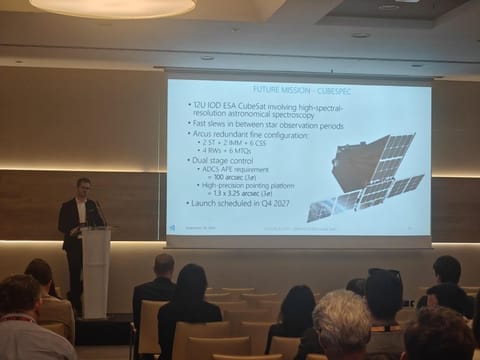
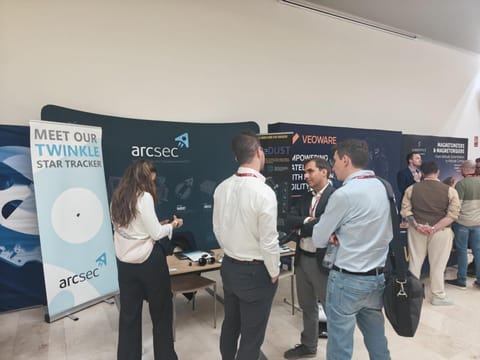
- The ESA #GNC conference has kicked off and in between the social events we have found some time to showcase our developments at arcsec! Mikel Samson gave a presentation on our nanosat ADCS Development: HIL Test Campaign of a Nanosatellite ADCS Developed Through a Rigorous V&V Approach On Thursday, Ana Trcka Vinterhalter will give a talk on detecting space debris and satellites using star trackers: More Than Attitude: Star Trackers as Dual-Use Sensors for RSO Tracking Pass by our booth to discuss #ADCS, #startrackers, #RWs and #SSA
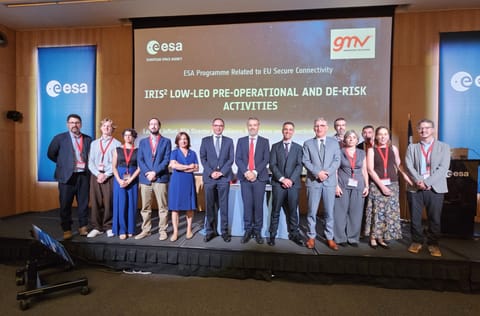
- Strengthening Europe’s space security with European Space Agency - ESA’s IRIS² programme. We’re proud to be part of ARGUS—an innovative mission concept exploring how distributed satellite capabilities can enhance space domain awareness and support Europe’s strategic autonomy. Together with GMV and Alén Space, arcsec is contributing to the development of a constellation of up to five 16U CubeSats designed to detect radio-frequency interference, monitor the spectrum and deliver valuable insights to governmental users. By combining
- From spacecraft attitude determination to tracking objects in orbit, star trackers are capable of much more than many people realize. We're excited to share that arcsec will be presenting two papers at the 2026 AMOS Conference: 🚀 ASTRA-Net: A Hybrid CNN Detection and Poisson Labeled Multi-Bernoulli Tracking Framework for SSA using Star Trackers A novel approach combining AI-based detection and advanced multi-target tracking to enable Space Situational Awareness using star tracker imagery. 🚀 Assessing Space Debris Observability:

Something wrong or missing? Send an update. Fixed within 24 hours.