
Overview
Axiles Bionics designs and manufactures prosthetic feet built around human biomechanics and natural ankle motion. The company was founded in 2019 as a spin-off from Vrije Universiteit Brussel, where the underlying research at the BruBotics human robotics centre dates back to 2007. It is based at Rue de la Fusée 64 in Brussels. The founders are Pierre Cherelle (Founder and CEO, a physicist with a PhD in robotics from VUB), Felipe Gomez (Co-founder and CTO), Claire Cherelle (Co-founder and CRO) and Jacques Langhendries (Co-founder and CFO). The product line is Lunaris. Lunaris IO and IO+ add 14 embedded sensors capturing 500 measurements per second and a mobile app, with up to 39° of ankle motion, for users of 45 to 110 kg in mobility classes K2 to K4. Lunaris was launched on 23 April 2022 after more than 250 people tested prototypes over three years, and was declared compliant with EU medical device regulations and registered with the FAMHP on 2 November 2022. The device is CE-marked and FDA-cleared. On 24 June 2025 the company announced a €6M Series A, the first tranche of an €8M round, with PE Group as cornerstone investor alongside the EIC Fund, Finance&Invest.brussels and existing investors including Bart Van Gael, Michel Delloye, David Van Biervliet, Thomas Jacobsen, Thierry Geerts and Bram Vanderborght. The team counted 15 people at that time. Products are sold in Belgium, Luxembourg, Spain and Germany. Axiles Bionics was showcased in the Belgian Pavilion at Expo 2025 Osaka and received the CAP48 Enterprise Award 2026 for innovation.
Funding history
- 2025 Series A: €6M first tranche of an €8M round, led by PE Group, with EIC Fund, Finance&Invest.brussels and existing angel investors
Stated facts & numbers
- Founded: 2019
- Origin: Spin-off of Vrije Universiteit Brussel (BruBotics)
- Headquarters: Brussels (Rue de la Fusée 64, 1130)
- Founders: Pierre Cherelle (CEO), Felipe Gomez (CTO), Claire Cherelle (CRO), Jacques Langhendries (CFO)
- Employees: 15 (June 2025)
- Products: Lunaris Essential, Lunaris IO, Lunaris IO+
- Regulatory: CE-marked, FDA-cleared, FAMHP-registered
- Markets: Belgium, Luxembourg, Spain, Germany
- Total raised: €6M Series A (first tranche of €8M round)
- Awards: CAP48 Enterprise Award 2026 (innovation)
Key people


In the news
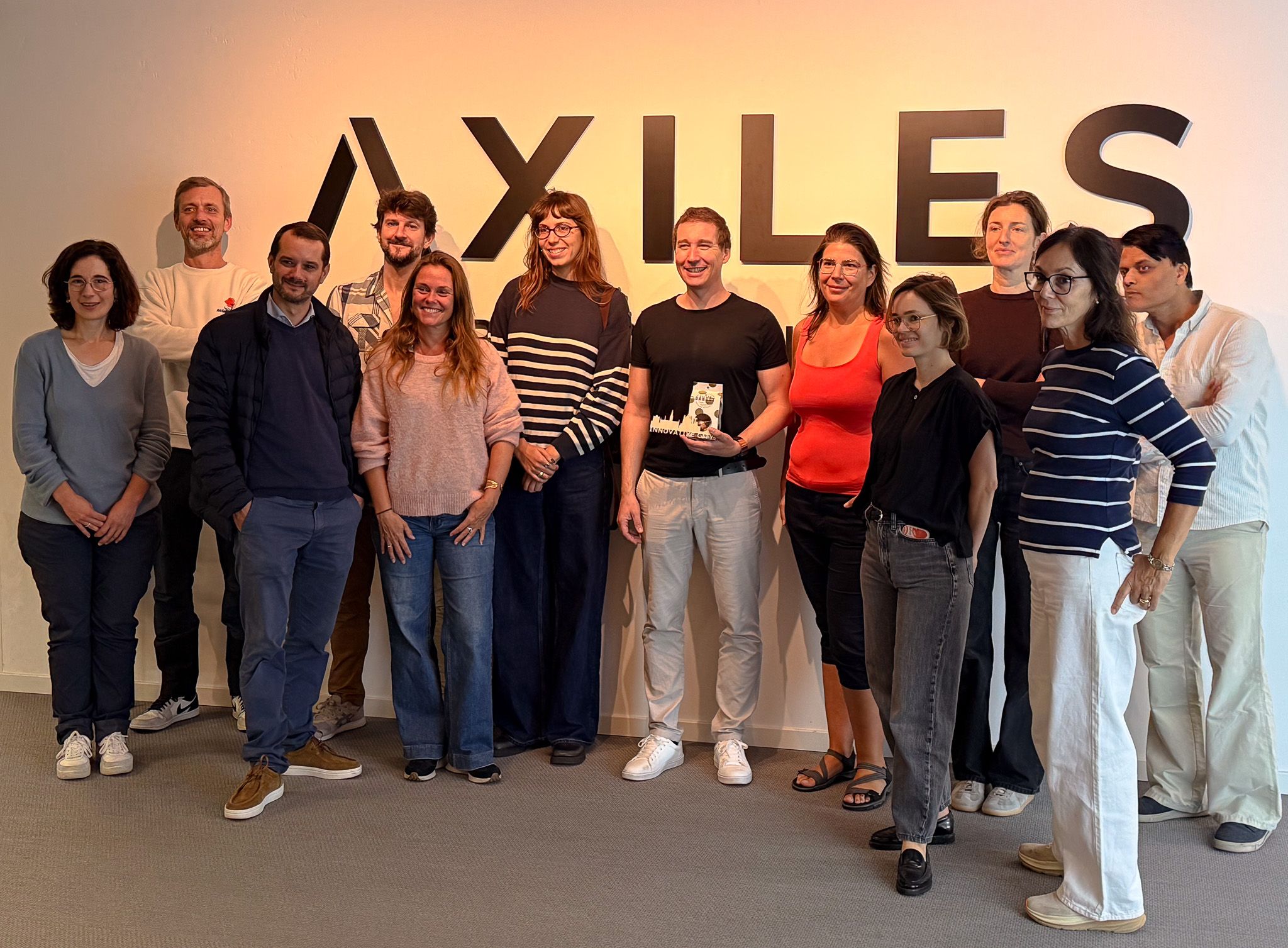
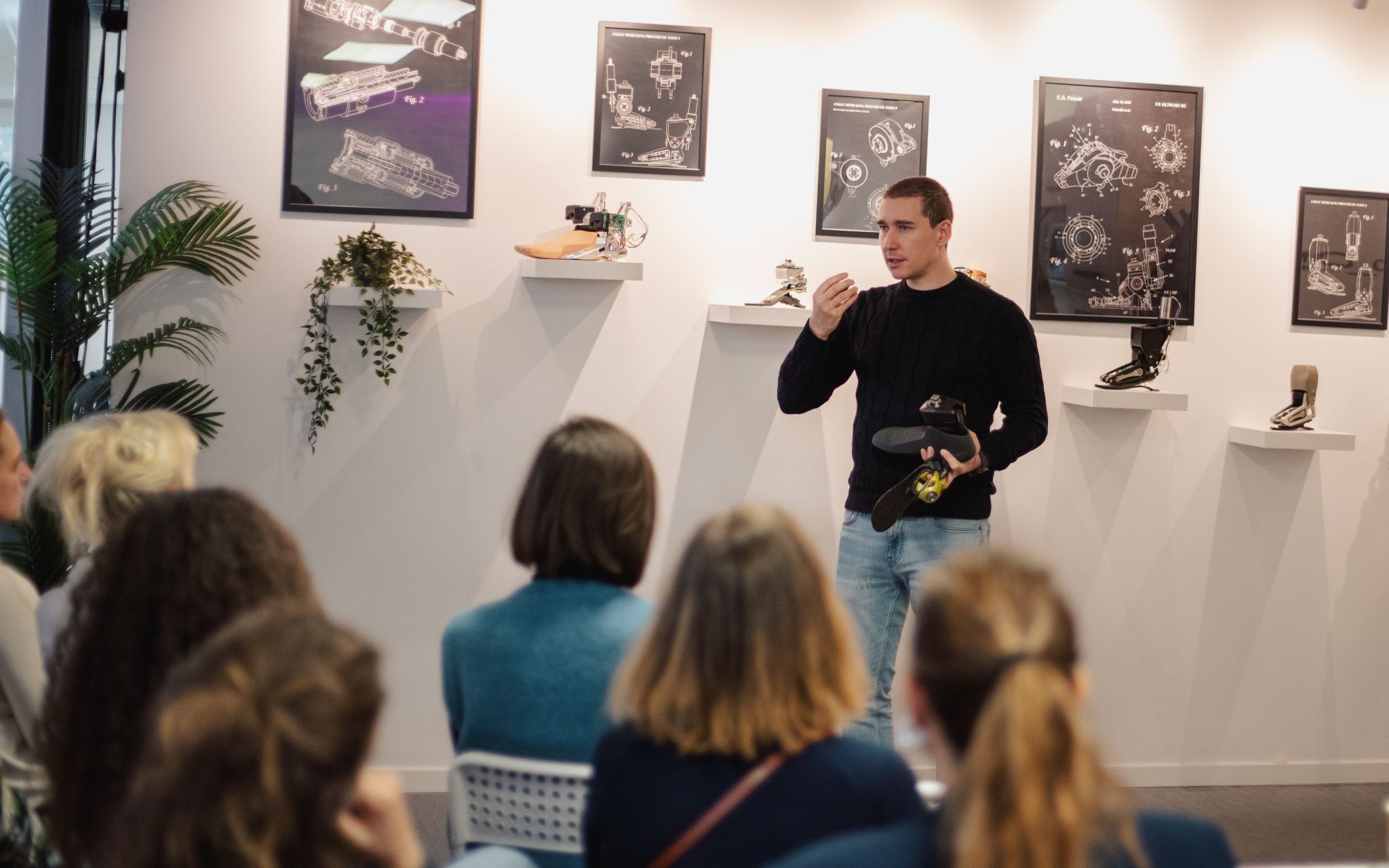
- citydev.brussels 𝘀𝘁𝗼𝗽𝗽𝗲𝗱 𝗯𝘆 𝗼𝘂𝗿 𝗼𝗳𝗳𝗶𝗰𝗲 ✨ We showed them our products, our project and what we’re building at Axiles and, most importantly, took the time to chat in person. Because sometimes, 10 minutes around a table can take you further than 20 slides. Who else wants to come and discover Axiles in real life? Thanks to Laurie Verheyen and the rest of the team for stopping by and for the great conversations.
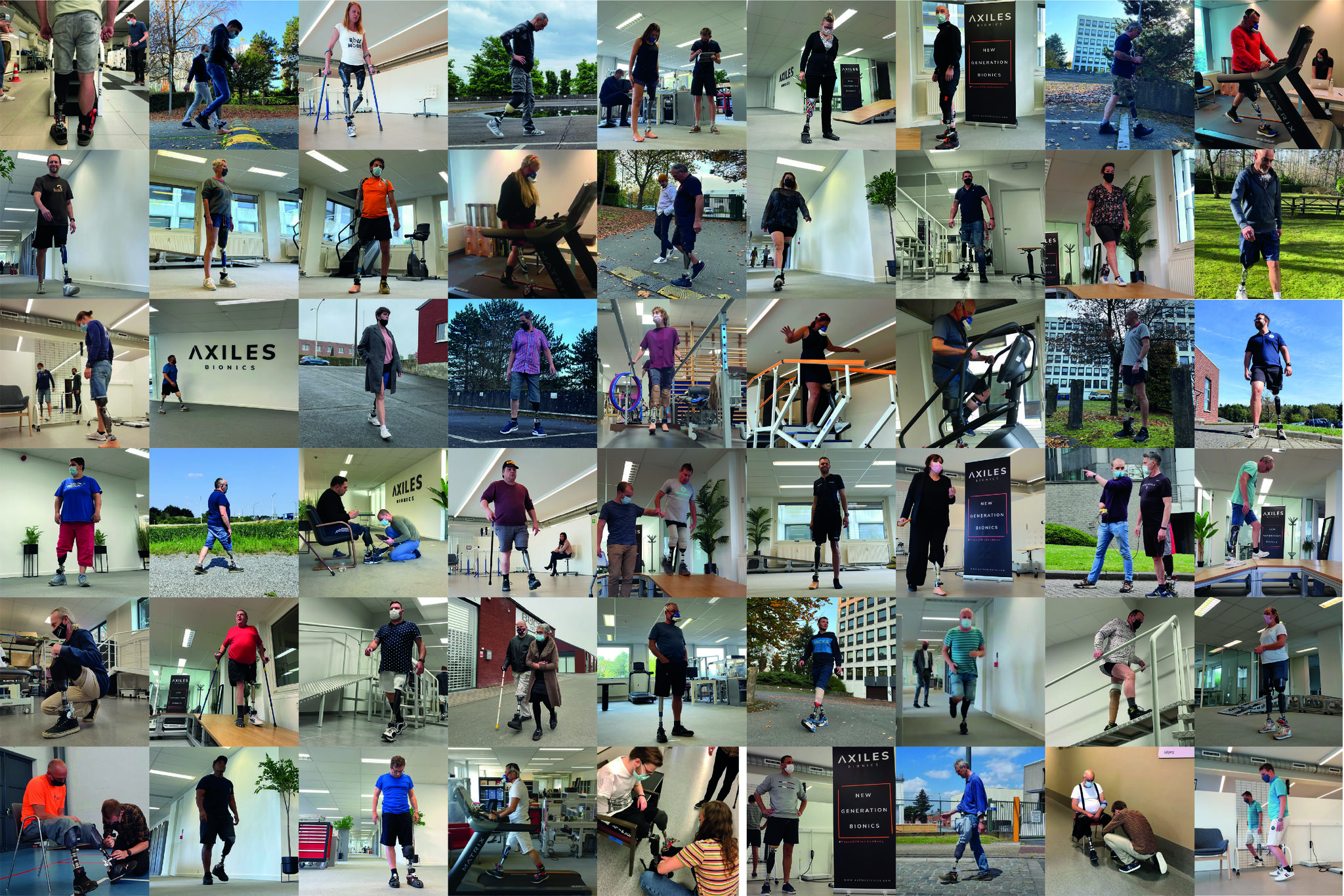
- In the lab, everything behaves exactly as expected. Outside, everything behaves exactly as it wants 🌍 Walking on a treadmill is predictable. Cobblestones, slopes, gravel and uneven ground are not. That is why prosthetic development must go far beyond laboratory testing. From the earliest stages of our research, we have been fortunate to work with many users and learn from their real-life experience. Their time, feedback and willingness to return throughout the development process have been invaluable. They help us
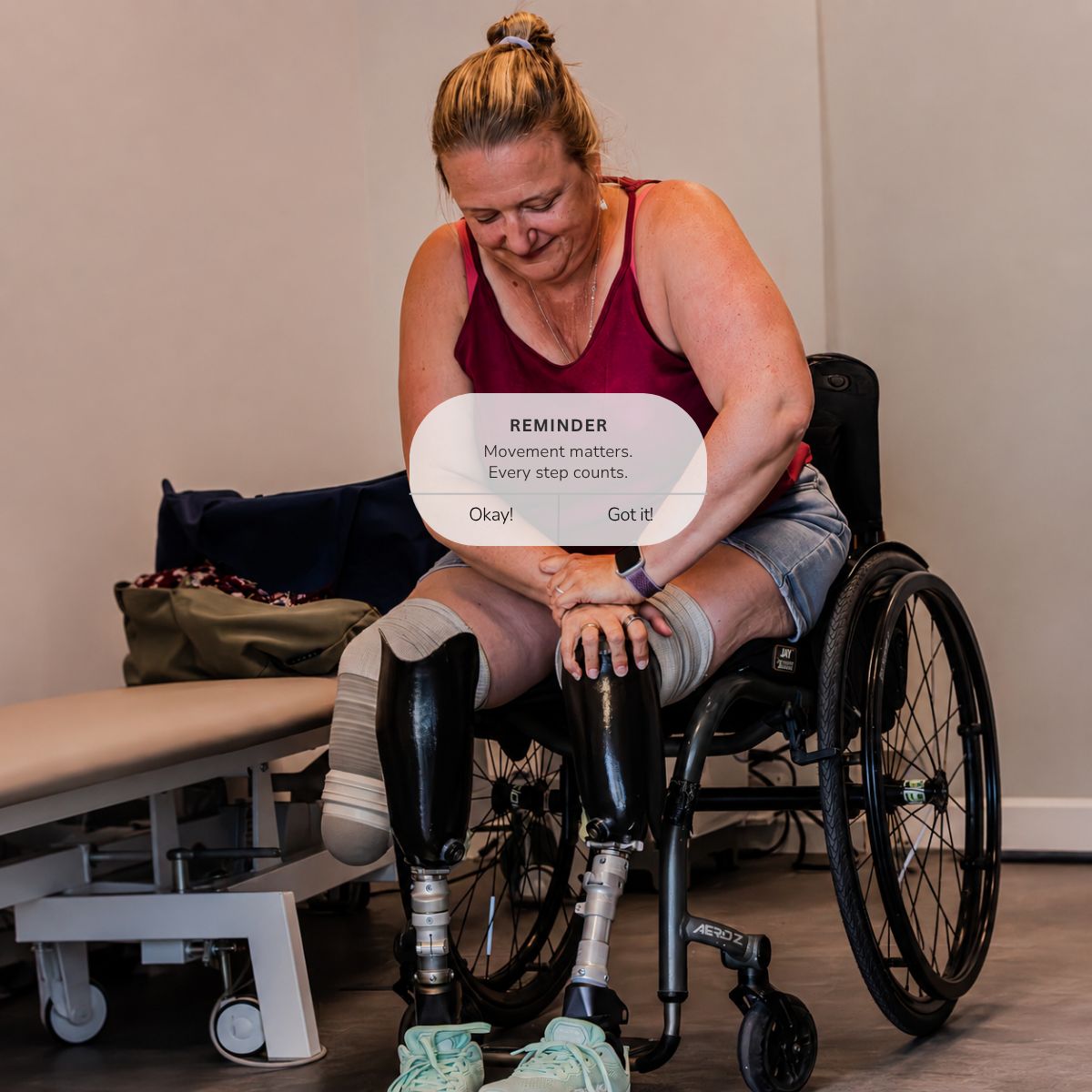
- 𝗙𝗼𝗿 𝗪𝗼𝗿𝗹𝗱 𝗢𝘀𝘁𝗲𝗼𝗮𝗿𝘁𝗵𝗿𝗶𝘁𝗶𝘀 𝗗𝗮𝘆, we wanted to highlight something simple : how much being able to move comfortably can make a difference in everyday life. Movement means independence, confidence and the freedom to keep doing the things that matter. That belief is also what keeps us moving forward: working to make walking feel more natural, while continuing to research, test and improve 💖
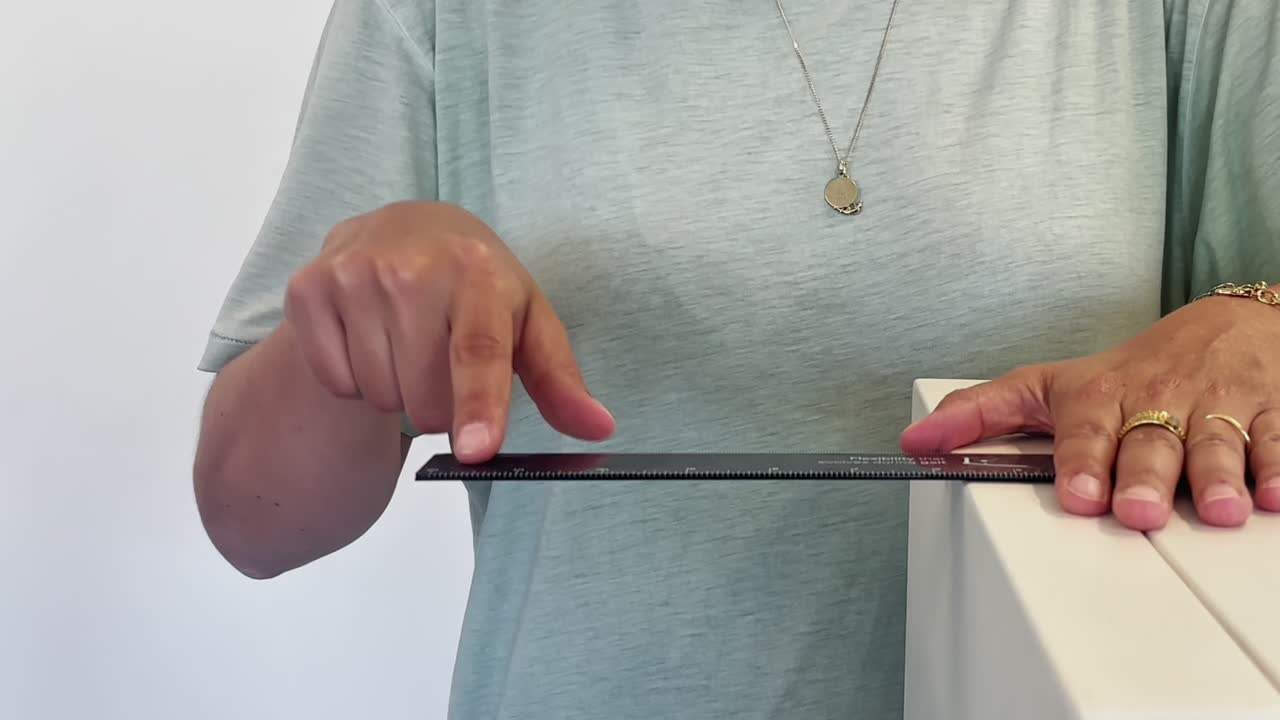
- 𝗪𝗵𝘆 𝘀𝗵𝗼𝘂𝗹𝗱 𝗮 𝗽𝗿𝗼𝘀𝘁𝗵𝗲𝘁𝗶𝗰 𝗳𝗼𝗼𝘁 𝗵𝗮𝘃𝗲 𝘁𝗵𝗲 𝘀𝗮𝗺𝗲 𝘀𝘁𝗶𝗳𝗳𝗻𝗲𝘀𝘀 𝗳𝗿𝗼𝗺 𝘁𝗵𝗲 𝗯𝗲𝗴𝗶𝗻𝗻𝗶𝗻𝗴 𝘁𝗼 𝘁𝗵𝗲 𝗲𝗻𝗱 𝗼𝗳 𝗮 𝘀𝘁𝗲𝗽? The biological ankle doesn't. 👇 ◉ At heel strike, it stays more compliant to absorb impact and adapt to the ground. ◉ As the step progresses, it gradually becomes stiffer. Why? To prepare for a more efficient push-off. This is the principle that inspired Lunaris. Instead of maintaining a constant stiffness, its stiffness evolves throughout the gait cycle through a
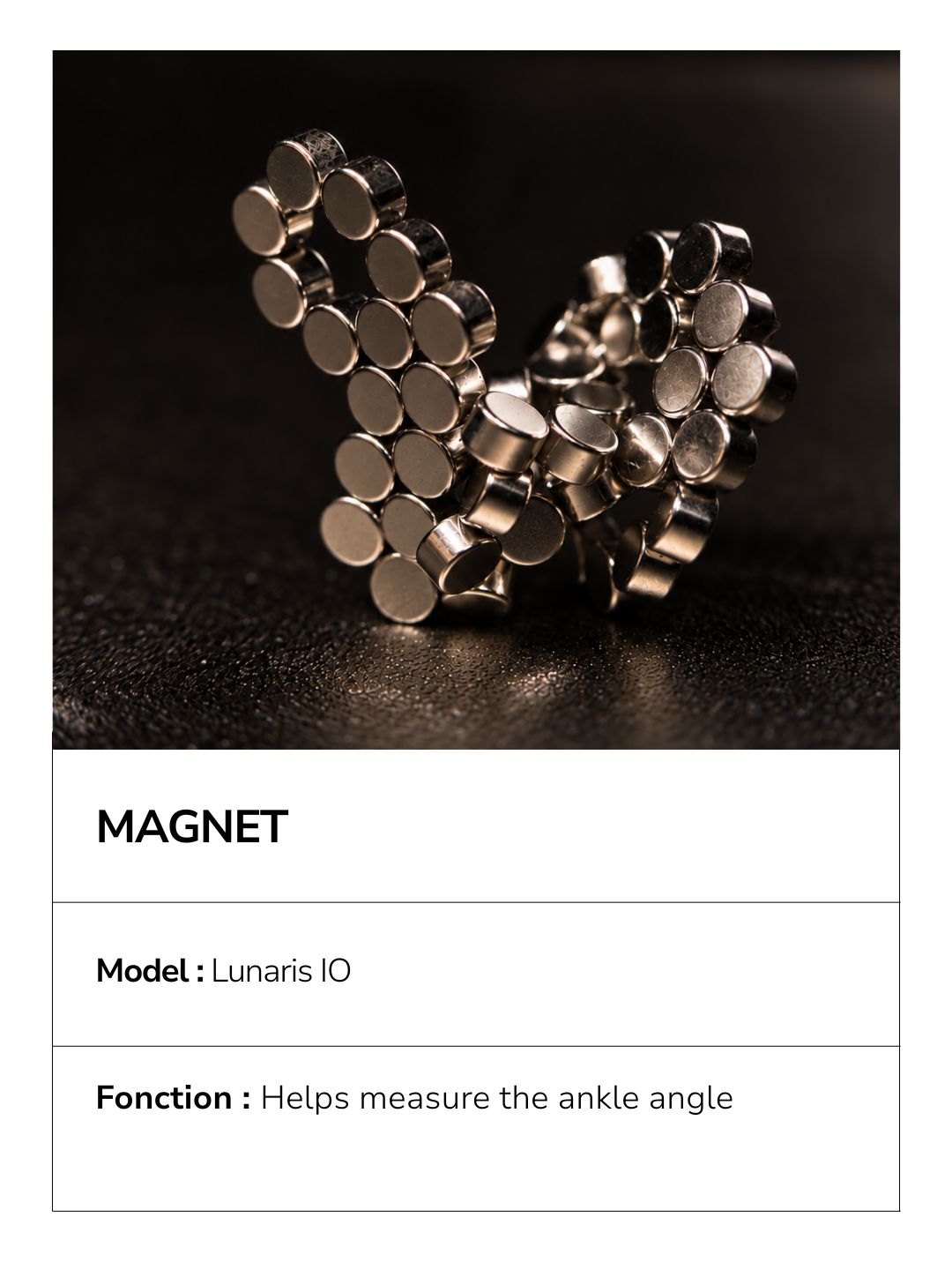
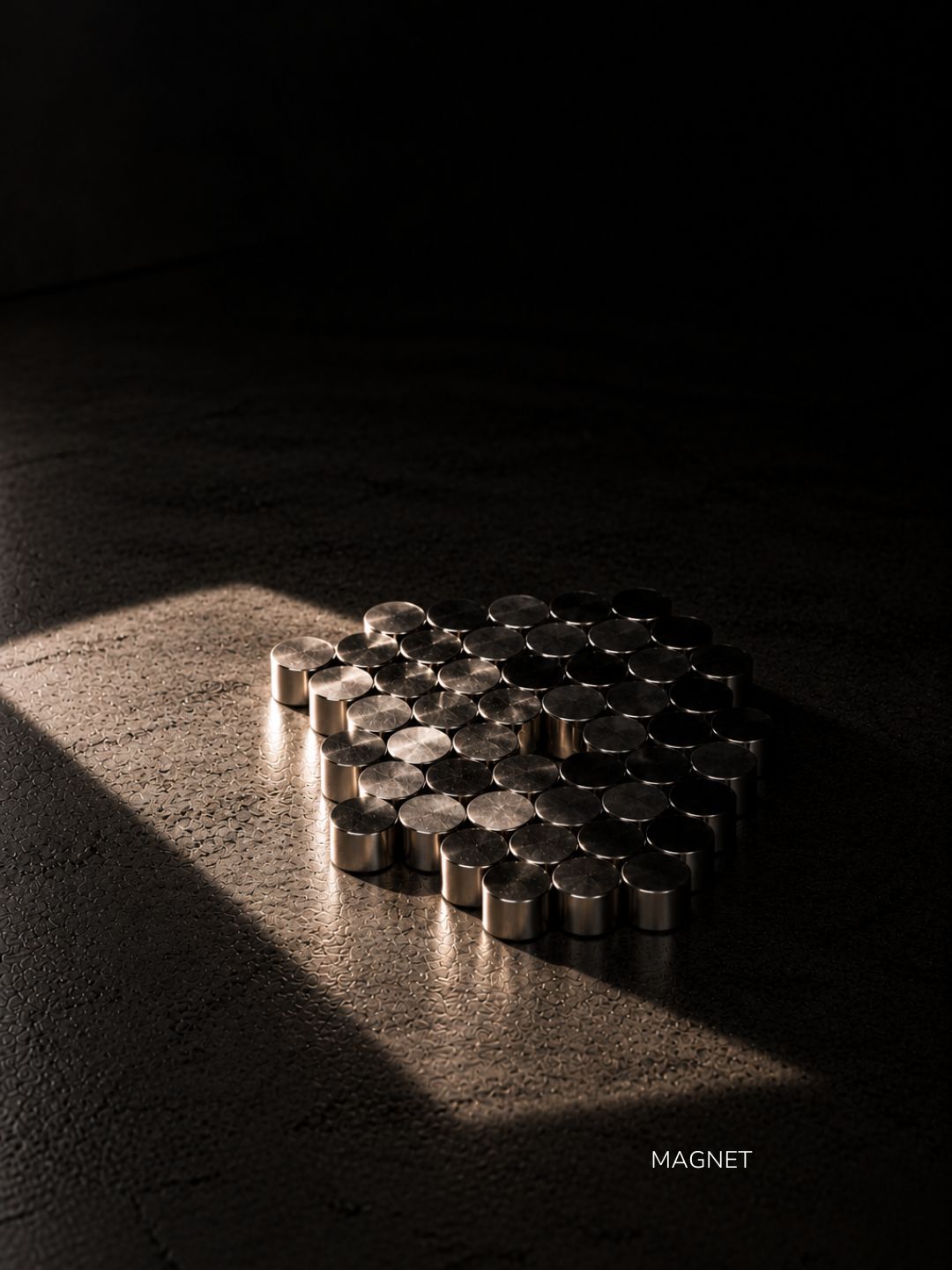
- 𝗠𝗲𝗲𝘁 𝘁𝗵𝗲 𝗺𝗮𝗴𝗻𝗲𝘁 🧲 Small component. Precise role. Positioned at the ankle axis, the magnet works together with a magnetic sensor to measure the ankle angle. This measurement is part of what makes the Lunaris IO different: integrating sensing directly into the prosthetic foot to better understand movement.
- Different paths, one shared rhythm 🎸 A few thoughts from Pierre on teamwork at Axiles Bionics.
- In prosthetics, the hardest part isn’t competing with technology. It’s competing with habits. ⚙️ The prosthetics industry is built around a small number of long-established players. They have shaped standards, clinical practices and expectations for decades. This brings valuable stability and familiarity. But it also makes introducing something new particularly challenging. When we started Axiles Bionics, we quickly realised that the real competition was not simply technology versus technology. It was technology versus habit. For
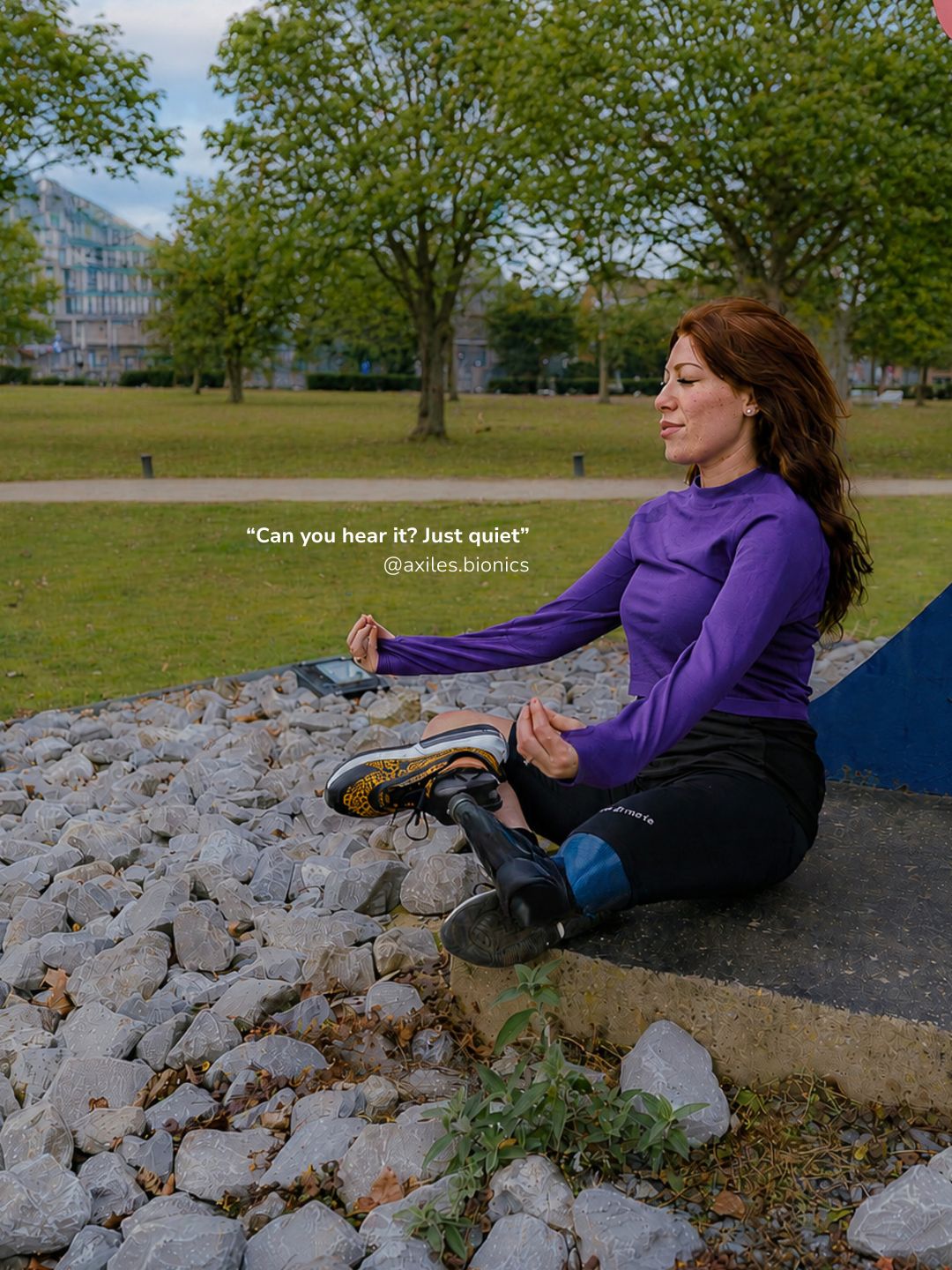
- 𝗖𝗮𝗻 𝘆𝗼𝘂 𝗵𝗲𝗮𝗿 𝗶𝘁? 🌍💙 No cars, no planes. Just quiet. Today, take your lunch break outside. Walk, breathe, and enjoy what’s around you. Clean air. Blue skies. The freedom to move. Simple things that matter to us at Axiles Bionics!


Alumni
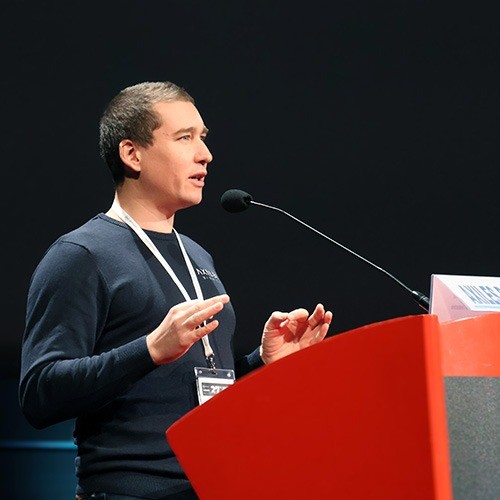 Pierre CherelleBusiness Development & Fundraising
Related profiles
Something wrong or missing? Send an update. Fixed within 24 hours.