
Overview
BlackHills Quantum Belgium offers cybersecurity consulting and implementation services focused on quantum security. The company provides quantum-secure cloud solutions and services including QKD, PQC, QRNG, and QSDOME®.
In the news
- AUTOMATIC CRYPTOGRAPHY STILL NEEDS BOARD CONTROL.Platform automation can give Europe an important advantage in the post-quantum transition. It can introduce stronger cryptography at scale without requiring every application team to configure every change manually. That is progress. But outsourcing the mechanism does not outsource the decision. When a cloud, network or managed-service provider selects cryptography automatically, the customer still owns the resulting business risk. The organisation must be able to

- BLACKHILLS QUANTUM WAS BUILT BEFORE QUANTUM SECURITY BECAME URGENT.The foundation was established in Belgium in 2019 through the one-man business of CEO Steve Hollands. At the time, quantum security was not yet a boardroom priority. For us, it was already the mission. In 2023, that Belgian foundation evolved into a transatlantic company with the founding of BlackHills Quantum USA LLC and an expanded focus on the convergence of quantum and AI security. Today, BlackHills Quantum stands as Belgium’s premier independent specialist

- https://lnkd.in/dSFUaguC

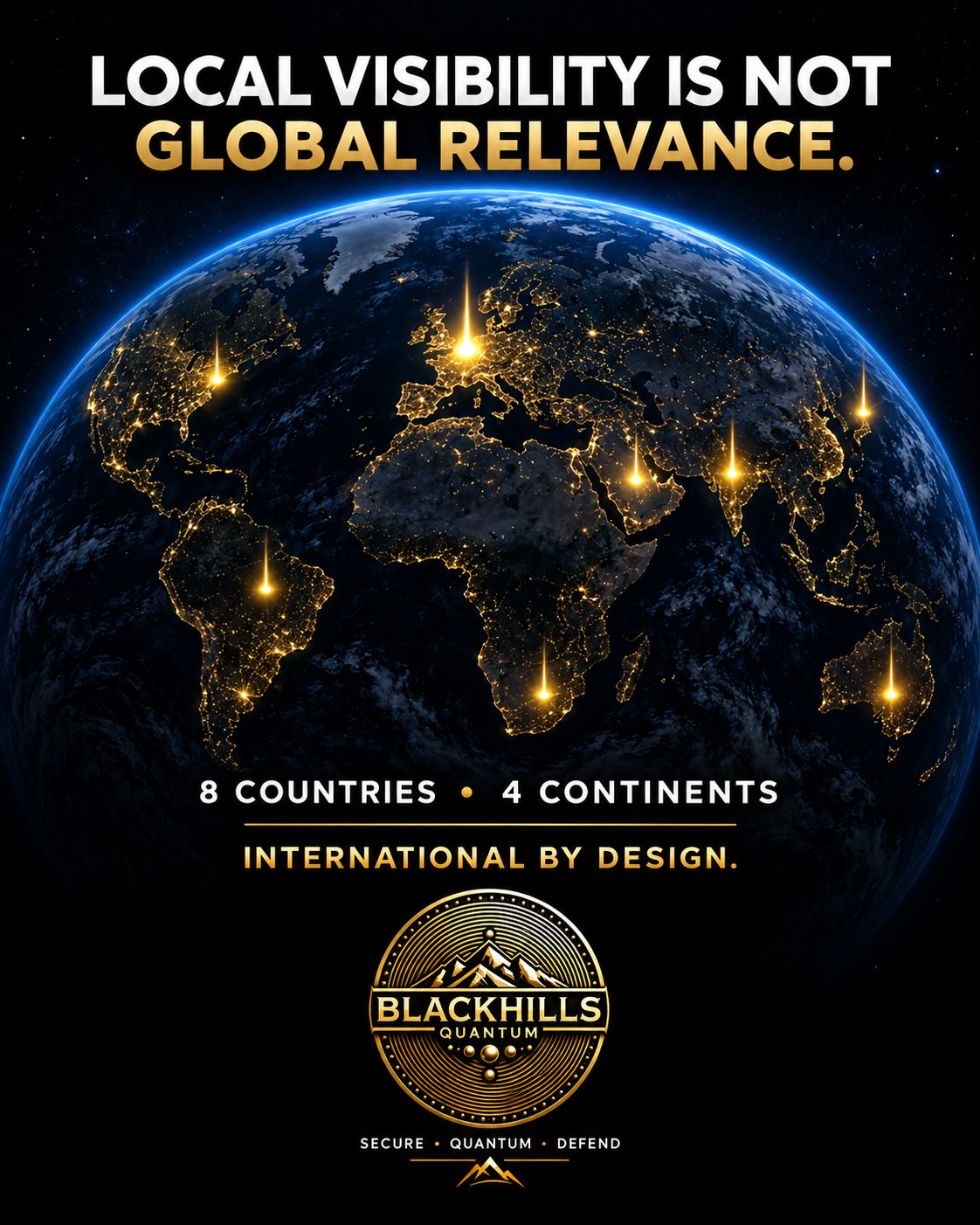
- BlackHills Quantum was not built to become another local IT provider carrying an international slogan. From Belgium and the United States, we have developed a specialist ecosystem anchored across eight countries and four continents, covering post-quantum cryptography, QKD, quantum entropy, cryptographic discovery, identity assurance and crypto-agility. This is not about borrowing the turnover or customer base of our partners. It is about having access to technologies, specialists and international relationships that most regional
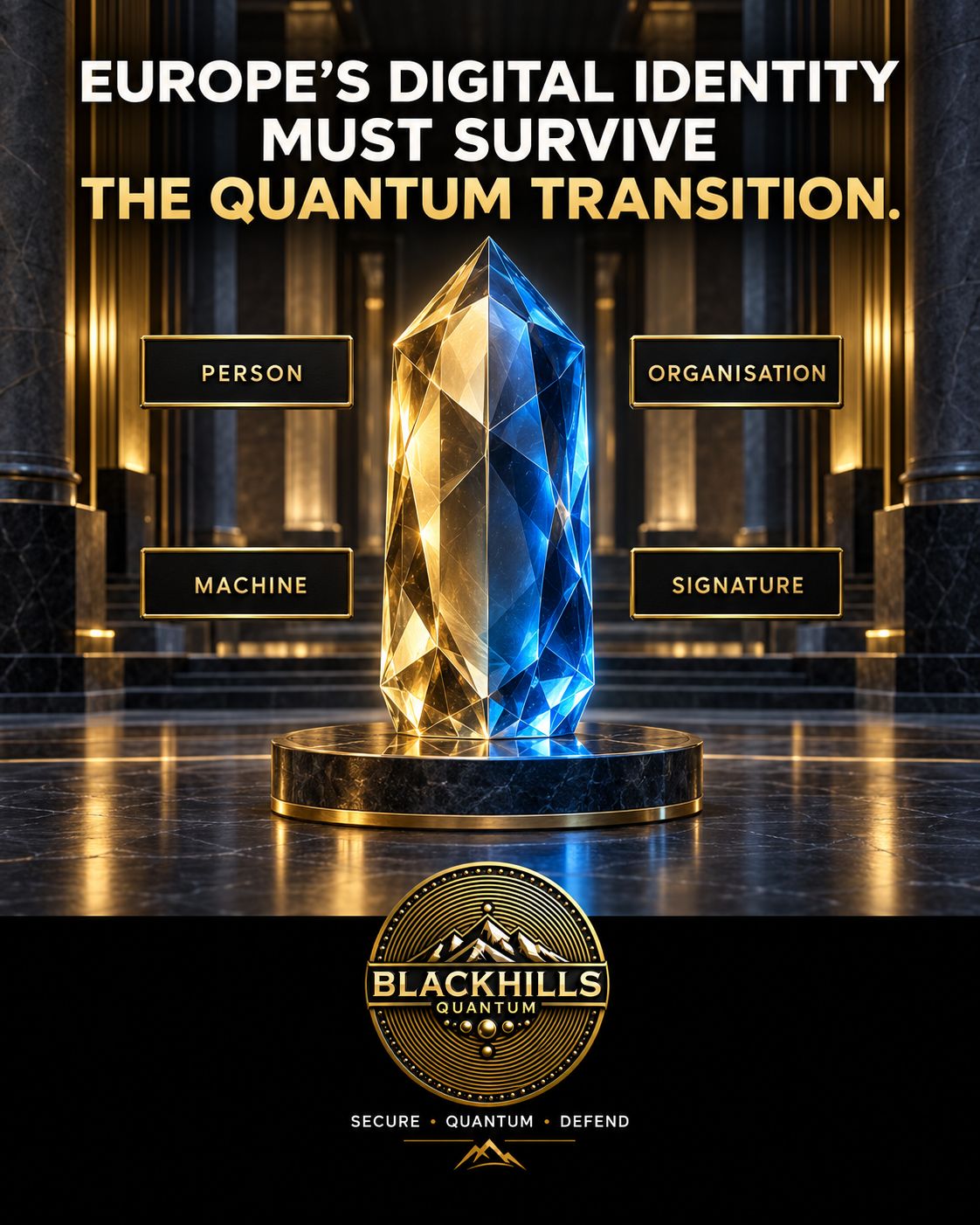
- EUROPE’S DIGITAL IDENTITY MUST SURVIVE THE QUANTUM TRANSITION.On 15 and 16 September, Europe’s trust-services and digital-identity community meets in Tallinn. The agenda includes European Digital Identity Wallets, organisational identities, certification and trust services in the quantum era. At the same time, ETSI is examining the impact of post-quantum cryptography across: -> signature creation and validation -> certificates and public-key infrastructure -> trust-service providers -> policy and security requirements ->
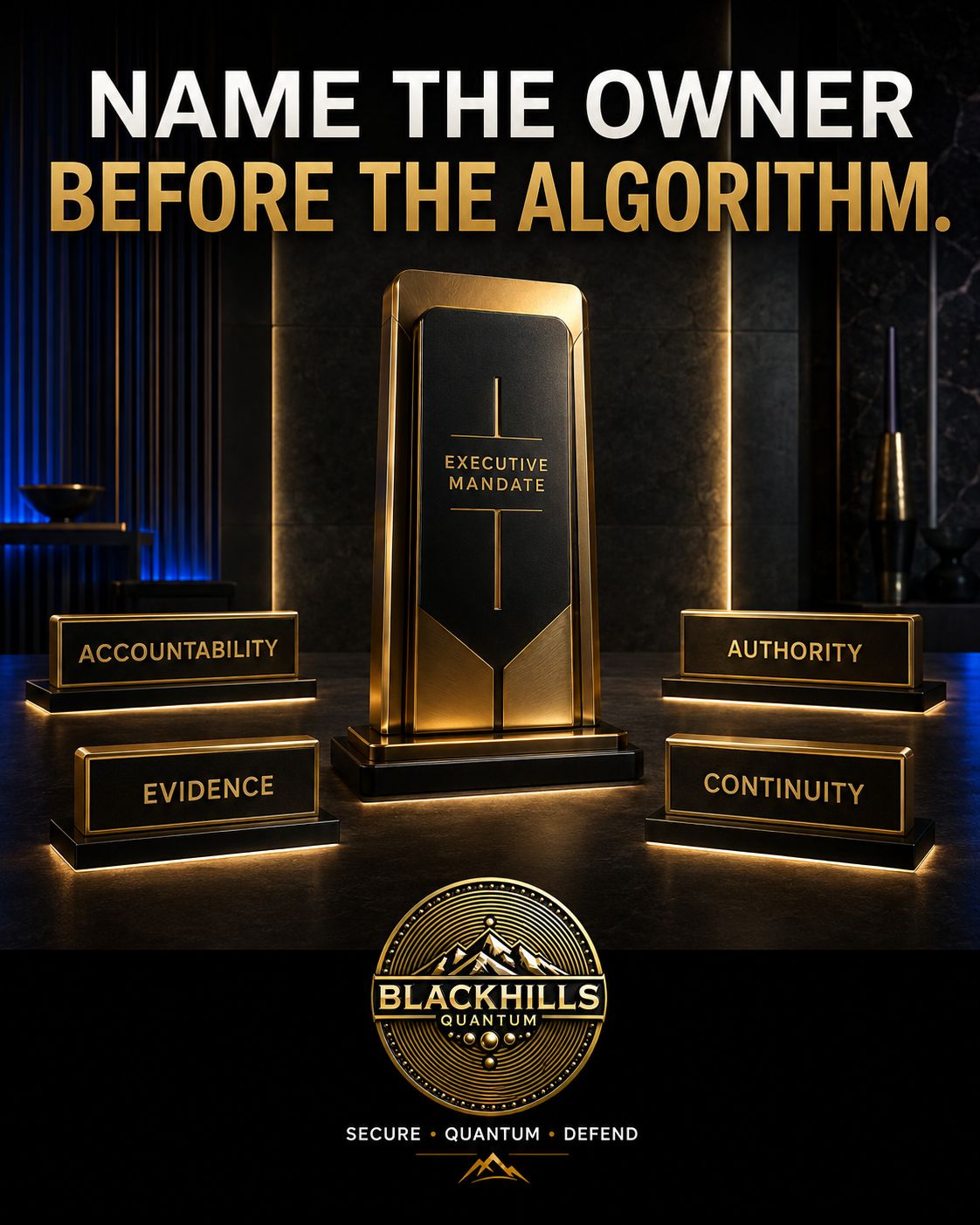
- NAME THE OWNER BEFORE YOU NAME THE ALGORITHM A cryptographic inventory can expose dependencies A standard can define approved algorithms A supplier can publish a release plan None of them can decide: - which business service moves first - which exposure is unacceptable - which supplier dependency must be escalated - who funds the change - who authorises fallback - who accepts residual risk - what evidence reaches the board That is why post-quantum transition is not only a cryptography programme It is a governance programme with
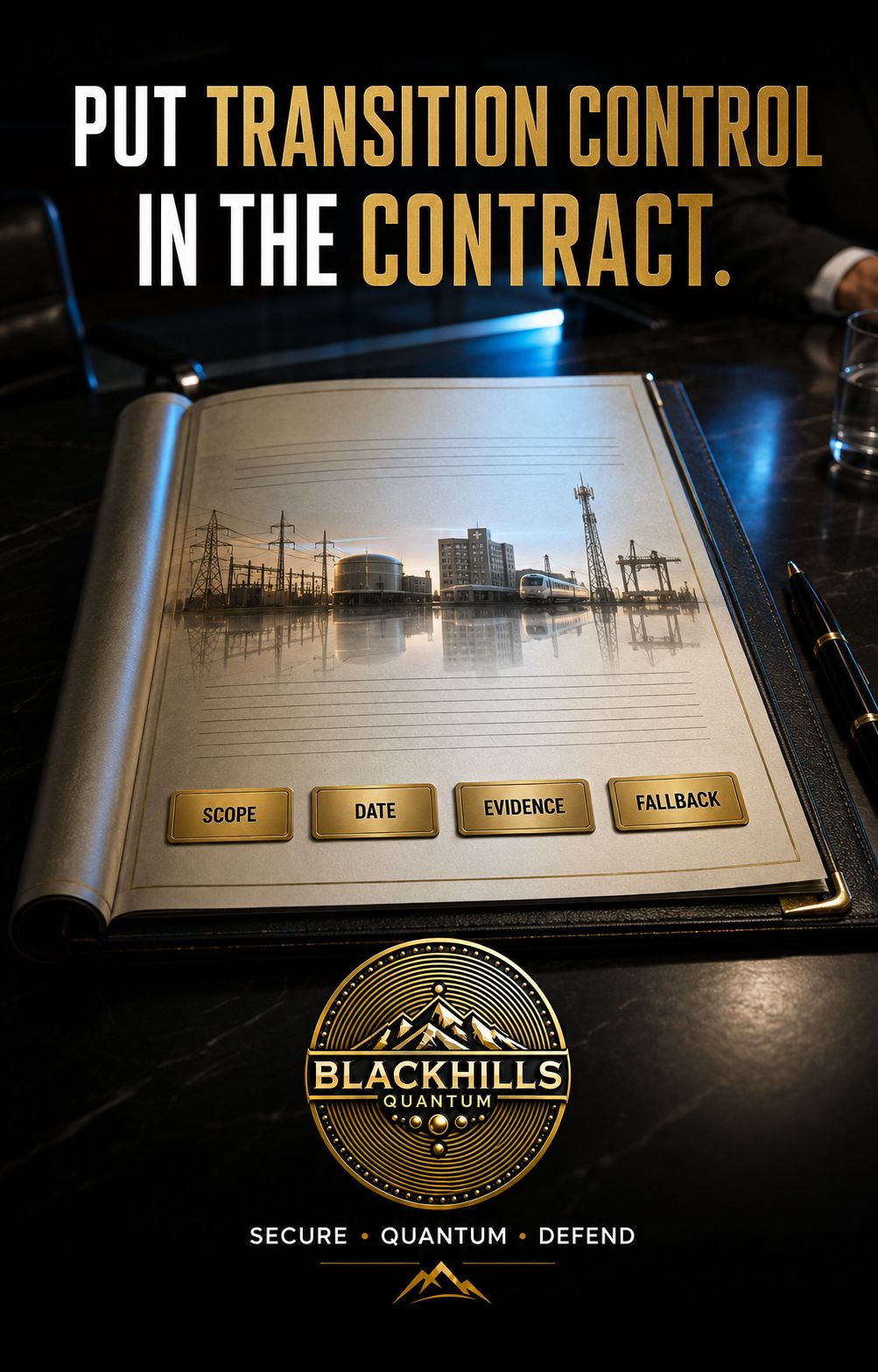
- EVERY 2026 TECHNOLOGY CONTRACT IS NOW A CRYPTOGRAPHIC DECISIONEurope expects Member States to begin the PQC transition by the end of 2026 That objective will not be achieved through policy papers alone It will be achieved - or missed - inside procurements, renewals and supplier negotiations A cloud, WAF, IAM, PKI, VPN, OT or embedded-system contract signed today may remain operational well beyond 2030 If its cryptography cannot be identified, changed and tested, the organisation is buying transition debt Before award, the buyer
- QUANTUM-SAFE IS NOT A PERMANENT STATE.It is an evidence-backed condition that must be maintained The withdrawal of HAWK after an AI-assisted vulnerability discovery demonstrates that cryptographic evaluation is working as intended It also exposes a critical enterprise reality An algorithm can be correctly assessed today and require reassessment tomorrow A supplier can be compliant at procurement and become a transition dependency later An inventory can be accurate when created and obsolete when the next decision is

Something wrong or missing? Send an update. Fixed within 24 hours.