
Overview
CollectiveUP is a team of international, multi-cultural members that brings initiatives benefiting individuals and communities. Their work supports collective upgrading of democracy and participatory practices using methods like sociocracy and agile collective decision-making, along with digital participatory platforms. They conduct research, comparative studies, and create technologies and methodologies for social impact.
Key people

In the news
- 𝟳𝟳% 𝗼𝗳 𝘁𝗵𝗲 𝘀𝘁𝘂𝗱𝗲𝗻𝘁𝘀 𝘀𝘂𝗿𝘃𝗲𝘆𝗲𝗱 𝗵𝗮𝗱 𝗻𝗲𝘃𝗲𝗿 𝘁𝗮𝗸𝗲𝗻 𝗽𝗮𝗿𝘁 𝗶𝗻 𝗮𝗻 𝗶𝗻𝘁𝗲𝗿𝗻𝗮𝘁𝗶𝗼𝗻𝗮𝗹 𝗮𝗰𝘁𝗶𝘃𝗶𝘁𝘆. 📊 215 students. The consortium's own baseline. And it explains the whole premise of one of our newest Erasmus+ projects. 🎓 Internationalisation in European higher education is, for most students, something other people do. Physical mobility is expensive; it asks for a confidence that is unevenly distributed, and it quietly selects for students who already have options. 🌍
- Most design projects work with one kind of intelligence: the human kind, in a room, holding pens. 🖊️ ✨ 𝗦𝗧𝗚 𝗗𝗡𝗔 proposes working with three at once. 🧠 𝗖𝗼𝗹𝗹𝗲𝗰𝘁𝗶𝘃𝗲 𝗶𝗻𝘁𝗲𝗹𝗹𝗶𝗴𝗲𝗻𝗰𝗲: what a group knows that no individual in it knows, surfaced through co-creation rather than assumed. 🌍 𝗘𝗻𝘃𝗶𝗿𝗼𝗻𝗺𝗲𝗻𝘁𝗮𝗹 𝗶𝗻𝘁𝗲𝗹𝗹𝗶𝗴𝗲𝗻𝗰𝗲: treating a damaged planet as an active participant in the brief, not a constraint written into the last paragraph. 🤖 𝗔𝗿𝘁𝗶𝗳𝗶𝗰𝗶𝗮𝗹 𝗶𝗻𝘁𝗲𝗹𝗹𝗶𝗴𝗲𝗻𝗰𝗲: a
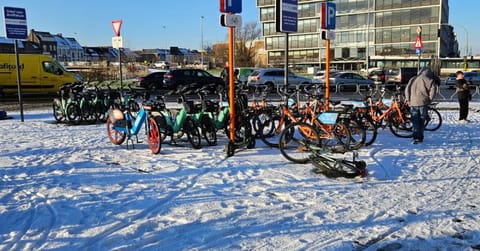
- 𝗣𝗲𝗼𝗽𝗹𝗲 𝘀𝘂𝗽𝗽𝗼𝗿𝘁 𝘀𝘂𝘀𝘁𝗮𝗶𝗻𝗮𝗯𝗹𝗲 𝗺𝗼𝗯𝗶𝗹𝗶𝘁𝘆 𝗶𝗻 𝗮 𝘁𝗵𝗼𝗿𝗼𝘂𝗴𝗵𝗹𝘆 𝗯𝗮𝗱 𝗺𝗼𝗼𝗱. 🤬 This may be the most useful thing we published this year. It comes from 𝗗𝟯.𝟮 — 𝗥𝗲𝗽𝗼𝗿𝘁 𝗼𝗻 𝟭𝟱𝗺𝗖 𝗱𝗶𝘀𝗰𝗼𝘂𝗿𝘀𝗲𝘀 𝗶𝗻 𝗲𝗮𝗰𝗵 𝗰𝗶𝘃𝗶𝗰 𝗹𝗮𝗯, which CollectiveUP led within CONIFER. 🔎 We analysed two public spheres side by side across six European cities. 109 local news articles, collected and coded by hand by partners in each city. Plus a large body of social media conversation from X and
- 𝗣𝗥𝗢𝗫𝗜𝗠𝗜𝗧𝗬 𝗜𝗦 𝗡𝗘𝗖𝗘𝗦𝗦𝗔𝗥𝗬. 𝗜𝗧 𝗜𝗦 𝗡𝗢𝗧 𝗦𝗨𝗙𝗙𝗜𝗖𝗜𝗘𝗡𝗧.That sentence should cost some urban planners quite a lot of money. 💡 It comes from CONIFER's new report, 𝗗𝟯.𝟭 — 𝗥𝗲𝗽𝗼𝗿𝘁 𝗼𝗻 𝟭𝟱𝗺𝗖 𝗣𝗲𝗿𝗰𝗲𝗽𝘁𝗶𝗼𝗻𝘀 𝗶𝗻 𝗘𝗮𝗰𝗵 𝗖𝗶𝘃𝗶𝗰 𝗟𝗮𝗯, now publicly available. 📘 🌍 𝗦𝗜𝗫 𝗖𝗜𝗧𝗜𝗘𝗦. 𝗢𝗡𝗘 𝗖𝗥𝗨𝗖𝗜𝗔𝗟 𝗤𝗨𝗘𝗦𝗧𝗜𝗢𝗡. We asked children and young people in Brussels 🇧🇪, Budapest 🇭🇺, Cologne 🇩🇪, Ghent/Kortrijk 🇧🇪, Matosinhos 🇵🇹 and Toruń 🇵🇱 how they actually experience
- 𝗦𝗮𝗺𝗲 𝘁𝗮𝘀𝗸. 𝗦𝗮𝗺𝗲 𝗰𝗹𝗼𝗰𝗸. 𝗗𝗶𝗳𝗳𝗲𝗿𝗲𝗻𝘁 𝘀𝗰𝗼𝗿𝗲𝗯𝗼𝗮𝗿𝗱. That's the whole intervention, and I want to make a methodological claim about it that might be uncomfortable. 📋 𝗧𝗵𝗲 𝘀𝗵𝗼𝘄𝗰𝗮𝘀𝗲 𝘄𝗲 𝗿𝗮𝗻 𝗼𝗻 𝗧𝘂𝗲𝘀𝗱𝗮𝘆 𝗽𝗿𝗼𝗱𝘂𝗰𝗲𝗱 𝘁𝗵𝗲 𝘀𝗮𝗺𝗲 𝗲𝘃𝗶𝗱𝗲𝗻𝗰𝗲 𝗮 𝗰𝗼𝗺𝗽𝗲𝘁𝗶𝘁𝗶𝗼𝗻 𝘄𝗼𝘂𝗹𝗱 𝗵𝗮𝘃𝗲 𝗽𝗿𝗼𝗱𝘂𝗰𝗲𝗱. We still saw who can hold a sequence of steps under time pressure. Who recovers when something goes wrong at minute 80. Who checks their own work before saying they're
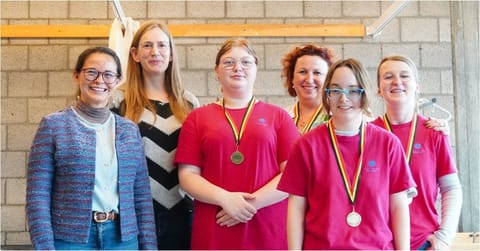
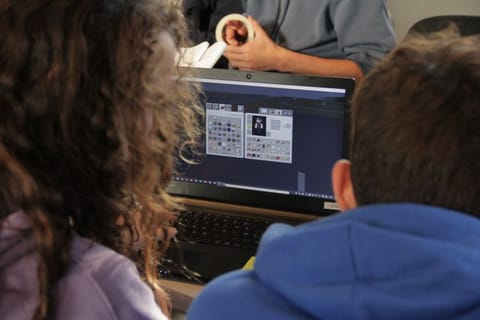
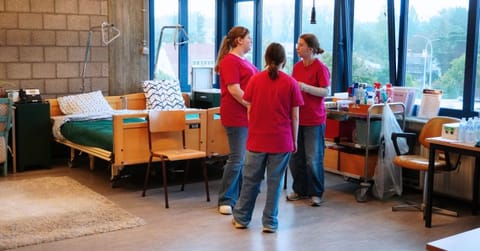
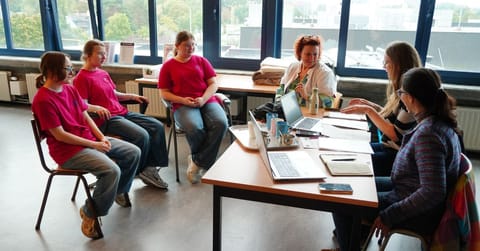
- 𝗧𝗵𝗲𝗿𝗲'𝘀 𝗮 𝗿𝗲𝗳𝗹𝗲𝘅 𝗶𝗻 𝗶𝗻𝗰𝗹𝘂𝘀𝗶𝗼𝗻 𝘄𝗼𝗿𝗸 𝘁𝗵𝗮𝘁 𝘀𝗮𝘆𝘀: 𝗺𝗮𝗸𝗲 𝗶𝘁 𝗴𝗲𝗻𝘁𝗹𝗲𝗿, 𝗹𝗼𝘄𝗲𝗿 𝘁𝗵𝗲 𝗯𝗮𝗿, 𝗹𝗲𝘁 𝗲𝘃𝗲𝗿𝘆𝗼𝗻𝗲 𝗳𝗲𝗲𝗹 𝗴𝗼𝗼𝗱. That reflex is condescending, and young people can smell it from the corridor. 🚪 Today at Instituut Bert Carlier in Ghent we're running a Skills+ 3.0 toonmoment, a showcase rather than a competition: two teams, seven pupils, each team with its buddy. One takes on cooking. One takes on housekeeping: preparing a room to a professional standard, the skill
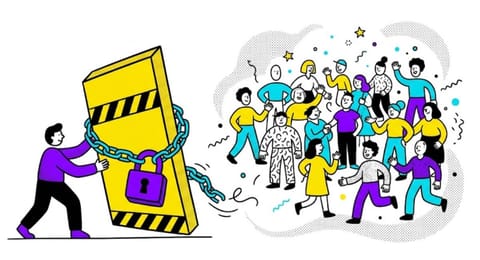
- 𝗦𝗵𝗼𝘂𝗹𝗱𝗻'𝘁 𝗶𝘁 𝗯𝗲 𝗼𝗽𝗲𝗻 𝘁𝗼 𝗲𝘃𝗲𝗿𝘆𝗼𝗻𝗲? It's the first question every time, and it deserves a straight answer rather than a defensive one. 🧵 𝗘𝘃𝗲𝗿𝘆𝘁𝗵𝗶𝗻𝗴 𝘀𝗵𝗼𝘂𝗹𝗱 𝗯𝗲 𝗼𝗽𝗲𝗻 𝘁𝗼 𝗲𝘃𝗲𝗿𝘆𝗼𝗻𝗲. 𝗧𝗵𝗮𝘁 𝗶𝘀 𝗽𝗿𝗲𝗰𝗶𝘀𝗲𝗹𝘆 𝘁𝗵𝗲 𝗽𝗿𝗼𝗯𝗹𝗲𝗺. "Open to everyone" is how you reproduce the existing distribution, because the people who already feel entitled to the room walk into it, and the people who don't, don't. The invitation is universal; the sense of permission is not.
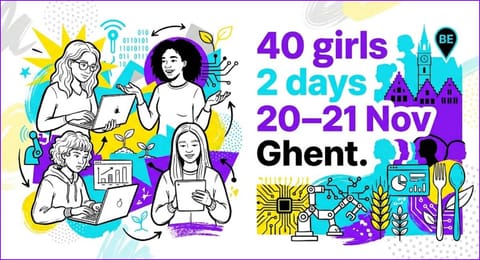
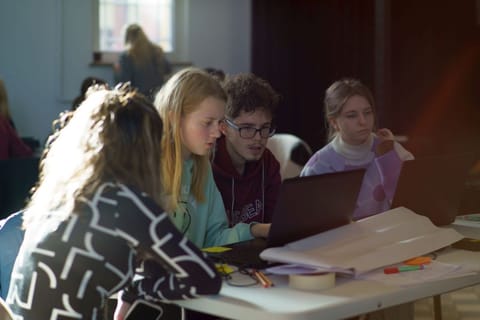
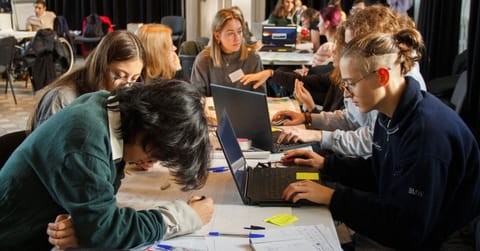
- 𝗛𝗮𝗹𝗳 𝘁𝗵𝗲 𝗘𝘂𝗿𝗼𝗽𝗲𝗮𝗻 𝘄𝗼𝗿𝗸𝗳𝗼𝗿𝗰𝗲. 𝗔 𝘀𝘁𝘂𝗯𝗯𝗼𝗿𝗻𝗹𝘆 𝘀𝗺𝗮𝗹𝗹 𝗳𝗿𝗮𝗰𝘁𝗶𝗼𝗻 𝗼𝗳 𝘁𝗵𝗲 𝗽𝗲𝗼𝗽𝗹𝗲 𝗱𝗲𝘀𝗶𝗴𝗻𝗶𝗻𝗴 𝘁𝗵𝗲 𝘁𝗲𝗰𝗵𝗻𝗼𝗹𝗼𝗴𝘆 that decides how food gets grown, moved, stored and sold. 🇪🇺 Not because fifteen-year-old girls find food systems, sensors and data uninteresting. Because by the time anyone asks them, 𝘁𝗵𝗲𝘆 𝗵𝗮𝘃𝗲 𝘂𝘀𝘂𝗮𝗹𝗹𝘆 𝗮𝗹𝗿𝗲𝗮𝗱𝘆 𝗯𝗲𝗲𝗻 𝘁𝗼𝗹𝗱 — 𝗶𝗻 𝗮 𝗵𝘂𝗻𝗱𝗿𝗲𝗱 𝘀𝗺𝗮𝗹𝗹 𝘄𝗮𝘆𝘀 — 𝘁𝗵𝗮𝘁 𝘁𝗵𝗶𝘀 𝗶𝘀 𝗻𝗼𝘁 𝘁𝗵𝗲𝗶𝗿 𝗿𝗼𝗼𝗺.


Related profiles
Something wrong or missing? Send an update. Fixed within 24 hours.