
Overview
Cronos ESG combines diverse skills and expertise to support businesses throughout their sustainability journey. The company offers services including baseline establishment through stakeholder engagement and double materiality assessment, as well as goal setting and strategic planning phases to help organizations meet regulatory requirements and establish key sustainability metrics.
In the news
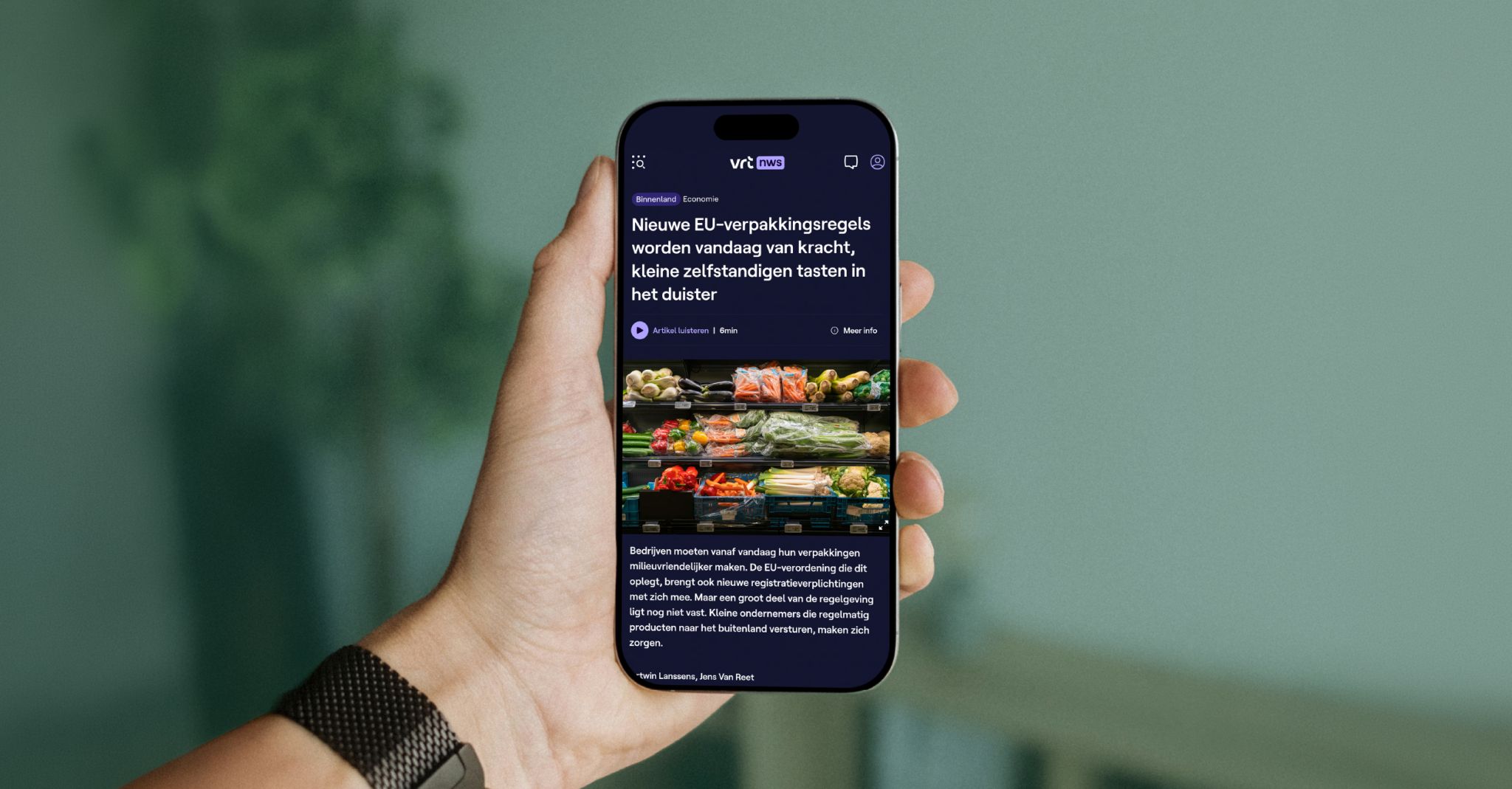
- The new 𝗣𝗣𝗪𝗥 𝗱𝗲𝗮𝗱𝗹𝗶𝗻𝗲𝘀 caused a bit of panic. And understandably so. New EU rules, unclear obligations, and plenty of noise about what companies supposedly need to do right now. 🤷♀️ Since August 12th, some requirements are already in effect, including the 𝘋𝘦𝘤𝘭𝘢𝘳𝘢𝘵𝘪𝘰𝘯 𝘰𝘧 𝘊𝘰𝘯𝘧𝘰𝘳𝘮𝘪𝘵𝘺 and stricter limits on substances such as PFAS, lead, and mercury in food packaging. The rest, reusable containers, full recyclability, still has a few years to go. That doesn’t mean you can ignore them until the
- AI and sustainability. Put those two words together in a meeting, and you’ll usually get a few sceptical looks. AI models need a lot of energy to run, so how could technology like that actually support sustainability? 🤔 What some people fail to realise is that we can also use AI to eliminate the waste in our daily operations: unnecessary manual work, paper printouts, redundant travel, and wasted time. That’s what happened when the experts at Numble helped a major European fashion retailer. By replacing a paper-heavy workflow

- Everyone loves a good software demo. The dashboard looks clean, the charts are colourful, and it feels like all your worries will disappear with a single subscription. 🪄 But then you start implementing, and reality hits. Suddenly it turns out that feature A is missing, B doesn’t work as expected, and C is locked behind a premium edition. 𝗪𝗵𝗮𝘁 𝗱𝗼 𝘆𝗼𝘂 𝗱𝗼 𝘁𝗼 𝗮𝘃𝗼𝗶𝗱 𝘁𝗵𝗶𝘀? Research, research, research. Instead of just looking at the features of your ESG software candidate, 𝗰𝗼𝗺𝗽𝗮𝗿𝗲 𝗶𝘁 𝘁𝗼 𝗵𝗼𝘄 𝘆𝗼𝘂𝗿
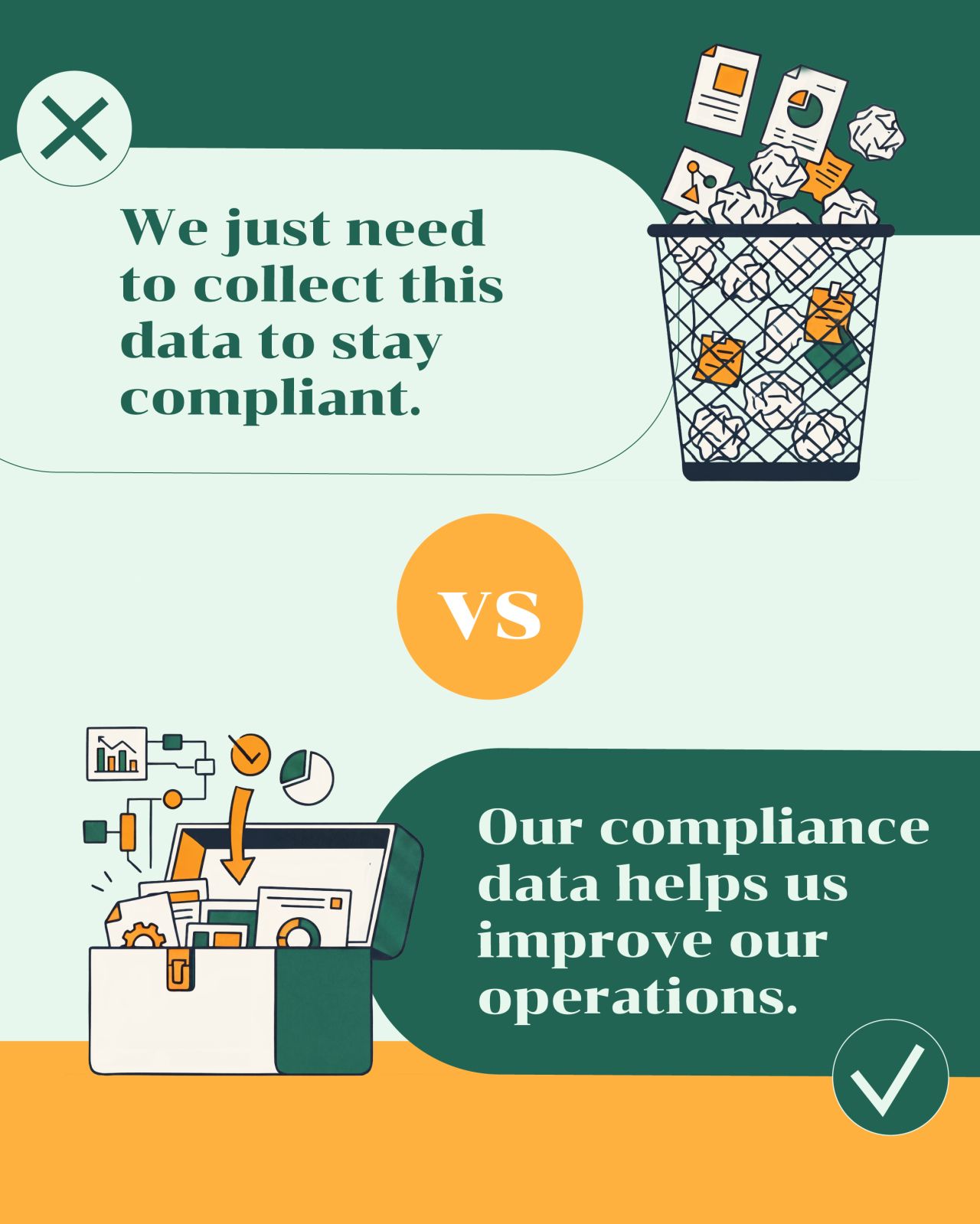
- Some people view ESG regulations as just another mandatory box to check. An expensive administrative chore that you only do because you have to. But looking at compliance as the final goal is a missed opportunity. A pretty big one at that. 🤷♀️ The real value of ESG isn’t in the certificate you get at the end of an audit, but in the data you had to collect to get there. That’s why you should look at sustainability reporting as a 𝗱𝗮𝘁𝗮 𝗲𝘅𝗲𝗿𝗰𝗶𝘀𝗲. Instead of just collecting the data, analyse it! 𝗧𝗿𝘆 𝘁𝗼 𝘀𝗲𝗲
- With the next wave of 𝗣𝗮𝗰𝗸𝗮𝗴𝗶𝗻𝗴 𝗮𝗻𝗱 𝗣𝗮𝗰𝗸𝗮𝗴𝗶𝗻𝗴 𝗪𝗮𝘀𝘁𝗲 𝗥𝗲𝗴𝘂𝗹𝗮𝘁𝗶𝗼𝗻 (𝗣𝗣𝗪𝗥) deadlines hitting, we’re seeing a lot of manufacturers focus on the 𝘄𝗵𝗮𝘁: 👉 What chemicals are in this ink? 👉 What is the exact recycled content of this cardboard? 👉 What data do we need to prove compliance? The regulation does a great job of giving you a shopping list of data points to collect. 😉 But it doesn’t make it clear 𝗵𝗼𝘄 you’re supposed to manage, store, and share all that information. That’s where
- Another great year at Antwerp Pride! 🏳️🌈 When we talk about ESG, it’s easy to get entirely focused on the ‘E' of ‘environmental’. Of course, counting carbon emissions, tracking waste, and filling out compliance forms are important. But it’s worth remembering that the 'S' of 'social’ matters just as much! Real sustainability starts with 𝗽𝗲𝗼𝗽𝗹𝗲. That’s why a strong ESG strategy goes way beyond spreadsheets and audits. It’s about the human side of your organisation: inclusion, well-being, and building a workplace where

- Slapping a band-aid on a leaking bucket is fine if you only need it to hold water for a few seconds. But it's not exactly a long-term strategy. 😅 Trying to solve your ESG data challenges with an annual sustainability report is pretty much the same. Every year, companies spend weeks collecting data in a massive PDF, hit publish, and… completely ignore the data until the next cycle hits. Not exactly logical, is it? Why spend all that time gathering data, if you’re not going to use it to improve? An ESG report shouldn’t be your
- ESG is no longer a side project. It’s a 𝗰𝗼𝗿𝗲 𝗯𝘂𝘀𝗶𝗻𝗲𝘀𝘀 𝗰𝗮𝗽𝗮𝗯𝗶𝗹𝗶𝘁𝘆. But let’s be honest: the puzzle has become 𝗶𝗻𝗰𝗿𝗲𝗱𝗶𝗯𝗹𝘆 𝗰𝗼𝗺𝗽𝗹𝗲𝘅. 🧩 When we talk to organisations, we hear the same challenges time and again. Regulations are evolving rapidly, data is scattered across different departments, and it’s simply too much for a single person, or a traditional consultancy to handle. After all, ESG touches every corner of your business, from finance and HR to IT and supply chain logistics. That’s

Something wrong or missing? Send an update. Fixed within 24 hours.