
Overview
Diabetotech is a nonprofit, EACCME-accredited organization offering peer-reviewed courses on diabetes technology including CGM systems, insulin pumps, automated insulin delivery systems, and smart pens. The platform serves 3700+ healthcare professionals and people with diabetes across 5 languages, with content reviewed by 28 independent experts.
Key people

In the news
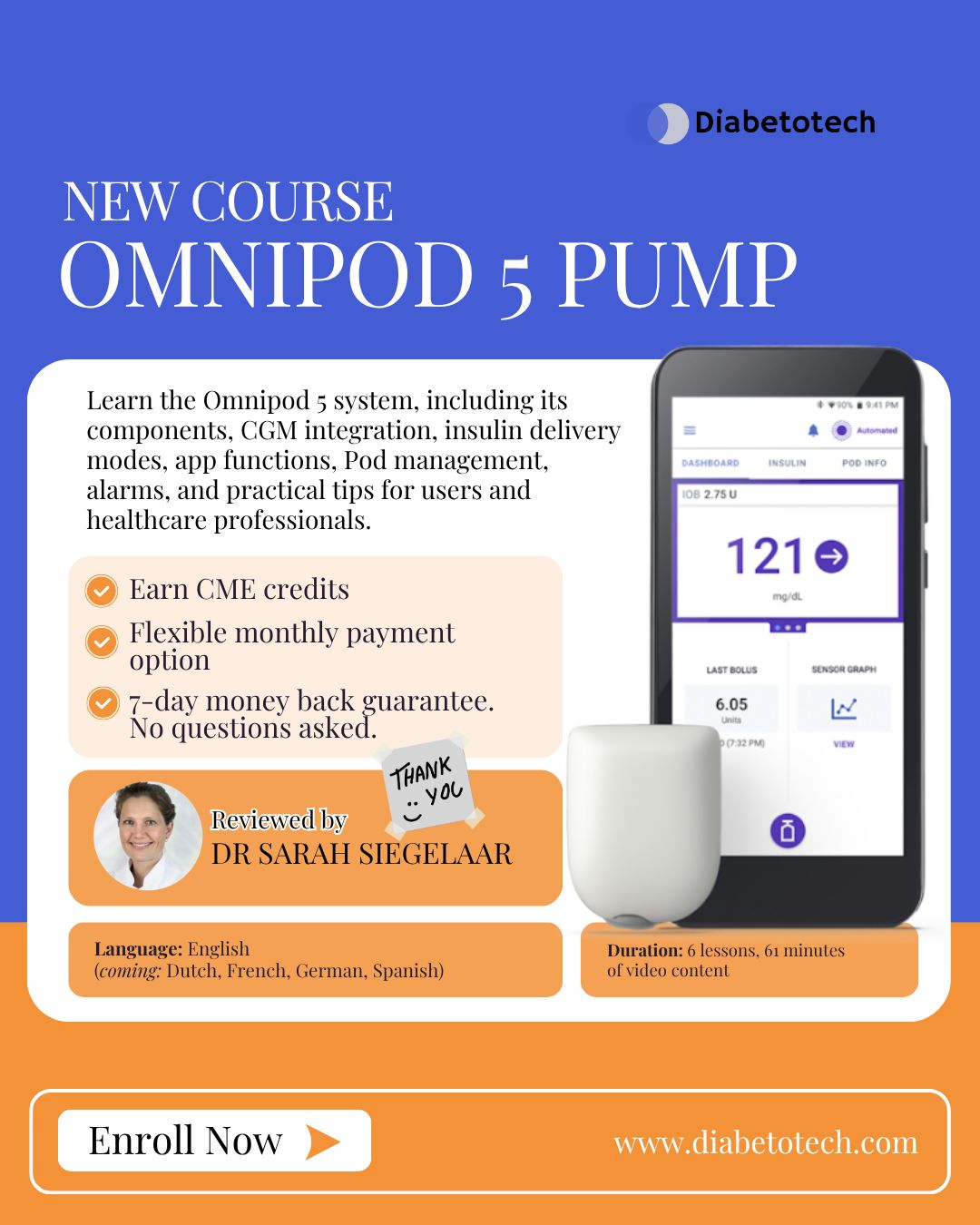
- 𝐍𝐄𝐖 𝐂𝐎𝐔𝐑𝐒𝐄: 𝐎𝐦𝐧𝐢𝐩𝐨𝐝 𝟓 𝐏𝐮𝐦𝐩 Want to learn how to use the Omnipod 5 system in practice? Our new 𝐎𝐦𝐧𝐢𝐩𝐨𝐝 𝟓 𝐏𝐮𝐦𝐩 course is now available on Diabetotech! 🎉 The course helps healthcare professionals and people living with diabetes understand the practical use of the system, including: 🔹 Navigating the Omnipod 5 app 🔹 Programming insulin-delivery settings 🔹 Activating and changing the Pod 🔹 Responding to system alerts 🔹 Managing the system in daily life 🎓 𝐓𝐡𝐞 𝐟𝐢𝐫𝐬𝐭 𝐭𝐰𝐨 𝐥𝐞𝐬𝐬𝐨𝐧𝐬
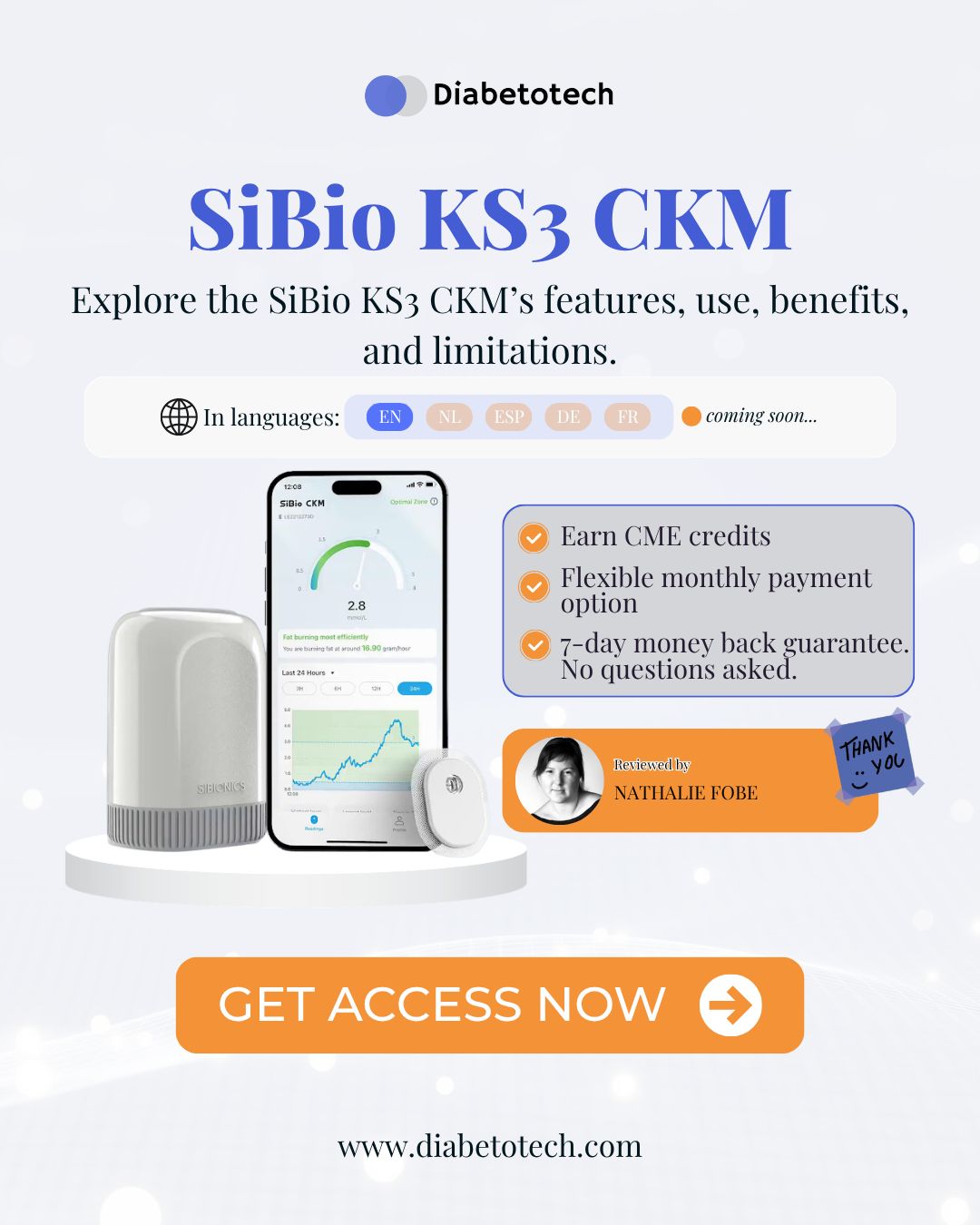
- 𝐍𝐄𝐖 𝐂𝐎𝐔𝐑𝐒𝐄: 𝐒𝐢𝐁𝐢𝐨 𝐊𝐒𝟑 𝐂𝐨𝐧𝐭𝐢𝐧𝐮𝐨𝐮𝐬 𝐊𝐞𝐭𝐨𝐧𝐞 𝐌𝐨𝐧𝐢𝐭𝐨𝐫 What is continuous ketone monitoring—and what can it tell you? Our new course explores the 𝐒𝐢𝐁𝐢𝐨 𝐊𝐒𝟑 𝐂𝐨𝐧𝐭𝐢𝐧𝐮𝐨𝐮𝐬 𝐊𝐞𝐭𝐨𝐧𝐞 𝐌𝐨𝐧𝐢𝐭𝐨𝐫, covering: 🔹 Sensor setup and daily use 🔹 How to monitor and interpret ketone readings 🔹 Potential benefits and applications 🔹 Important limitations to consider The course provides practical, objective information for healthcare professionals and anyone interested in better
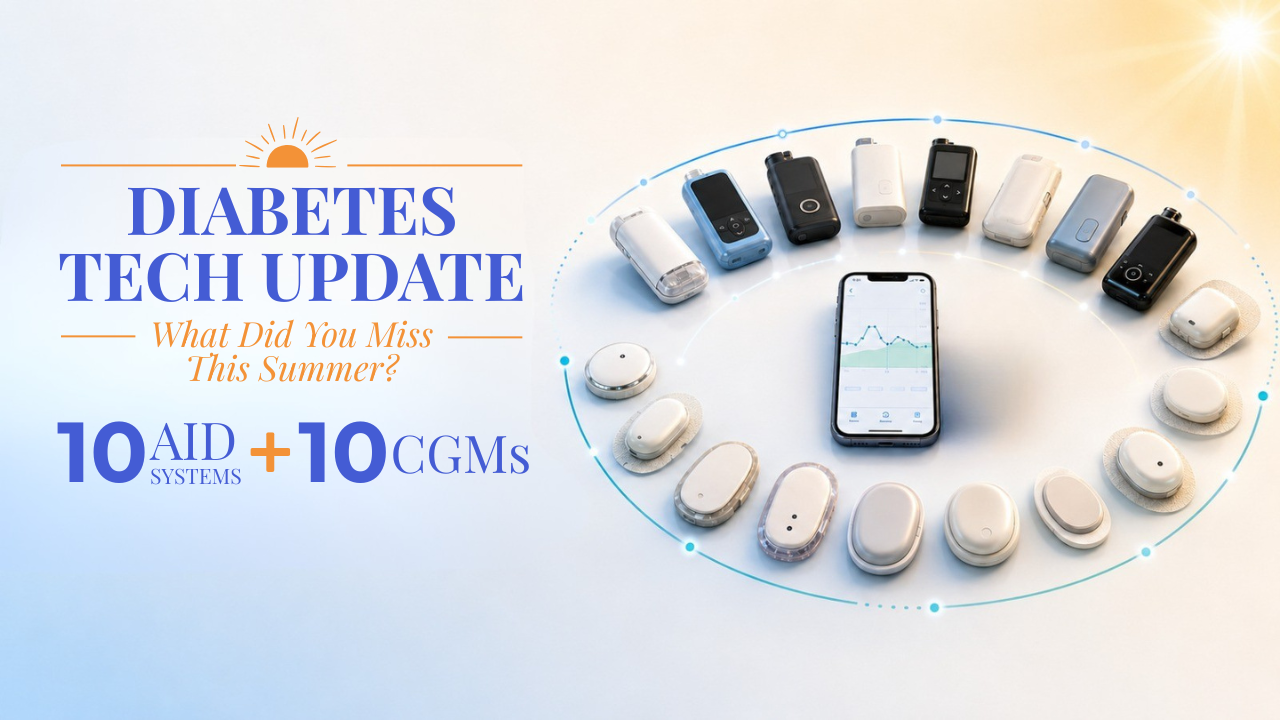
- Diabetes technology definitely didn’t take a summer break. While many of us were slowing down, the diabetes tech world kept moving: new insulin pumps, new CGMs, expanded integrations, software updates, patch pumps, and increasingly AI-powered glucose insights. Here’s some of what you may have missed: 🔹 The latest plans for MiniMed Flex and MiniMed Fit 🔹 The upcoming European launch of Tandem Mobi 🔹 New FreeStyle Libre 3 Plus integrations 🔹 The launch of Libre Duo, the combined glucose and ketone sensor 🔹 The next-generation
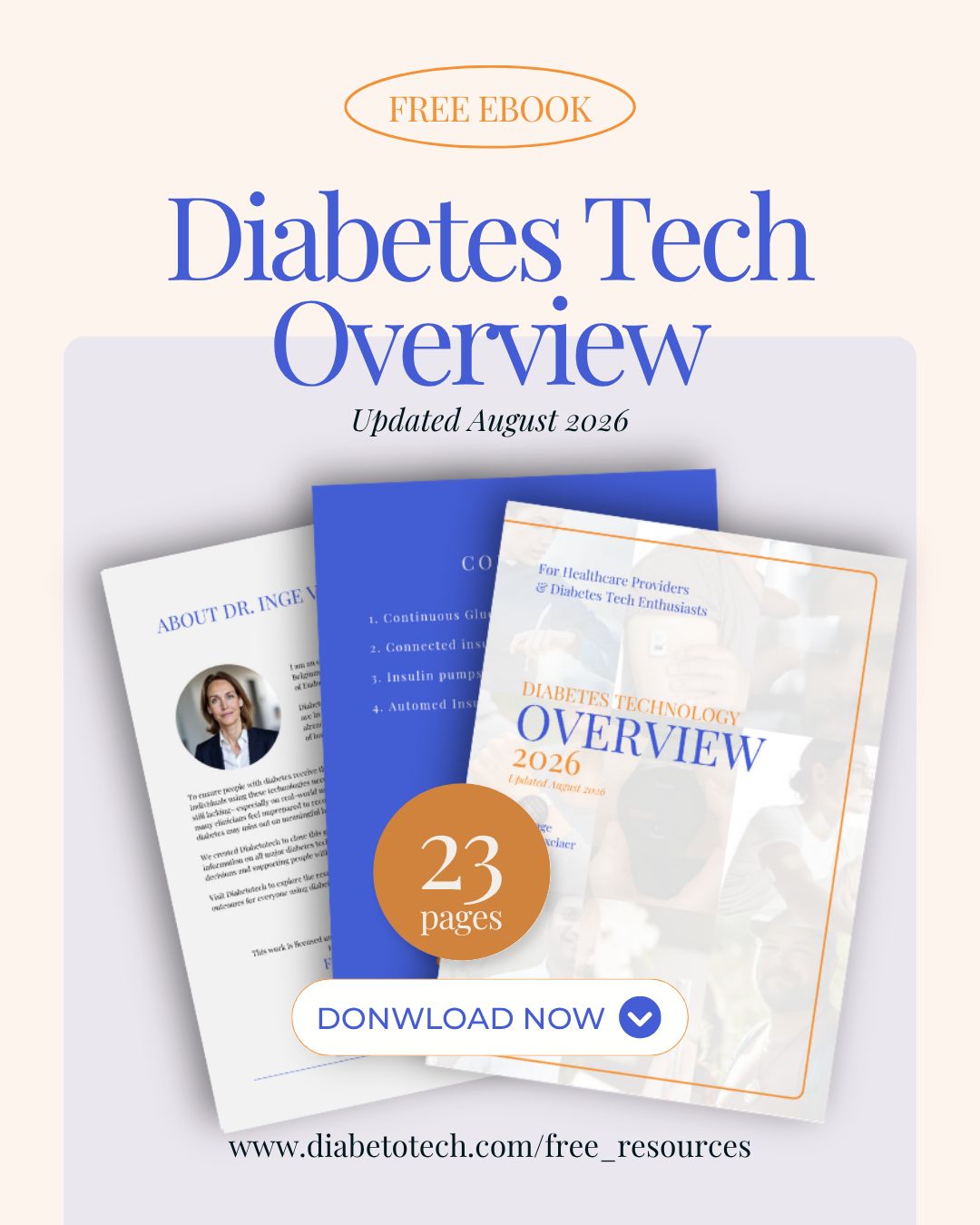
- Diabetes technology is evolving fast. Our 𝐂𝐨𝐦𝐩𝐥𝐞𝐭𝐞 𝐃𝐢𝐚𝐛𝐞𝐭𝐞𝐬 𝐓𝐞𝐜𝐡𝐧𝐨𝐥𝐨𝐠𝐲 𝐎𝐯𝐞𝐫𝐯𝐢𝐞𝐰 has just been updated to help you keep track of what’s available today — and what’s coming next. This 𝟐𝟑-𝐩𝐚𝐠𝐞 𝐞-𝐛𝐨𝐨𝐤 brings together key specifications and practical comparisons across: ✅ Continuous glucose monitoring (CGM) systems ✅ Smart insulin pens and connected insulin technology ✅ Insulin pumps ✅ Automated Insulin Delivery (AID) systems ✅ Current and upcoming technologies ✅ Easy-to-use comparison tables
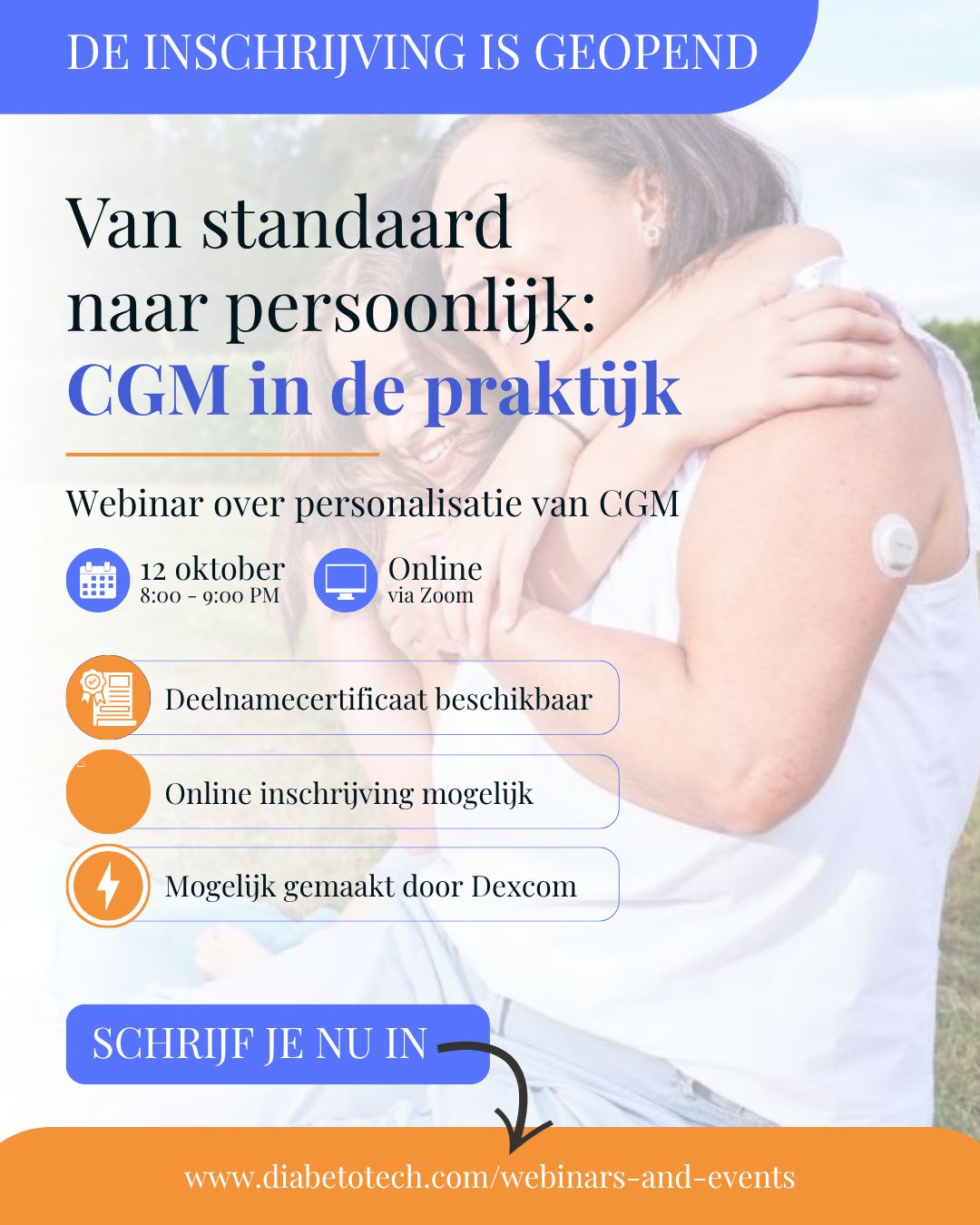
- De inschrijving is geopend! Neem deel aan het komende webinar - Van standaard naar persoonlijk: CGM in de praktijk 📅 October 12, 2026 ⏰ 8:00–9:00 PM CEST 💻 Online Webinar Ontdek hoe gepersonaliseerde CGM-instellingen – waaronder glucosestreefwaarden, waarschuwingen en gegevensinterpretatie – kunnen bijdragen aan betere klinische beslissingen die op elke patiënt zijn afgestemd. ✅ Praktische inzichten ✅ Deelnamecertificaat beschikbaar ✅ Online aanmelding Mis deze kans niet om je kennis over CGM en personalisatie te verdiepen. 👉
- Need a quick way to compare Automated Insulin Delivery (AID) systems? Our AID Systems Quick Reference Cheatsheet gives you a clear, side-by-side look at the 12 available AID systems — so you can quickly find the key information you need without going through pages of technical details. Inside, you’ll find: ✓ Key features & specifications ✓ Compatibility requirements ✓ Side-by-side comparisons ✓ A quick reference for consultations and decision-making 📥 Want the complete 19-page cheatsheet? Download the full version on our
- The AI in Diabetes Care Course Is 𝐍𝐨𝐰 𝐀𝐯𝐚𝐢𝐥𝐚𝐛𝐥𝐞 𝐢𝐧 𝐀𝐥𝐥 5 𝐋𝐚𝐧𝐠𝐮𝐚𝐠𝐞𝐬! Learn how artificial intelligence is transforming diabetes care - from early detection and patient monitoring to personalized treatment and better health outcomes. Access the course in your preferred language and learn anytime, wherever you are. 👉 Visit our website and get your access now! A sincere thank you to Roche Diagnostics for making this educational initiative possible through an unrestricted educational grant. We would
- Hospitals are increasingly adopting diabetes technology—but technology alone is not enough. Continuous glucose monitoring (CGM), insulin pumps, and automated insulin delivery (AID) have the potential to improve inpatient diabetes care. Yet successful implementation depends on far more than the devices themselves. Our latest article explores: • What the current evidence really shows for CGM and AID in hospital • Why protocols, staff training, and clear responsibilities matter • When patients should be involved in managing their own

Something wrong or missing? Send an update. Fixed within 24 hours.