
Overview
Discovery Studio is an independent biotech and medtech accelerator that provides therapeutic relevance assessment, proof of concept validation, program prioritization, and assay development. The platform serves biotech, medtech, venture capital, tech transfer offices, research institutes, and pharma companies, with capabilities in omics, bioinformatics, cellular and molecular wetlab technologies, and drug development analytics.
In the news
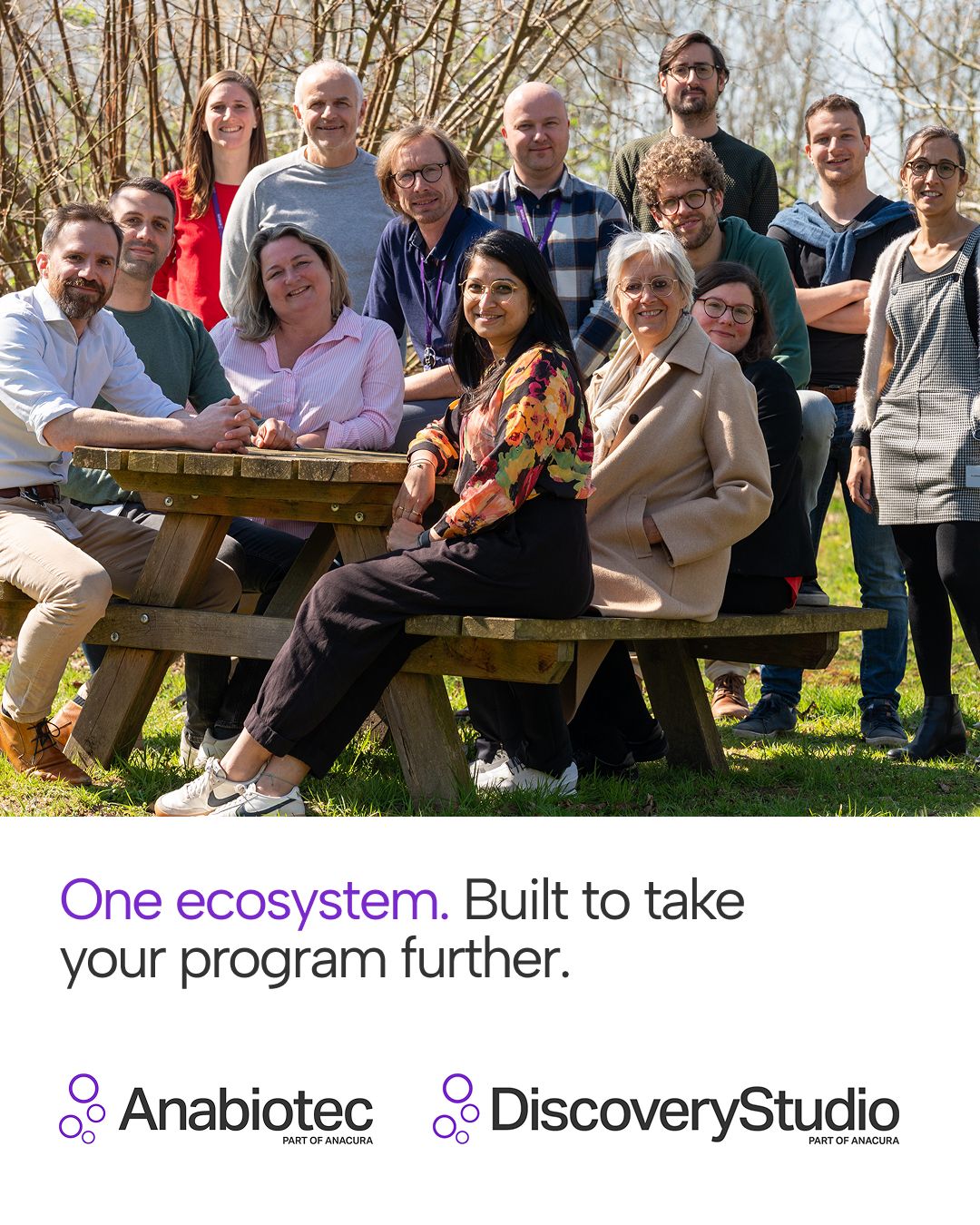
- 𝗙𝗿𝗼𝗺 𝗯𝗶𝗼𝗹𝗼𝗴𝗶𝗰𝗮𝗹 𝗶𝗻𝘀𝗶𝗴𝗵𝘁 𝘁𝗼 𝗿𝗲𝗴𝘂𝗹𝗮𝘁𝗼𝗿𝘆-𝗿𝗲𝗮𝗱𝘆 𝗮𝗻𝗮𝗹𝘆𝘁𝗶𝗰𝗮𝗹 𝗱𝗮𝘁𝗮. 𝗧𝗵𝗮𝘁'𝘀 𝘄𝗵𝗮𝘁 𝘁𝗵𝗲 𝗗𝗶𝘀𝗰𝗼𝘃𝗲𝗿𝘆 𝗦𝘁𝘂𝗱𝗶𝗼 𝗮𝗻𝗱 𝗔𝗻𝗮𝗯𝗶𝗼𝘁𝗲𝗰 𝗽𝗮𝗿𝘁𝗻𝗲𝗿𝘀𝗵𝗶𝗽 𝗱𝗲𝗹𝗶𝘃𝗲𝗿𝘀. At Discovery Studio, we help biotech and medtech startups build the biological foundation for their program, from target validation and assay development to translational research and preclinical support. Our sister unit Anabiotec takes it from there. With 25+ years of experience in CMC
- Moving a program to the next development stage is one of the most consequential decisions a biotech team makes. It is also one of the most frequently made too early. Here are three signals that the biology may not be ready yet: 🔹𝗥𝗲𝘀𝘂𝗹𝘁𝘀 𝗵𝗼𝗹𝗱 𝗶𝗻 𝗼𝗻𝗲 𝗺𝗼𝗱𝗲𝗹 𝗯𝘂𝘁 𝗻𝗼𝘁 𝗶𝗻 𝗼𝘁𝗵𝗲𝗿𝘀. Reproducibility across assay systems and cell models is a basic requirement for translational confidence. Consistent effects in a single system are promising. Consistent effects across multiple orthogonal systems are meaningful.
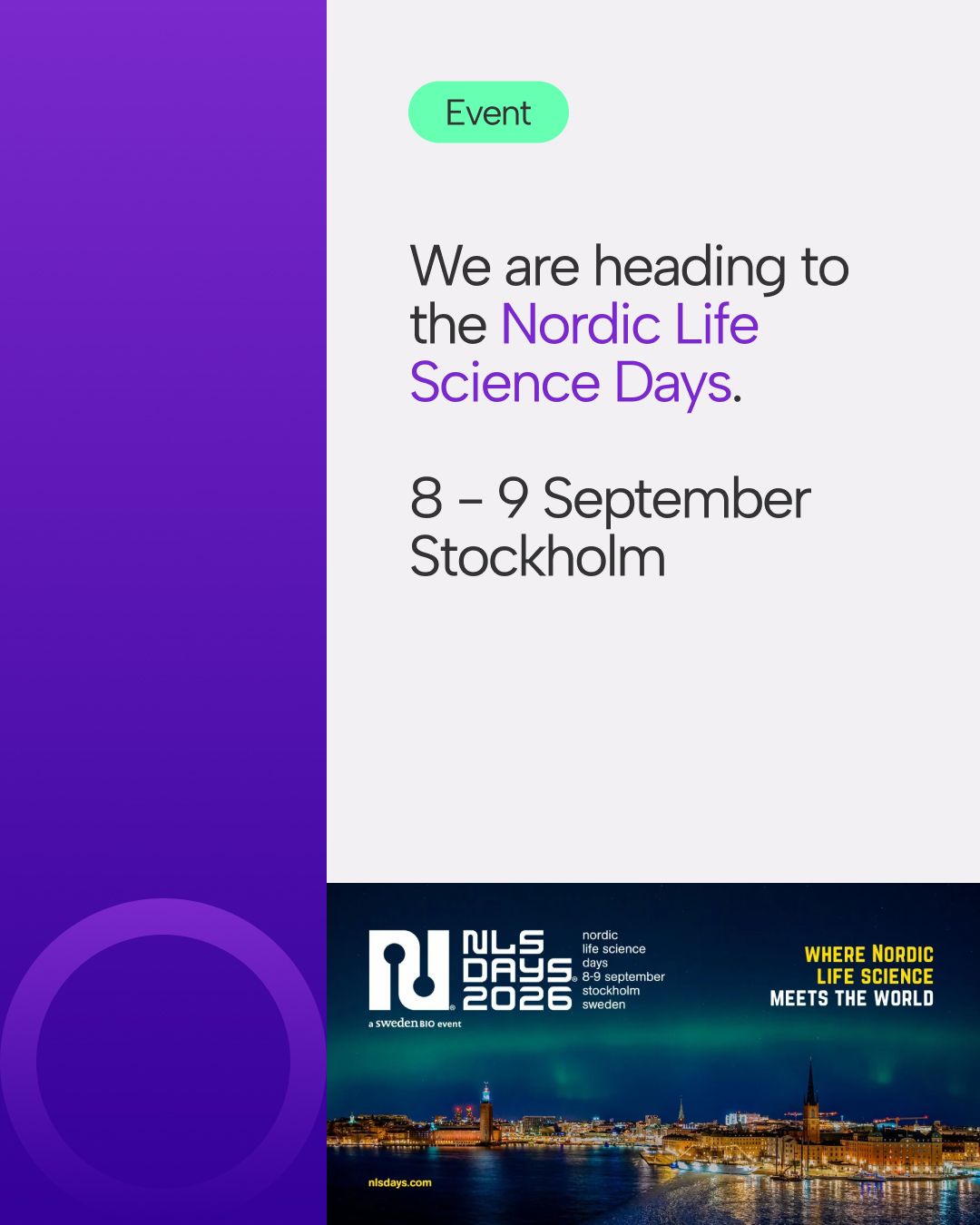
- 𝗪𝗲'𝗿𝗲 𝗶𝗻 𝗦𝘁𝗼𝗰𝗸𝗵𝗼𝗹𝗺. 𝗖𝗼𝗺𝗲 𝗳𝗶𝗻𝗱 𝘂𝘀. Nordic Life Science Days is bringing together some of the sharpest minds in life science, and we're here for it. If you're a biotech or medtech startup looking for a partner to help accelerate your science, today is a good day to talk. We're on the floor both days. Drop us a message or come say hi. 📍 Stockholm, Sweden - Booth D:11 📅 September 8-9, 2026 #NLSDays #NordicLifeScience #Biotech #Medtech #LifeSciences
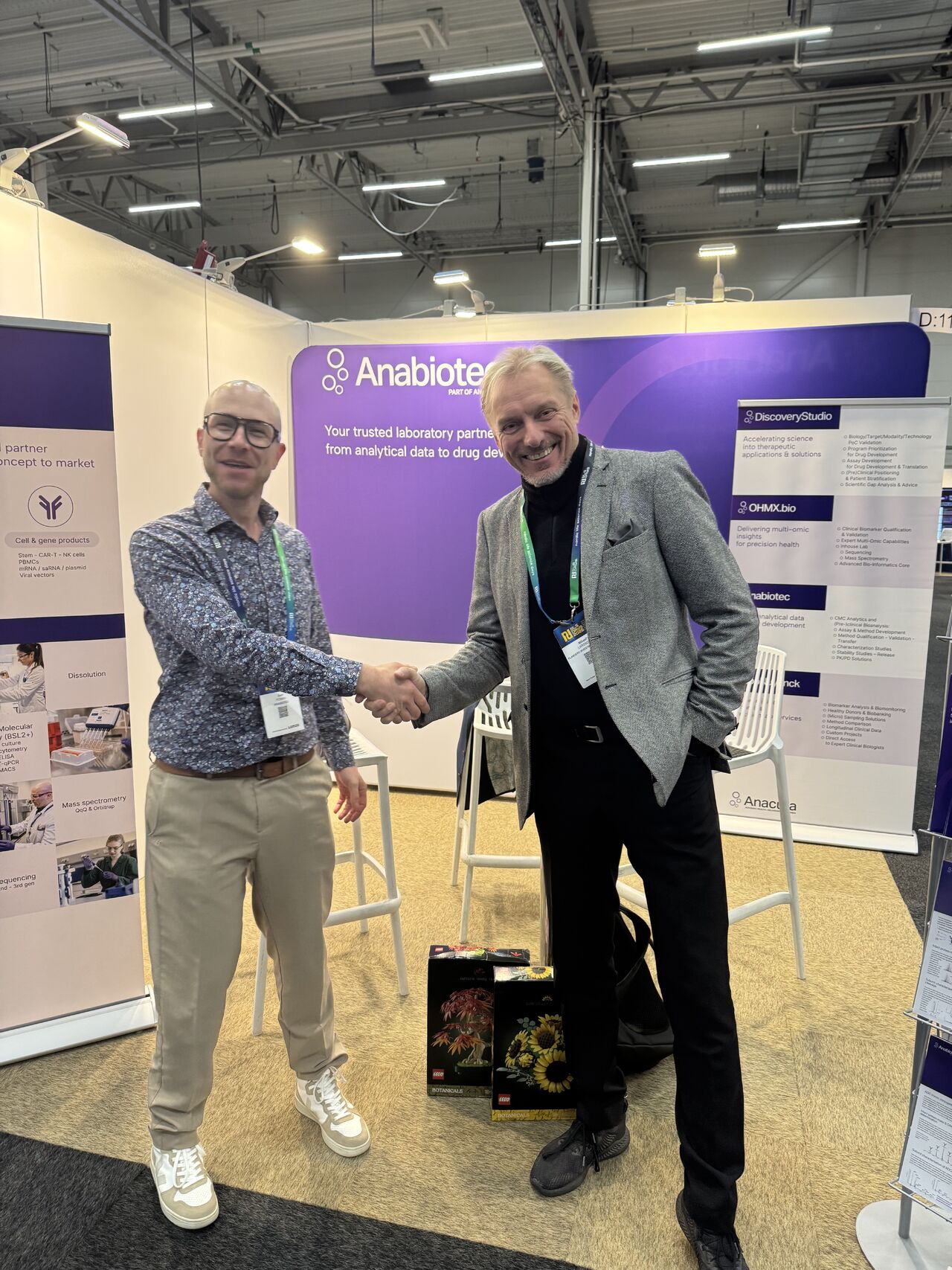
- 𝗪𝗲'𝗿𝗲 𝗵𝗲𝗮𝗱𝗶𝗻𝗴 𝘁𝗼 𝗦𝘁𝗼𝗰𝗸𝗵𝗼𝗹𝗺. On September 8-9, the Discovery Studio team will be at Nordic Life Science Days, one of Europe's premier life science partnering events, bringing together biotechs, medtechs, investors, and pharma leaders from across the globe. If you're a biotech or medtech startup looking for a scientific partner to help move your program forward, we'd love to connect. Koen Iterbeke and Bart Roman from our team will be attending at booth D:11. Feel free to reach out to schedule a meeting ahead of
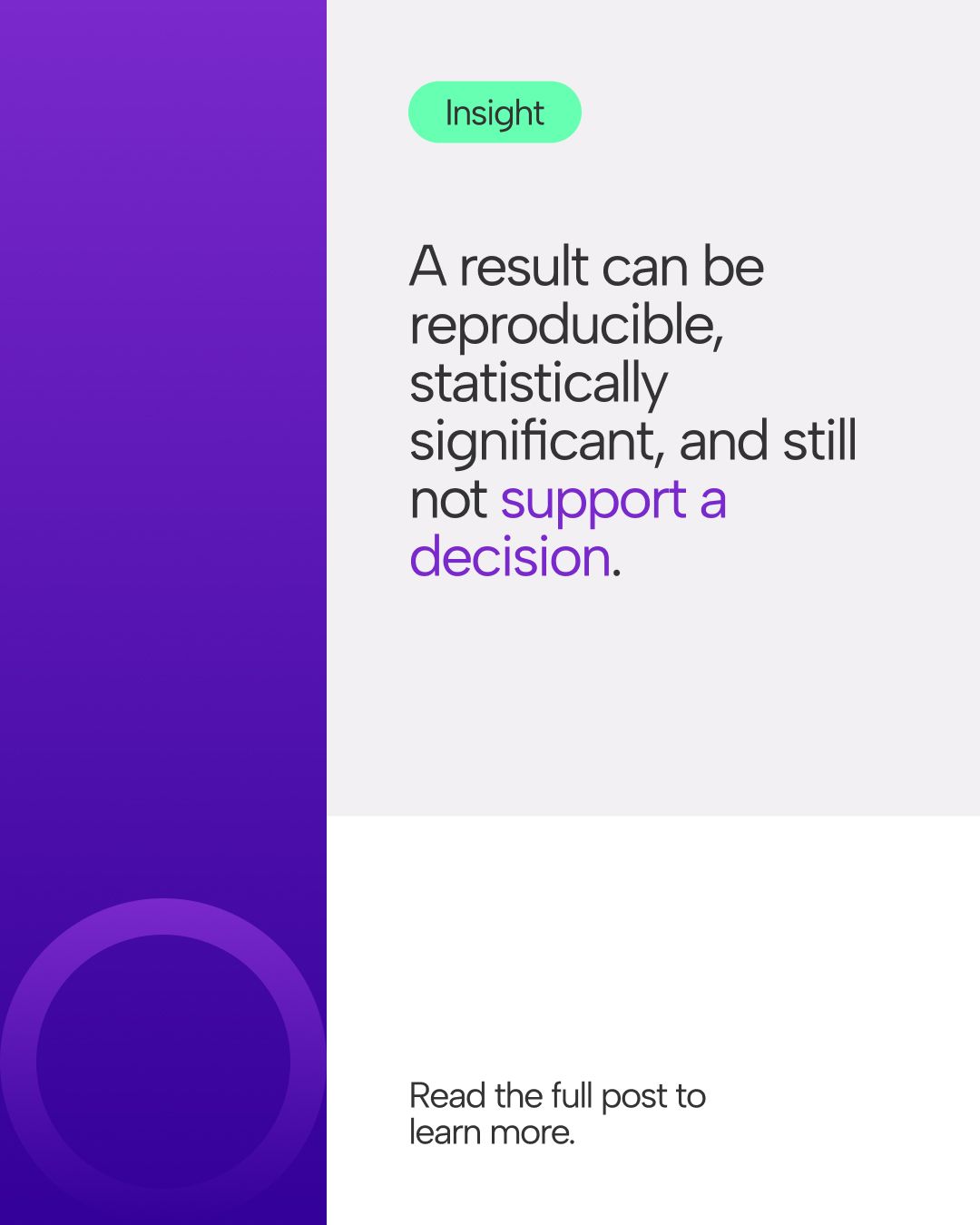
- Early-stage biotech teams generate a lot of data. The harder question is whether that data can actually support a decision. A result can be reproducible, statistically significant, and still not tell you whether to advance a program, redirect it, or stop. Data becomes decision-ready when it is tied to a specific biological question, generated in a model that reflects the disease context, and measured against predefined criteria. In practice, that means asking the right questions before the experiment starts: 🔹 What decision does
- In-house or outsourced? For early-stage biotech teams, the answer shapes how fast a program can move. Both models offer scientific control and flexibility. The difference is in where that control sits, and what it costs to maintain it. Building in-house requires lab space, equipment, recruitment, quality systems, and senior scientific oversight. A biology partner can offer the same depth and flexibility without the fixed infrastructure commitments. But CROs, consultants, and accelerator-style partners solve different problems.
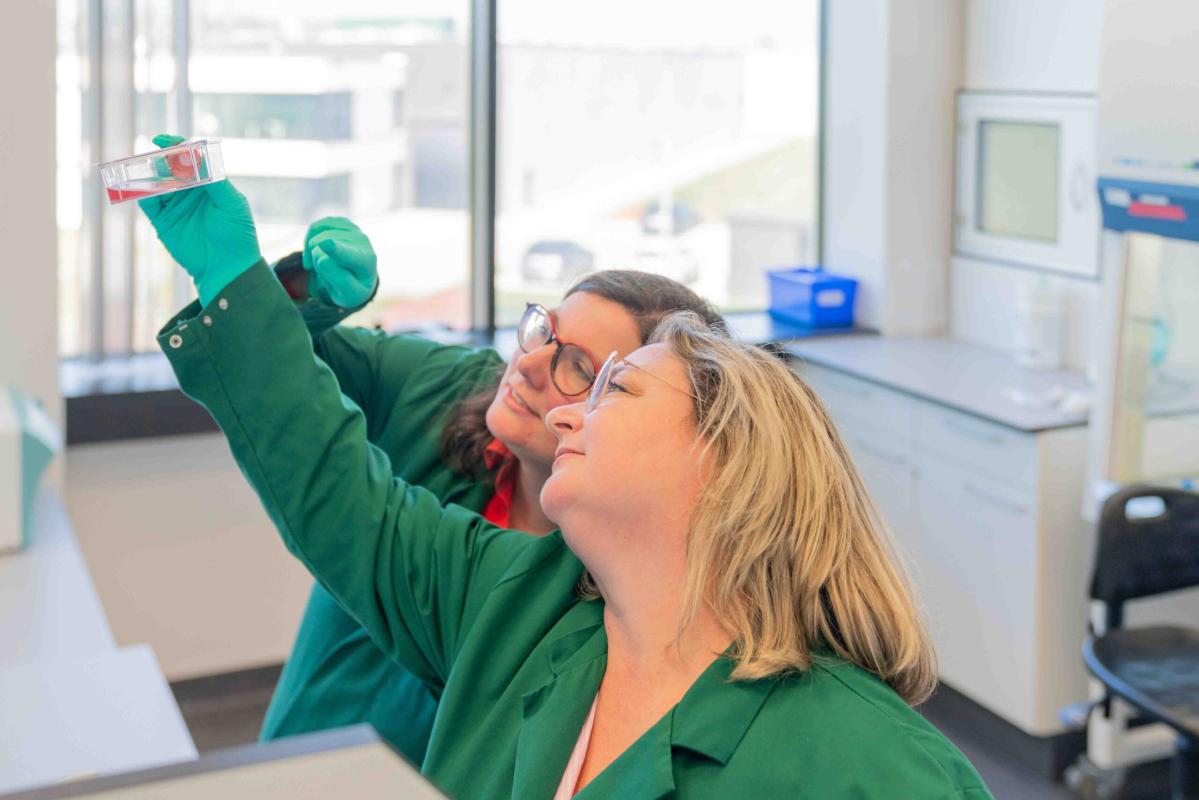
- 𝗗𝗿𝘂𝗴 𝗱𝗲𝘃𝗲𝗹𝗼𝗽𝗺𝗲𝗻𝘁 𝗱𝗲𝗰𝗶𝘀𝗶𝗼𝗻𝘀 𝗮𝗿𝗲 𝗼𝗻𝗹𝘆 𝗮𝘀 𝗴𝗼𝗼𝗱 𝗮𝘀 𝘁𝗵𝗲 𝗱𝗮𝘁𝗮 𝗯𝗲𝗵𝗶𝗻𝗱 𝘁𝗵𝗲𝗺. Generating that data requires the right technologies, applied in the right biological context. Our cellular and molecular wetlab covers the full stack: cell culture and custom cell line generation, BSL-2 viral transduction, electroporation and CRISPR-based cell engineering, flow cytometry, ELISA, RT-qPCR, primary cell isolation, MSD multiplexing, chromatography, spectrophotometry, and high-resolution mass
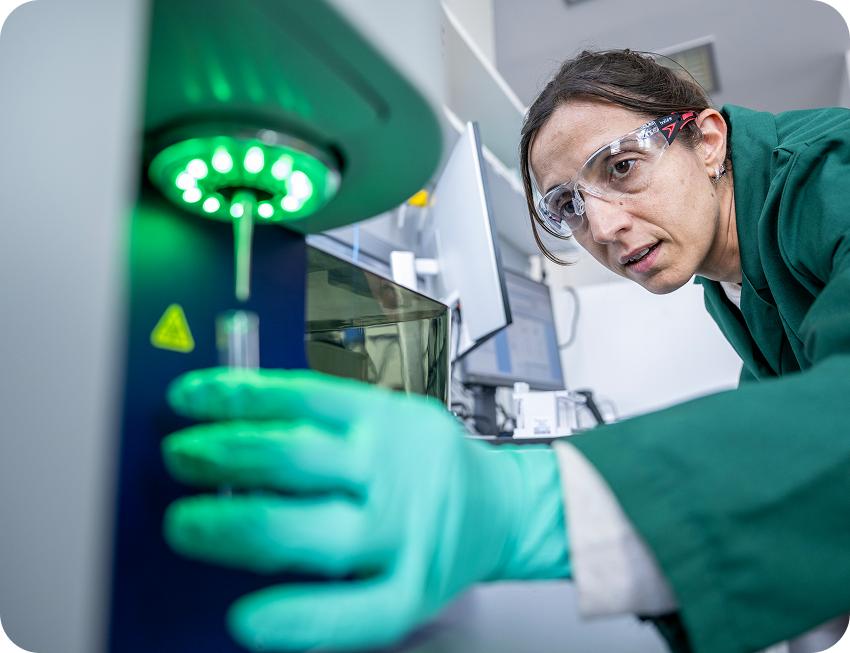
- In early-stage biotech, the ability to make fast, confident program decisions is one of the most valuable things a team can develop. The challenge is that without predefined criteria, results are often interpreted in the context of how much has already been invested rather than what the biology is actually showing. This is why clear go/no-go criteria are best defined in advance. When success criteria are set before data is generated, every result is measured against a fixed bar. Defining go/no-go criteria before generating data


Something wrong or missing? Send an update. Fixed within 24 hours.