
Overview
ECOS is an international NGO with a network of members and experts that ensures the environmental voice is heard when technical standards are developed. The organization drives change by providing expertise to policymakers and industry players to implement strong environmental principles. ECOS works on reducing waste, addressing harmful chemicals in products, and promoting efficient product recovery for longer product and material lifecycles in the transition to a circular economy.
Leadership & org chart
In the news
- The proposed revision to EU ecodesign rules on electronic displays will not restrict harmful substances nor sufficiently improve the reliability and repairability of products, or the recyclability of materials. 🔥 The proposal to remove the existing ban on halogenated flame retardants (HFRs) in electronic displays lacks science-based evidence. ECOS has long advocated for the ban on HFRs, in place since 2019. In our response below we outline key arguments for maintaining restriction on HFRs and include further recommendations

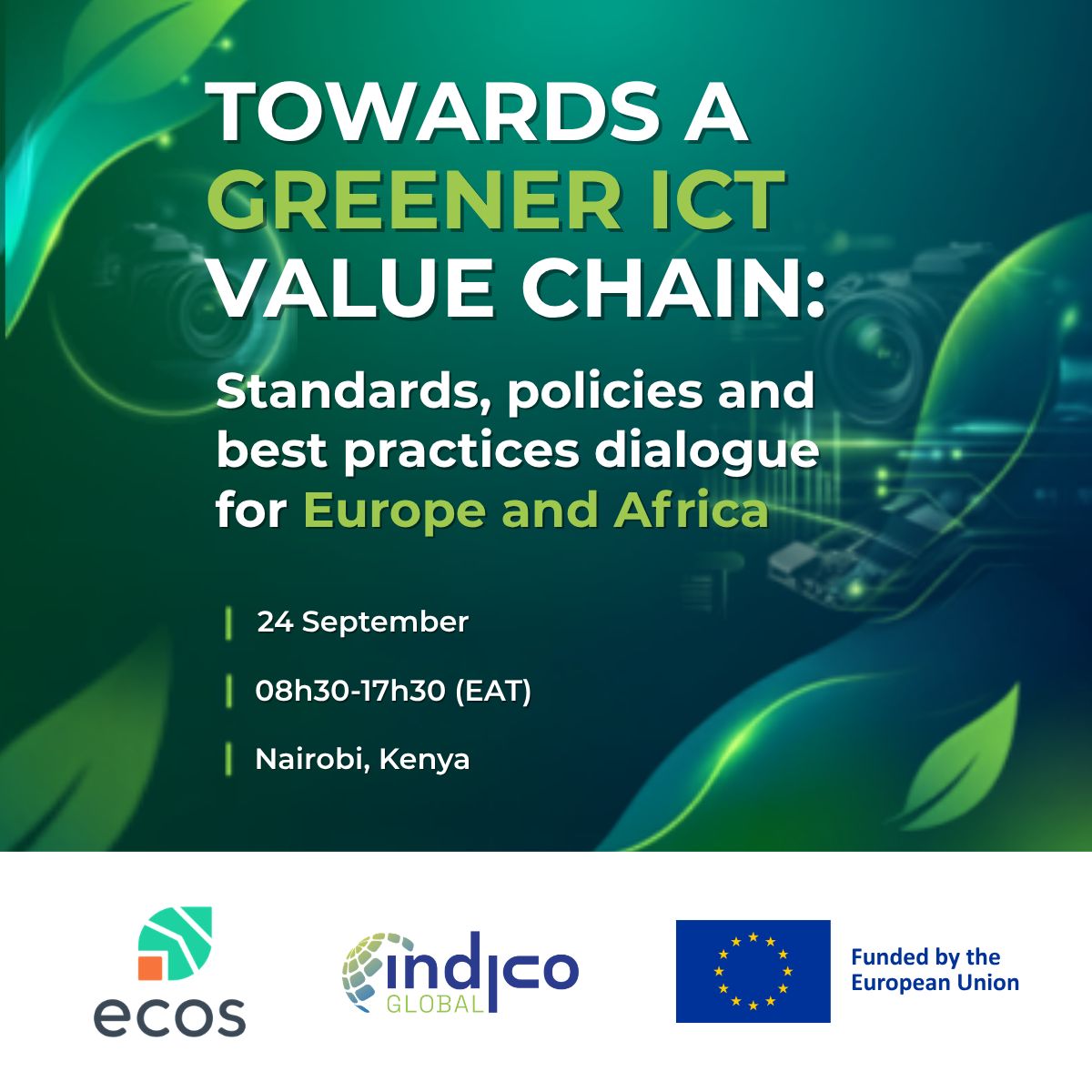
- As digitalisation accelerates across Africa, how do we ensure the environmental impact of the ICT value chain is considered, from product design, use, reuse and end-of-life management? On 24 September in Nairobi, Kenya, we will host a dialogue on best approaches to advancing greener digitalisation. There is still time to register - join the conversation and contribute to shaping a sustainable digital future for Africa. The event will focus on: 🟢 Greener and more circular ICT value chains ♻️ ICT product lifecyle and e-waste
- A few weeks ago, Marxine Waite and the ECOS Africa Office had the pleasure of contributing to the discussions at the African Organisation for Standardisation - ARSO’s General Assembly. We explored the role of voluntary sustainability standards and eco-labels in advancing opportunities for: 🌍 Global trade 🟢 Scaling green products 📈 Enhancing sustainable intra-African trade in line with sustainable production and consumption 🪴 Unlocking environmental protection and sustainable development objectives 👋 Would you like to know more

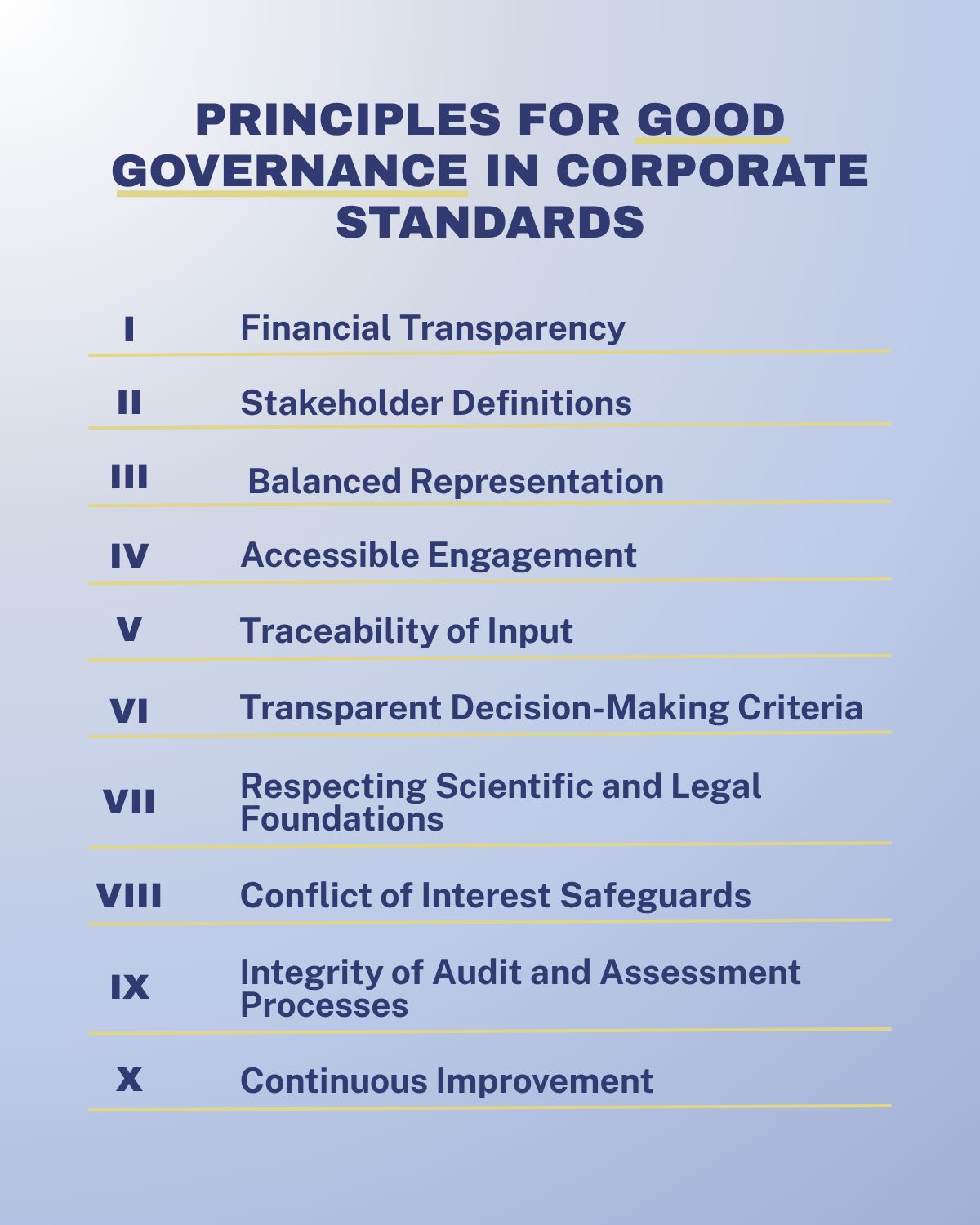
- Who funds corporate standards bodies? Who’s sitting at the table? How are decisions made? And with what criteria? We’ve joined more than 40 organisations calling on all corporate standards bodies to strengthen their own governance. Voluntary standards bodies, including the Greenhouse Gas Protocol (GHG Protocol), Science Based Targets initiative and ISO - International Organization for Standardization, play an important role in shaping how companies reduce their climate impacts. But weak governance structures leave these bodies
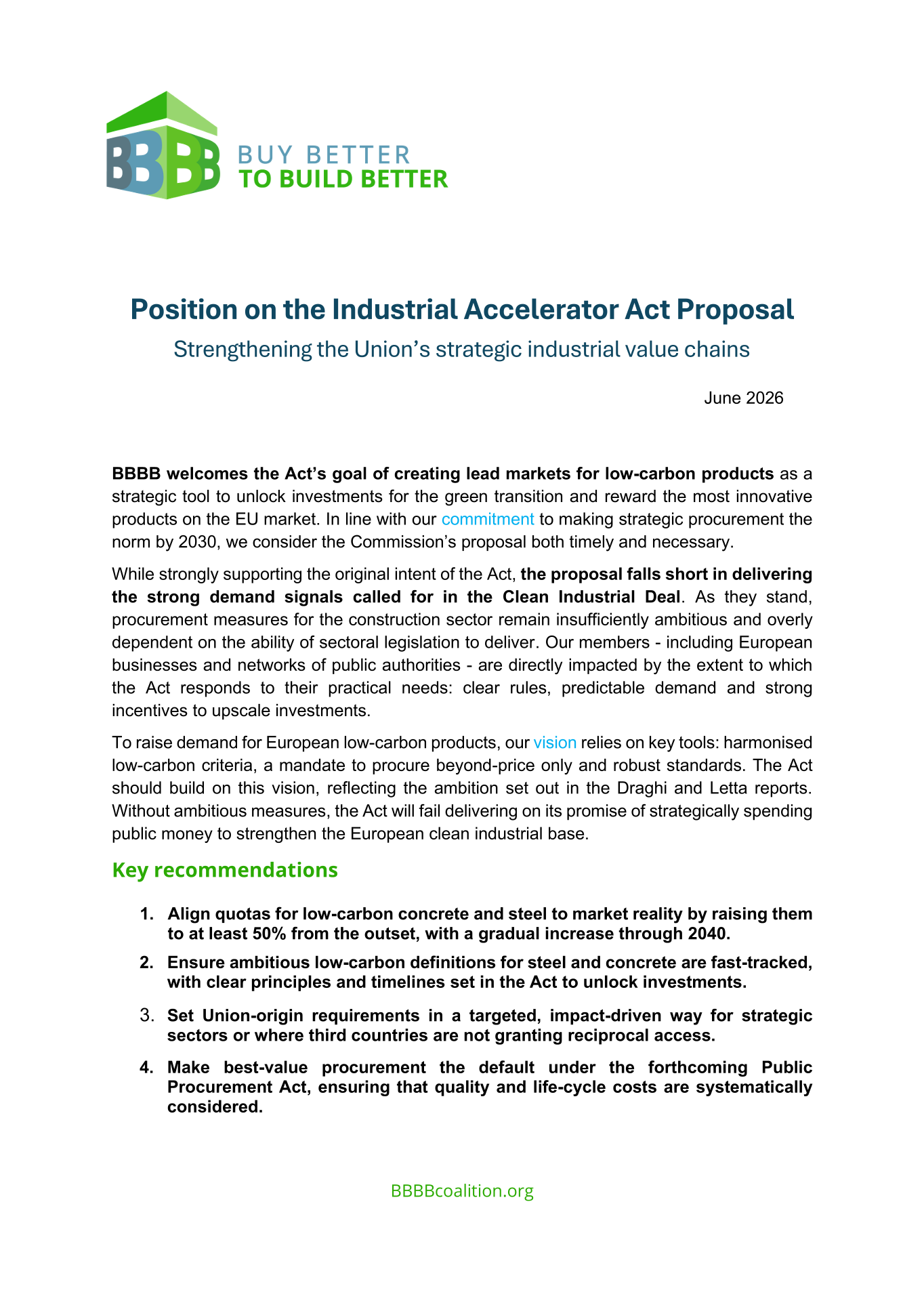
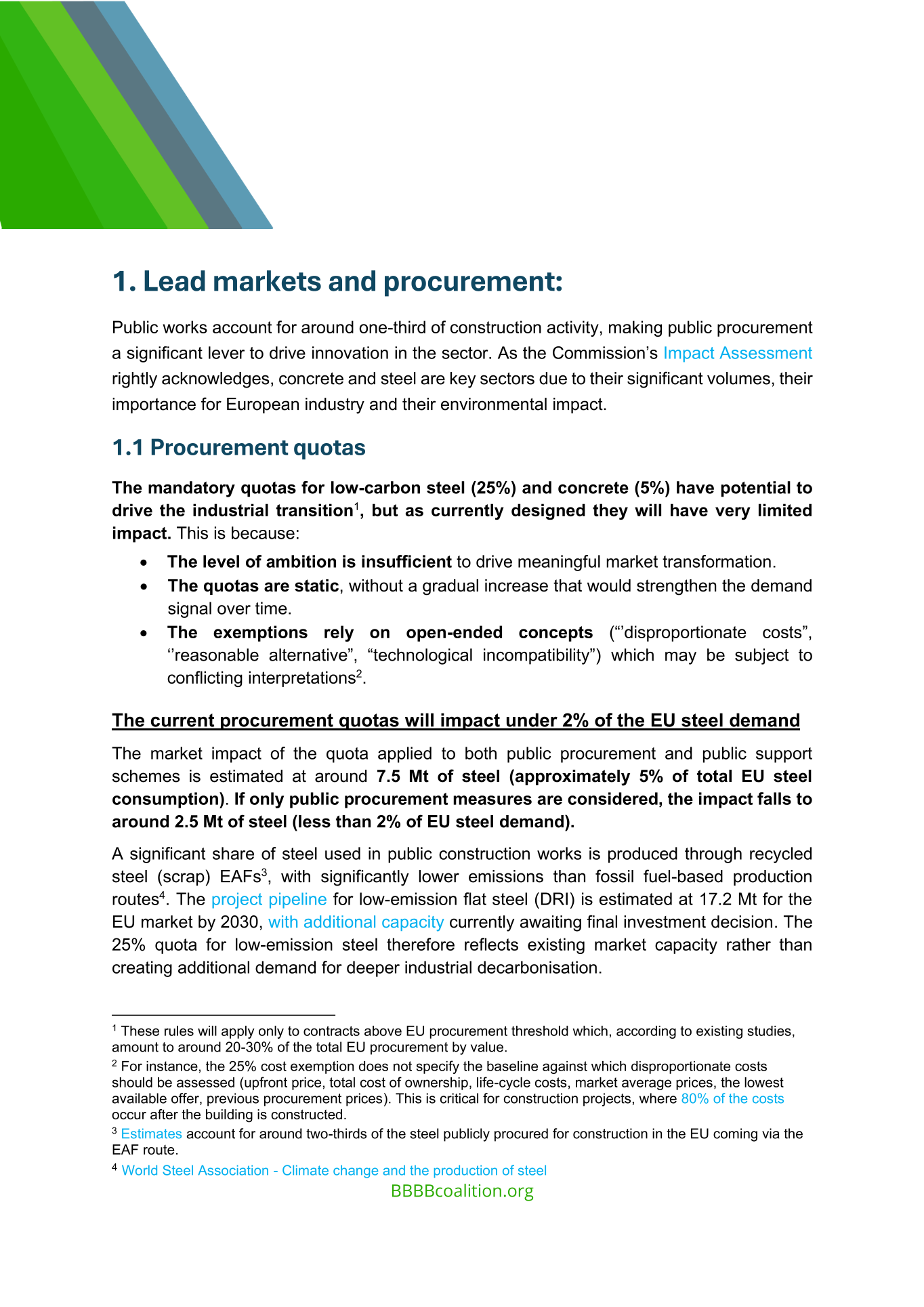
- The European Parliament's draft report has proposed to raise the ambition of the Industrial Accelerator Act – let’s not stop there! 👏 Higher low-carbon quotas for concrete and steel - the most widely used but also polluting materials in public projects - are necessary to create predictable demand for cleaner technologies. That’s good for the environment and the competitiveness of European industrial frontrunners. However, much more can be done for both sectors. Industry commitments, backed by recent studies, show that at least
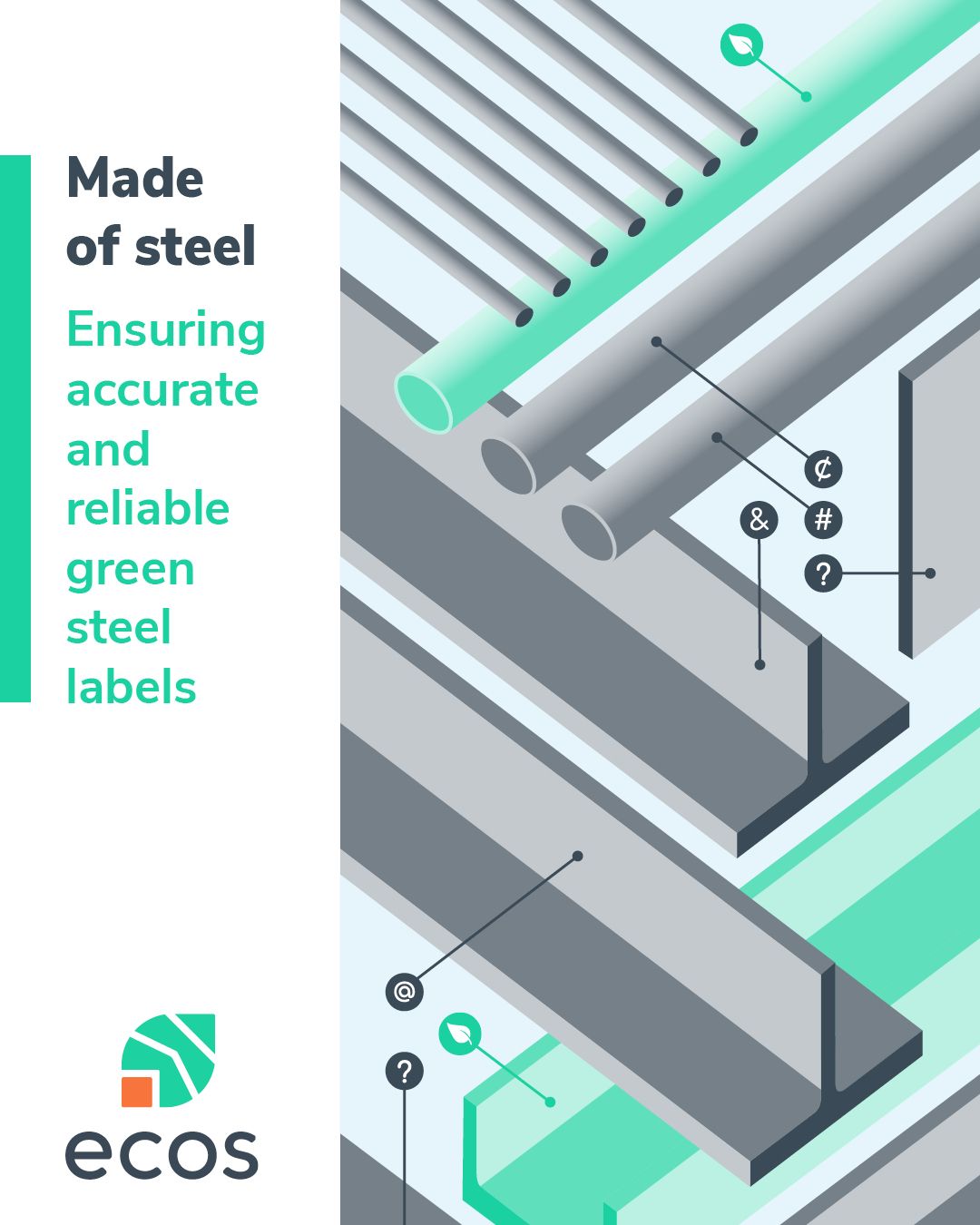
- As demand for more sustainable products grows, companies are increasingly marketing steel as “green” without necessarily making meaningful changes to how it is produced. The problem? There is still no definition of green steel. A clear, ambitious definition is fundamental to drive public and private demand for truly decarbonised steel products. No definition leaves room for marketing and methodological tricks that can inflate environmental credentials — from minimal emissions reductions and limited data to weak verification and a
- The EU’s draft Public Procurement Act is out. It shows a welcome step towards smarter spending of public money – but the journey isn’t over when it comes to prioritising construction and ensuring coherence with the EU’s wider industrial policy objectives. The Act’s true potential will only be realised when strategic sectors are prioritised – and construction should be one of them. The construction sector accounts for one third of public contracts, making it well-placed to create significant demand for low-carbon materials. Yet,
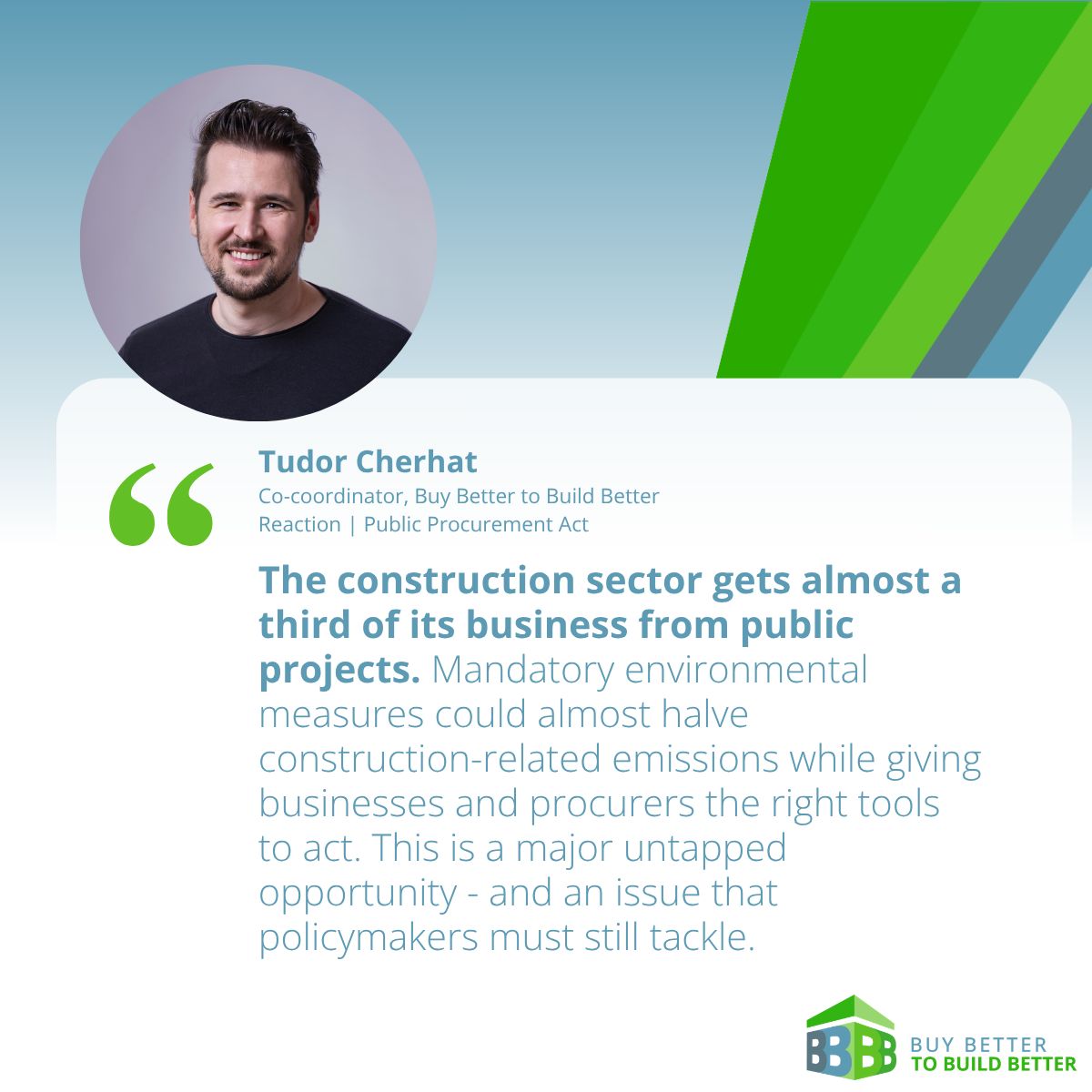
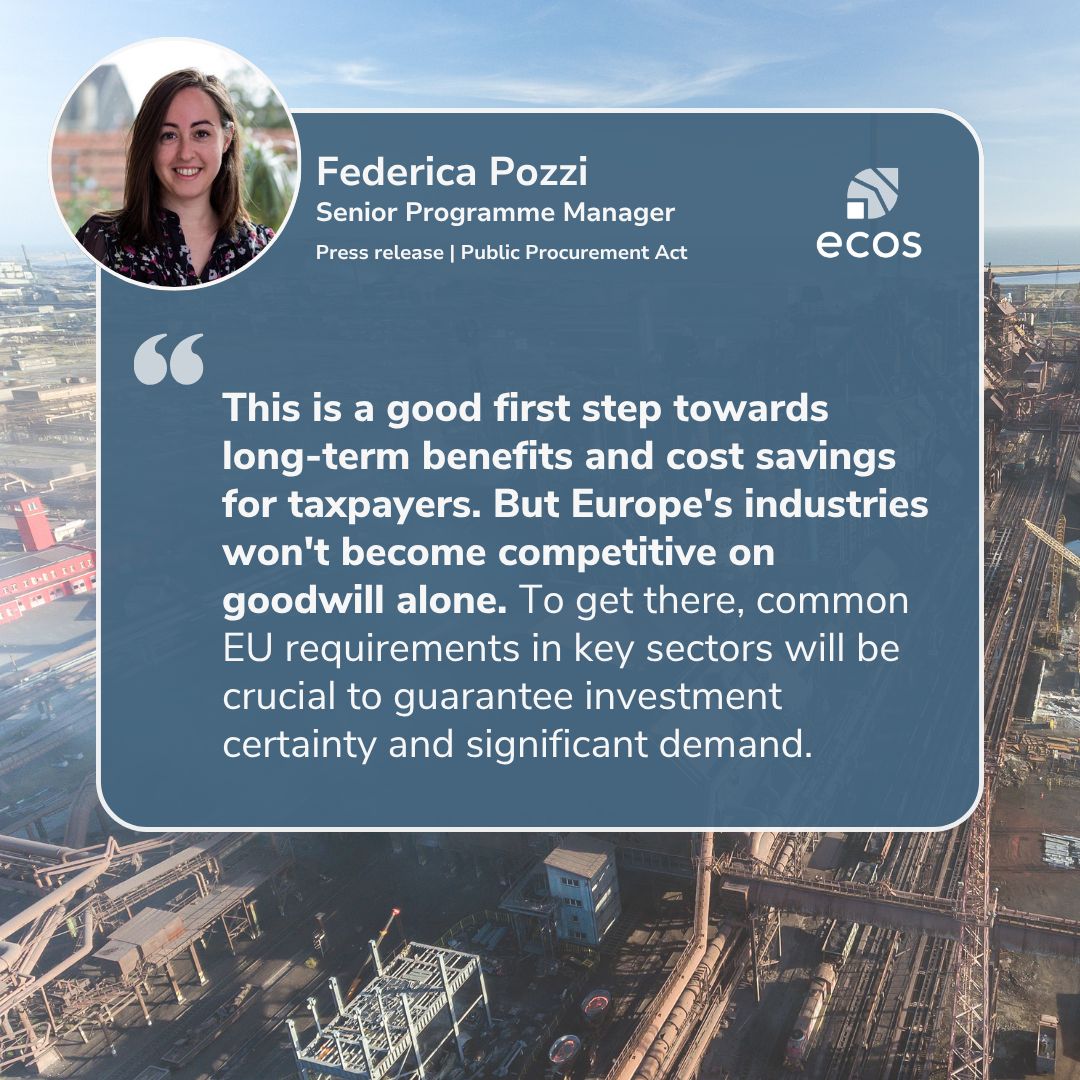
- Today’s draft Public Procurement Act offers an EU first-ever: new public purchasing rules could consider more than only the upfront price tag. This is a first step towards setting up Europe’s industries for a low-carbon future that benefits the environment, citizens, and businesses. The task at hand now is to develop mandatory requirements in key sectors, such as construction, that foster investment certainty into decarbonisation. ➡️ Learn more in our full reaction: https://lnkd.in/gMenQWGK

Something wrong or missing? Send an update. Fixed within 24 hours.