
Overview
Encoding specializes in coding and marking solutions within the industrial automation sector.
Key people
In the news
- 𝗖𝗮𝗻 𝘄𝗲 𝗺𝗼𝗻𝗶𝘁𝗼𝗿 𝗰𝗹𝗲𝗮𝗻 𝗰𝗼𝗺𝗯𝘂𝘀𝘁𝗶𝗼𝗻 𝗶𝗻 𝗿𝗲𝗮𝗹 𝘁𝗶𝗺𝗲 𝘄𝗶𝘁𝗵𝗼𝘂𝘁 𝗽𝗮𝗰𝗸𝗶𝗻𝗴 𝗿𝗲𝗮𝗰𝘁𝗼𝗿𝘀 𝘄𝗶𝘁𝗵 𝘀𝗲𝗻𝘀𝗼𝗿𝘀? MILD combustion is one of the most promising routes for ultra-low NOx industrial systems. But it comes with a major challenge: ➡️ highly distributed reactions ➡️ strong recirculation ➡️ complex thermochemical fields ➡️ limited access for instrumentation A new study by Vincenzo Rosati, Giovanni Battista Ariemma, Giancarlo Sorrentino, Raffaele Ragucci, and Mara de Joannon
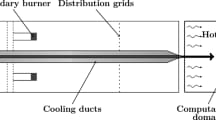
- 𝗖𝗮𝗻 𝘄𝗲 𝗺𝗮𝗸𝗲 𝘁𝘂𝗿𝗯𝘂𝗹𝗲𝗻𝘁 𝗰𝗼𝗺𝗯𝘂𝘀𝘁𝗶𝗼𝗻 𝘀𝗶𝗺𝘂𝗹𝗮𝘁𝗶𝗼𝗻𝘀 𝗳𝗮𝘀𝘁𝗲𝗿 𝘄𝗶𝘁𝗵𝗼𝘂𝘁 𝗹𝗼𝘀𝗶𝗻𝗴 𝗮𝗰𝗰𝘂𝗿𝗮𝗰𝘆? For “hard-to-abate” industrial sectors, combustion design depends heavily on CFD. But there’s a bottleneck: ➡️ high-fidelity simulations are extremely expensive ➡️ real-time prediction is practically impossible with classical solvers A new study by Francesco Cenvinzo, Alberto Procacci, Alessandro Parente, Pascale Domingo, and Luc Vervisch proposes a hybrid solution that brings
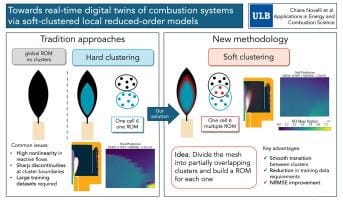
- 𝗖𝗮𝗻 𝘄𝗲 𝗿𝘂𝗻 𝗿𝗲𝗮𝗹-𝘁𝗶𝗺𝗲 𝗱𝗶𝗴𝗶𝘁𝗮𝗹 𝘁𝘄𝗶𝗻𝘀 𝗼𝗳 𝗰𝗼𝗺𝗯𝘂𝘀𝘁𝗶𝗼𝗻 𝘀𝘆𝘀𝘁𝗲𝗺𝘀? If we want hydrogen and ammonia to power the next generation of clean energy systems, we need more than accurate simulations. We need models that are: ➡️ fast enough for real-time use ➡️ accurate enough for combustion physics ➡️ robust enough for control and monitoring That’s a very hard balance to achieve with classical high-fidelity CFD. The work led by Chiara Novelli, Alberto Procacci, Lorenzo Giuntini, Alessandro
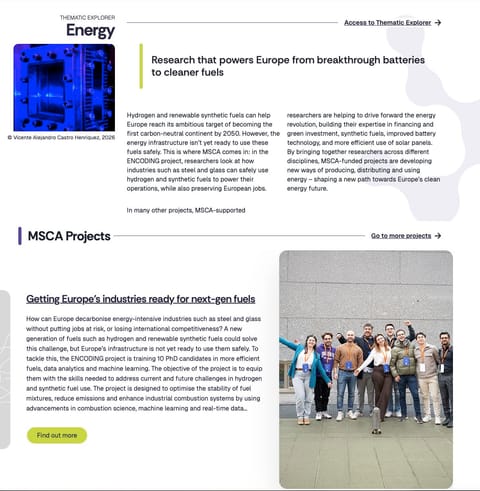
- Some news are just a little more special to share. 💙 𝗘𝗡𝗖𝗢𝗗𝗜𝗡𝗚 𝗳𝗲𝗮𝘁𝘂𝗿𝗲𝗱 𝗶𝗻 𝘁𝗵𝗲 𝗠𝗦𝗖𝗔 𝟯𝟬 𝗬𝗲𝗮𝗿𝘀 𝗰𝗲𝗹𝗲𝗯𝗿𝗮𝘁𝗶𝗼𝗻! ENCODING has been selected as one of the successful projects featured by the Marie Skłodowska-Curie Actions to showcase the impact of MSCA-funded research and training over the past 30 years. And there is even more to celebrate! 📸 A beautiful photo from our Doctoral Candidate, Vicente Castro Henríquez, has been selected for the cover of the Energy research area,
- 𝗖𝗮𝗻 𝗮𝗺𝗺𝗼𝗻𝗶𝗮 𝗳𝘂𝗲𝗹𝘀 𝗲𝗻𝗮𝗯𝗹𝗲 𝗰𝗹𝗲𝗮𝗻𝗲𝗿 𝗰𝗼𝗺𝗯𝘂𝘀𝘁𝗶𝗼𝗻 𝘄𝗶𝘁𝗵𝗼𝘂𝘁 𝗵𝗶𝗴𝗵 𝗡𝗢𝘅 𝗲𝗺𝗶𝘀𝘀𝗶𝗼𝗻𝘀? A new experimental study on ammonia–hydrogen combustion and MILD regimes, from a collaboration between KAUST (King Abdullah University of Science and Technology) and Institute for Combustion Technology, RWTH Aachen University, provides new insight into flame transition mechanisms in low-emission combustion systems. The work is led by Lele Ren, with Adamu Alfazazi, Aurora Maffei, Sonu Kumar, Heinz
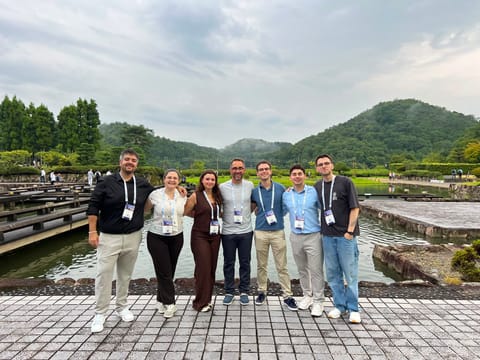
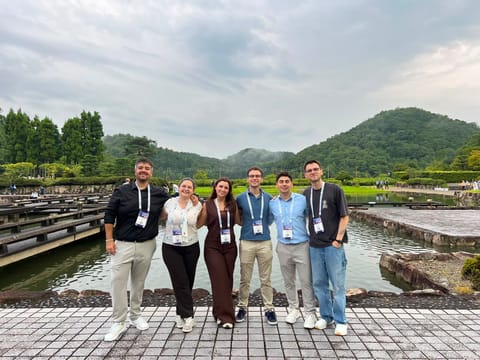
- 𝗘𝗡𝗖𝗢𝗗𝗜𝗡𝗚 𝗮𝘁 𝘁𝗵𝗲 𝟰𝟭𝘀𝘁 𝗜𝗻𝘁𝗲𝗿𝗻𝗮𝘁𝗶𝗼𝗻𝗮𝗹 𝗦𝘆𝗺𝗽𝗼𝘀𝗶𝘂𝗺 𝗼𝗻 𝗖𝗼𝗺𝗯𝘂𝘀𝘁𝗶𝗼𝗻 𝗶𝗻 𝗞𝘆𝗼𝘁𝗼! 🇯🇵 We are back from the summer break with excellent news! At the end of July, several of our ENCODING Doctoral Candidates had the opportunity to present their research at the 𝟰𝟭𝘀𝘁 𝗜𝗻𝘁𝗲𝗿𝗻𝗮𝘁𝗶𝗼𝗻𝗮𝗹 𝗦𝘆𝗺𝗽𝗼𝘀𝗶𝘂𝗺 𝗼𝗻 𝗖𝗼𝗺𝗯𝘂𝘀𝘁𝗶𝗼𝗻, one of the leading international events for the combustion science community. 🎤 Chiara Novelli gave an oral presentation on “𝘈
- 𝗖𝗮𝗻 𝘄𝗲 𝗯𝘂𝗿𝗻 𝗮𝗺𝗺𝗼𝗻𝗶𝗮 𝗶𝗻 𝗶𝗻𝗱𝘂𝘀𝘁𝗿𝘆 𝘄𝗶𝘁𝗵𝗼𝘂𝘁 𝗰𝗿𝗲𝗮𝘁𝗶𝗻𝗴 𝗻𝗲𝘄 𝗽𝗼𝗹𝗹𝘂𝘁𝗶𝗼𝗻 𝗽𝗿𝗼𝗯𝗹𝗲𝗺𝘀? Ammonia is one of the most promising carbon-free fuels for heavy industry. No carbon → great for decarbonization. But there is a catch: ➡️ unstable combustion ➡️ high NOx formation if not controlled A study by Ebrahim Rahmani and collaborators Natalia Cid Rodríguez, Mustafa Kamal, Axel Coussement, Alessandro Parente, and Marco Lubrano Lavadera explores how to solve this using a very different
- 𝗖𝗮𝗻 𝘄𝗲 𝘀𝗰𝗮𝗹𝗲 𝗰𝗼𝗺𝗯𝘂𝘀𝘁𝗶𝗼𝗻 𝗿𝗲𝗮𝗰𝘁𝗼𝗿𝘀 𝘄𝗶𝘁𝗵𝗼𝘂𝘁 𝗯𝗿𝗲𝗮𝗸𝗶𝗻𝗴 𝘁𝗵𝗲 𝗳𝗹𝗼𝘄 𝗽𝗵𝘆𝘀𝗶𝗰𝘀? Scaling up or down combustion systems is one of those problems that sounds simple… until you try it. In cyclonic reactors, everything is dominated by flow structure: swirl, recirculation, mixing patterns. Change the size, and you often lose the physics that makes the system work. That is exactly the challenge tackled by Vicente Castro Henríquez and collaborators Vincenzo Rosati, Giovanni Battista

Something wrong or missing? Send an update. Fixed within 24 hours.