
Overview
ESTEL is a European optical sub-assembly manufacturer dedicated to system providers for telecom and datacom applications. The company designs and manufactures optical transceivers with local technical support and European manufacturing, serving data centers, metro and long-haul links. Each transceiver undergoes comprehensive functional and optical testing before leaving European facilities.
Leadership & org chart
In the news
- 𝗡𝗘𝗪𝗦 𝗝𝗨𝗦𝗧 𝗜𝗡: ECOCExhibition 2026 begins today. Join ESTEL at Stand 1342 for a booth presentation exploring quantum encryption and the future of secure optical connectivity. As AI, cloud, and critical infrastructure become more interconnected, security must extend to the optical layer. We will discuss how quantum technologies and quantum key distribution can help strengthen the protection of high-value links. We look forward to the conversation. #ECOC2026 #QuantumEncryption #OpticalConnectivity #NetworkSecurity
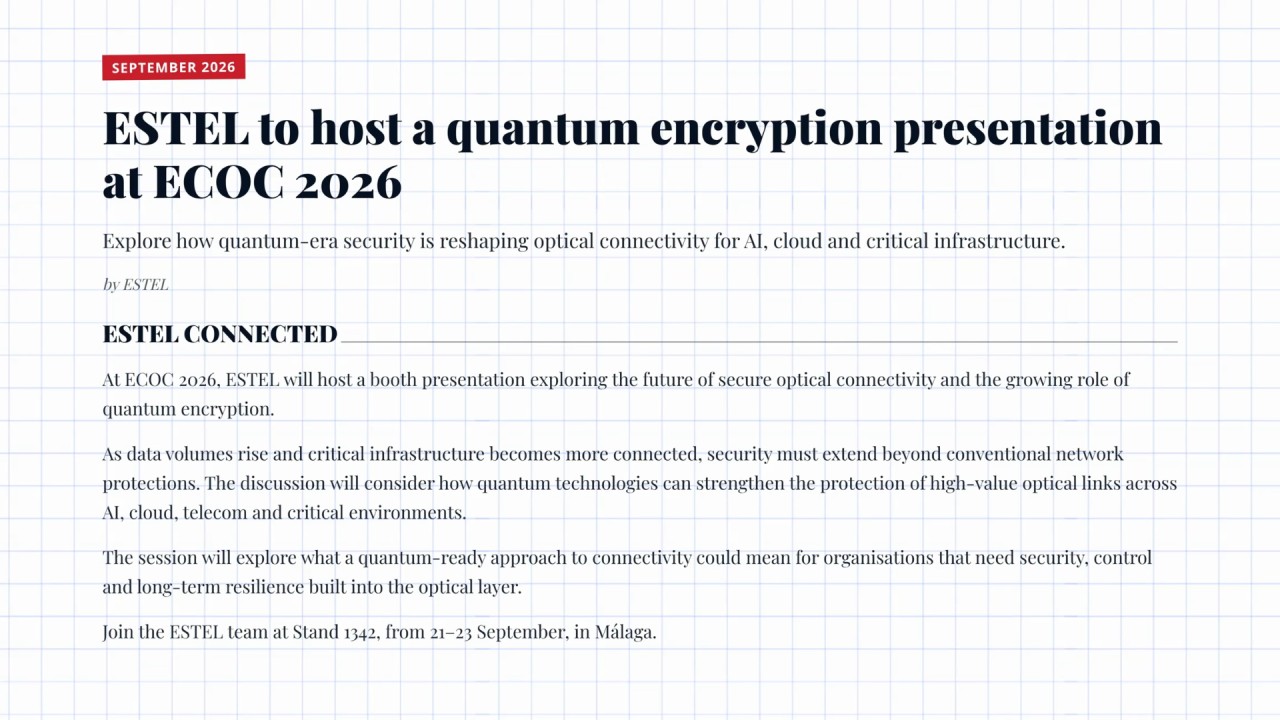
- Final call: ECOC Exhibition 2026, Málaga. The ESTEL team is at ECOC for the conference and are ready to discuss secure, sovereign, and scalable optical connectivity for AI, cloud, and critical infrastructure. Find us at 𝐒𝐭𝐚𝐧𝐝 𝟏𝟑𝟒𝟐, from tomorrow until Wednesday. We look forward to connecting with customers, partners, and the wider optical communications industry. #ECOC2026 #OpticalConnectivity #Photonics #AIInfrastructure #DataCentre #SovereignConnectivity #ESTEL

- What will it take to scale photonics? At the ficonTEC seminar, European Supply Chain for Silicon Photonics, our CEO, Philippe Bolle, will join other industry leaders to discuss one of the sector’s central challenges: moving from promising prototypes to scalable, reliable production. Taking place during ECOC Exhibition 2026 in Málaga on Tuesday, 22 September, Philippe’s industry perspective will explore: > 𝗪𝗵𝗮𝘁 𝗶𝘁 𝘁𝗮𝗸𝗲𝘀 𝘁𝗼 𝘁𝗿𝗮𝗻𝘀𝗶𝘁𝗶𝗼𝗻 𝗳𝗿𝗼𝗺 𝗽𝗿𝗼𝘁𝗼𝘁𝘆𝗽𝗲 𝘁𝗼 𝘀𝗰𝗮𝗹𝗮𝗯𝗹𝗲 𝗽𝗿𝗼𝗱𝘂𝗰𝘁𝗶𝗼𝗻. >

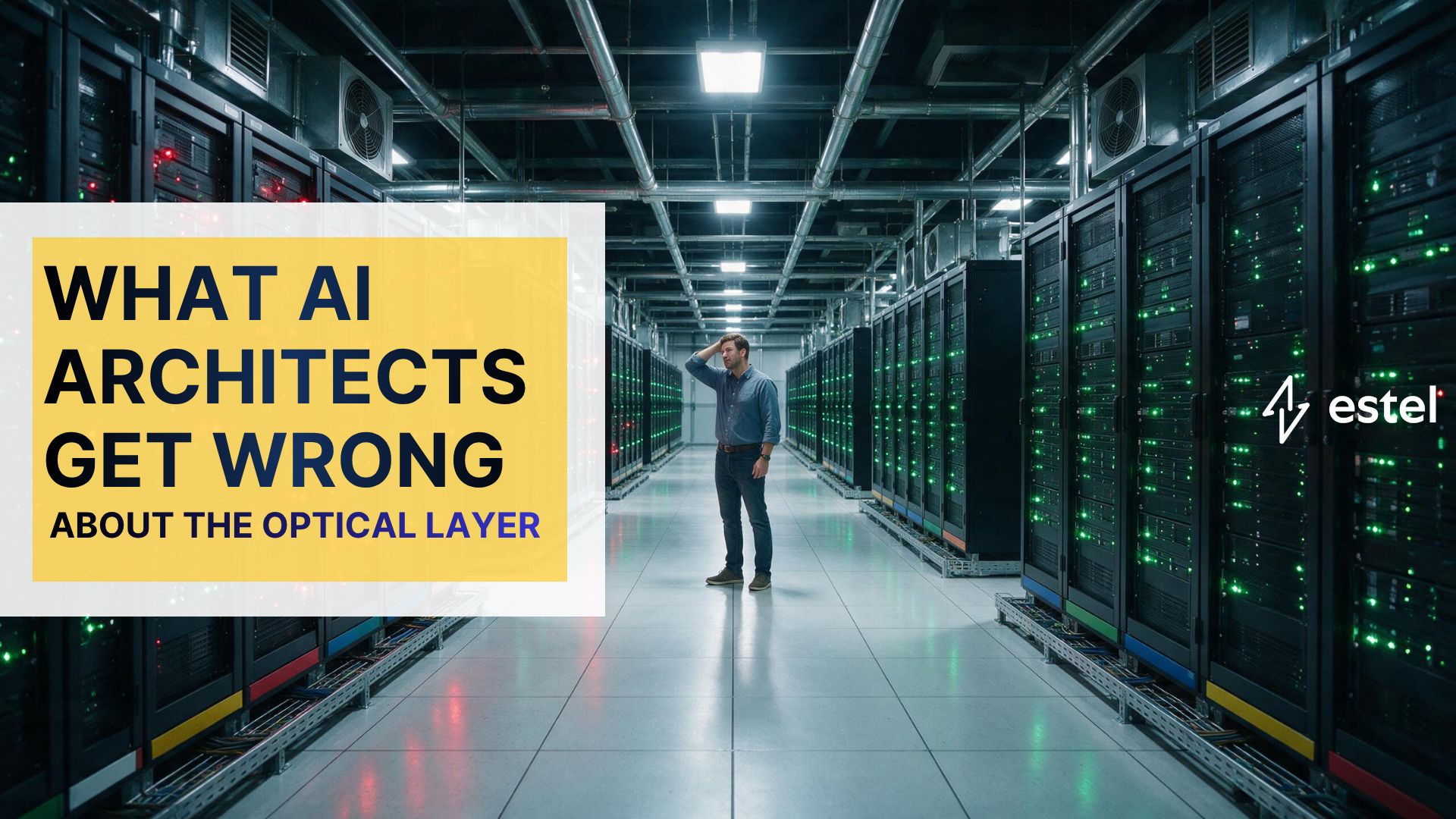
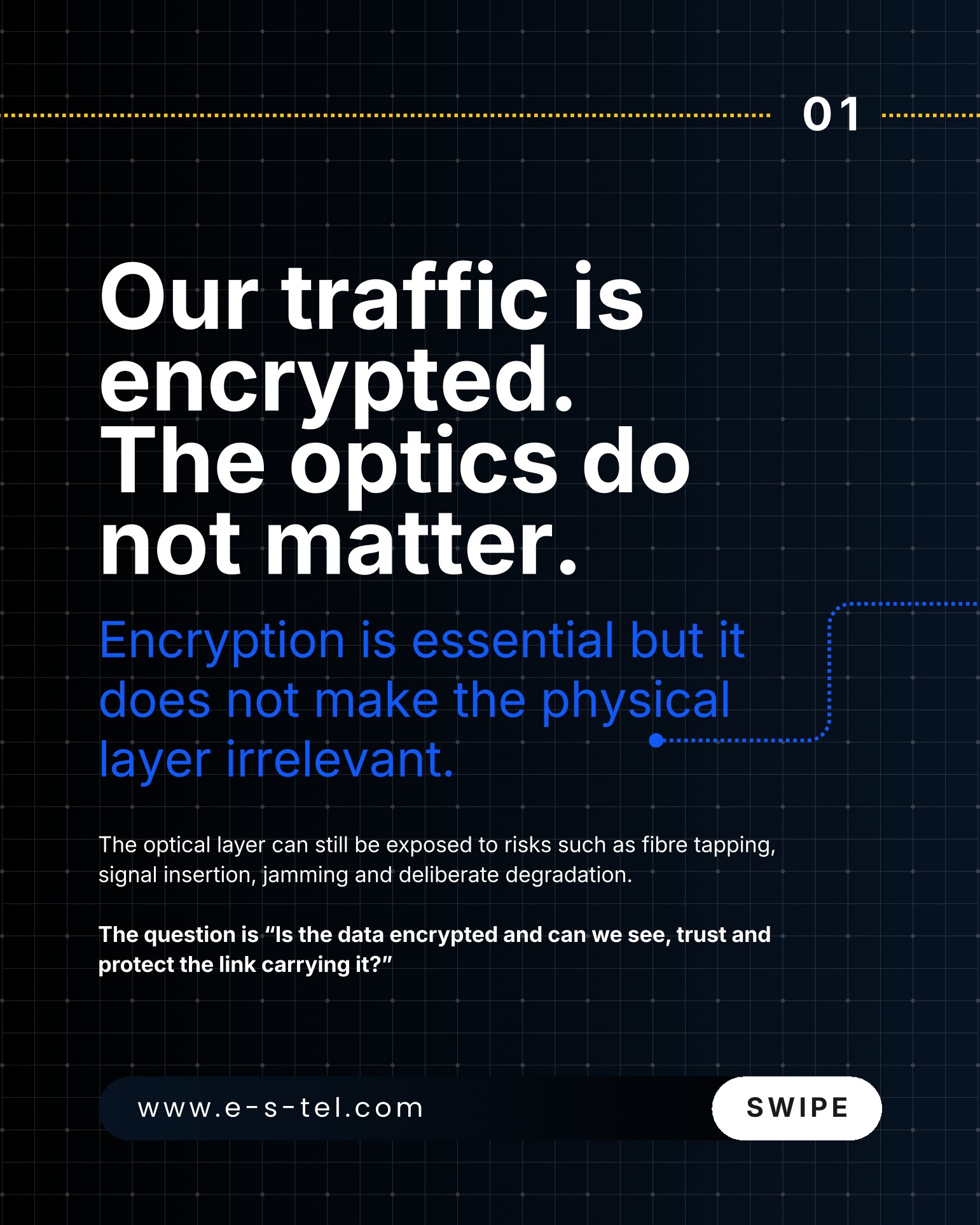
- AI infrastructure conversations often focus on GPUs, encryption, cloud regions, and zero-trust controls. But there is another layer that is too often overlooked: the optical infrastructure connecting it all. We examined three assumptions that can create blind spots in AI security and sovereignty: > 𝗘𝗻𝗰𝗿𝘆𝗽𝘁𝗲𝗱 𝘁𝗿𝗮𝗳𝗳𝗶𝗰 𝗺𝗲𝗮𝗻𝘀 𝘁𝗵𝗲 𝗼𝗽𝘁𝗶𝗰𝘀 𝗱𝗼 𝗻𝗼𝘁 𝗺𝗮𝘁𝘁𝗲𝗿. > 𝗦𝗼𝘃𝗲𝗿𝗲𝗶𝗴𝗻 𝗺𝗲𝗮𝗻𝘀 𝗵𝗼𝘀𝘁𝗲𝗱 𝗶𝗻-𝗿𝗲𝗴𝗶𝗼𝗻. > 𝗢𝗽𝘁𝗶𝗰𝘀 𝗮𝗿𝗲 𝗶𝗻𝘁𝗲𝗿𝗰𝗵𝗮𝗻𝗴𝗲𝗮𝗯𝗹𝗲 𝗰𝗼𝗺𝗺𝗼𝗱𝗶𝘁𝗶𝗲𝘀. For
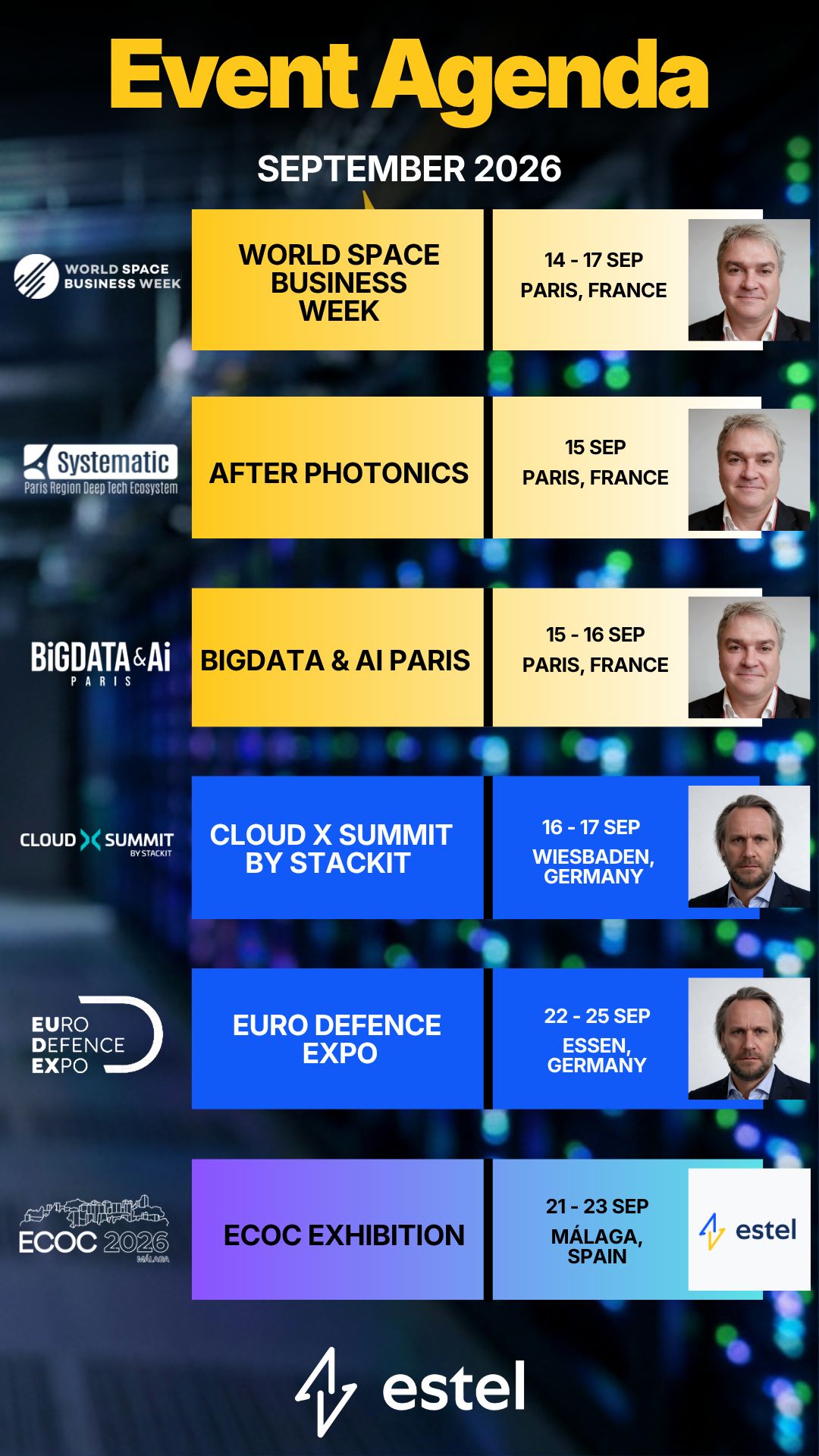
- September is set to be a busy month for the ESTEL team as we connect with partners, customers, and the wider European technology ecosystem across France, Germany and, Spain. Laurent Bondie will be in Paris for: - World Space Business Week (Novaspace Summits) between 14-17 September - After Photonics (Systematic Paris-Region) on 15 September - BiG DATA & Ai PARIS between 15-16 September Alex Schwarze will be in Germany for: - Cloud X Summit by STACKIT in Wiesbaden between 16-17 September - EURO DEFENCE EXPO (EUDEX) in Essen from
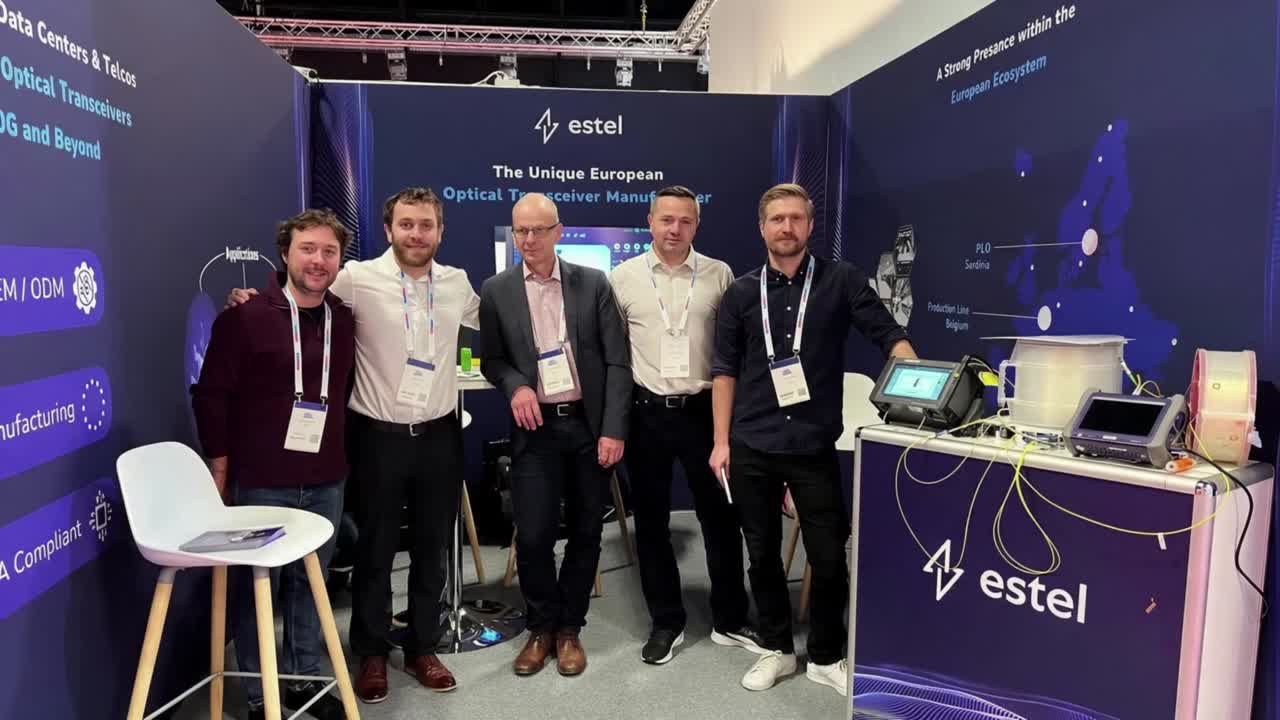
- Last year’s ECOC was a highly productive milestone for ESTEL. It gave us the opportunity to meet customers, partners, and industry folk, exchange ideas on the future of optical connectivity, and build relationships that have continued to shape our momentum. Fast-forward to 2026: that momentum has become progress. In recent months, we have strengthened our position as a European optical-connectivity partner, advancing our sovereign connectivity platform across optical architecture, in-house firmware and diagnostics, automated
- Most AI security reviews stop at the network layer everyone can see: encryption, zero-trust policies, region selection. The optical layer underneath gets treated differently. That's a mistake. In our latest blog, we break down three assumptions AI architects and CISOs commonly get wrong about the optical layer: - Encrypted traffic doesn't make the physical layer irrelevant. Fiber tapping, signal insertion, and jamming are real attack vectors that higher-layer encryption doesn't cover. - Sovereign isn't just where the data center
- Europe can develop world-class AI, cloud, and cybersecurity solutions but our digital infrastructure still depends on the hardware underneath it. At ESTEL, we decided to act on this challenge by bringing optical transceiver R&D and production back to Europe, with R&D in Sweden and manufacturing in Belgium. The next challenge goes even further: building a stronger European supply chain, increasing transparency on where critical components come from, and progressively reducing strategic dependencies. Because technological


Something wrong or missing? Send an update. Fixed within 24 hours.