
Overview
Excentis provides cutting-edge testing tools and services encompassing testing, consulting, and training tailored for all access networks. The company offers ByteBlower (a traffic generator and analyzer) and XRA (a real-time DOCSIS analyzer), along with testing consultancy, training, testing infrastructure, and outsourcing services.
Key people

In the news
- A project is rarely just the final result. There’s usually a lot behind it: choices that worked, ideas that didn’t, unexpected problems, detours, and a few “we should remember this for next time” moments. That’s why we regularly share projects internally at Excentis. Someone walks the team through what they worked on: the challenge, the approach, where things got tricky and what they learned along the way. Experience becomes a lot more valuable when it doesn’t stay with one person.
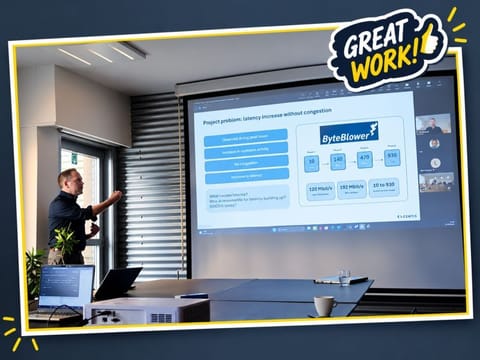
- A network nobody notices is the one that’s working. For the end user, network performance isn’t about what the specification says. It’s about a video call that doesn’t freeze, a stream that doesn’t buffer, a game that responds instantly and Wi-Fi that keeps working when you move to another room. And getting there is more complex than adding capacity. A network can have plenty of bandwidth and still suffer from latency under load. A Wi-Fi 7 device can support the right features on paper and behave very differently in a real home.

- You sound like a robot.” Not every video-call interruption feels the same. Sometimes the image freezes for half a second. The audio cuts out and the conversation briefly stops. Other times, you get a few smaller hiccups. A word arrives late, the video stutters, and suddenly your colleague sounds like they’re calling from a sci-fi movie. Gaming is similar. One longer interruption can make the game stop responding. Several shorter spikes might only delay a shot or make movement feel sluggish. Usually at a moment when you were

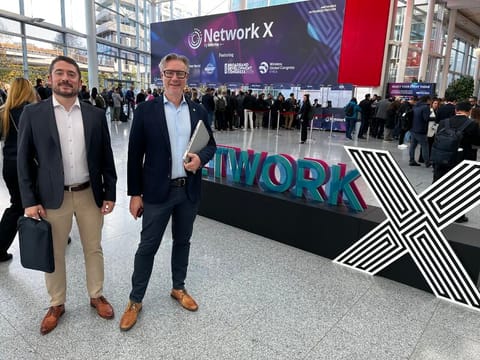
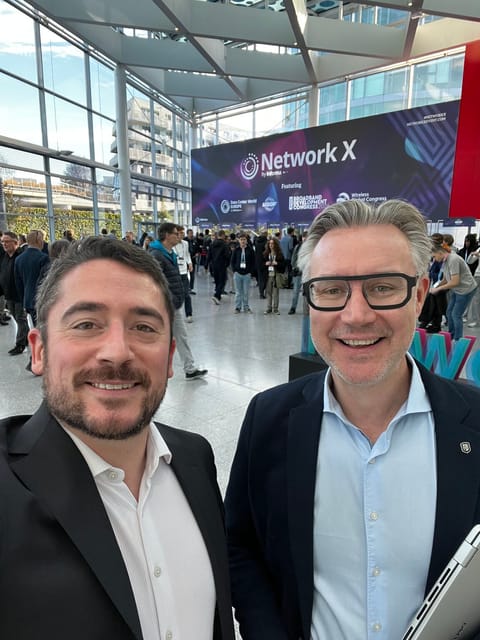
- Innovation isn't just something we talk about. It's part of what we do every day. Staying innovative also means looking beyond our own work. Keeping up with what's happening in the industry, exchanging experiences and hearing different perspectives. That's exactly why our colleagues François Depireux and Charlie Viaene are at Network X in Vienna. Catching up with familiar faces, making new connections and bringing fresh ideas back to Excentis. Also at Network X? Come say hi!
- Excentis is heading to Network X 2026 in Vienna! From 13–15 October, our colleagues François Depireux and Charlie Viaene will be attending Network X, bringing together telecom operators, technology providers and industry experts to discuss the future of connectivity. With broadband networks evolving rapidly, its a great opportunity to exchange insights on network performance, emerging technologies and the challenges of delivering reliable connectivity. At Excentis, were focused on turning these technological developments into
- RF. OFDM. PNM. FDX.How does it all connect? Most engineers naturally spend their time on the part of the network that needs attention right now. A provisioning issue. Unexpected capacity behaviour. An OFDM profile that doesn’t perform as expected. PNM data pointing somewhere, but where exactly? An HFC network that needs to be prepared for what comes next. Solving these problems requires detailed knowledge. But it also helps to understand how the different mechanisms influence each other. How does the RF layer affect what you
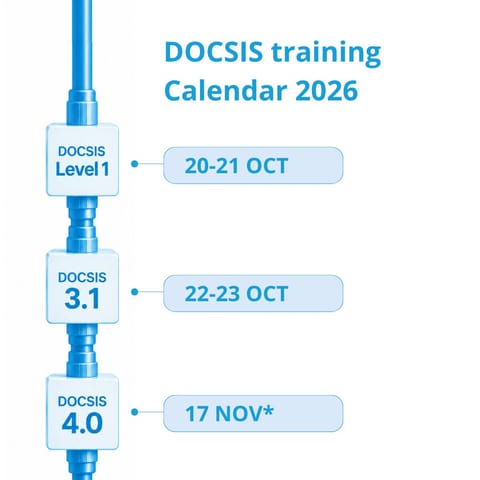
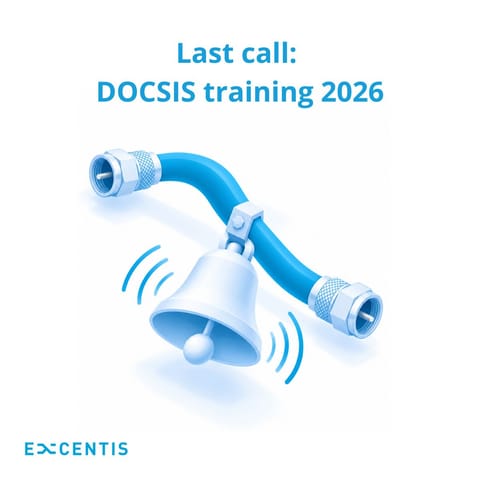
- Last call for our open DOCSIS trainings in 2026 Our final open DOCSIS training sessions of the year are coming up. If you want to strengthen your DOCSIS expertise, this may be your last opportunity to join an open Excentis session about DOCSIS before next year. 𝟮𝟬–𝟮𝟭 𝗢𝗰𝘁𝗼𝗯𝗲𝗿 | (𝗘𝘂𝗿𝗼)𝗗𝗢𝗖𝗦𝗜𝗦 𝗧𝗲𝗰𝗵𝗻𝗼𝗹𝗼𝗴𝘆 & 𝗣𝗿𝗼𝘁𝗼𝗰𝗼𝗹 – 𝗟𝗲𝘃𝗲𝗹 𝟭 Build a solid technical understanding of how DOCSIS works, from network architecture and modem provisioning to QoS, security, channel bonding and RF.
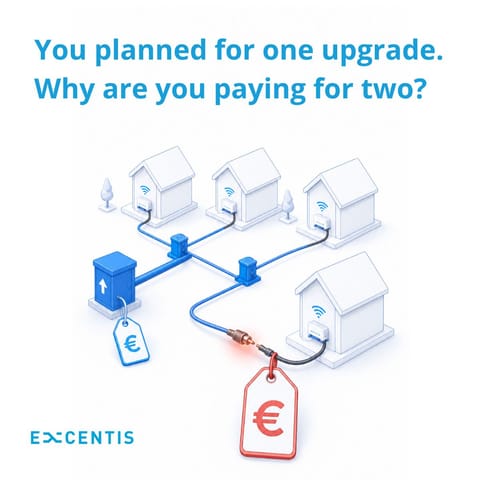
- Most HFC upgrade budgets don’t run into trouble because of the upgrade itself. They run into trouble because of what wasn’t checked before it started. The pattern is surprisingly consistent: → The upgrade is approved based on assumptions rather than the actual condition of the network. → Once deployment starts, operators discover the drop cable infrastructure isn't ready. → Unexpected remediation work, field interventions and additional costs follow. At that point, you’re no longer funding one network upgrade. You're funding two: ✔

Alumni 1 went on to found or lead
 Jonas DelrueEngineer→CTO & Founder at Jimber
Something wrong or missing? Send an update. Fixed within 24 hours.