
Overview
GEME is described as the world's first real home composter, turning food waste scraps into organic compost. The company offers multiple composter models including GEME Terra 2, GEME Composter, and commercial composters, with a mission to reduce landfill waste and enable gardening.
In the news
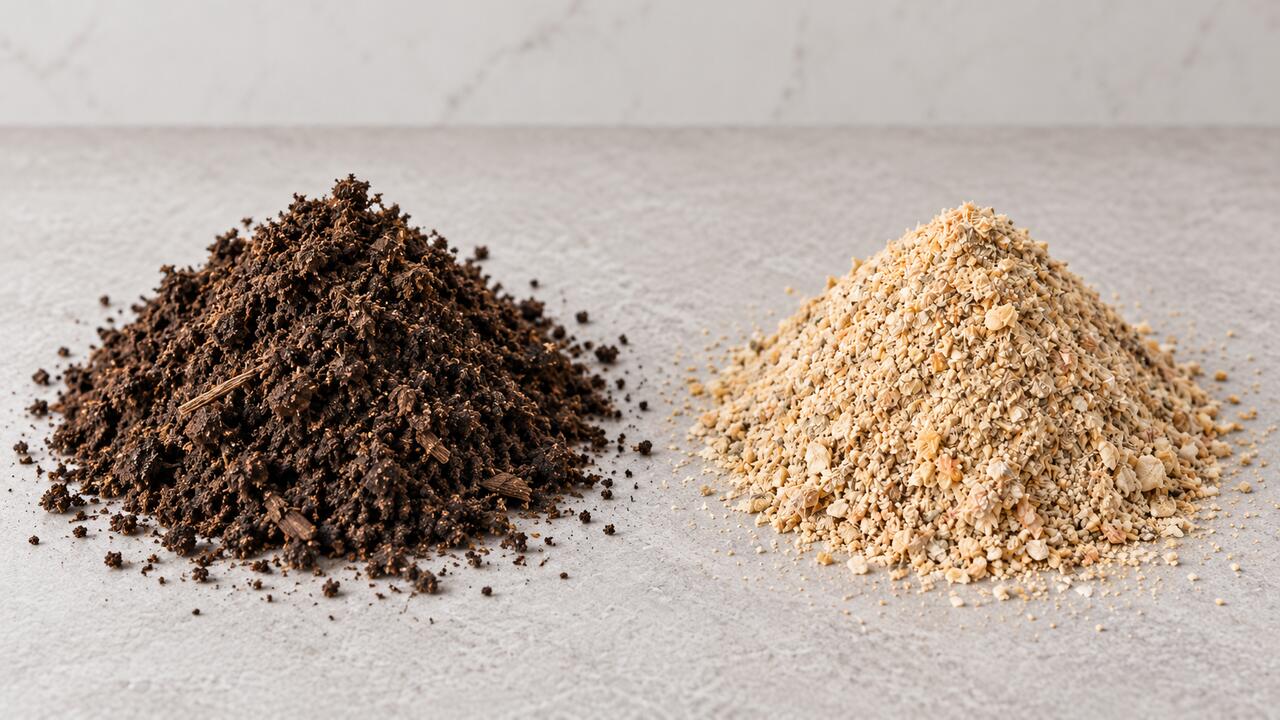
- Dried food waste is not the same as real compost. Dehydration can make food scraps smaller, lighter, and easier to handle, but it mainly removes water. Real composting goes further. Microorganisms biologically transform organic matter, creating a pathway for nutrients and organic material to return to soil. That difference matters when we talk about sustainability. In our latest article, we break down: - dehydrated food waste vs real compost - physical processing vs biological decomposition - why soil return matters - where
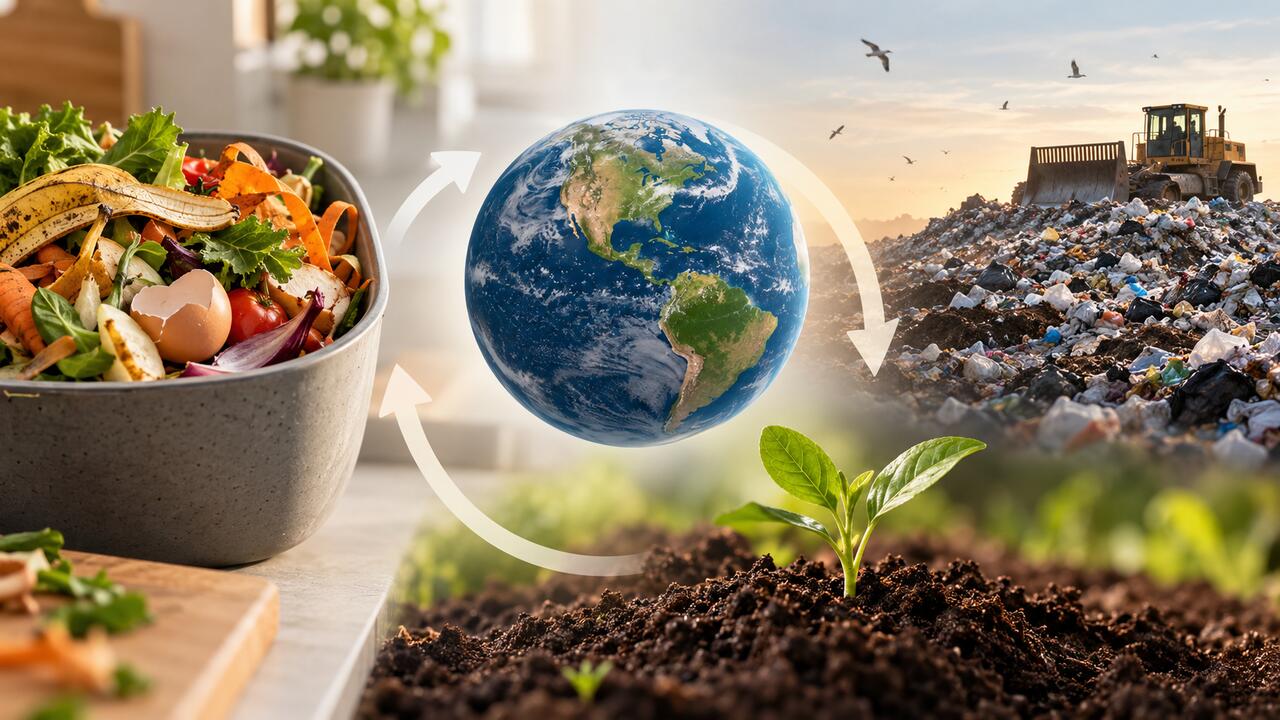
- What do the latest food-waste numbers actually tell us? Our latest guest article, published by The Sustainable Brands Journal, takes a closer look at the food-waste data available in 2026, and why headline numbers need context. The article examines global and U.S. data from UNEP, ReFED and the U.S. EPA, including the role households play in food waste and why landfill remains such a consequential destination for rapidly decomposing organic material. One takeaway matters especially: For unavoidable food scraps, the full material
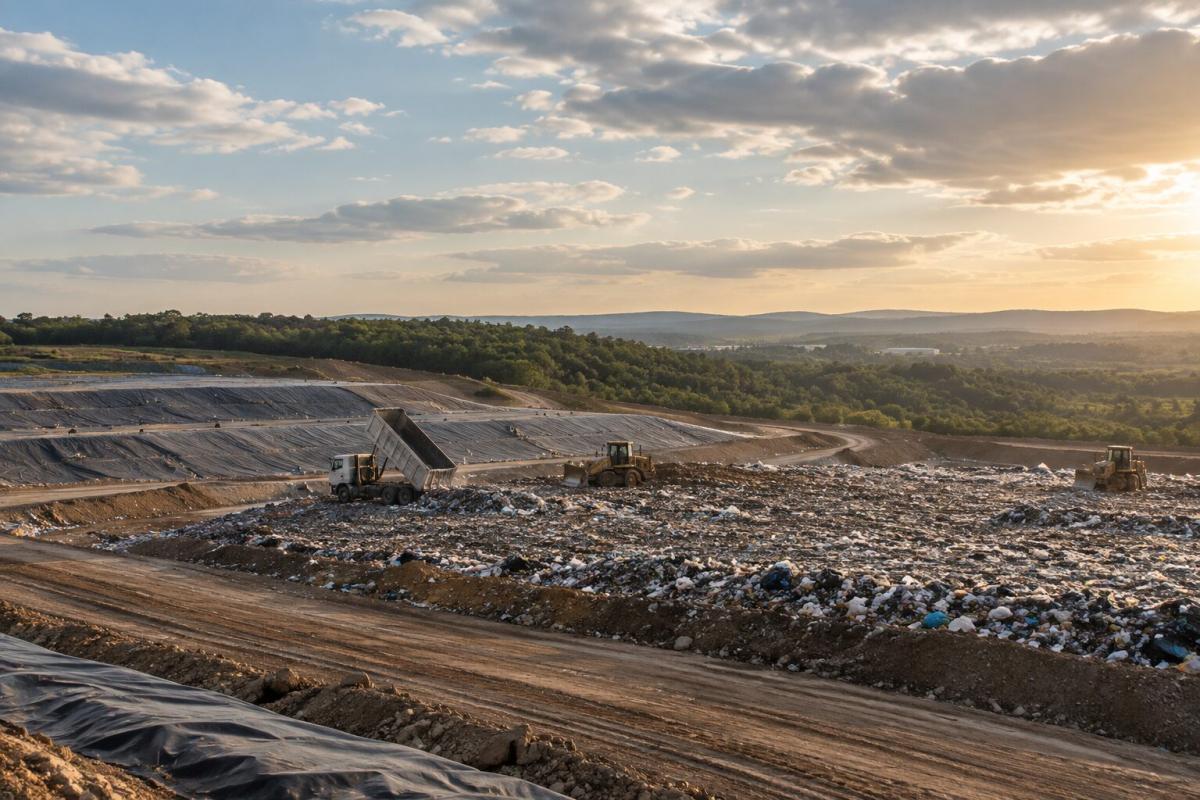
- Food waste statistics are often quoted without one important detail: the publication year and the data year are not always the same. The latest evidence available in 2026 shows: - 1.05 billion tonnes of consumer-level food waste globally - 60% of that waste comes from households - 70 million tons of U.S. surplus food in 2024 - Around 23 million tons sent to U.S. landfills - Food waste responsible for roughly 58% of fugitive methane emissions from U.S. municipal solid-waste landfills But the numbers only matter if they lead to
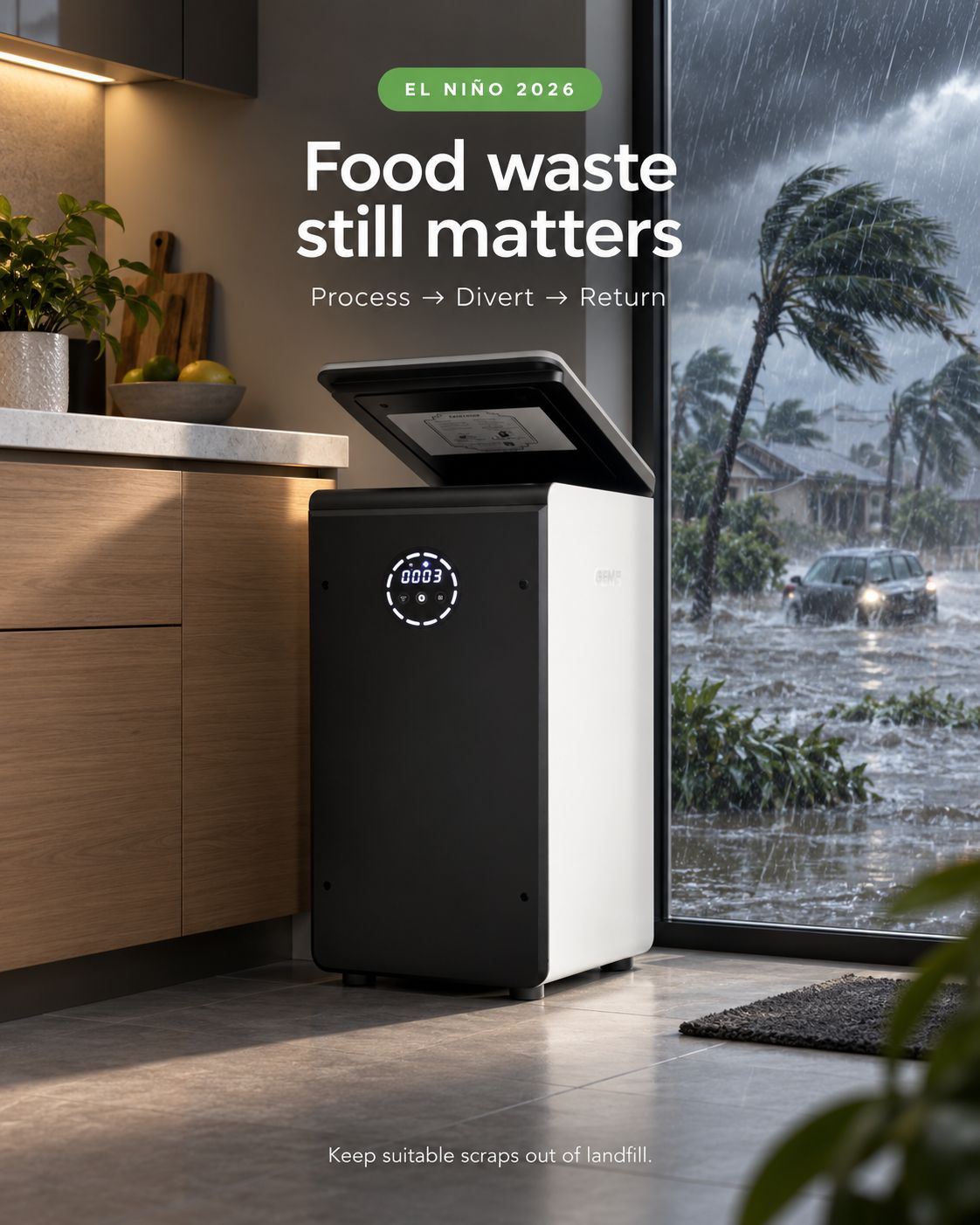
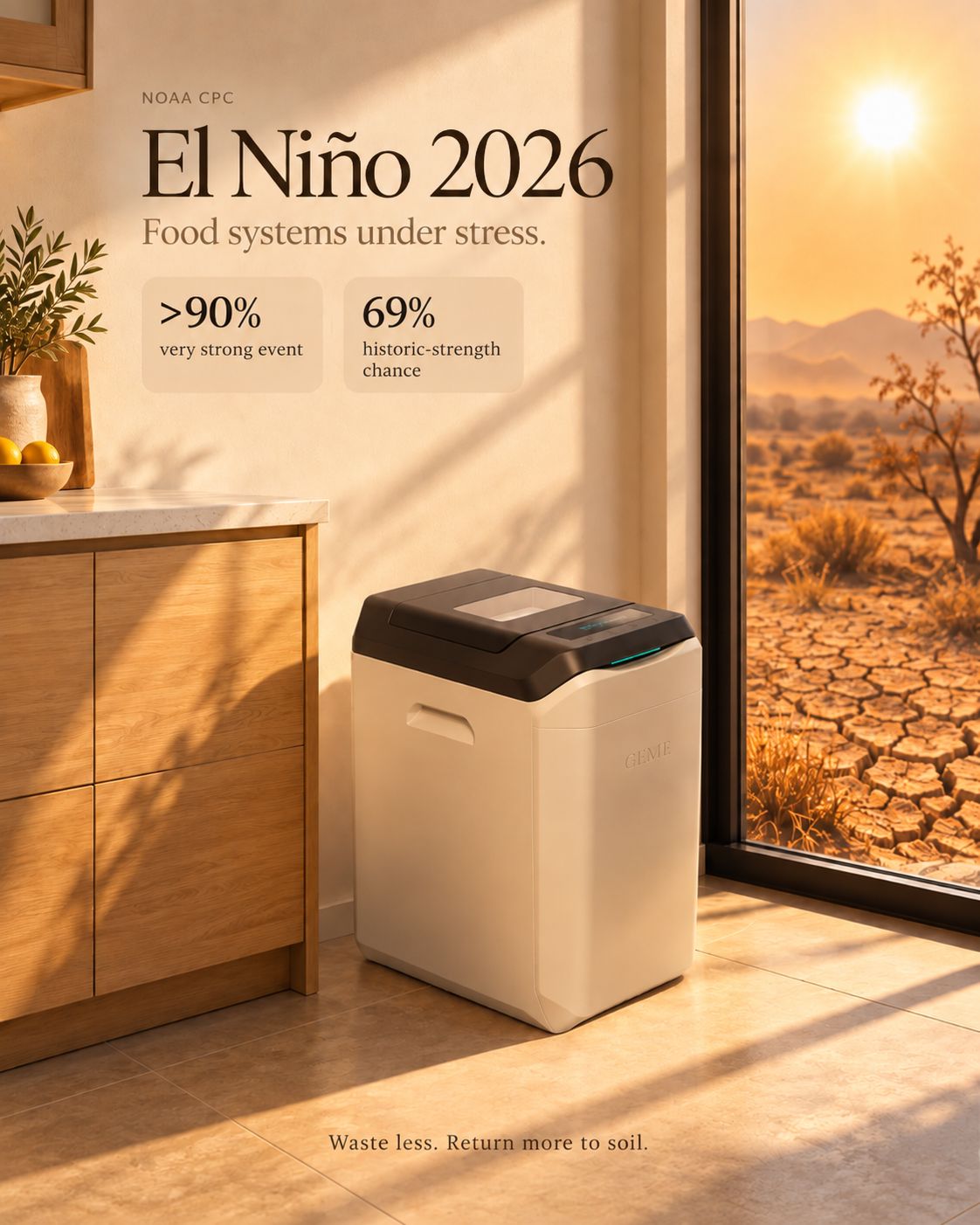
- El Niño 2026 is becoming a stress test for the global food system. NOAA now sees a >90% chance of a very strong event during fall and winter 2026–27. El Niño changes the odds of drought, flooding and extreme heat. At the same time, reducing avoidable emissions remains part of climate resilience, and food waste is a major methane issue when it ends up in landfill. The key question is not simply how much waste disappears, but where the material goes next. Read our latest analysis: https://lnkd.in/gXG8PzkN #ElNino2026
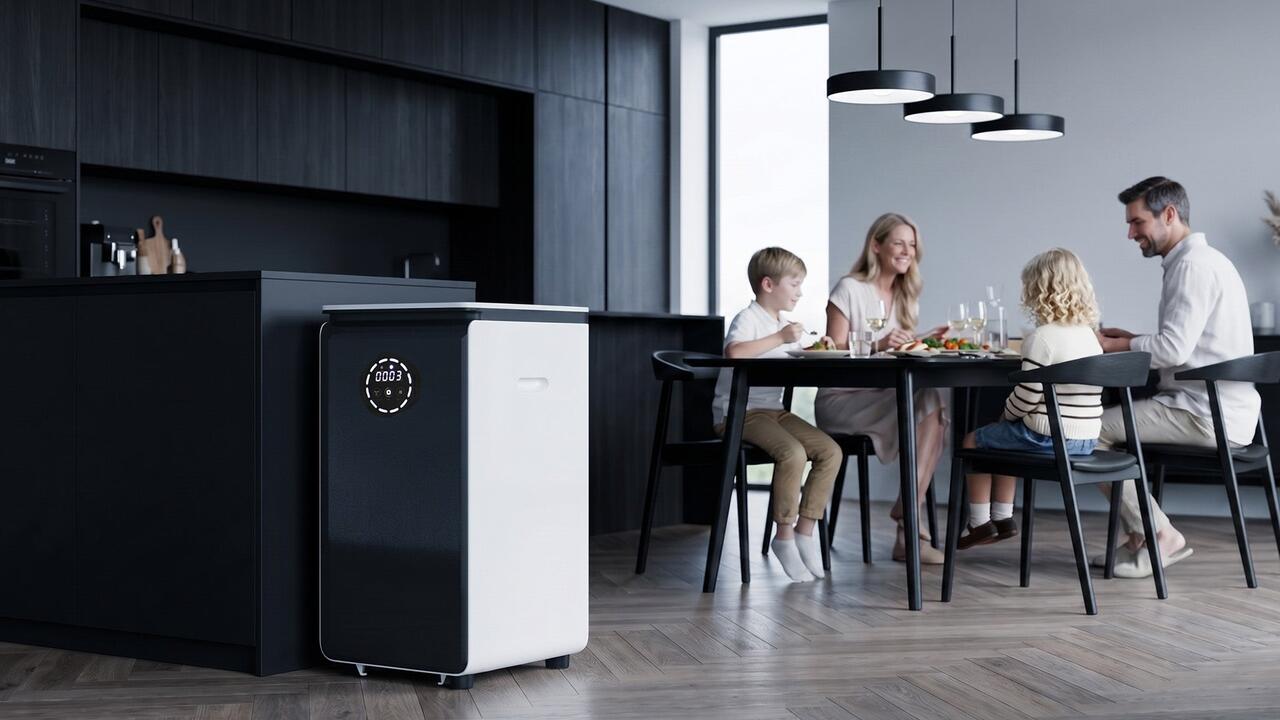
- Is a GEME Composter worth the investment? That question deserves a better answer than simply “yes.” A backyard compost pile can be much cheaper. Municipal organics collection may already solve the problem for some households. And powered composting appliances come with real ownership costs, including electricity. So our latest guide looks at GEME from a more practical perspective: • Terra 2: designed primarily for 1–3 person households • GEME Pro: higher-capacity option for 4+ people and heavier food-waste loads • Continuous
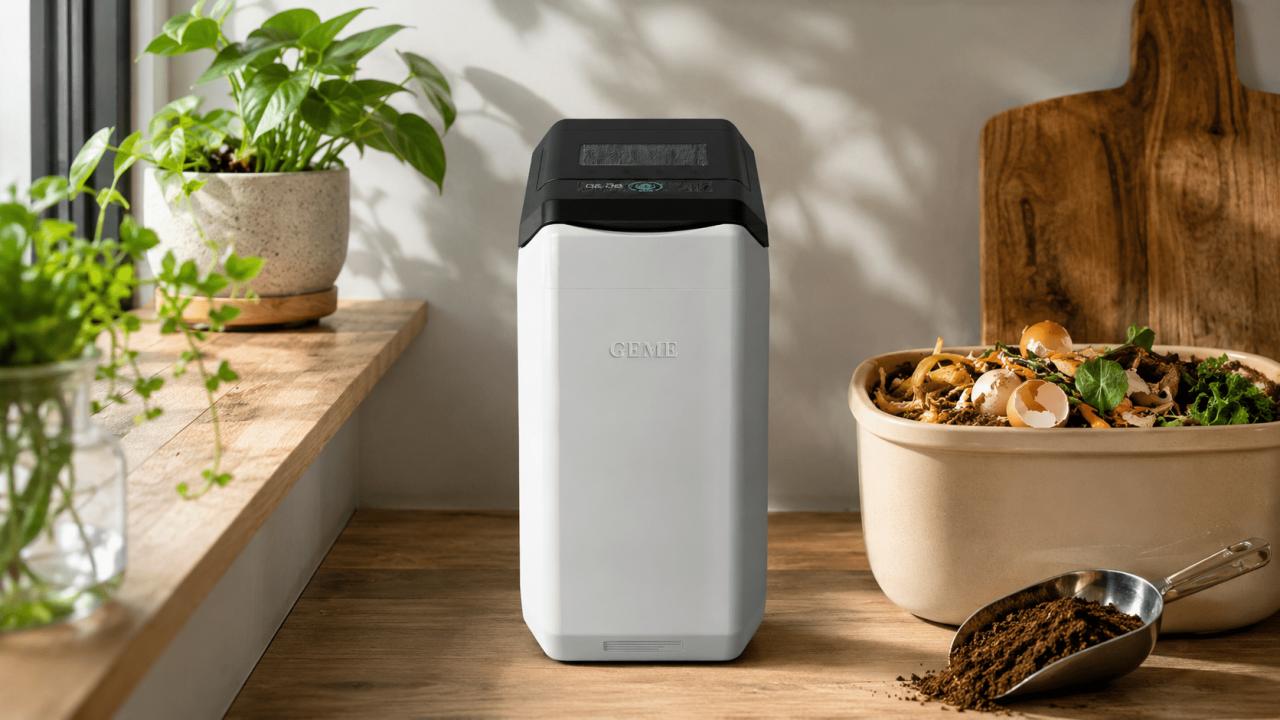
- What happens when a composting publication, not just a tech reviewer, tests GEME Terra 2? Compost Magazine spent several weeks using Terra 2 with real household food waste, including mixed leftovers, meat, thick sauces, paper, a whole apple, sweetcorn and even small chicken bones. Their rating: 4.4/5. What stood out most was not simply speed. It was the biological process itself. Soft mixed food became difficult to recognize within hours, while larger or more resistant materials such as whole fruit, paper and bones took longer. That
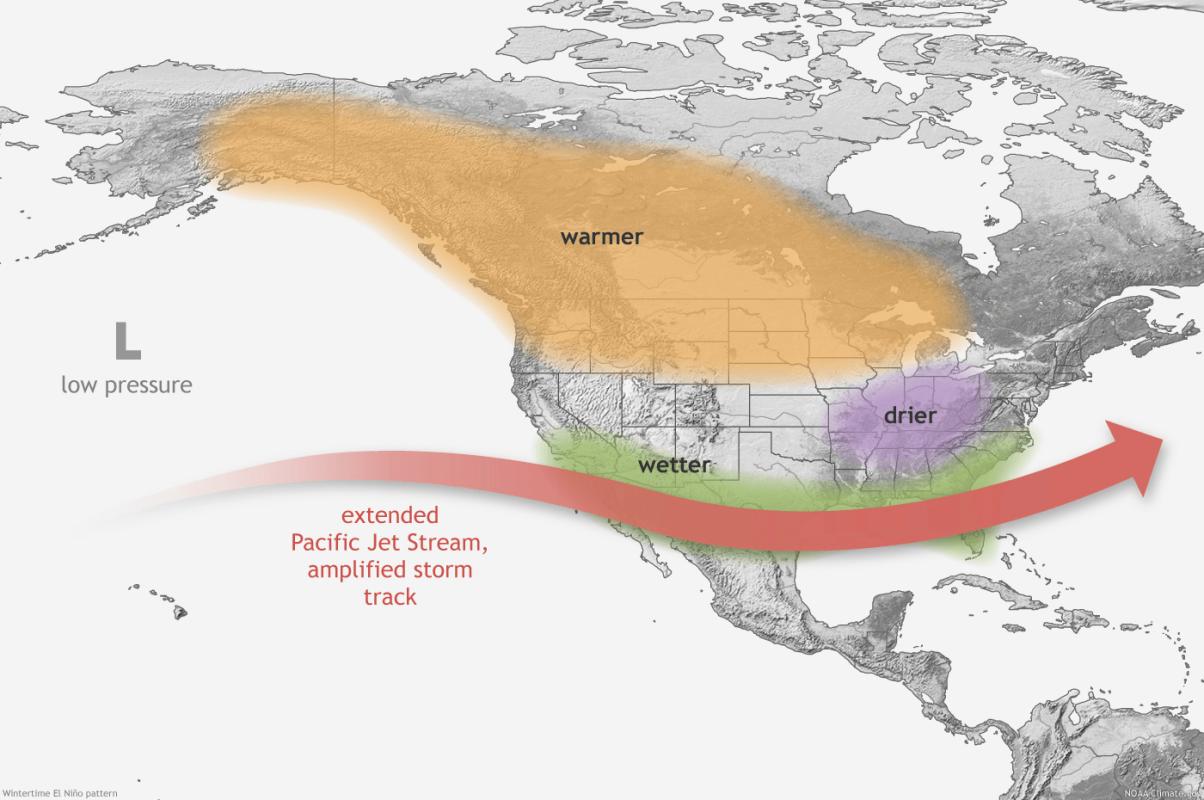
- El Niño is a climate phenomenon. Food waste is a human choice. The two should not be confused, but they do belong in the same climate conversation. NOAA now says the 2026 El Niño is strengthening, with a greater than 90% chance of becoming a very strong event during Northern Hemisphere fall and winter 2026–27. That means renewed attention on drought, flooding, heat, agriculture and food-system resilience. But resilience is only half of the equation. We also need to ask which greenhouse-gas emissions are still avoidable.
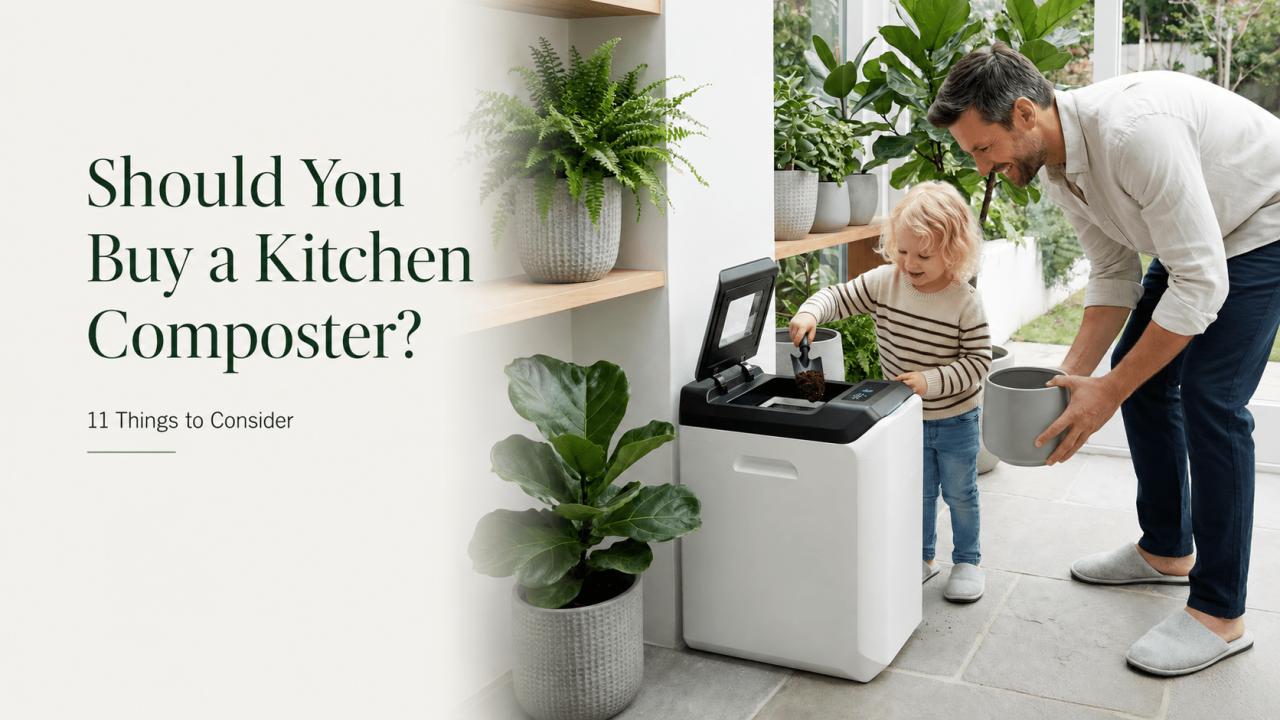
- The fastest kitchen composter isn’t necessarily the best one. A better question is: what problem are you actually trying to solve? People shopping for an electric composter often compare price, cycle time and capacity first. But those numbers don’t tell you what ownership will actually feel like. Before buying, we think there are 11 more useful questions: • What process is happening inside the machine? • How much food waste does your household really generate? • Where will the appliance permanently live? • How is odor controlled? •

Related profiles
Something wrong or missing? Send an update. Fixed within 24 hours.