
Overview
IndieStudio is an AI consultancy and product studio with its headquarters listed in Brussels. It describes its work as designing AI systems around how a business already operates and turning high-friction workflows into software. The services are grouped into workflow automation, product systems, AI operations and delivery support, and the company builds around the tools and data a client already uses, including CRMs, Google Workspace, databases, APIs, dashboards and custom internal software. The stated engagement sequence runs from framing the operational problem, to tracing the people, tools, data, decisions, approvals and exceptions in a workflow, to building the smallest reliable system that removes the friction. Alongside client work, IndieStudio publishes 16 case files spanning flagship products, B2B and enterprise tools, developer tools and productivity software. VoxChimp is a macOS voice-to-text app at production stage, with a Pro tier at 7.99 US dollars per month or 59.99 US dollars per year after a 30 day trial. Kuratd transcribes podcast episodes on device using WhisperKit and generates briefs, with a macOS app described as App Store ready. Platd is a recipe app built around cooking completion. Other listed projects include Tell Me a Story, Dolly, FuelSync, Deal Broker, Flowline, DataCrunch, Revoola, Longevitest, Agent Orchestra, Claude Dev Workflow, PersonalOS, Jarvis and Toko.
Stated facts & numbers
- Headquarters: Brussels
- Employees: 1
- Industry: Technology, Information and Internet
- Type: AI consultancy and product studio
- Services: Workflow automation, product systems, AI operations, delivery support
- Projects listed: 16 case files across flagship, B2B, developer tools and productivity
- Products in production: VoxChimp, Deal Broker, Agent Orchestra, PersonalOS
- Website: indiestudio.ai
In the news
- Your AI passed the security test. The attacker did not promise to repeat it. GPT-Red points toward a better operating model: attacks, defences, and regression tests that keep learning after every model, prompt, tool, or permission change. Automated red teaming is evidence, not a safety certificate. The control layer still needs limited permissions, approval gates, logs, sandboxing, and rollback. https://lnkd.in/eHU8X9PS #AISecurity #AIAgents #PromptInjection #AIEngineering [This content was summarised by AI, reviewed by a human]
- Anthropic may have found a window into AI intent. Do not turn it into a safety badge. Its J-space research suggests evaluators can sometimes detect active concepts inside Claude before they appear in the answer. That is a useful new sensor, not proof of safety. The operator move is to pair internal signals with scoped permissions, tool logs, source evidence, adversarial tests, human approval, and rollback. A quiet monitor should never become a permission slip. https://lnkd.in/e64WP_s6 #AISafety #AIAgents #AIObservability
- AI in government is the loud story. The useful founder lesson is quieter: serious AI work needs a control layer. If a model can touch customer data, source code, security logs, or financial records, it is not just a chatbot anymore. It needs scoped access, blocked actions, approval gates, audit logs, fallback plans, and a named owner. The teams that move fastest with AI will not be the ones with no brakes. They will be the ones that know exactly where the brakes are. https://lnkd.in/e4JcPgFG #AI #AIGovernance #Automation
- A coding-agent leaderboard is not an operating model. OpenAI audited SWE-Bench Pro and estimated that about 30% of its public tasks may be broken. The takeaway for founders and software teams is not "ignore benchmarks." It is: use them for discovery, then test the agent on your own repo, conventions, review process, and risk tolerance. Public scores tell you where to look. Your workflow tells you what to trust. https://lnkd.in/eau_nxzG #AI #SoftwareEngineering #AIAgents #StartupOps [This content was summarised by AI, reviewed by a
- AI smart glasses are useful. They are also a trust test. When recording becomes ambient, the privacy boundary extends to coworkers, customers, partners, and strangers who never touched the settings page. User controls protect the wearer. They do not automatically create bystander confidence. If your AI product captures physical space, build visible signals, hard-off modes, sensitive-space rules, and retention limits before rollout. https://lnkd.in/eQEt_TzS #AI #Privacy #AIGovernance #ProductOps [This content was summarised by
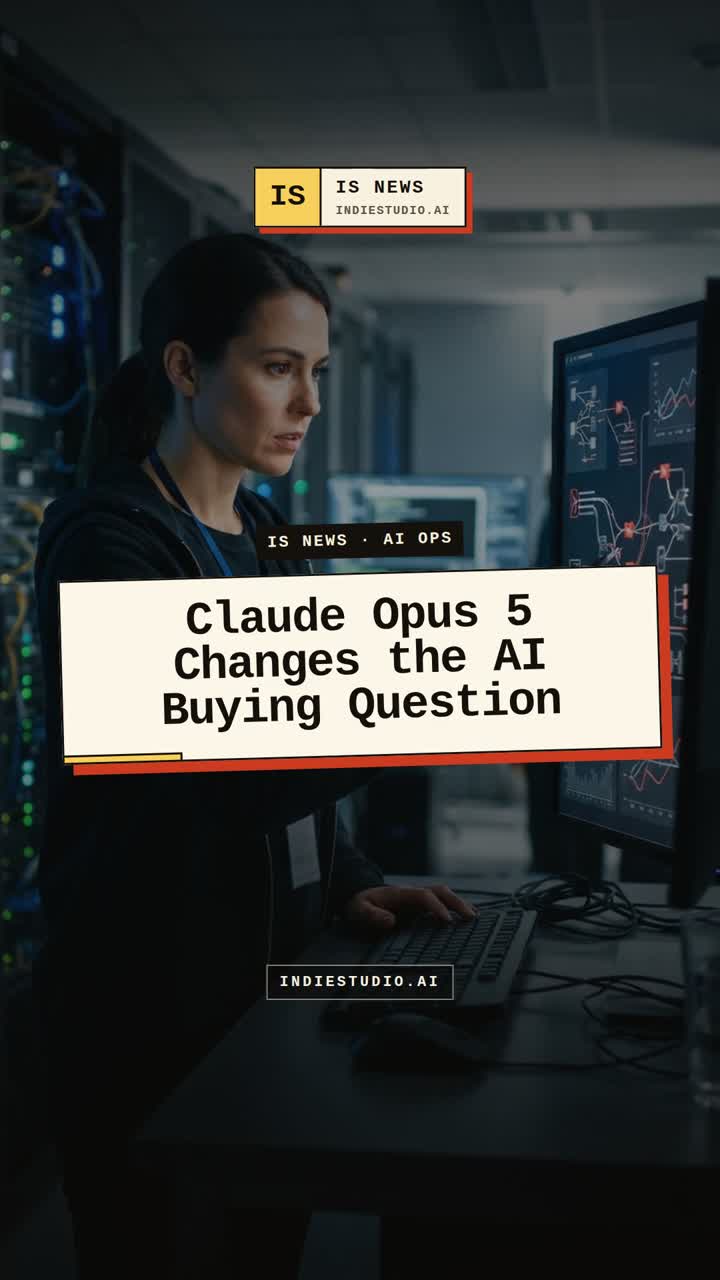
- Claude Opus 5 changes the AI buying question. A cheaper token is not a cheaper outcome when people must repair incomplete work. Measure verified completion, review time, failure severity, and total task cost before changing your routing. What matters more in your AI stack: token price or verified task cost?
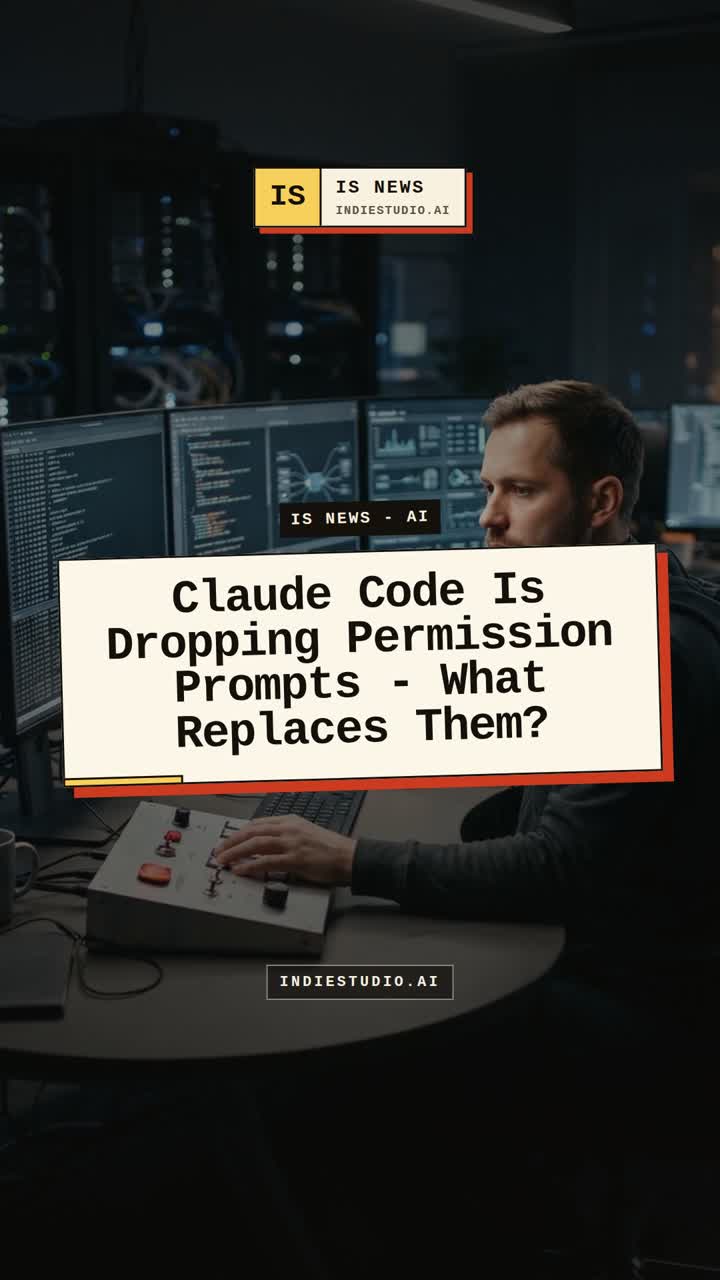
- Claude Code is dropping permission prompts. What replaces them? Anthropic is making auto mode the default for many Claude Code users. The operator lesson is not fewer prompts. It is separating routine work, prohibited actions and decisions that still need fresh human approval, then backing that policy with isolation, receipts and a stop path. Which coding-agent action should always require fresh human approval?
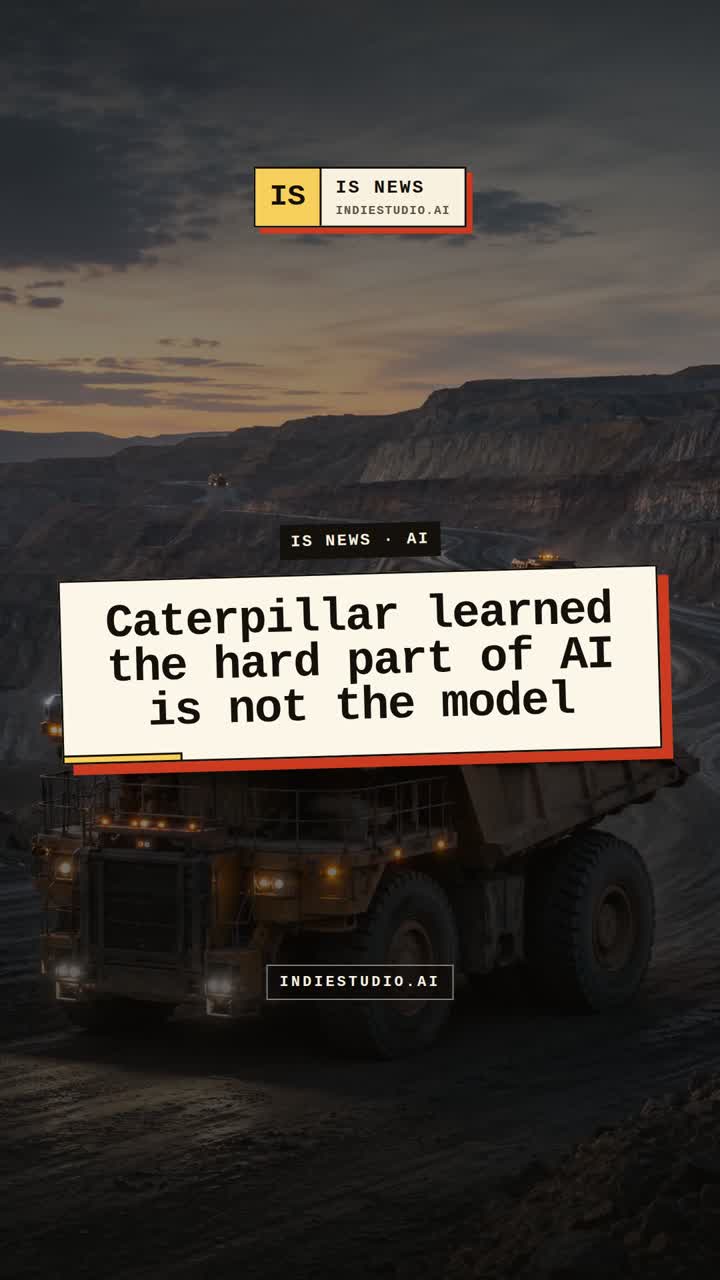
- Caterpillar spent decades putting autonomy into dangerous, messy work. Its most useful AI lesson is not about machinery. The hard part is changing the workflow around the tool. Pick one job. Define the evidence the AI is allowed to use. Capture how an experienced person handles common cases and edge cases. Add a human gate where errors become costly. Then measure the whole task. Which AI tool in your company still sits beside the real work instead of inside it?

Something wrong or missing? Send an update. Fixed within 24 hours.