
Overview
Mirrors of Medicine offers interactive, case-based CME programmes focusing on oncology topics including bladder, breast, prostate cancer, and renal cell carcinoma. The programmes translate new data from key congresses and peer-reviewed papers into clinical practice through online, virtual, and in-person learning opportunities, including the PinPoint Case Platform and EACCME-accredited Global Forum.
In the news
- What has changed in advanced breast cancer care in 2025—and what should clinicians and researchers be paying closest attention to? 🧬🎗️ 8th International Consensus Guidelines for the management of advanced breast cancer (ABC8 Guidelines) The 8th Advanced Breast Cancer (ABC) International Consensus updates global recommendations for managing advanced #BreastCancer across all subtypes. ➡️ Key changes include a revised definition of endocrine sensitivity and resistance, updated treatment algorithms, and new guidance on clinical

- In case you missed it... Our latest Hot Topics of the Week features Dr. Jérémy Blanc's take on a study examining regional differences in bladder cancer clinical trial availability across the US. Find out why this publication stood out to him and explore the other key papers highlighted this week.
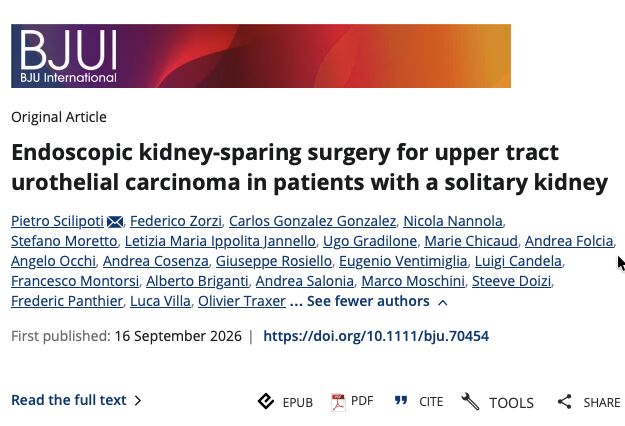
- New multicentre data on endoscopic kidney-sparing surgery for UTUC in solitary-kidney patients is putting real numbers behind a difficult trade-off: frequent recurrence versus the chance to avoid dialysis altogether🧬 Endoscopic kidney-sparing surgery for upper tract urothelial carcinoma in patients with a solitary kidney A retrospective multicentre study followed 62 solitary-kidney patients treated with endoscopic kidney-sparing surgery for upper tract urothelial carcinoma. ➡️Over a median 65-month follow-up, recurrence reached
- What changes in the genomic landscape of metastatic breast cancer as patients get older? A large cohort of 2,379 patients with metastatic breast cancer (MBC) provides new insights into how age at diagnosis is associated with tumor genomics. 🔬 Older patients had: ➡️ More CDH1, MAP3K1 and PIK3CA mutations ➡️ Fewer TP53 alterations ➡️ Higher tumor mutational burden (TMB), particularly in HR+/HER2− and triple-negative breast cancer. 🧬 PI3K pathway alterations were also enriched among patients aged ≥70, highlighting the

- Does waiting longer to deliver high-dose chemotherapy matter in relapsed germ cell tumors? Contemporary outcomes of salvage high-dose chemotherapy in advanced germ cell tumors: an analysis of the cellular therapy and immunobiology working party of the EBMT registry This large European 🇪🇺 registry study of 2,204 men with relapsed germ cell tumors provides contemporary real-world evidence supporting salvage high-dose chemotherapy 🧪 with carboplatin–etoposide. ➡️ Median overall survival was 36.4 months and progression-free

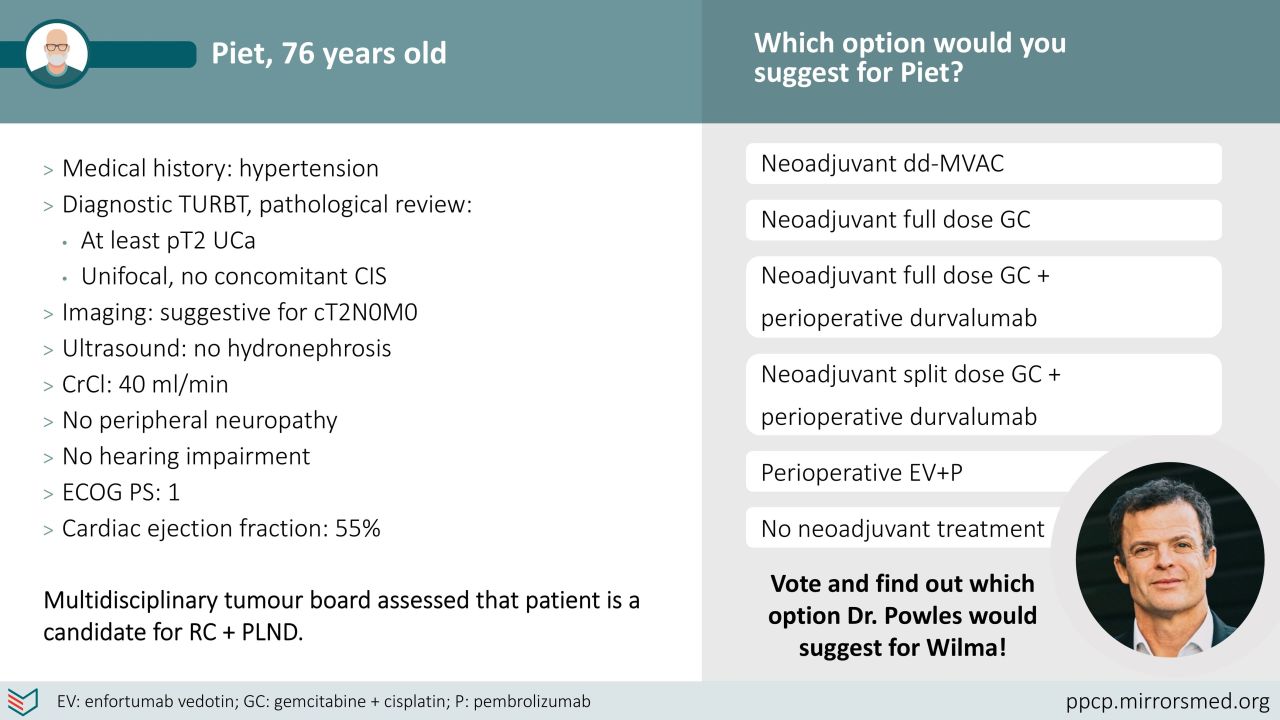
- What would be your preferred treatment approach for this patient? Cast your vote in our clinical case challenge: https://lnkd.in/ebx8Sj4G Once you've submitted your response, you'll be able to compare your choices with Dr. Thomas Powles's expert ratings and rationale.
- What changes in the genomic landscape of metastatic breast cancer as patients get older? https://lnkd.in/eRbZWhn6 Tumor genomic landscape of older patients with metastatic breast cancer A large cohort of 2,379 patients found that older age at MBC diagnosis was associated with more CDH1, MAP3K1 and PIK3CA mutations, but fewer TP53 alterations. ➡️Older patients also had significantly higher tumor mutational burden, particularly in HR-positive/HER2-negative and TNBC disease. ➡️PI3K 🧬pathway alterations were enriched in patients aged

- In this clinical case discussion, Dr. Fabio Turco reviews the treatment options for a patient with bone-predominant mCRPC who developed disease progression following ADT monotherapy for relapsed N1M0, hormone-sensitive prostate cancer. 🗳️ What would be your preferred treatment approach? https://lnkd.in/e4iN_29Q


Something wrong or missing? Send an update. Fixed within 24 hours.