
Overview
Molecubes designs user-friendly, modular molecular imaging solutions (X-CUBE, γ-CUBE, β-CUBE) for research labs, making preclinical imaging more accessible. Their benchtop systems are applicable across oncology, drug development, neurology, cardiology, and other research fields.
Key people
In the news
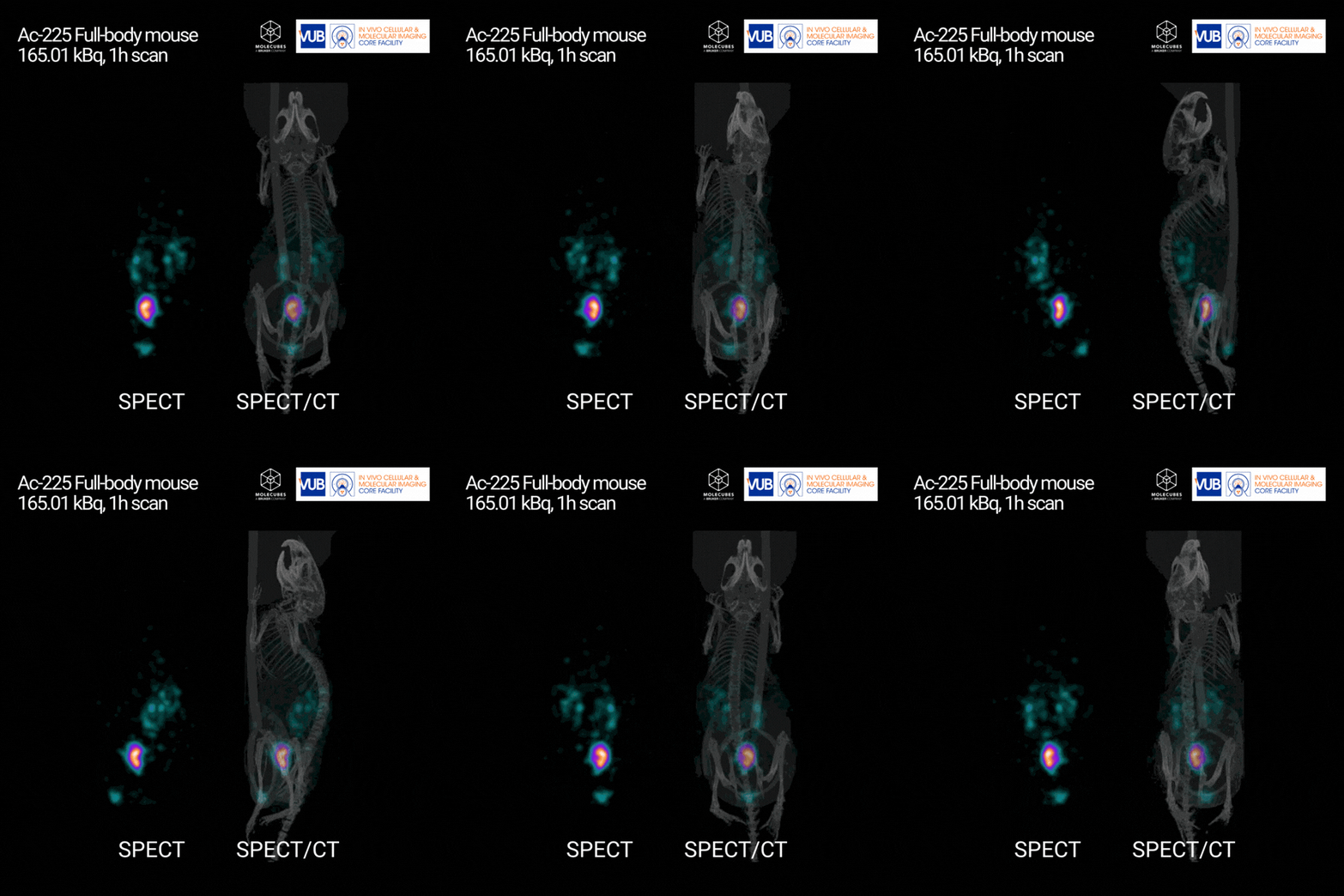
- The same property that makes Ac-225 therapeutically efficient is what makes it difficult to image with SPECT. Its short-range alpha decay is highly damaging to nearby cells, effective where other treatments fail. However, that decay is also why it's hard to see: Ac-225's daughter isotopes emit high-energy photons in low abundance. 🔬 This week: our first in vivo images on the next-generation SPECT Ɣ-CUBE! A static Ac-225 full-body mouse scan. This study was done in collaboration with MITH Brussel at VUB/UZ Brussel UMCOR, Vrije
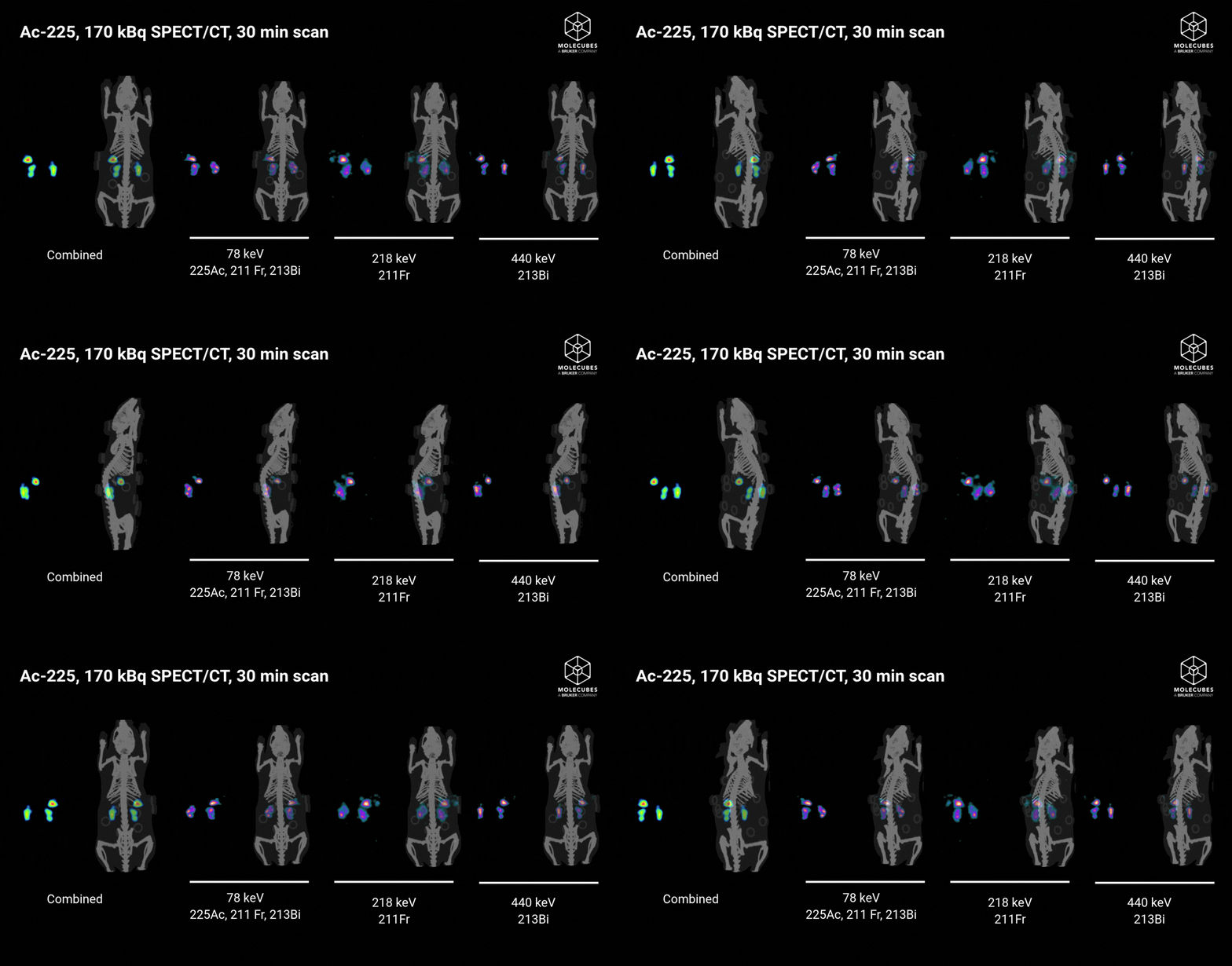
- How do you image low-dose, high-energy radioisotopes and still trust where its signal is coming from? Ac-225 is typically administered at low dose, and its high-energy photons push the resolution of standard SPECT systems. Additionally, Ac-225's daughter isotopes can end up somewhere else entirely, distributing to other organs instead of the intended target. Separating energy windows with the next-generation SPECT Ɣ-CUBE can give more detail, showing where the Ac-225 and its daughter isotopes are really ending up. 🔬This week we
- Missed WMIC last week? We got you covered! 🔬 This October, the global nuclear medicine community gathers in Vienna for European Association of Nuclear Medicine (EANM)’26, will we see you there? Last year, EANM gathered almost 10,000 professionals worldwide in the field of nuclear medicine, molecular imaging, and theranostics. The key theme of theranostics continues to drive innovation, with strong attention to established targets like the thyroid, PSMA, and SSTR, and expanding applications through improved dosimetry and

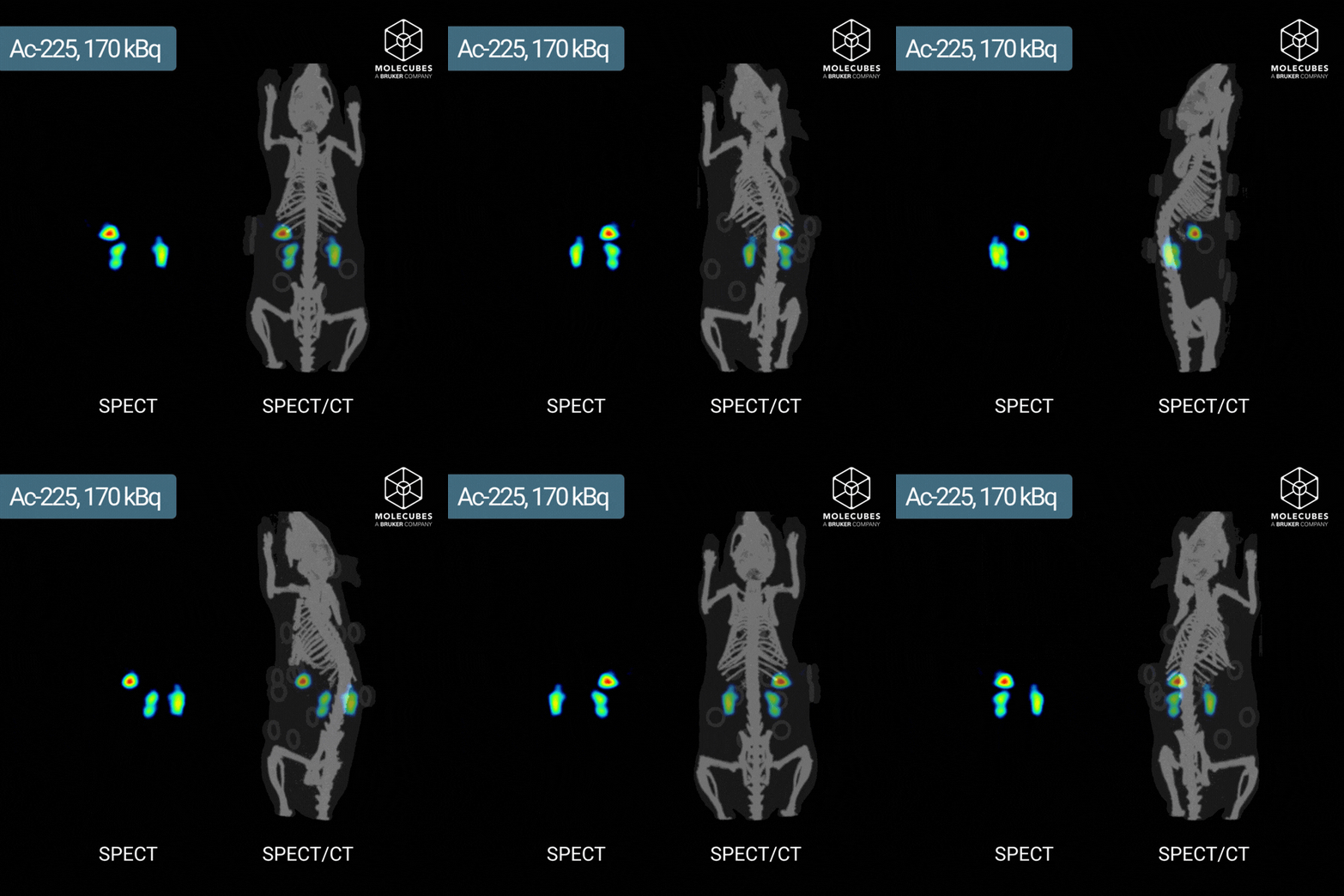
- How do you image one of the toughest isotopes in nuclear medicine? Ac-225 is typically administered at low activity levels for SPECT imaging, making the signal weak to begin with. Additionally, the high-energy photons it emits, degrade spatial resolution. Seeing this and other high-energy isotopes cleanly meant designing a SPECT system specifically around that problem: the next-generation SPECT Y-CUBE. Starting today, we are releasing a new series showing real imaging data from our new Y-CUBE every week, running up to EANM in
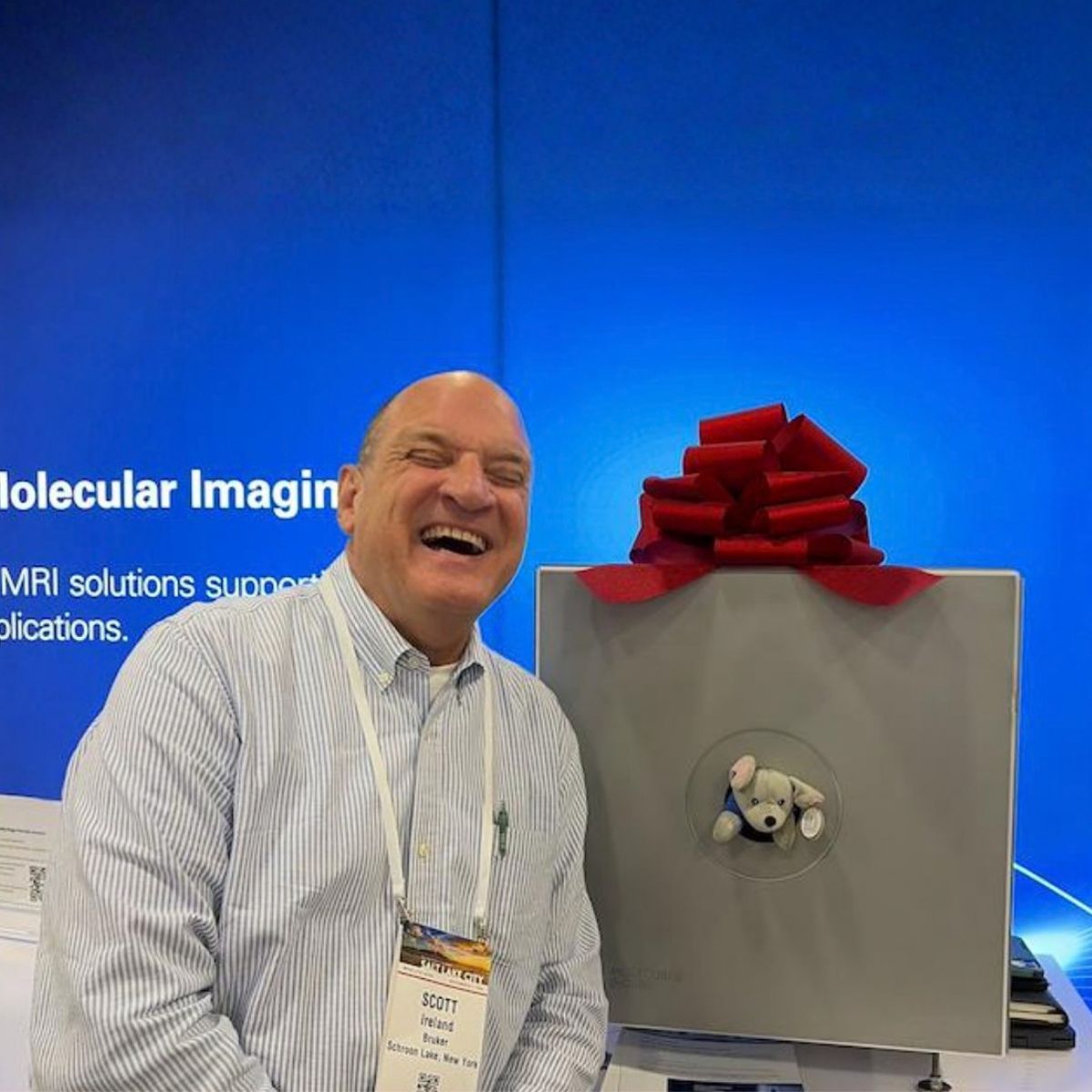
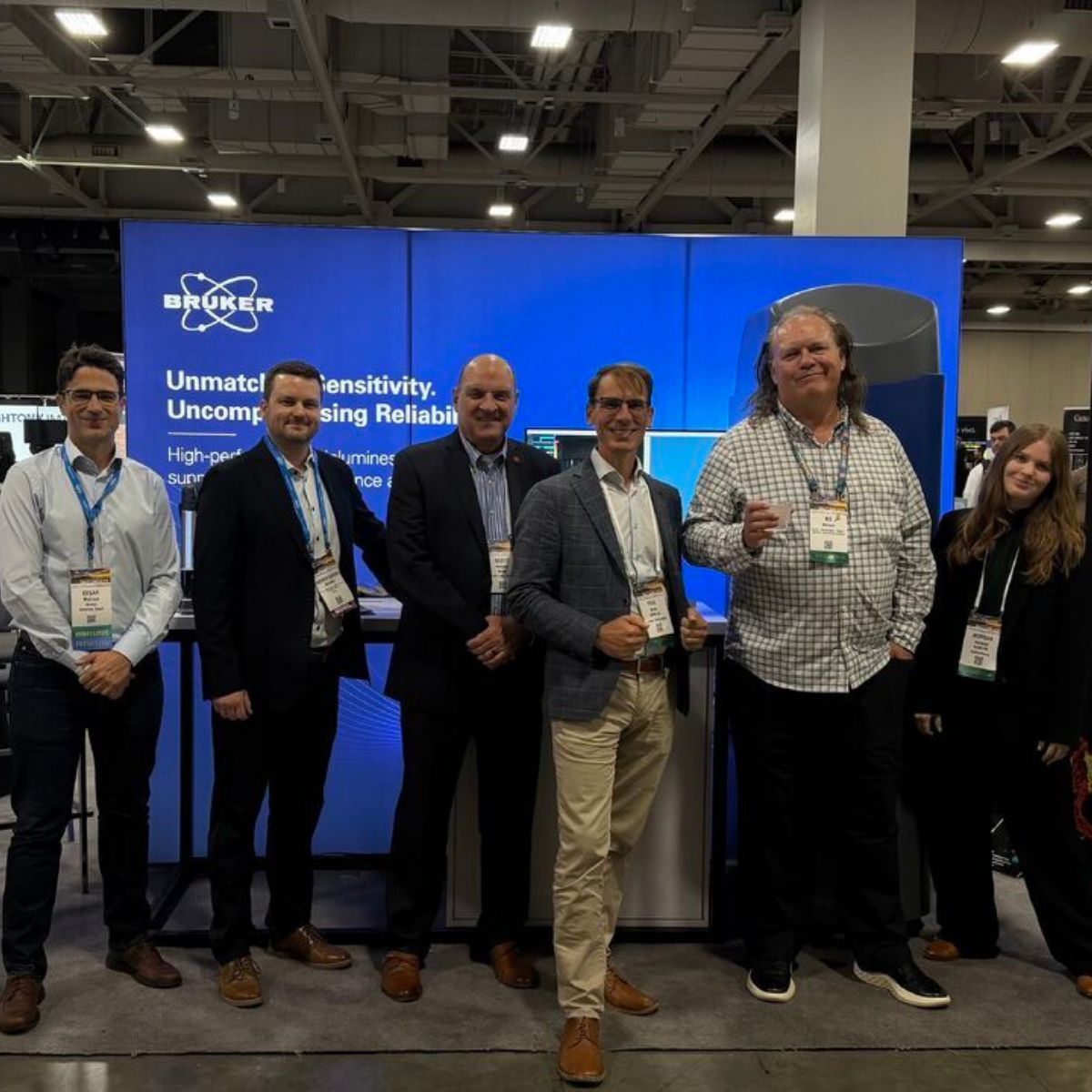
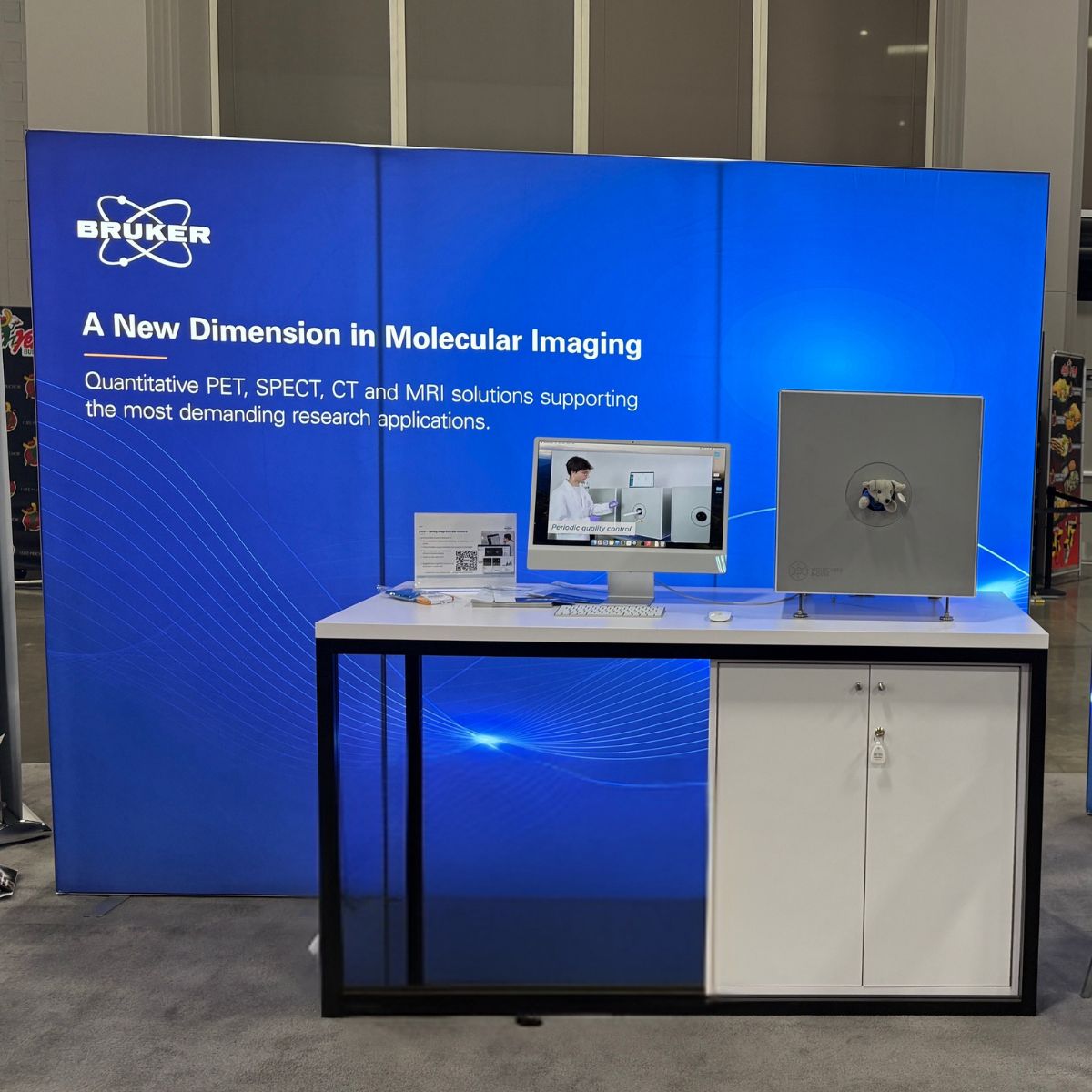
- Find us at the World Molecular Imaging Congress (WMIC) in Salt Lake City this week! We are excited to talk to you about our latest launch: As experimental requirements steadily evolve, we built the next-generation SPECT CUBE, capable of detecting low-uptake signals and imaging high-energy radionuclides. 🚨 The first data will drop online TOMORROW But if you are at WMIC, you’ll get the information first. Join Booth 312 to meet our team Scott D. Ireland, Andrew Brannen, PhD, Cesar Molinos Solsona, Bo Nelson, and Guillaume TETARD from
- Can a chick embryo be used as a model for early glioblastoma studies? 💡Application in the Spotlight The chick chorioallantoic membrane (CAM) model has been proposed as a faster model to bridge in vitro and in vivo oncology studies compared to rodents, which take months to establish. But does the CAM model actually reproduce tumor biology? This study from Gash, E.N. and colleagues at the University of Liverpool investigated the hypoxia-driven vascular remodeling and glycolytic shift in glioblastoma (GBM) xenografts in the CAM
- The World Molecular Imaging Congress takes place in Salt Lake City this year. Will we see you there next week? 📍 Meet our team Scott D. Ireland, Andrew Brannen, PhD, Cesar Molinos Solsona, Bo Nelson, and Guillaume TETARD at booth 312 🔬Browse the latest technology from MOLECUBES Bruker BioSpin, Bruker Preclinical Imaging, PMOD and Spectral Instruments Imaging 📆 WMIC, September 8-11 PS. We’ll be sharing more details and the first data from our next-generation SPECT CUBE 👀

- High-energy radionuclides are where theranostic research is heading. But what happens when SPECT meets high-energy isotopes? Higher energy brings more penetration and scatter, and as a direct result, quantification can become less reliable. → The next-generation SPECT γ-CUBE was built to overcome this problem. We designed an optimized shielding architecture to preserve resolution at these higher energies. Iodine-131, Lead-212, Actinium-225 , and its daughter isotope Bismuth-213 all emit higher-energy photons than the diagnostic

Alumni
- PBert VandeghinsteSenior Engineer and Founder
Related profiles
Something wrong or missing? Send an update. Fixed within 24 hours.