
Overview
Neuvasq Biotechnologies is pioneering the development of first-in-class Gpr124- and Reck-targeting Wnt surrogate antibodies, designed to restore the integrity of the blood-retina and blood-brain barriers. This approach targets vascular retinopathies such as diabetic macular edema (DME) and wet age-related macular degeneration (wAMD), as well as severe neurological disorders.
In the news
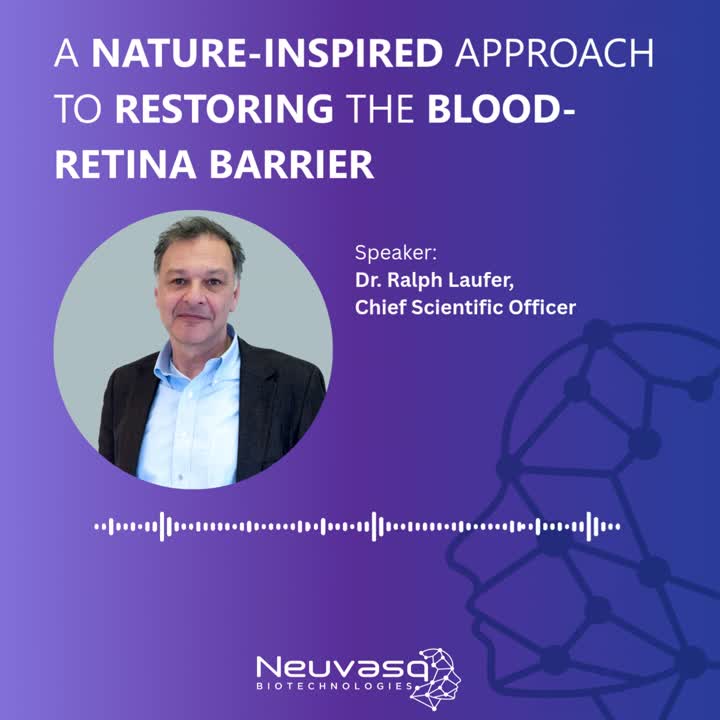
- How can an engineered antibody mimic a natural signaling molecule? Wnt7 naturally activates Wnt/β-catenin signaling through a receptor complex that includes GPR124 and LRP6, helping maintain the integrity of CNS vascular barriers. Neuvasq’s multispecific antibodies follow the same principle by binding both receptors and activating this pathway in a nature-inspired manner. By harnessing the physiological role of Wnt signalling in vascular stability, our goal is to restore compromised barrier function, while preserving a favorable
- Today, we are proud to introduce Oya Yilmaz, an experienced Research Associate who has brought valuable scientific insights and hands-on expertise to Neuvasq’s drug discovery team for the past year and a half. 🌱 How does she contribute to the team? Oya focuses on developing and optimizing in vitro models to assess the potency and efficacy of our drug candidates. Her work helps us better understand how candidates perform and how different experimental parameters can influence the results. 💡 Which part of her work she enjoys most?
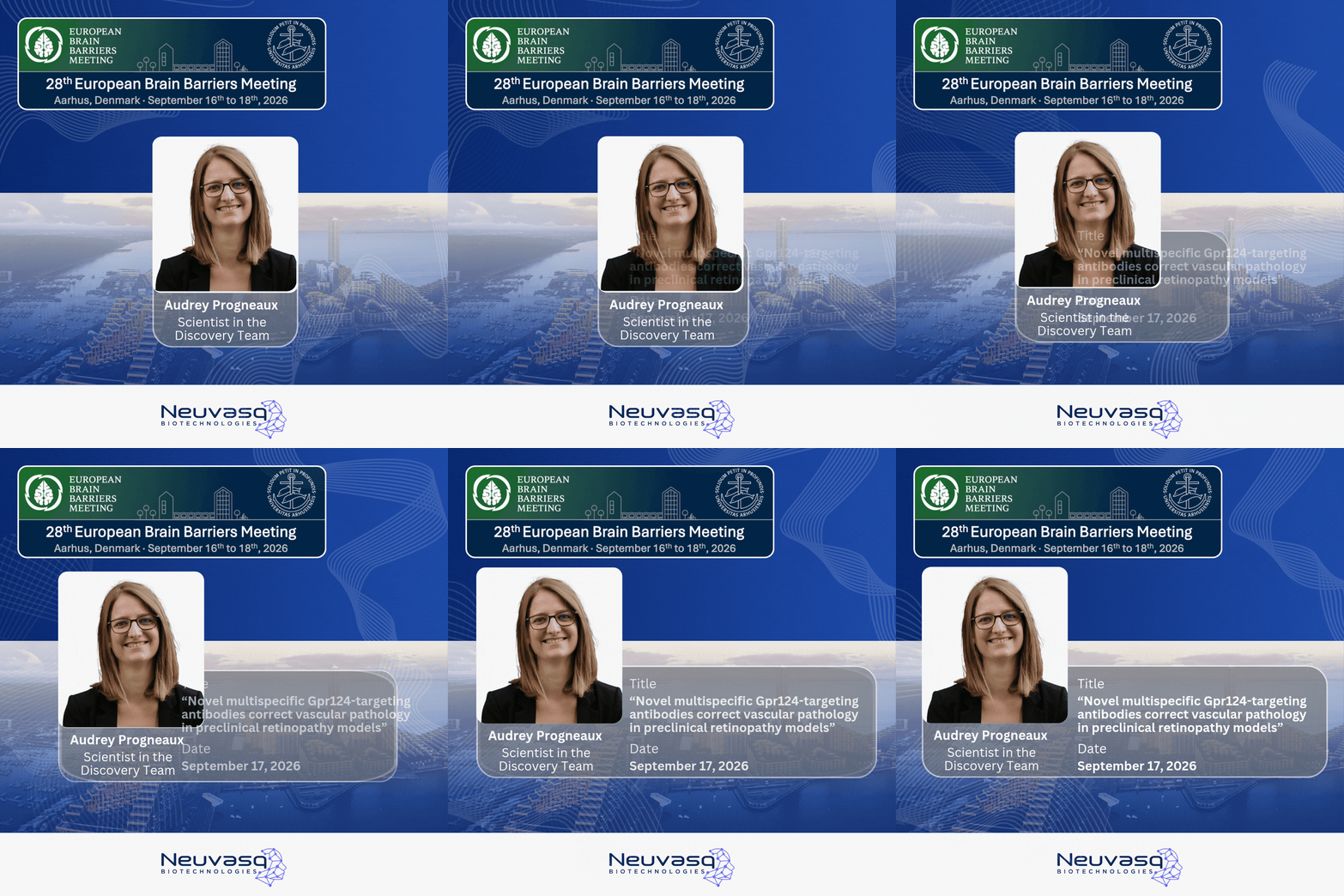
- After a productive summer, we are ready to reconnect with the scientific community! We look forward to attending the European Brain Barriers Meeting 2026 on September 16–18 in Aarhus, Denmark and sharing insights into our approach to restoring neurovascular integrity. Neuvasq’s first-in-class multispecific antibodies are designed to activate the Wnt/β-catenin pathway to selectively repair neurovascular barriers, with the potential to slow or prevent disease progression. We invite you to join our poster presentation and learn
- 𝐀𝐧𝐭𝐢-𝐕𝐄𝐆𝐅 𝐭𝐡𝐞𝐫𝐚𝐩𝐢𝐞𝐬 𝐚𝐫𝐞 𝐝𝐞𝐬𝐢𝐠𝐧𝐞𝐝 𝐭𝐨 𝐛𝐢𝐧𝐝 𝐚𝐧𝐝 𝐧𝐞𝐮𝐭𝐫𝐚𝐥𝐢𝐳𝐞 𝐕𝐄𝐆𝐅, 𝐚 𝐤𝐞𝐲 𝐟𝐚𝐜𝐭𝐨𝐫 𝐭𝐡𝐚𝐭 𝐢𝐬 𝐚𝐛𝐧𝐨𝐫𝐦𝐚𝐥𝐥𝐲 𝐞𝐥𝐞𝐯𝐚𝐭𝐞𝐝 𝐢𝐧 𝐃𝐌𝐄 𝐚𝐧𝐝 𝐰𝐞𝐭 𝐀𝐌𝐃. However, blood-retina barrier dysfunction involves multiple pathways and structural changes beyond VEGF alone. While anti-VEGF therapies can reduce leakage, they do not directly repair the damaged barrier itself. As a result, some patients experience incomplete or insufficiently durable responses, highlighting
- 𝐖𝐡𝐞𝐧 𝐭𝐡𝐞 𝐫𝐞𝐭𝐢𝐧𝐚 𝐢𝐬 𝐬𝐰𝐨𝐥𝐥𝐞𝐧 𝐚𝐧𝐝 𝐬𝐭𝐫𝐮𝐜𝐭𝐮𝐫𝐚𝐥𝐥𝐲 𝐝𝐢𝐬𝐫𝐮𝐩𝐭𝐞𝐝, 𝐩𝐚𝐭𝐢𝐞𝐧𝐭𝐬 𝐜𝐚𝐧 𝐬𝐮𝐟𝐟𝐞𝐫 𝐟𝐫𝐨𝐦 𝐛𝐥𝐮𝐫𝐫𝐞𝐝, 𝐝𝐢𝐬𝐭𝐨𝐫𝐭𝐞𝐝 𝐨𝐫 𝐝𝐢𝐦𝐦𝐞𝐝 𝐯𝐢𝐬𝐢𝐨𝐧. In diabetic macular edema (DME) and wet age-related macular degeneration (wet AMD), breakdown of the blood-retina barrier allows fluid and other substances to leak into retinal tissue. This can result in retinal swelling, cysts formation and abnormal blood vessel growth. Left unchecked, these changes can
- After a busy and successful first half of the year, the Neuvasq team came together for our summer team meeting. It was a valuable opportunity to reflect on the progress made so far, look ahead to the months to come and, most importantly, spend time together outside the office. A round of bowling, plenty of laughter and some friendly competition made for a great evening. Thank you to the entire team for the hard work, commitment and energy. We are excited for what lies ahead!
- Developing safe and efficient methods to activate this [Wnt/ β-catenin] pathway in barrier endothelial cells would be transformative." – Dr. Ralph Laufer. Neuvasq Biotechnologies CSO Ralph Laufer and expert retinal clinician Wai T. Wong joined Mike Ward on BioBiz Buzz to discuss how Wnt/β-catenin signaling, activated through the Gpr124-Reck co-receptor complex, could unlock a new generation of disease-modifying therapies for Diabetic macular edema (DME) and wet Age-related macular degeneration (wAMD). The speakers dive into the
- We are heading to BIO International Convention 2026 in San Diego! 🧬 From June 22–25, Isabel Vogel, will be on site to explore new partnering opportunities with investors, pharma and biotech companies who share our vision of bringing innovative therapies for neurovascular barrier dysfunction to patients. At Neuvasq, we advance disease-modifying multispecific antibodies designed to restore and protect the integrity of the blood-retina barrier. By addressing retinal vascular dysfunction, our approach has the potential to slow,

Something wrong or missing? Send an update. Fixed within 24 hours.