
Overview
Paleo was founded in 2020 and is headquartered in Brussels. The company uses precision fermentation to produce heme proteins, the molecules responsible for the meat-like flavor and color in animal products, without the use of GMO organisms. These proteins are sold as ingredients to plant-based meat producers who want to improve the taste and appearance of their products.
The company raised a EUR 12M Series A. Paleo's GMO-free positioning addresses a key commercial barrier in European markets where consumer and regulatory sensitivity to GMOs is high, distinguishing it from some US-based precision fermentation competitors.
Funding & milestones
3 events found for Paleo · 2021–2026
SeedVenture / equity1 source€2M
Reported amount €2,000,000
Company announces EUR 2m seed capital for research and an R&D center.
Series AVenture / equity1 source€12M
Reported amount €12,000,000
Participating investor confirms completed EUR 12m Series A.
Funding eventType unspecified1 sourceAmount not disclosed

Recorded history so far. Original currencies are preserved; amounts in different currencies are not added together. Debt, grants, acquisitions and listings are separate event types. Undated events appear last.
Profile narrative
- EUR 12M Series A
Key people

In the news
- Paleo turns 6 today! 🎂 Six years of building a company, and perhaps even more of building resilience. Entrepreneurship is an incredible journey, but definitely not for the faint-hearted. Looking back, here are six lessons I'd share with fellow founders: 1. Resilience is everything. Financials, management, Board reporting… you can learn all of that. But resilience is the real test. The highs can be extraordinary, the lows brutal. If that rollercoaster isn't for you, that's perfectly fine. But be honest with yourself. 2. Be driven
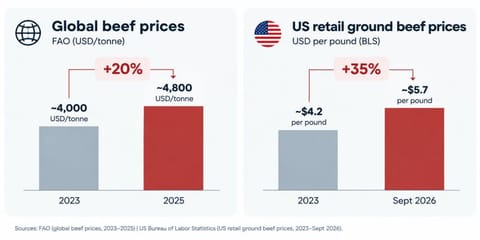
- Two developments on meat and alternatives that are worth watching: - Hybrid meat products can already be cheaper to manufacture than conventional meat products. However, these cost advantages are not necessarily reflected in retail prices, which are influenced by brand positioning and retailer margins. - Beef is getting considerably more expensive. Global prices increased approximately 20% between 2023 and 2025 (FAO), while US retail ground beef prices rose around 35% between 2023 and September 2026 (BLS). The opportunity is
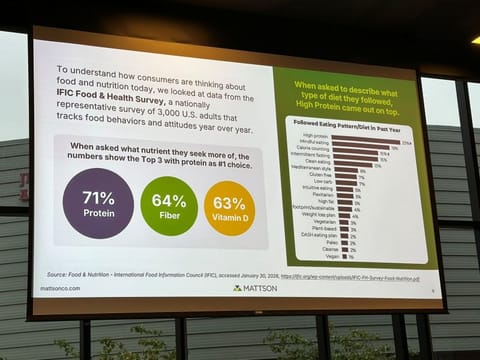
- Protein is no longer just about nutrition. It's increasingly about longevity. An interesting insight from Bridge2Food North America, supported by recent US consumer data (analyzed by Mattson): 1) High-protein diets are now the number 1 dietary preference, ahead of low-carb, high-fiber and vitamin-rich diets. 2) Motivations for that are shifting towards strength, weight management and healthy ageing. Protein is increasingly about optimizing health, not just preventing deficiencies. 3) Protein literacy remains surprisingly low.
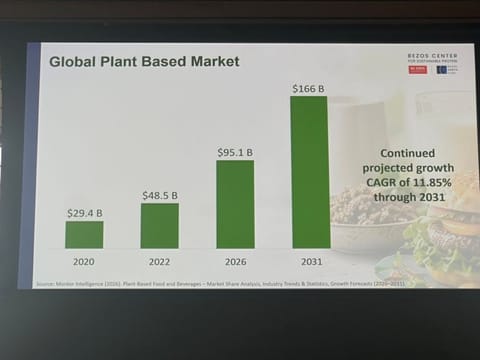
- The big breakthrough in plant-based foods may be taking longer than expected, but it’s happening. Attending Bridge2Food North America reinforces that position based on data. What makes this event particularly interesting is the broad representation of the food industry: flavour houses, retailers, ingredient suppliers, food manufacturers and more. This is not just a niche conversation. Climate change is already challenging our food systems, and feeding a growing population sustainably will require new solutions. Plant-based and
- Paleo has been nominated for 'The Ones to Watch: Top Climate Tech Builders'. It is a joint initiative of The Green Times and Climate Tech Connect and several partners. Obviously, we greatly appreciate the support for our mission to build more sustainable food systems.You can vote for us on via following link: https://lnkd.in/eJwXPYkM - Thank you!

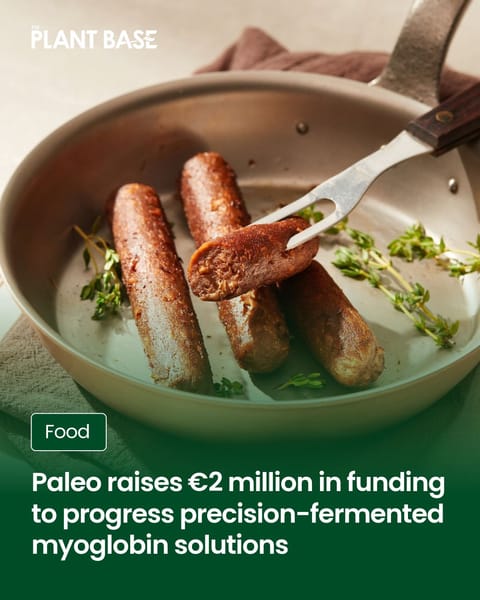
- Foodleap cheer-out to Paleo! €2M raised to support the commercial scale-up of its animal-free heme proteins. Congratulations to the Paleo team! Paleo is a great example of how precision fermentation can help tackle one of the key challenges in the protein transition: creating alternatives that deliver on the taste, aroma, colour and nutrition consumers expect. Using yeast fermentation, Paleo produces animal-free, non-GMO myoglobins — proteins naturally found in animal muscle, with applications in plant-based alternatives to
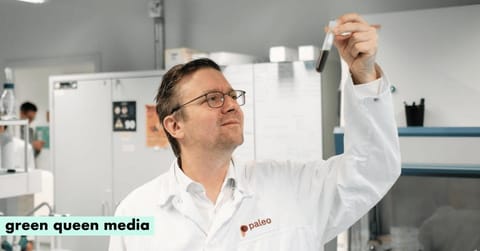
- An interview with Anay Mridul from Green Queen on Paleo, myoglobin and what comes next for alternative proteins: https://lnkd.in/eyQDjkKY. An excerpt: “We therefore believe myoglobin can be a game-changer for the category and help manufacturers develop products capable of bringing consumers back.” And on the need to rethink how we approach the market: “The alternative protein market has changed significantly, and I don’t believe simply repeating the strategies of the past will be enough. We need to find more creative ways. We are
- It’s been a while since I posted here. We’ve been working below the radar on securing additional funding for Paleo — and I’m happy to share that we succeeded. Our priorities are clear: advance our regulatory submissions and deepen strategic collaborations with commercial partners. The alternative protein sector has been going through a difficult period for several years. Yet we remain convinced about Paleo’s future. Why? Because our product is strong. Very strong. Over the past two years, we have reduced production costs by a factor


Related profiles
Something wrong or missing? Send an update. Fixed within 24 hours.