
Overview
PerPetum Energy delivers turnkey energy solutions with zero upfront investment and guaranteed savings. The company offers industrial solar, wind, and storage with fixed, predictable pricing across Europe over 20-year terms.
Leadership & org chart

In the news
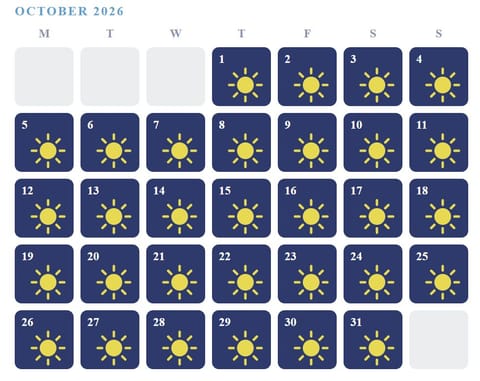
- The capture price shows what solar power is worth on the market: the average price in the hours when panels actually produce. In spring and summer, that price usually drops, as many panels produce at the same time. In October 2026, it reached € 141,2/MWh in Belgium. For companies that use their own solar power, that is the value of each MWh they no longer buy from the grid. Solar panels alone delivered the result Nina shares. An on-site energy hub, sized on your own load profile, gets even more out of a sunny month: – Stores solar
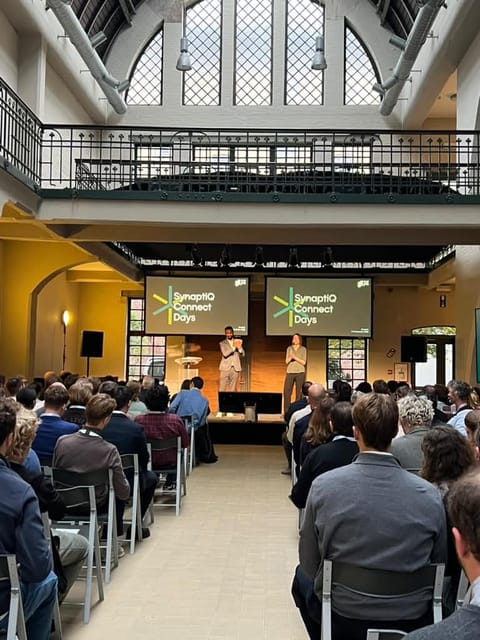
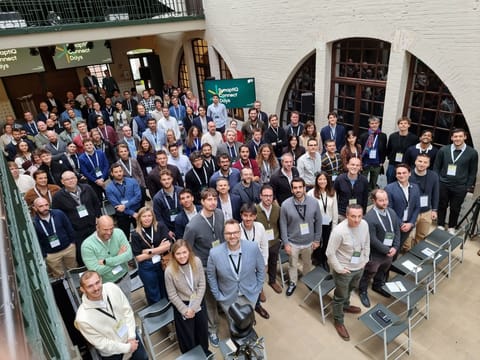
- Day 1 of SynaptiQ Connect Days 2026: the rules of Asset Performance Management have changed. Have you? 💪Every year, SynaptiQ Connect Days brings together customers from across the world, creating more than just an event: a true community of SynaptiQ users. A place to connect, exchange ideas, share experiences and challenges, and, above all, learn from one another. Four key pillars are shaping this year's conversations: 💠BESS 💠Revenue 💠AI 💠Scale 🗣️Today, we had the pleasure of hearing inspiring real-life case studies from
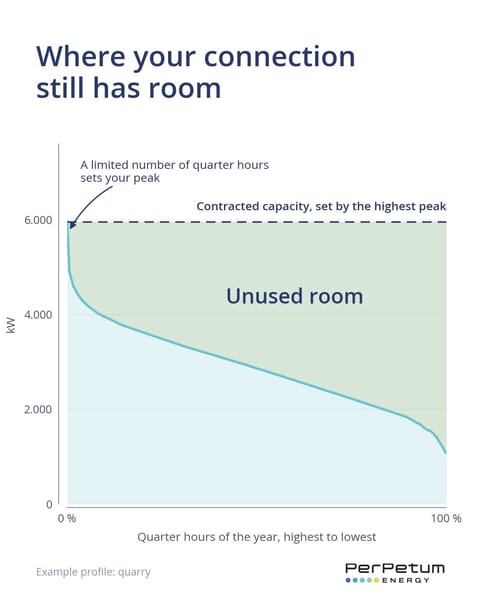
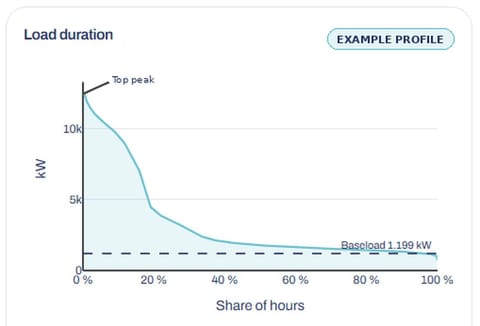
- Is your e-boiler or electric fleet on hold until the grid operator can offer a heavier connection? For many energy managers, this is where a well-prepared project stalls. The business case is approved and the supplier is ready. Then your request lands on a waiting list. Meanwhile, the gas bill and the carbon targets stay on your desk. Your contracted capacity follows the highest peak of the year. On most sites, that peak occurs in a limited number of quarter hours. 👉 The rest of the year, part of your connection stays unused. That
- Much of my time these past weeks has been spent on the road, mostly in Germany, sitting down with companies we might work with. It is a conversation we have regularly at PerPetum Energy. I am convinced that is where our way forward lies. Behind-the-meter energy is still a young market. Industrial companies are only starting to see what a system on their own site can do for them, and the companies that grow with that market will be the ones that work well with others. We take responsibility for the energy system on a client’s
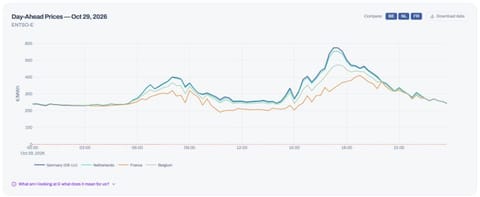
- Today at 17:30, a Belgian site on a day-ahead contract pays €472/MWh. Exactly one week ago, at the same time, it paid €236/MWh. If your energy budget feels hard to plan this autumn, the chart shows why. In Belgium, the Netherlands, Germany and France, this evening’s peak is the highest of the past 30 days. Gas prices have climbed to their highest level since 2022. The energy your site produces and uses itself stays out of these swings. Three levers help, in this order: - Produce on site. Solar or wind on your own site delivers
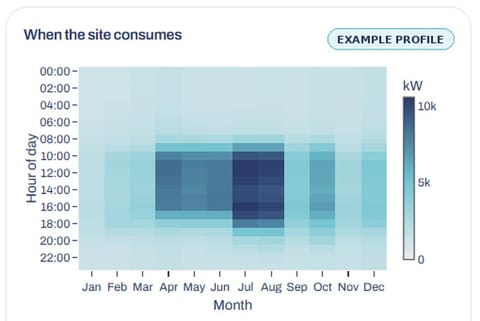
- What does a year of your meter data say about where your electricity bill can come down? Most conversations about solar, storage or electrification start from the same place: how your site actually uses power. Your meter data already holds that picture, in a full year of quarter-hours. We built our Load Profile Analysis tool to read that data for our own projects. Today we are opening it to you, free of charge. It turns 12 months of 15-minute data into a clear, readable overview of your site: • Your load profile, from month
- Electrifying industrial heat starts with the right contract model. At the BVES Investor Summit in Berlin, our CEO Nina Waffenschmidt heard one message repeated: industrial companies want to invest their capital in their core business, not in energy hardware. We already apply that model to PV and battery storage. We finance, own and operate the assets, and an energy management system steers them behind the meter. Electrified heat follows the same logic. Thermal storage does for heat what a battery does for power: it turns low-price
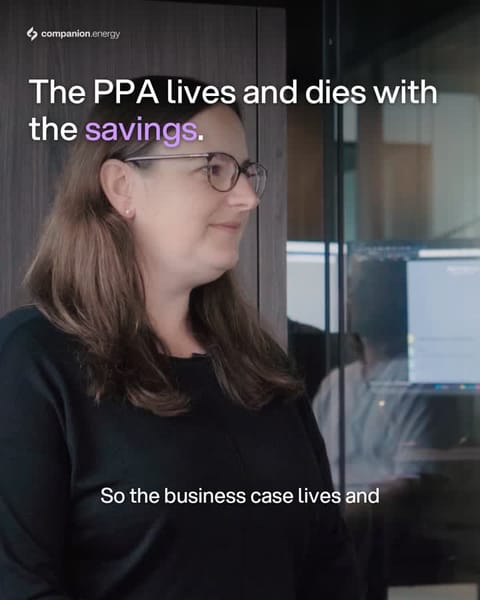
- Stand-alone solar doesn't cut it anymore and active steering is what adds most value to a PV installation today, but how does that impact the set-up of the traditional solar PPA? How do you make sure it remains a win-win for the asset owner and the end-customer once batteries, technology bundling and flexibility enter the picture? Here's Nina Waffenschmidt's take on it.

Something wrong or missing? Send an update. Fixed within 24 hours.