
Overview
Reloop Platform, founded in 2015, focuses on building a world free of waste by promoting circular economy practices globally. The organization leads an alliance of environmental organizations, experts, and the beverage packaging industry to promote deposit return systems and provides data dashboards tracking metrics on beverage containers.
Key people

In the news
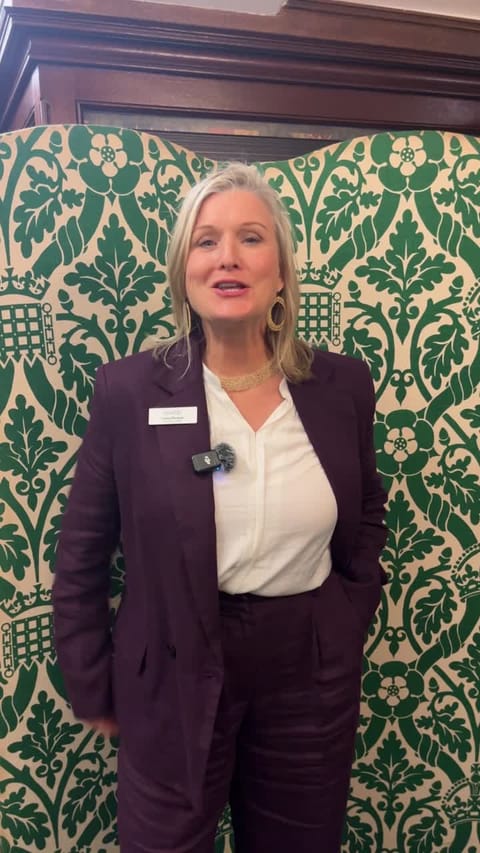
- Did you know the UK will have the largest centrally managed Deposit Return Scheme (DRS) in the world from October 2027? Earlier this week, Reloop, Marine Conservation Society and Trash Free Trails hosted a parliamentary reception to celebrate the upcoming DRS, look ahead to the year to come, and discuss how it will be a vital tool in tackling litter on our streets, trails and beaches. We were joined by Exchange for Change, the UK’s Deposit Management Organisation, to talk through the roadmap to implementation. Currently, UK
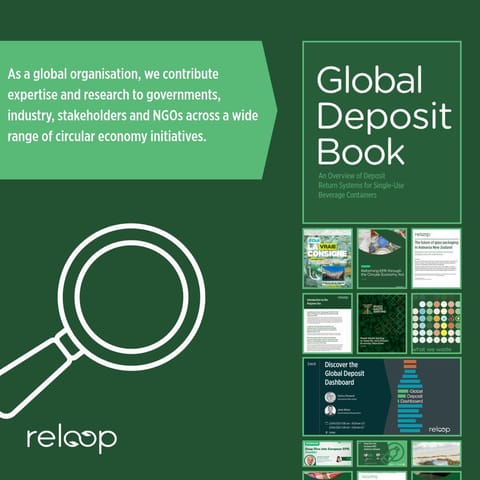
- Reloop's research was featured in a recent House of Commons Library briefing on the UK Deposit Return Scheme. The House of Commons Library provides impartial research to help MPs navigate key policy issues and prepare for parliamentary debates. In its latest briefing on the UK Deposit Return Scheme (DRS), Reloop’s research is cited three times: 📄 Our fact sheet exploring DRS performance 🌍 Our overview of key DRS policy developments 📚 Our Global Deposit Book (the 6th edition is coming soon) At Reloop, we've long championed deposit
- Great to see highlights from Konferencja Kaucja 360!♻️ At the event, Reloop’s Anna Larsson, highlighted how effective collection and recycling can strengthen Europe’s resource security, support local markets and drive the circular economy. 👏 Thanks to KAUCJA.PL – Krajowy System Kaucyjny for bringing everyone together 🎥 Watch the highlights below.
- Są dni, których nie da się opowiedzieć. Trzeba je zobaczyć. Kaucja 360: Efekty, Wyzwania, Perspektywy w 90 sekund: konkretne wystąpienia, różne perspektywy i rozmowy o tym, co działa, co wymaga zmian i co przed nami. 350 uczestników, 24 panelistów, 4 wystąpienia i 8 paneli. A w przerwach czas, by rozmowy toczyły się dalej. Zobaczcie sami. 👇 Dziękujemy wszystkim, którzy byli częścią tego dnia. Patronat honorowy: Ministerstwo Klimatu i Środowiska, Patronat instytucjonalny: Główny Inspektorat Ochrony Środowiska Patroni medialni:

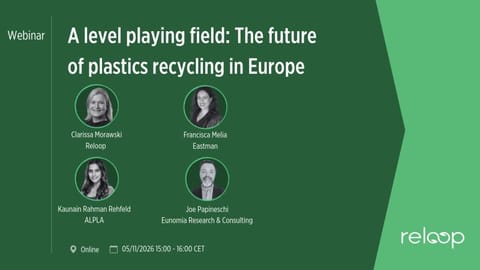
- A level playing field: The future of plastics recycling in Europe Europe's plastics recycling industry faces growing challenges, from slowing investment to increasing competition from imported recycled materials. So, how can EU policy support fair competition while encouraging investment in European recycling? Join Reloop CEO Clarissa Morawski, Francisca Melia (Eastman), Kaunain Rahman Rehfeld (ALPLA Group), and Joe Papineschi (Eunomia Research & Consulting - Certified B Corp.) for a discussion on the future of plastics
- How can we best understand the scale of beverage container waste? Over the past 25 years, the rise of single-use PET bottles has contributed to a significant loss of valuable materials. But where do all those single-use beverage containers end up? Reloop’s What We Waste dashboard maps 25 years of beverage container sales data, alongside five years of projected sales data, across 210 countries and territories The dashboard allows you to: 🗺️ Explore trends in beverage container sales across countries, including by material
- In the UK, the Circular Economy Growth Plan was meant to provide a roadmap for businesses, policymakers and investors. So what happened to it? 👇 In the latest episode of The Reloop Brief, we hear from Libby Peake, senior fellow and head of resource policy at Green Alliance, about the uncertain future of the plan, the realities of Extended Producer Responsibility for packaging (pEPR), what businesses actually need from government, and why reuse and reduction must move further up the policy agenda. We also discuss Libby's recent

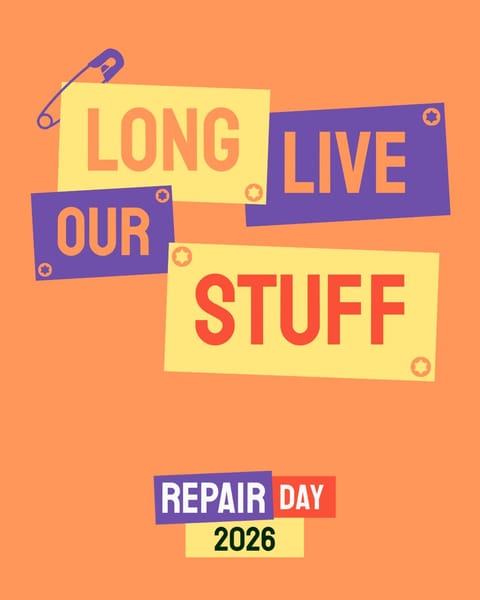
- Saturday, 17 October, marks the 10th International Repair Day, a global celebration of the people, communities and organisations working to make repair a more accessible, affordable and everyday choice. From local repair cafés and community workshops to growing calls for right-to-repair legislation, the repair movement shows how we can keep products in use longer, reduce waste, save money, and bring people together. But what would it take to make repairing a broken product the easiest option, rather than the last resort? 🎙️ In a

Something wrong or missing? Send an update. Fixed within 24 hours.