
Overview
Scilife builds an electronic quality management system (eQMS) for the life sciences sector. The platform covers document management, quality events, change control, risk management, quality KPIs, training, CAPA, audits, equipment management, design and development, and controlled printing and reconciliation. It serves pharmaceutical, biotech, medical device, healthcare logistics and medicinal cannabis companies. The first customer was onboarded in 2019 and the company rebranded as Scilife in 2022. A US subsidiary followed in 2023. The EMEA office is at Kantersteen 47 in Brussels; the US office is in New York. On June 6, 2024 Scilife announced a strategic growth investment from Five Elms Capital. The amount was not disclosed; the transaction involved a transfer of shares to Five Elms Capital, with existing shareholders partially rolling over. On September 2, 2024 Sebastien Sepierre, previously Managing Director at Fourth and earlier at IBM, was appointed CEO. Heitbrink remains on the Board of Directors as co-founder. At the time of the CEO change Scilife had more than 200 customers and more than 70 employees. The company now reports more than 90 employees, more than 240 customers and more than 22,500 users, and is ISO 9001 certified. Named customers include Novartis, Biocartis, Yusen Logistics, Polpharma, Pendulum, Qualiphar, Coriolis Pharma, Idevax and Amnovis.
Funding history
- 2024 Growth equity: Undisclosed strategic growth investment by Five Elms Capital, structured as a share transfer with shareholders partially rolling over
Stated facts & numbers
- Founded: 2017
- Headquarters: Brussels (EMEA), New York (US)
- Founder: Filip Heitbrink (co-founder, board member, former CEO)
- CEO: Sebastien Sepierre (since September 2024)
- Employees: 90+
- Customers: 240+, including Novartis, Biocartis, Yusen Logistics, Polpharma, Pendulum
- Investor: Five Elms Capital (2024)
- Certification: ISO 9001
Key people
In the news
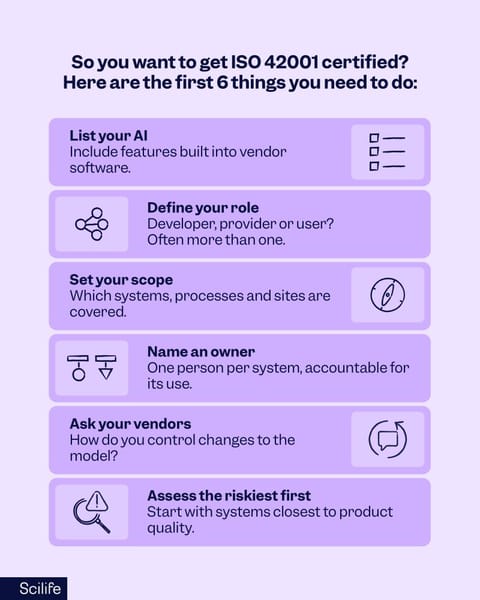
- If you’ve implemented ISO 13485, this infographic might have given you deja-vu. Define the scope. Assign an owner. Check your suppliers. Assess the risk. Write it down. ISO 42001 asks for the same habits, but this time directed at AI. The object changes but the requirements remain similar. The new part is what you’re governing. A model can behave differently after an update, so a one-off validation won’t cover it alone. That’s where monitoring and vendor change control come in. We digress. So you’ve decided to go for the ISO 42001
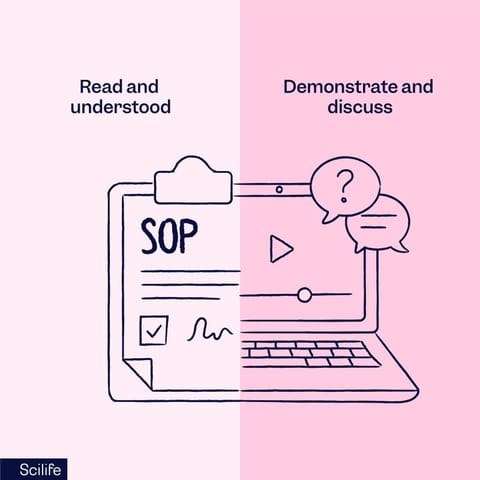
- Read and understood style training has had a good run. But it might be time to look beyond. Just to address the flashing red light that was triggered after you read that. Training is very situational, sometimes ticking read and understood is enough for simple processes. We’re also not advocating to get rid of it. We’re proposing you consider the next step. EU GMP Chapter 2 (clause 2.11) asks for training “appropriate to the duties assigned to them.” It also says the “practical effectiveness” of continuing training “should be
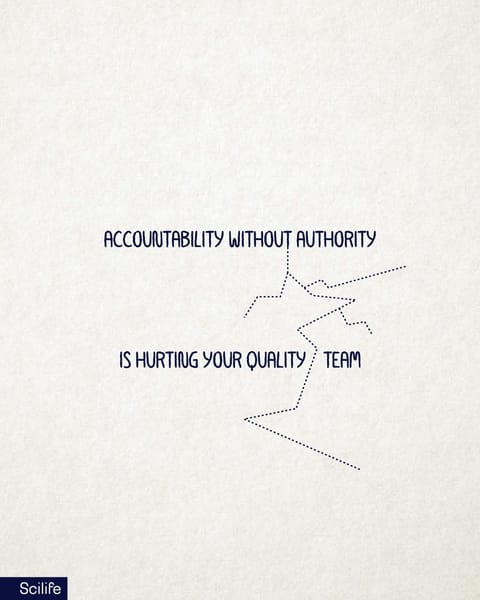
- Ask a QA manager what they own then you better pull up a chair, a bucket of popcorn and get comfortable. It’s a long list. Inspection readiness, CAPA closure, supplier approval, training compliance, the deviation that came in at 4:57pm on a Friday, you get the idea. Now ask what they can approve, fund, or stop without escalating. That list is a lot shorter. Most QA managers are happy with the first list. They know what the job involves and the impact it has makes it worth it. They want quality to have a real say in how the
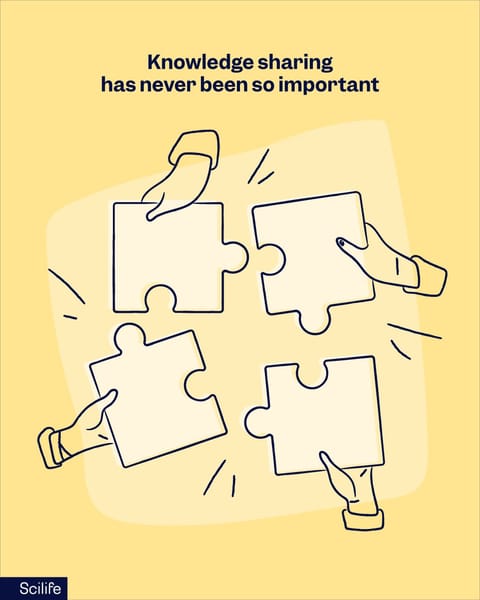
- Facilitating learning and sharing of knowledge might be one of the highest ROI activities life sciences can do right now. But why right now? Learning has always been important. True. But for the first time in a long time everybody is having to learn the same thing at more or less the same time. Yes, we are indeed talking about AI. For most people, this is a completely new area. Most QAs probably didn’t sign up to the job 10 years ago thinking they would have to develop an understanding of different types of AI models, how they
- Twas the night before Halloween. A cold breeze hung in the air, and the factory lights spilled onto the concrete path. All was quiet as the lone QA manager walked out of the facility for the very last time. 😧 Let’s give this person a spooky name… We’ll go with Samantha. (Look, if we were good writers, we’d be a publisher, not an eQMS platform.) Don’t worry, nothing bad happens to Samantha. The facility, however… we can’t promise anything. Samantha had been a quality team of one for five years. She’d inherited a QMS that barely
- Is QA stressful? Not at all! You must be thinking about a different job.” - Rose, 32 years old with more grey hairs than training reminders sent. We all love working in QA. We know how important it is, it certainly keeps you on your toes, and for many, it's a truly rewarding career. (Here comes the all important “but”) BUT we’d be lying if we said it didn’t come with a fair amount of stress. We’ve heard QA years being compared to dog years 🤣. One year in QA equals seven normal years. We can’t (shouldn’t) comment on that
- We’ve improved the model.” For a medical device team, that sentence opens a conversation: What changed? How was it tested? Does it fall within the authorized plan? Can we release it? FDA’s predetermined change control plan (PCCP) framework gives manufacturers a way to plan for specified future modifications. Changes covered by an authorized PCCP can proceed without a new marketing submission when implemented in accordance with that plan. The work sits in the details: validation methods, acceptance criteria, impact assessments,
- What's scarier than AI in your quality system? Not knowing where it's being used. 🎃 As AI becomes part of everyday quality workflows, the opportunity is growing. And so is the importance of keeping things visible, traceable, and under control. Good AI governance is about knowing where AI adds value, how it's being used, and who's responsible for oversight. So, how much visibility does your organization have today? If an auditor asked tomorrow, could you identify every AI use case and demonstrate how it is controlled? 🔹 Fully

Related profiles
Something wrong or missing? Send an update. Fixed within 24 hours.