
Overview
Sigli is a software development company specializing in digital transformation and AI-driven solutions. It was established in 2015 and is headquartered at Sint-Pietersvliet 7 in Antwerp, with further offices in Vilnius, Lithuania and London. The company is registered in Lithuania under number 306257613 and employs between 50 and 249 people. Its services cover discovery, AI support agents, data visualisation, business process automation, data migration and enrichment, data engineering, team augmentation, software testing, and proof-of-concept and MVP development. Alongside general software and data work, Sigli builds solutions for forestry and logging, sawmill automation and EUDR compliance. The company has delivered over 150 project implementations for 30 clients. Clients shown include Ray-Ban, ERGO, Luxottica, Oakley, Ascendle Technology, Ineo Global Mobility Knowledge, Sensotec NV and The Divi Project. Sigli holds ISO 27001 certification for its information security management system. The leadership team includes Mike Baleika as CTO and Max Golikov as Chief Business Development Officer, who hosts the company's Innovantage podcast, together with a CCO, COO, CDO, a Managing Director Benelux and heads of the .Net, JS and Data Science units.
Stated facts & numbers
- Founded: 2015
- Headquarters: Antwerp
- Offices: Antwerp, Vilnius, London
- Employees: 50-249
- CTO: Mike Baleika
- CBDO: Max Golikov
- Customers: Ray-Ban, ERGO, Luxottica, Oakley, Sensotec NV, Ineo Global Mobility Knowledge, The Divi Project
- Track record: 150+ implementations for 30 clients
- Certification: ISO 27001
- Partnerships: OVHcloud implementation partner (2026)
In the news
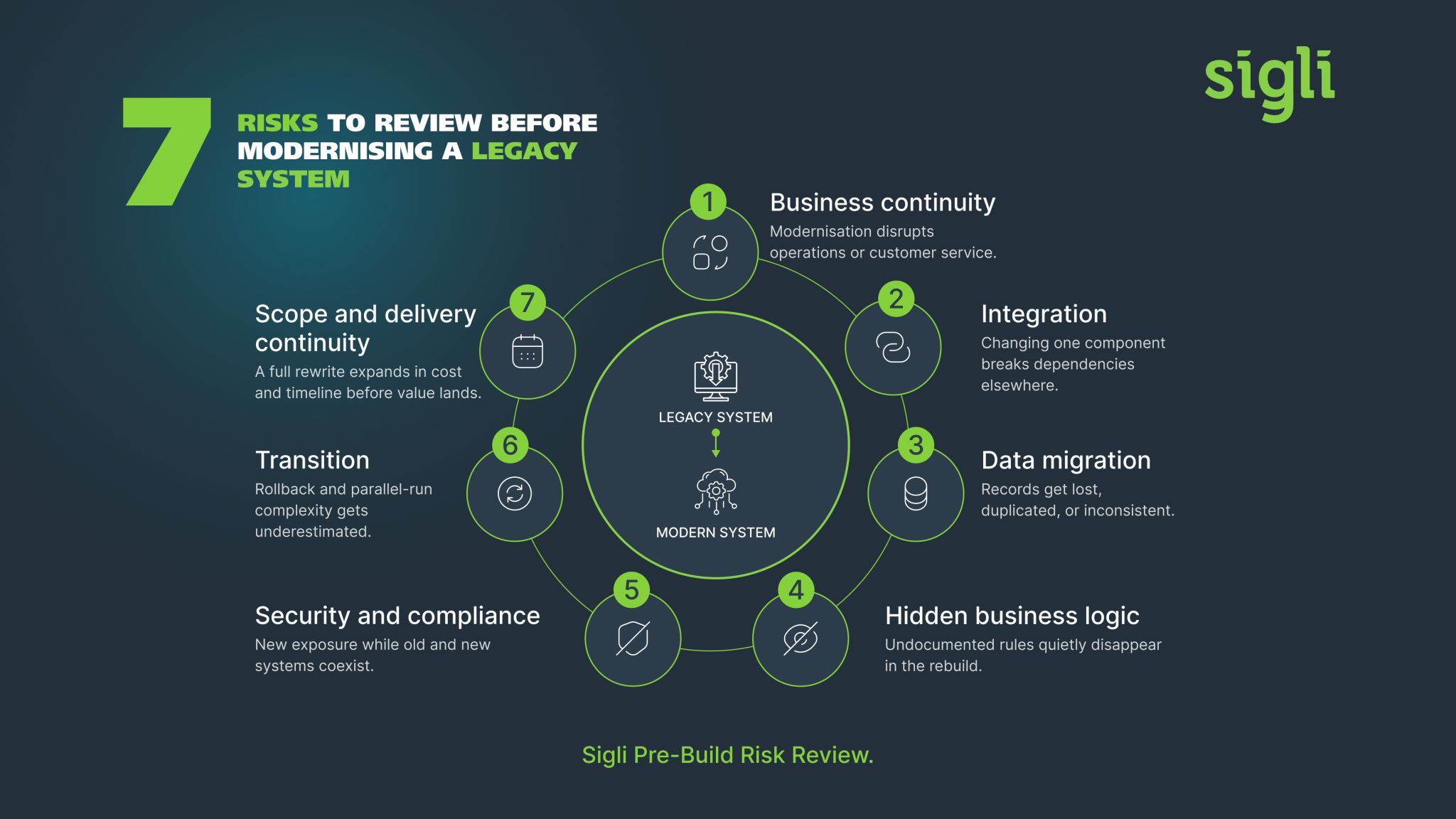
- Modernisation is supposed to reduce risk. Done carelessly, it multiplies it. Before you rebuild, migrate, replace, or refactor a legacy system, run it through these 7 checkpoints: 1. Business continuity risk What depends on this system right now? → Get it wrong, and modernisation disrupts the operations, users, or customers it was meant to serve. 2. Integration risk What internal tools, APIs, and third-party systems plug into it? → Touch one component and you can break dependencies you didn't know existed. 3. Data migration risk
- Let's move it to the cloud.", "Let's rewrite it.", "Let's break it into microservices." You might think it's a strategy when in fact it's not. Before picking an architecture, ask what's creating the risk: - Expensive to maintain, or just old? - Fragile integrations, or just inconvenient? - Critical knowledge stuck in one person's head? - Users quietly working around the system instead of with it? Answer that, and the direction gets obvious: full rebuild, selective replacement, gradual refactor, or sometimes this isn't your biggest
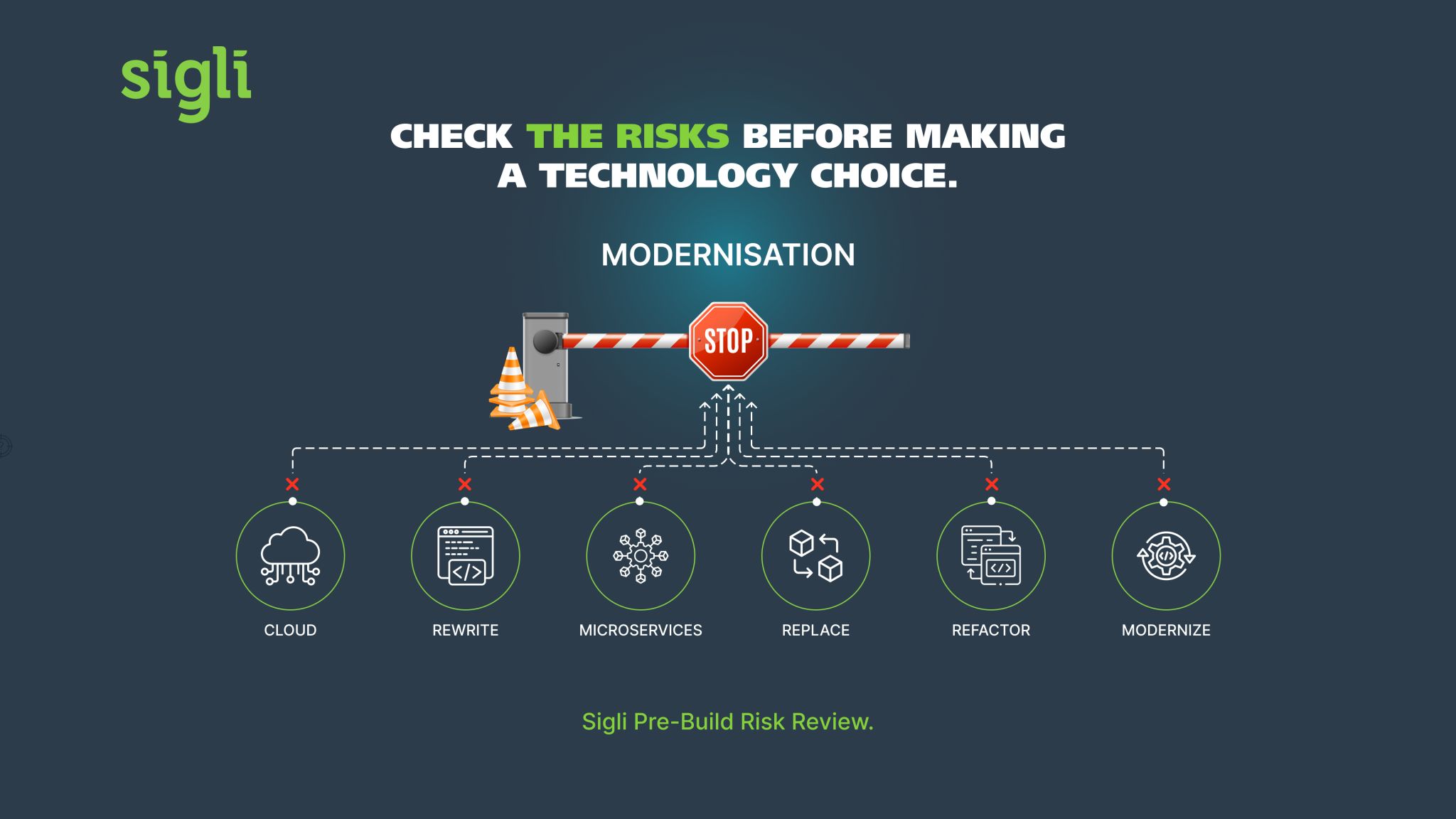
- Legacy system upgrades fail because critical risks get skipped before the architecture decision is made. Before you modernise, ask: 🔹 What breaks if the system changes? 🔹 Which connections could fail? 🔹 Can the data move safely? 🔹 Who actually understands how it works today? 🔹 Will old and new need to run in parallel? 🔹 Does everything really need to change at once? Sometimes modernising in stages (one component, one integration, one migration step at a time) is what protects the business you're trying to improve. Swipe through
- Before predicting what happens next, can you clearly see what's happening now? Predictive analytics promises a view of the future: which customers might churn, where demand will spike, what revenue looks like next quarter. But most businesses skip a more basic question first: do we have a reliable view of the business today? If teams are still debating whose numbers are right, pulling reports manually, or working from different versions of the same data, adding prediction doesn't create clarity. It creates a more sophisticated
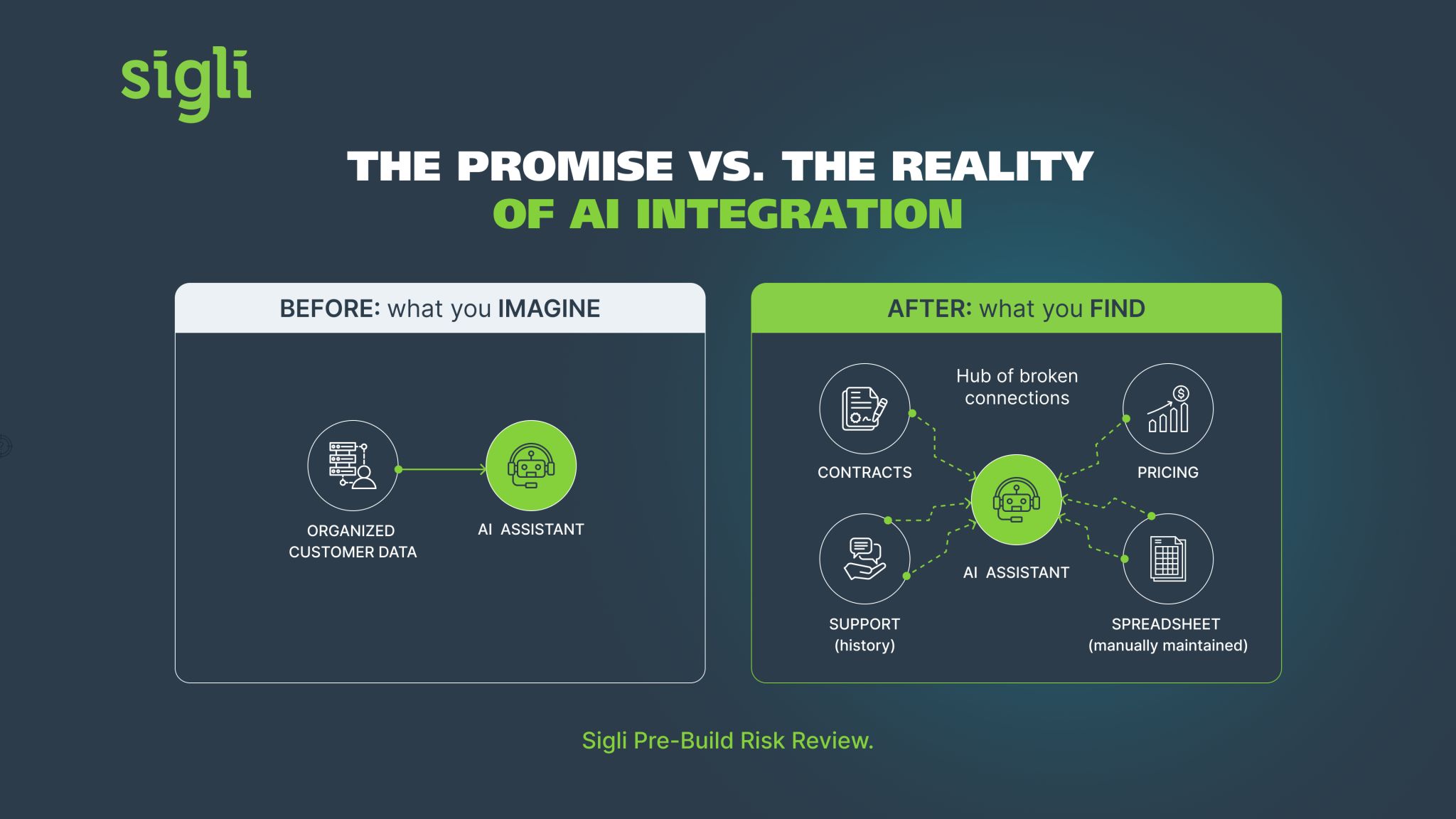
- How do you know whether a salesperson is genuinely great, or just had a great brand doing half the selling? The latest Innovantage Podcast features Edvin Vosylius, founder of sales headhunting and recruitment agency HEMES, bringing 19 years of hands-on sales experience and a recruiter’s perspective on the profession. A big-name company can open doors. Strong product-market fit can make closing easier. And an impressive track record can look very different once you start asking who actually found the opportunity, moved the deal
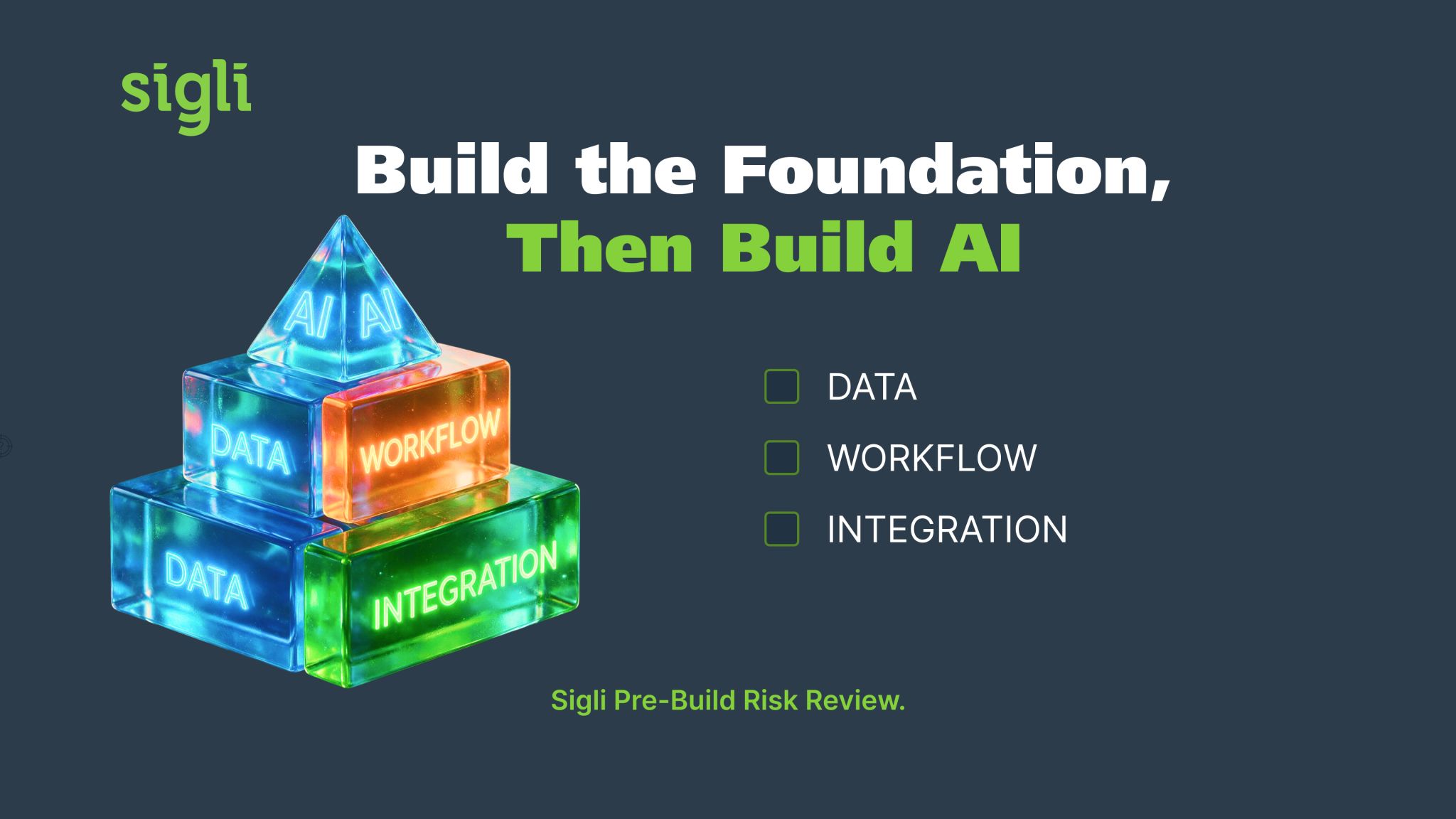
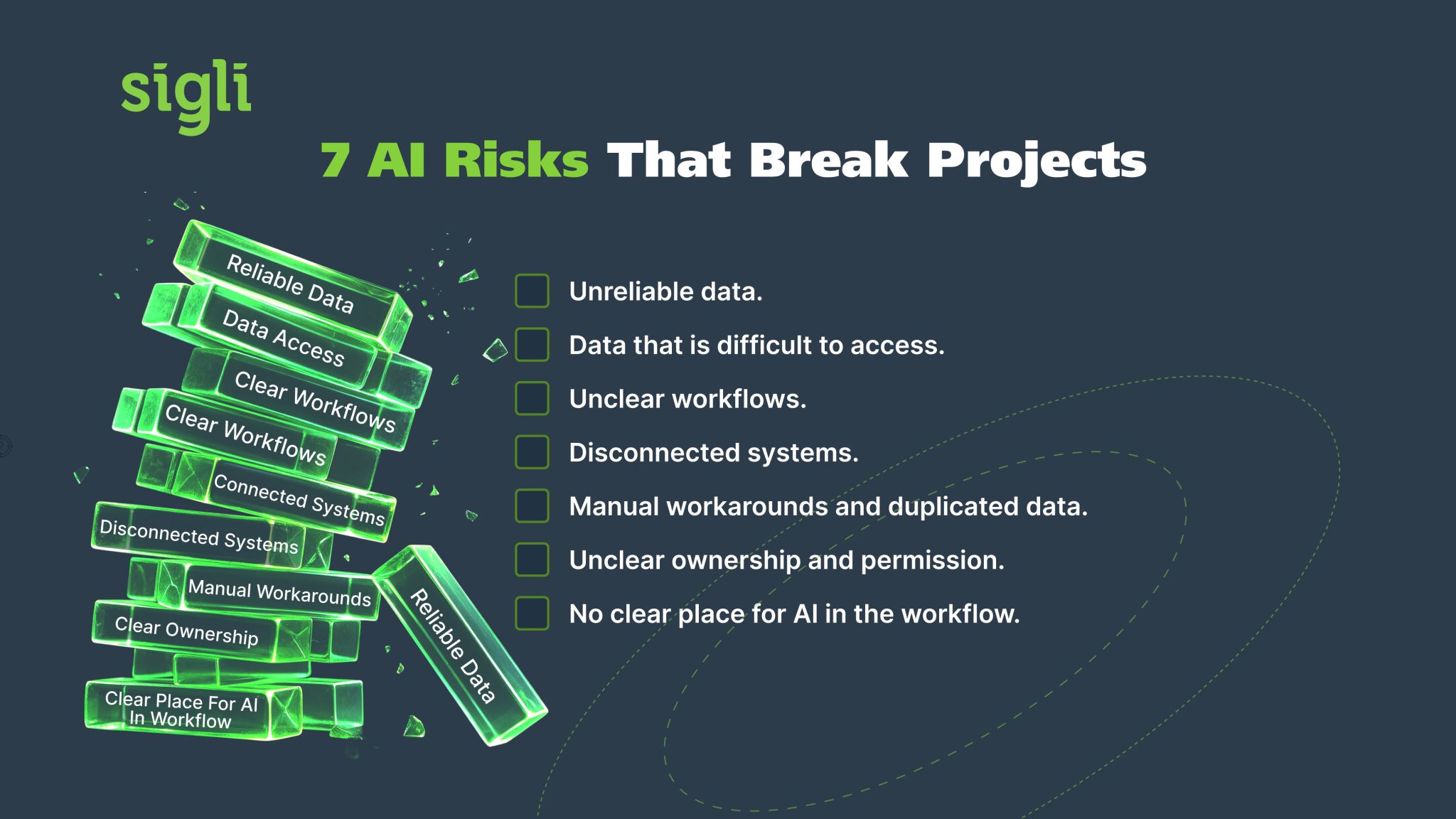
- AI is only as strong as the infrastructure beneath it. If you try to stack advanced models on top of fragmented operations, the whole structure collapses. Before writing a single line of AI code, lock down these three core layers: data, workflow, integration. DATA: clean, reliable, and accessible information. If your inputs are messy, AI just speeds up bad outputs. WORKFLOW: clear and standard operations. AI can't optimize a process that your team hasn't clearly defined. INTEGRATION: connected systems and tools. AI shouldn't
- Thinking about an AI Project? Here are 7 crucial data, workflow, and integration risks you need to evaluate before kicking off your next AI initiative: 1. Messy, unreliable data The check: is your data actually accurate, complete, consistent, and up to date? The risk: garbage in, garbage out. If your foundation is weak, your AI will just produce highly confident (but entirely wrong) outputs. 2. Hard-to-access data The check: is the data you need actually available in the right systems and formats? The risk: your AI use case might
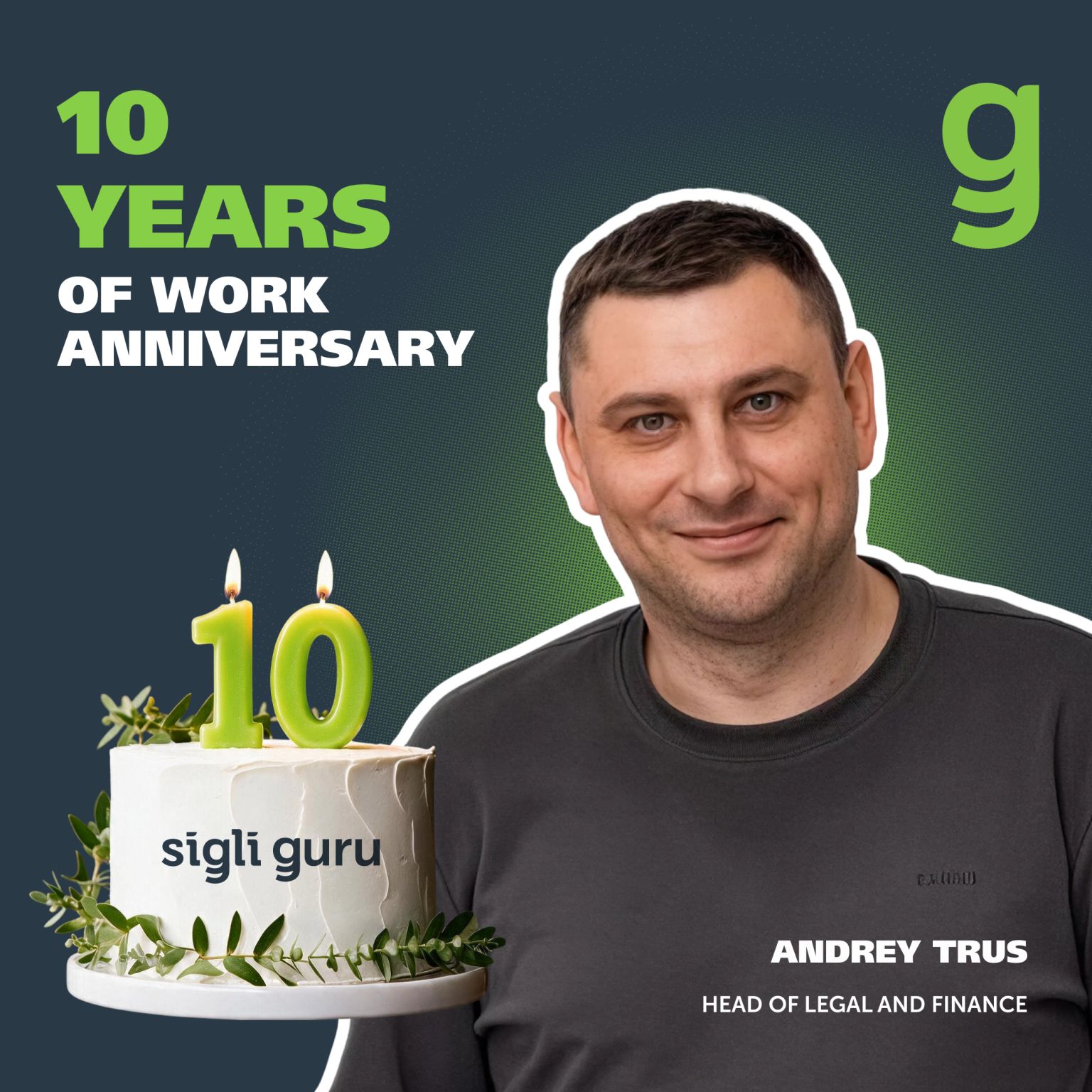
- Meet Andrey Trus – the Head Of Legal and Finance unit⚖️💎 We're celebrating a full decade with Andrey Trus! It still does not feel real how quickly the time has flown by! Over these 10 years, Andrey has become a core player of our team, through and through. Andrey is a very resilient and cool-headed person. As a unit head there's always a lot on his plate, yet he's always there for others and is never shocked by anything and always has a solution up his sleeve💡. And beyond work, any event or gathering is simply not the same without

Something wrong or missing? Send an update. Fixed within 24 hours.