
Overview
StackGuardian offers an enterprise-ready platform for infrastructure automation with features including auto-discovery, intelligent pattern recognition, and state file generation. The platform enables users to discover, codify, and govern cloud resources through SGCode and enforce guardrails via SGOrchestrator with standardized blueprints and policy enforcement.
Key people
In the news
- 𝗠𝗖𝗣 is one of the hottest topics in AI right now — but what does it actually mean for Terraform and cloud infrastructure? 🤖 The 𝗧𝗲𝗿𝗿𝗮𝗳𝗼𝗿𝗺 𝗠𝗖𝗣 𝗦𝗲𝗿𝘃𝗲𝗿 connects AI assistants to live provider documentation, modules, policies, and workspace data. But is that enough for teams that also need 𝘃𝗶𝘀𝗶𝗯𝗶𝗹𝗶𝘁𝘆 𝗶𝗻𝘁𝗼 𝗱𝗿𝗶𝗳𝘁, 𝗰𝗼𝗺𝗽𝗹𝗶𝗮𝗻𝗰𝗲, 𝗮𝗻𝗱 𝘄𝗼𝗿𝗸𝗳𝗹𝗼𝘄 𝗵𝗲𝗮𝗹𝘁𝗵? 👀 🔍 Discover how Terraform MCP and 𝗦𝘁𝗮𝗰𝗸𝗚𝘂𝗮𝗿𝗱𝗶𝗮𝗻’𝘀 𝗿𝗲𝗮𝗱-𝗼𝗻𝗹𝘆 𝗠𝗖𝗣 𝘀𝗲𝗿𝘃𝗲𝗿 can complement
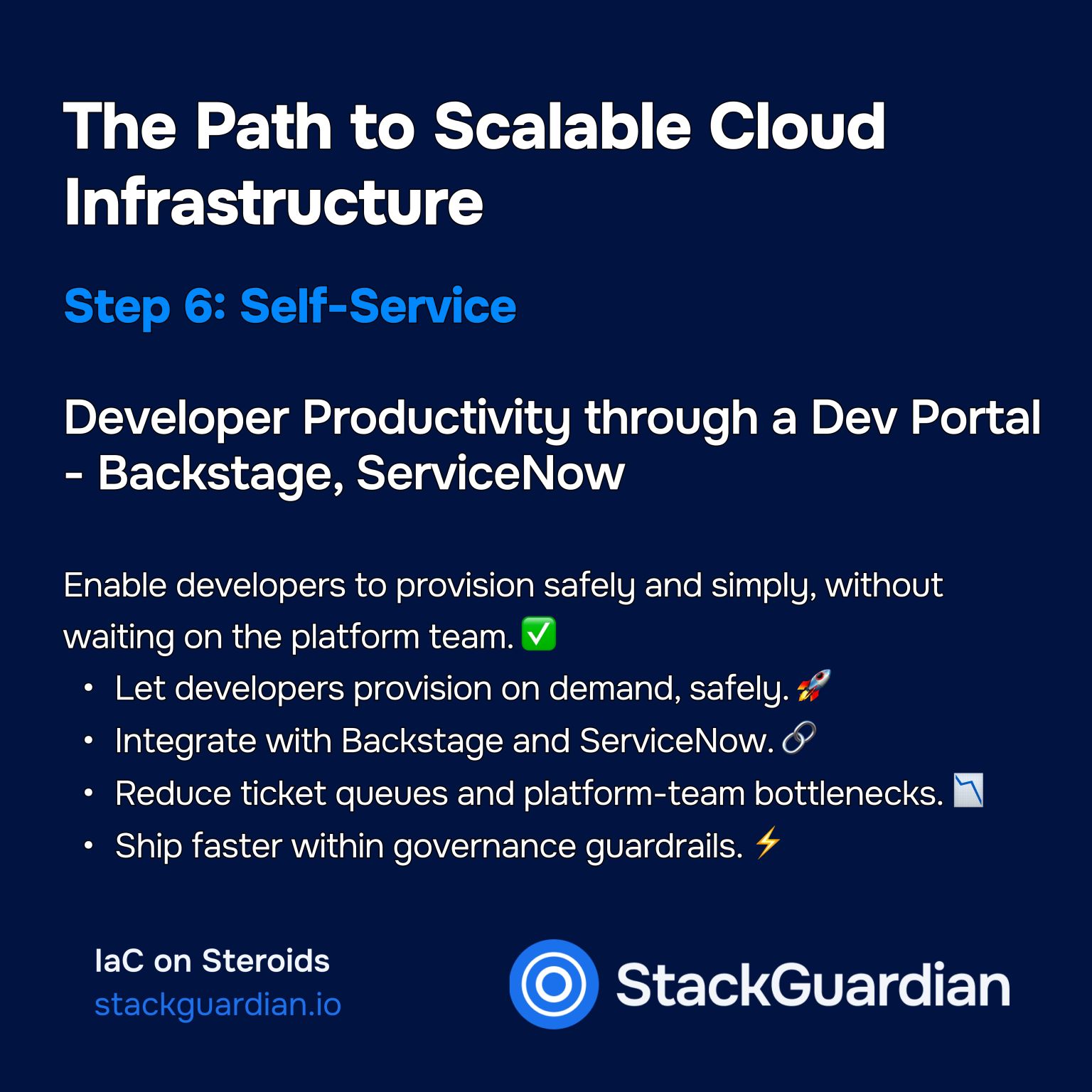
- Once infrastructure is visible, codified, standardized, and governed, the next question is: 𝗛𝗼𝘄 𝗰𝗮𝗻 𝗱𝗲𝘃𝗲𝗹𝗼𝗽𝗲𝗿𝘀 𝗮𝗰𝗰𝗲𝘀𝘀 𝘁𝗵𝗲 𝗶𝗻𝗳𝗿𝗮𝘀𝘁𝗿𝘂𝗰𝘁𝘂𝗿𝗲 𝘁𝗵𝗲𝘆 𝗻𝗲𝗲𝗱 𝘄𝗶𝘁𝗵𝗼𝘂𝘁 𝗰𝗿𝗲𝗮𝘁𝗶𝗻𝗴 𝗮 𝗯𝗼𝘁𝘁𝗹𝗲𝗻𝗲𝗰𝗸 𝗳𝗼𝗿 𝘁𝗵𝗲 𝗽𝗹𝗮𝘁𝗳𝗼𝗿𝗺 𝘁𝗲𝗮𝗺? 🚀👨💻 In many organizations, infrastructure requests still move through ticket queues or require manual support from platform engineers. 📩🔧 𝗧𝗵𝗶𝘀 𝗰𝗮𝗻 𝘀𝗹𝗼𝘄 𝗱𝗼𝘄𝗻 𝗱𝗲𝘃𝗲𝗹𝗼𝗽𝗺𝗲𝗻𝘁 𝗮𝗻𝗱 𝗹𝗲𝗮𝘃𝗲 𝗽𝗹𝗮𝘁𝗳𝗼𝗿𝗺 𝘁𝗲𝗮𝗺𝘀
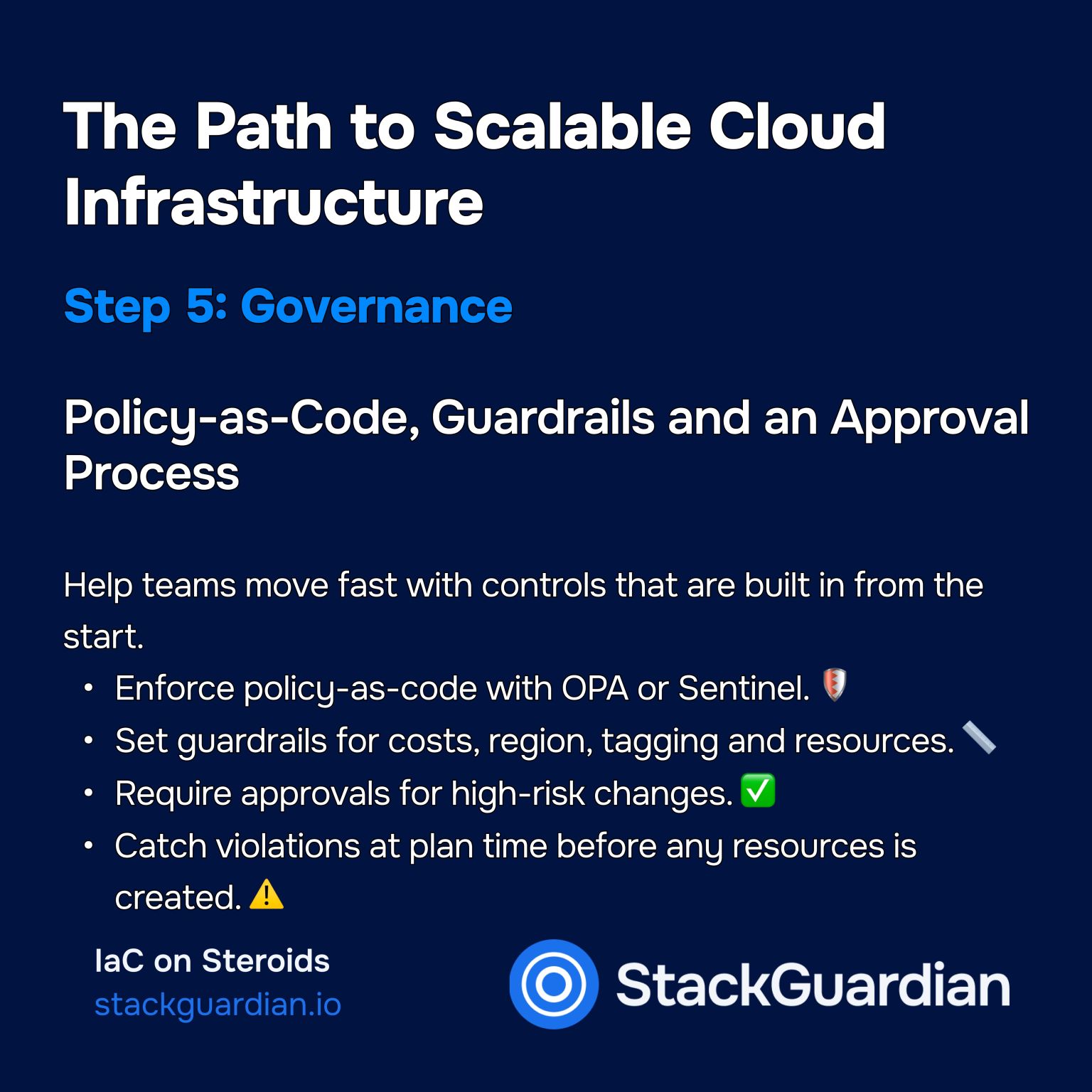
- Once infrastructure becomes more standardized, the next question is: 𝗛𝗼𝘄 𝗰𝗮𝗻 𝘁𝗲𝗮𝗺𝘀 𝗺𝗼𝘃𝗲 𝗾𝘂𝗶𝗰𝗸𝗹𝘆 𝘄𝗵𝗶𝗹𝗲 𝗸𝗲𝗲𝗽𝗶𝗻𝗴 𝗰𝗵𝗮𝗻𝗴𝗲𝘀 𝘄𝗶𝘁𝗵𝗶𝗻 𝘁𝗵𝗲 𝗿𝗶𝗴𝗵𝘁 𝗯𝗼𝘂𝗻𝗱𝗮𝗿𝗶𝗲𝘀? ⚡🛡️ This is a challenge we hear from customers across different stages of their IaC journey. 📈 Teams want developers to have flexibility, but they also need to manage: - Security and compliance requirements 🔒✅ - Cloud costs 💰 - Approved regions 🌍 - Resource types 📦 - Tagging and ownership standards 🏷️👤
- OpenTofu vs Terraform in 2026: it’s no longer “just a fork.” Different licenses. Different governance. A widening feature gap. And yet, most teams still treat the choice as a non-issue. 🤔 Still assuming they’re interchangeable? In 2026, that assumption costs you 𝗳𝗲𝗮𝘁𝘂𝗿𝗲𝘀, 𝗰𝗹𝗮𝗿𝗶𝘁𝘆, and sometimes 𝗰𝗼𝗺𝗽𝗹𝗶𝗮𝗻𝗰𝗲. ❓ What can OpenTofu do today that Terraform’s open-source CLI still can’t? ❓ Why does the license matter more for vendors than end-users? ❓ How do you run both without doubling your platform
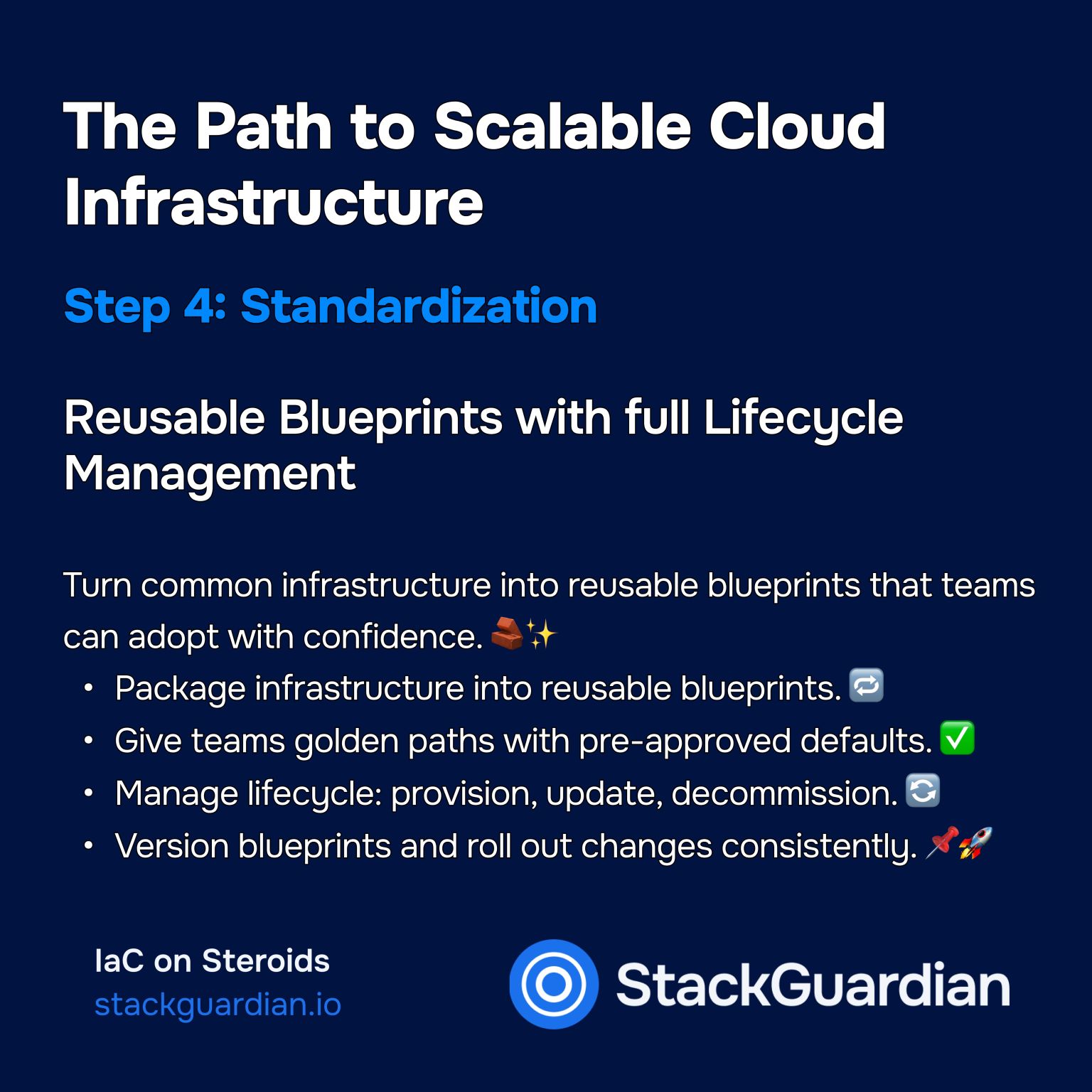
- Creating infrastructure is only the beginning. 🏗️➡️🚀 The challenges that follow are: “𝗛𝗼𝘄 𝗰𝗮𝗻 𝗱𝗶𝗳𝗳𝗲𝗿𝗲𝗻𝘁 𝘁𝗲𝗮𝗺𝘀 𝗰𝗿𝗲𝗮𝘁𝗲 𝗶𝗻𝗳𝗿𝗮𝘀𝘁𝗿𝘂𝗰𝘁𝘂𝗿𝗲 𝗰𝗼𝗻𝘀𝗶𝘀𝘁𝗲𝗻𝘁𝗹𝘆 𝘄𝗶𝘁𝗵𝗼𝘂𝘁 𝗳𝗼𝗿𝗰𝗶𝗻𝗴 𝗲𝘃𝗲𝗿𝘆𝗼𝗻𝗲 𝗶𝗻𝘁𝗼 𝘁𝗵𝗲 𝗲𝘅𝗮𝗰𝘁 𝘀𝗮𝗺𝗲 𝘀𝗲𝘁𝘂𝗽?” 🤔🧩 As organizations grow, teams often solve similar problems in slightly different ways. 𝗧𝗵𝗶𝘀 𝗰𝗮𝗻 𝗹𝗲𝗮𝗱 𝘁𝗼: - Duplicated infrastructure patterns 🔁 - Configuration drift 📉🔄 - Multiple versions of the same setup 📦📦 -
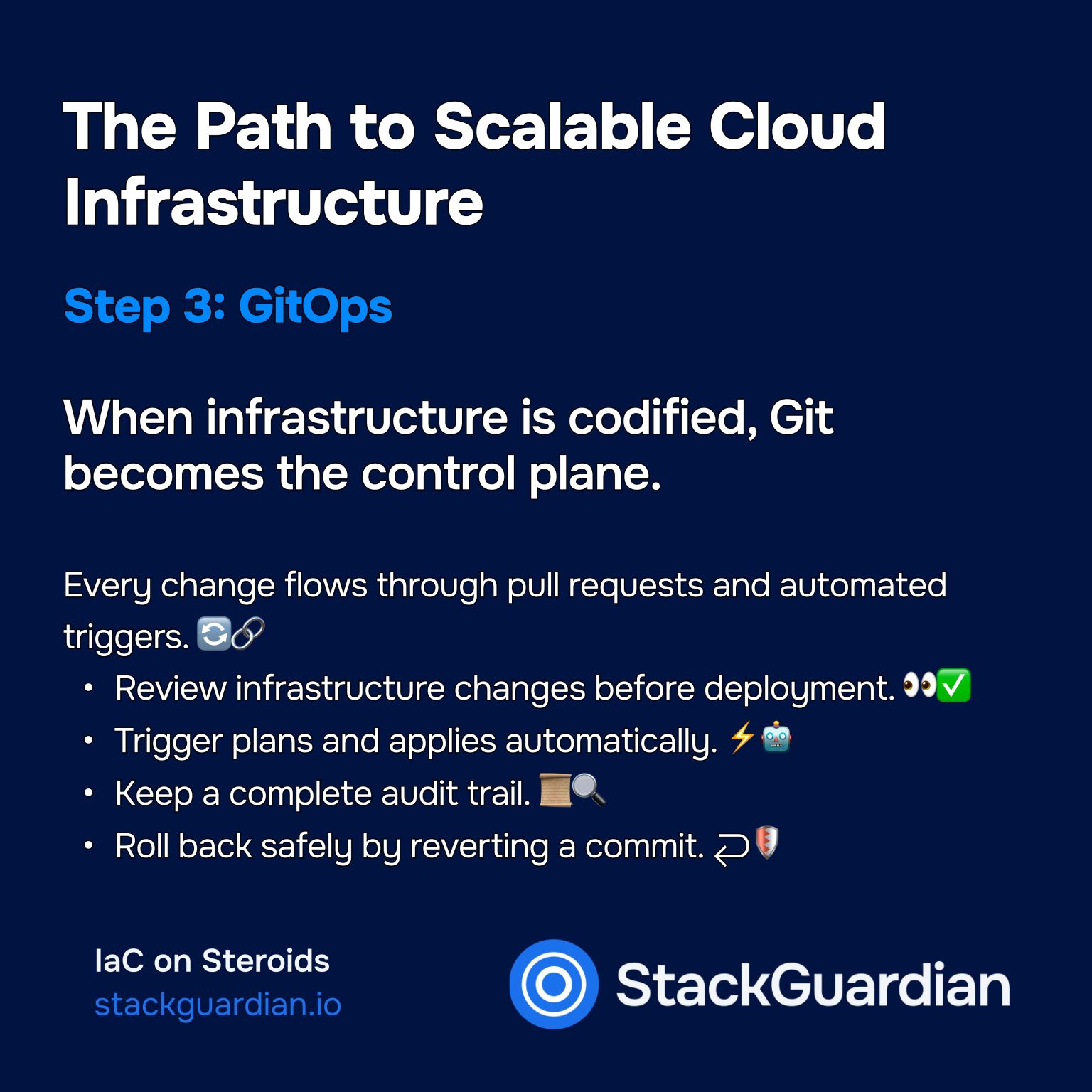
- Once infrastructure is visible and codified, the next question is: 𝗛𝗼𝘄 𝘀𝗵𝗼𝘂𝗹𝗱 𝘁𝗲𝗮𝗺𝘀 𝗺𝗮𝗻𝗮𝗴𝗲 𝗰𝗵𝗮𝗻𝗴𝗲? 🤔🔄 𝗧𝗵𝗶𝘀 𝗶𝘀 𝘄𝗵𝗲𝗿𝗲 𝗚𝗶𝘁𝗢𝗽𝘀 𝗯𝗲𝗰𝗼𝗺𝗲𝘀 𝗽𝗼𝘄𝗲𝗿𝗳𝘂𝗹. 🚀📜 Instead of relying on manual changes in cloud consoles, infrastructure changes are managed through Git. 🖱️➡️🐙 𝗔 𝘁𝘆𝗽𝗶𝗰𝗮𝗹 𝘄𝗼𝗿𝗸𝗳𝗹𝗼𝘄 𝗹𝗼𝗼𝗸𝘀 𝗹𝗶𝗸𝗲 𝘁𝗵𝗶𝘀: - A change is proposed in a pull request. 📝 - The infrastructure plan runs automatically. ⚡🤖 - The team reviews the proposed changes. 👀✅ - The change is
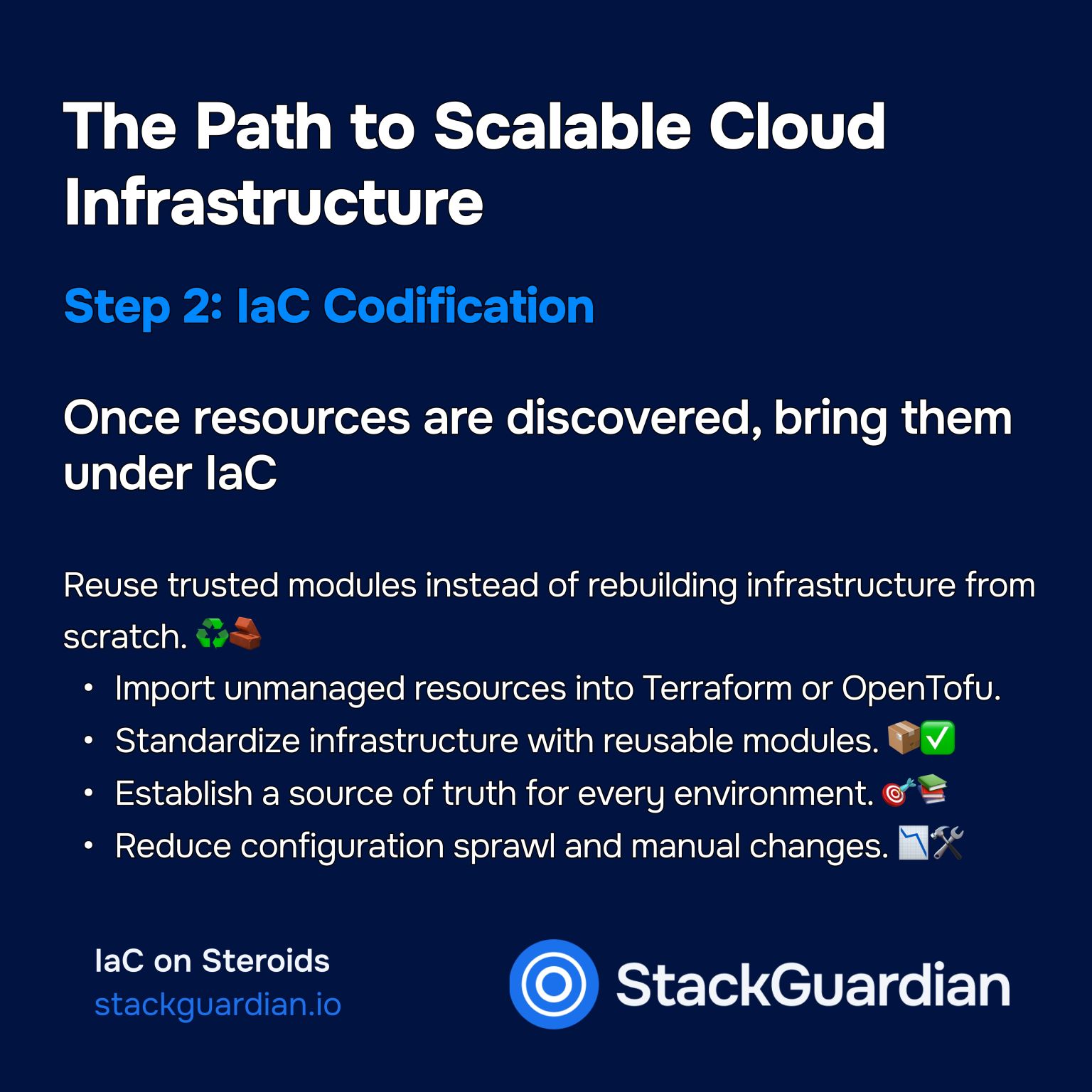
- 𝗩𝗶𝘀𝗶𝗯𝗶𝗹𝗶𝘁𝘆 𝗶𝘀 𝗼𝗻𝗹𝘆 𝘁𝗵𝗲 𝗯𝗲𝗴𝗶𝗻𝗻𝗶𝗻𝗴. 👁️➡️🚀 A challenge we often from companies and customers is: “𝗪𝗲 𝗸𝗻𝗼𝘄 𝘄𝗵𝗮𝘁’𝘀 𝗿𝘂𝗻𝗻𝗶𝗻𝗴, 𝗯𝘂𝘁 𝘁𝗼𝗼 𝗺𝘂𝗰𝗵 𝗼𝗳 𝗶𝘁 𝗶𝘀 𝘀𝘁𝗶𝗹𝗹 𝗺𝗮𝗻𝗮𝗴𝗲𝗱 𝗺𝗮𝗻𝘂𝗮𝗹𝗹𝘆.” 🖱️⚠️ Many cloud environments contain a mixture of: - Terraform-managed resources 📦 - Click-ops infrastructure 🖱️ - One-off scripts 🧪 - Resources created by different teams 👥 - Configurations that exist only in someone’s memory 🧠💭 This makes infrastructure difficult to maintain and
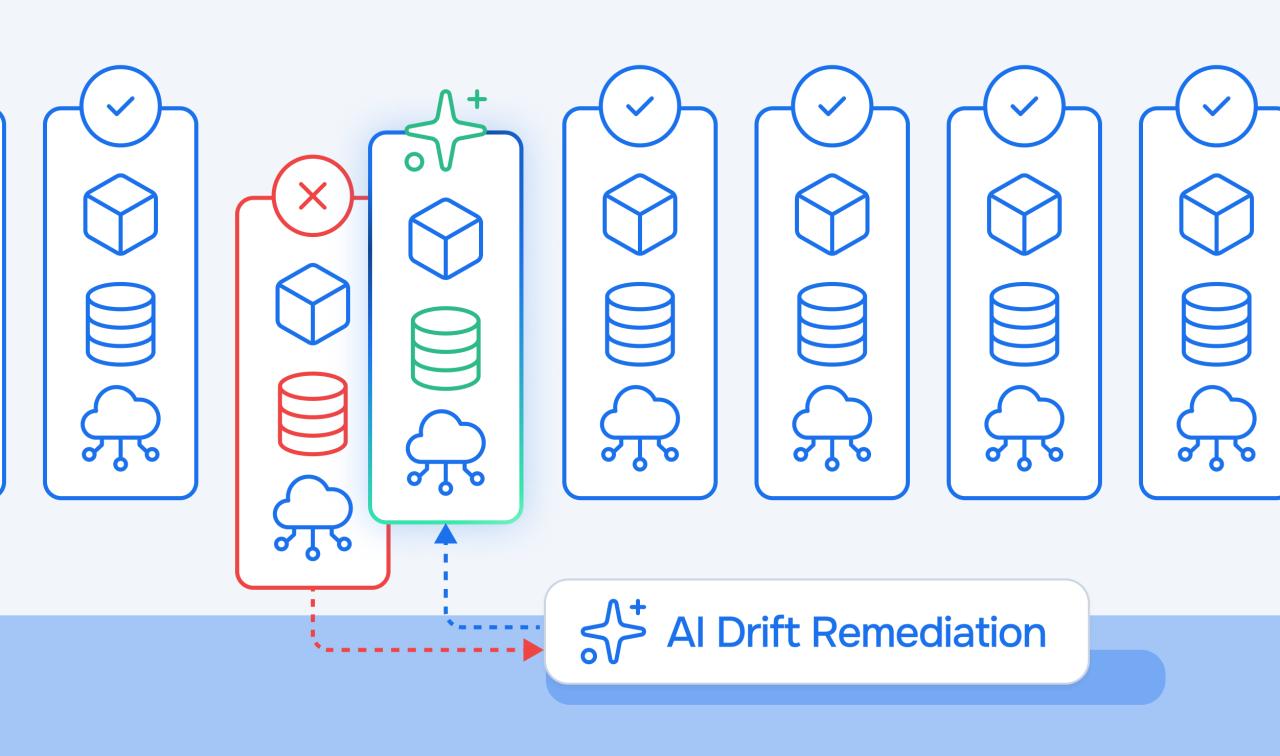
- Terraform drift doesn’t wait for your next deployment. 𝗔𝗴𝗲𝗻𝘁𝗶𝗰 𝗜𝗮𝗖 uses AI to continuously detect drift, unmanaged resources, and policy gaps in Terraform. See how the 𝗼𝗯𝘀𝗲𝗿𝘃𝗲 → 𝗱𝗲𝘁𝗲𝗰𝘁 → 𝗽𝗹𝗮𝗻 → 𝘃𝗮𝗹𝗶𝗱𝗮𝘁𝗲 loop works and why it could change the way we manage cloud infrastructure. Read the full article here: https://lnkd.in/d8JD56rb

Related profiles
Something wrong or missing? Send an update. Fixed within 24 hours.