
Overview
Upchained is a supply chain consulting partner that helps organizations redesign and digitalize their supply chain by connecting processes, systems, data and people. The company offers services including process redesign, implementation support, supply chain analytics, and temporary expert support to address challenges like disconnected systems, poor visibility, and operational inefficiencies.
In the news
- You know you need to integrate your systems. You've seen the diagrams. You've read the frameworks. But when it's time to actually start, most companies freeze. Which system first? ERP? WMS? Procurement? Here's what we've learned from dozens of implementations: you don't start with systems. You start with planning. Planning is where supply chain decisions happen. It's where bad data creates the most cascading failures. It's the domain that touches everything else: sales, procurement, production, logistics. That's why planning is
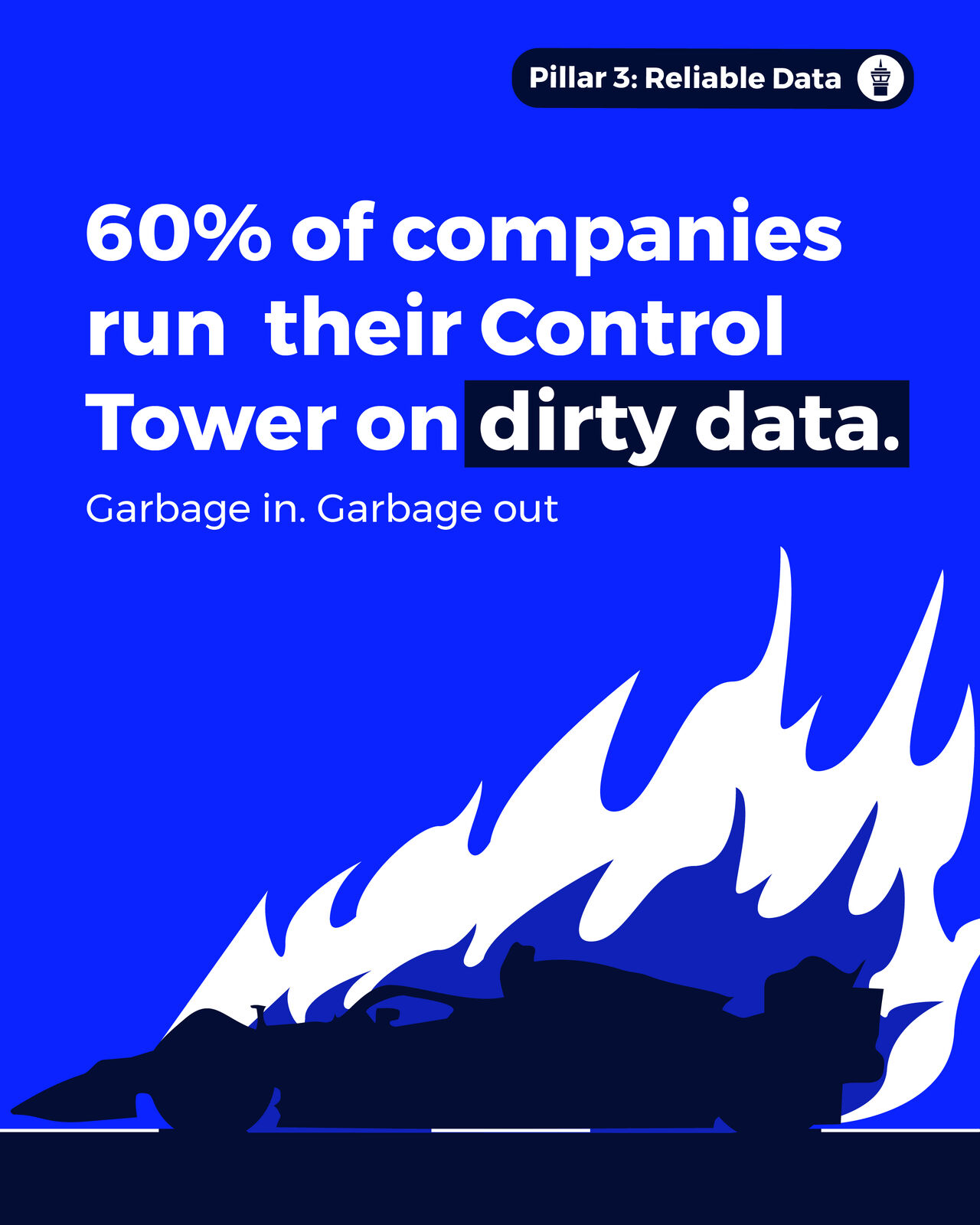
- 60% of companies struggle with unreliable data. That number alone explains why most visibility projects fail. You can have perfect processes. You can have fully integrated systems. But if the data flowing through them is dirty, your dashboards will show conflicting numbers, your forecasts will drift, and your team will stop trusting the tool within weeks. "Garbage in, garbage out" isn't a warning. It's a guarantee. Clean, governed data isn't a nice-to-have at the end of a transformation. It's the fuel the whole thing runs
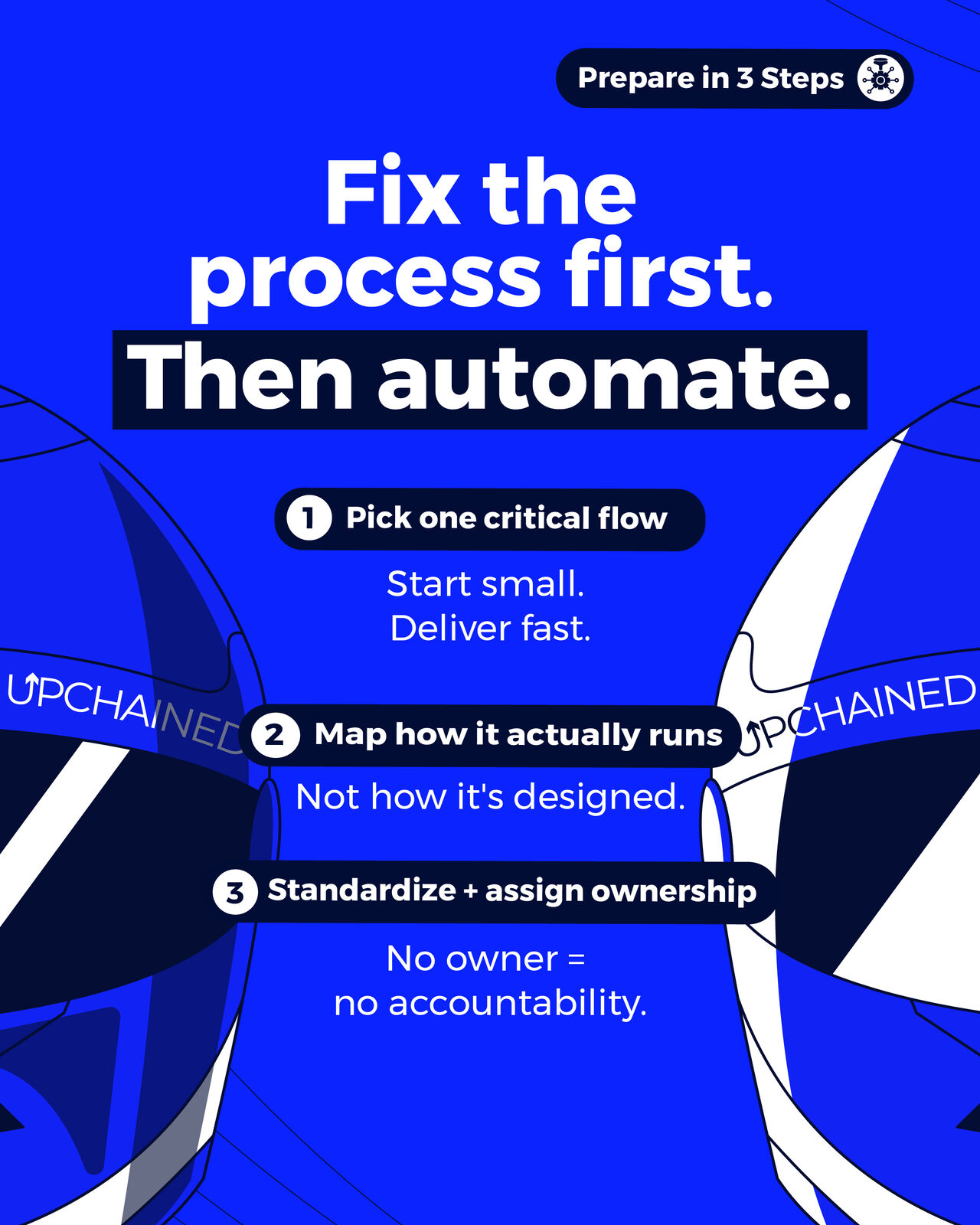
- Your company has invested in automation. The tools are live. The demos looked great. Six months later, nothing meaningful has changed, and nobody can quite explain why. The problem usually isn't the tool. It's what the tool was built on. Automate a broken process and you don't fix it. You just make it break faster, at scale, with fewer people noticing until it's a real problem. 𝗧𝗵𝗿𝗲𝗲 𝘁𝗵𝗶𝗻𝗴𝘀 𝘁𝗼 𝗱𝗼 𝗯𝗲𝗳𝗼𝗿𝗲 𝘆𝗼𝘂 𝗶𝗻𝘃𝗲𝘀𝘁 𝗶𝗻 𝗻𝗲𝘄 𝘁𝗲𝗰𝗵𝗻𝗼𝗹𝗼𝗴𝘆: 1️⃣ 𝗣𝗶𝗰𝗸 𝗼𝗻𝗲 𝗰𝗿𝗶𝘁𝗶𝗰𝗮𝗹 𝗳𝗹𝗼𝘄. Find the
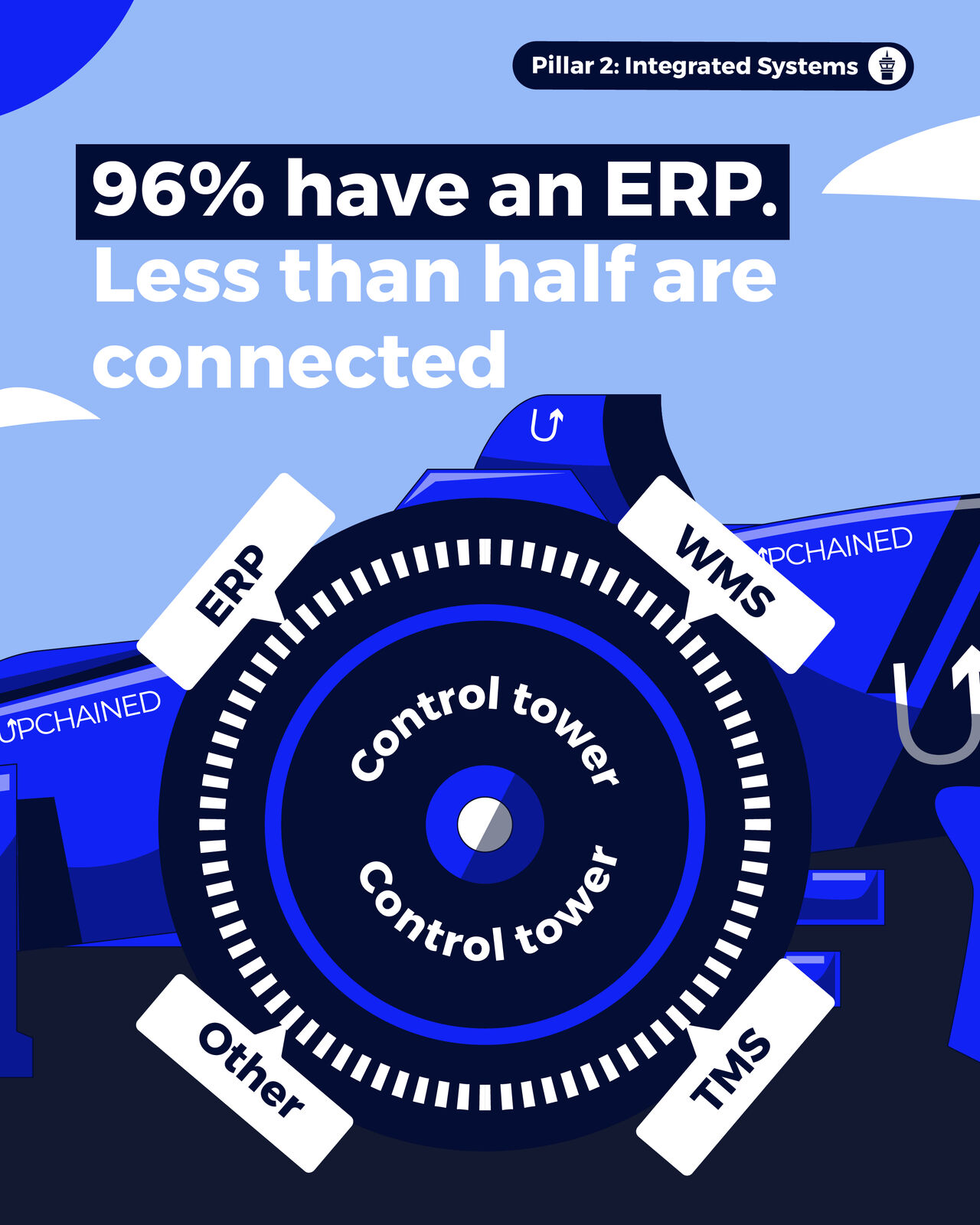
- 96% of companies have an ERP. Less than half have systems that actually talk to each other. That gap is where your Control Tower breaks down. When your ERP, WMS, and TMS don't share data in real time, your team fills the gap manually, wrestling spreadsheets instead of making decisions. Your people become the integration layer. That's expensive. And slow. True E2E visibility means data flows across the entire chain without anyone manually carrying it between systems. The moment it stops at a system boundary, you've lost the
- 68% of supply chain leaders list automation as a top priority. 57% are stuck in partial automation. A few scripts, maybe a digitized workflow. But the bigger gains never materialize. The gap isn't about budget. It's not about technology either. It's about what's underneath, or more accurately, what isn't. Three things kill automation projects before they get started, regardless of department: 🔴 Processes that aren't documented or standardized 🔴 Systems that don't talk to each other 🔴 No one who owns the end-to-end process
- Your supply chain is only as visible as your processes are defined. Most companies chase end-to-end visibility by buying better tools. New dashboards, new software, better reporting. But if the underlying way of working isn't standardized, those tools don't give you visibility… they give you a faster picture of the chaos. You can't see deviations you haven't defined. You can't align teams on a process that exists differently in every region. And you can't build an end-to-end view on top of a foundation that shifts depending on who
- While things slow down for a moment over the summer, it’s often the best time to step back and ask: 𝘞𝘩𝘦𝘳𝘦 𝘥𝘰𝘦𝘴 𝘺𝘰𝘶𝘳 𝘴𝘶𝘱𝘱𝘭𝘺 𝘤𝘩𝘢𝘪𝘯 𝘴𝘭𝘰𝘸 𝘺𝘰𝘶 𝘥𝘰𝘸𝘯 𝘵𝘰𝘥𝘢𝘺? 𝘈𝘯𝘥 𝘸𝘩𝘢𝘵 𝘯𝘦𝘦𝘥𝘴 𝘵𝘰 𝘤𝘩𝘢𝘯𝘨𝘦 𝘣𝘦𝘧𝘰𝘳𝘦 𝘘4 𝘩𝘪𝘵𝘴? In most organisations, the same pattern appears: 👉 Issues in planning impact sourcing 👉 Manufacturing constraints affect logistics 👉 Data gaps limit decision-making across the board That’s why real impact doesn’t come from local fixes. It comes from an end-to-end
- End-to-end supply chain visibility sounds simple. In practice, it breaks down in the same three places every time. We've worked across enough transformations to see the pattern: the technology gets implemented, the dashboards go live, and six months later the team is back to spreadsheets. Not because the software was wrong. Because the foundation wasn't there. Real E2E visibility requires three things to be in place simultaneously: 🔹 Defined processes with a consistent way of working across every region and function 🔹

Something wrong or missing? Send an update. Fixed within 24 hours.