Overview
Xeryon posted 270% revenue growth in the Deloitte Technology Fast 50 Belgium 2025, specializing in precision motion and positioning technology.
Key people

In the news
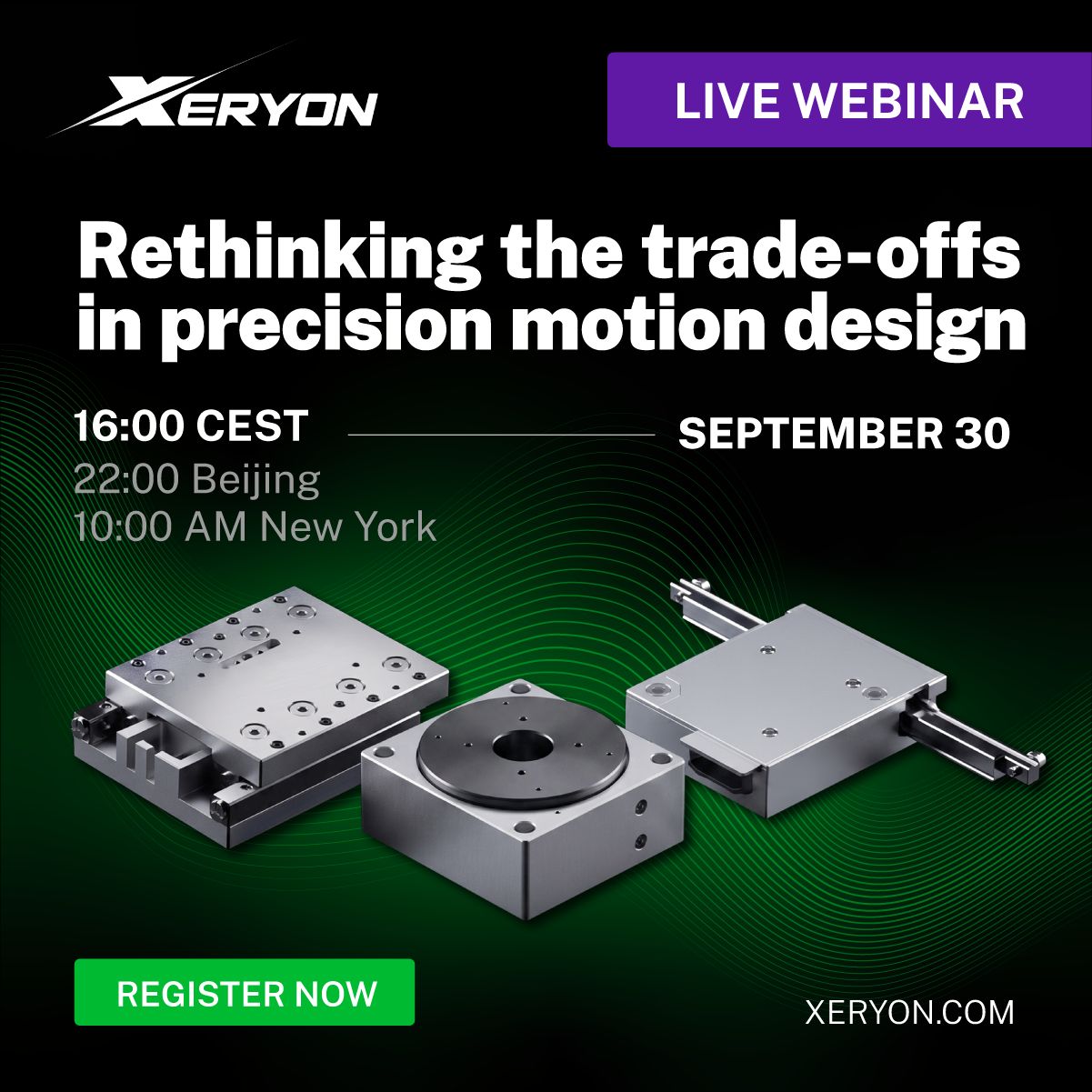
- Size. Speed. Precision. Silence. Lifetime. In precision motion design, improving one often means compromising on another. But are all these trade-offs really unavoidable? Join Xeryon on September 30 for a live webinar where we take a closer look at ultrasonic piezo motion, how it compares with stepper and other drive technologies, what we’re seeing in the market, and what Xeryon’s patented approach makes possible. We’ll cover: 🔹 Market needs and trends 🔹 Ultrasonic piezo vs. alternative drive technologies 🔹 Xeryon’s patented piezo
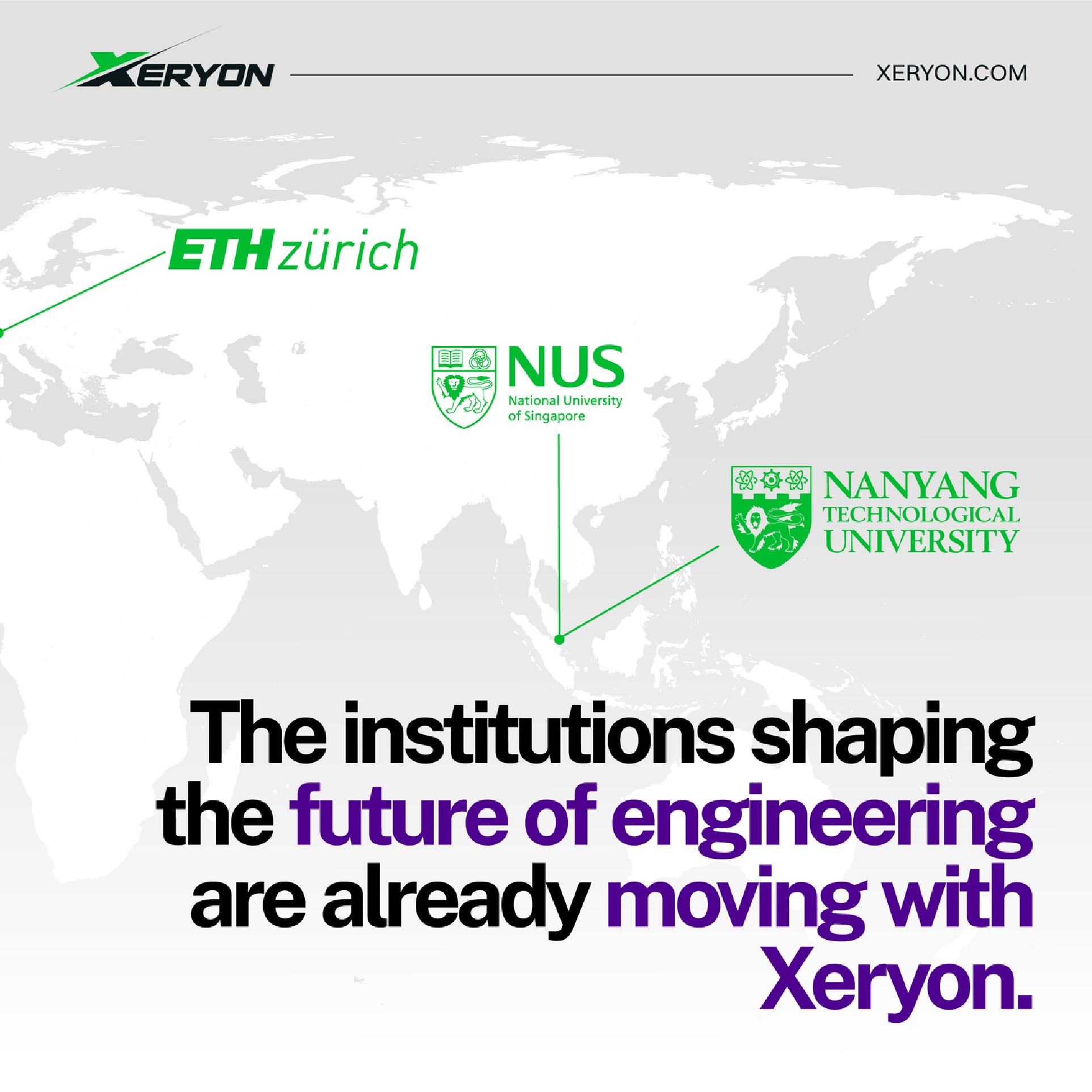
- 10 out of 10. The world's top engineering universities have one thing in common: they use Xeryon motion systems. Xeryon systems are in active use at every university in the QS 2026 top 10 for Engineering & Technology. Positioning samples inside electron microscopes. Aligning optics on synchrotron beamlines. Running experiments in ultra-high vacuum. When researchers at the highest level push the boundaries of science and engineering, every nanometer matters. Xeryon gives them the precision, speed, vacuum compatibility, and stable

- Your motion system is quietly deciding your device's size, battery life and imaging accuracy. Most MedTech teams find that out late in development, when the design is nearly locked and every trade-off costs twice as much to fix. Xeryon helps OEM engineering teams get ahead of those trade-offs through: Compact integration Ultra-slim piezo actuators fit into tight architectures where traditional motors, gears and cooling systems create design limitations. Precision without mechanical play Direct-drive piezo motion eliminates
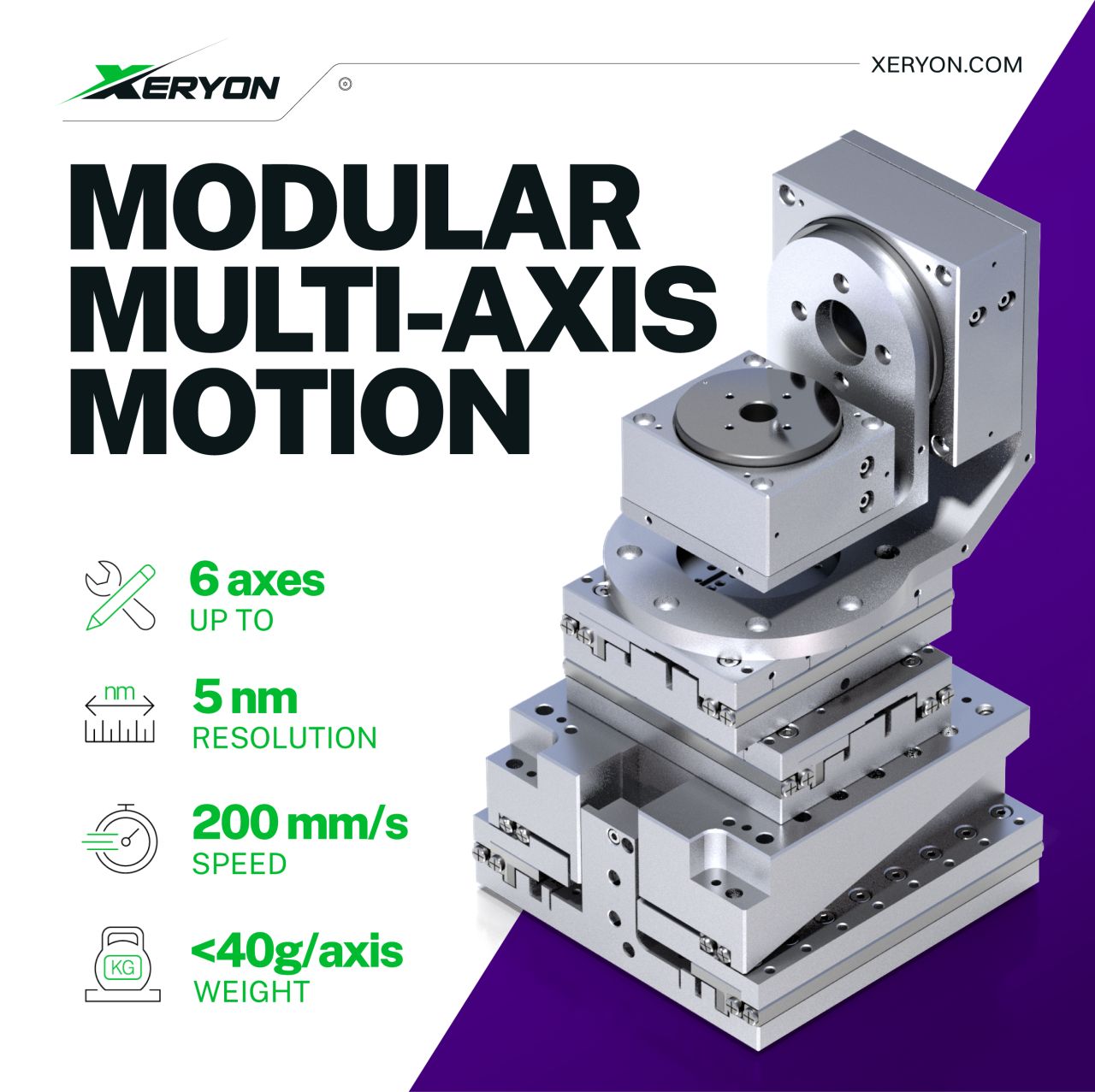
- Two axes. Three axes. Up to six. One precision motion system configured around your application. Xeryon's modular piezo stages allow engineers to combine linear, vertical, and rotary motion into XY, XYZ, XYθ, and fully customized multi-axis setups. Closed-loop resolution down to 5nm, linear speeds up to 200mm/s, and stable position holding at 0W - in stages starting below 40g per axis. HV and UHV versions are also available for demanding research and industrial environments. Explore ready-to-run configurations, technical
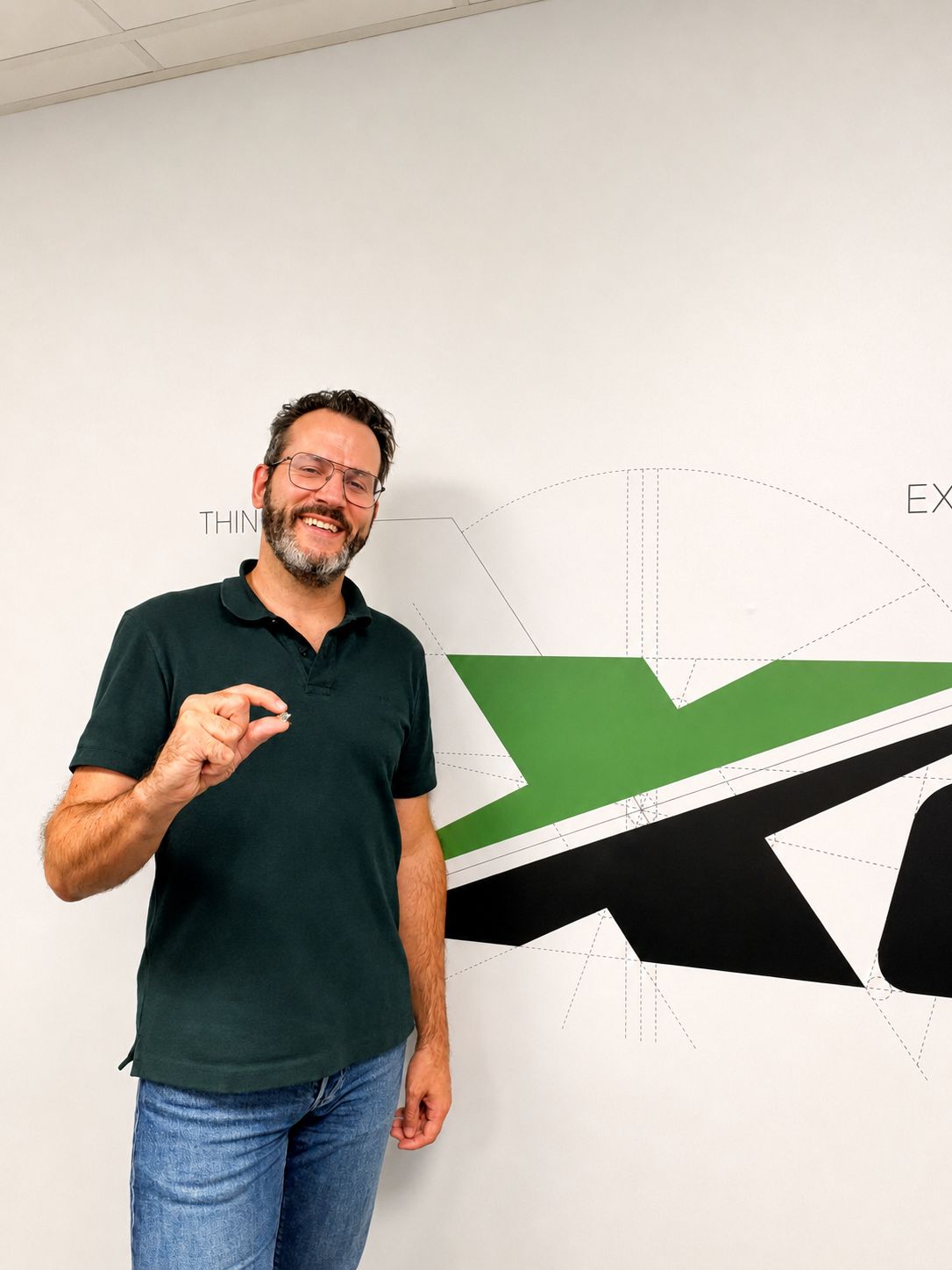
- We are wrapping up August with some exciting news - our team is growing! 🎉 Please join us in giving a warm welcome to the newest members of our team. We are thrilled to have this talented group of professionals on board and can’t wait to see the impact they will make. Let's meet our August joiners: Semen Koliesnikov – Assembly Operator Marcela P. Sesma Huitron – Procurement Lead Mihaela Bucur – Assembly Operator Anita Van Ishoven – Assembly Operator Dave Croonen – QC Manager Katey Depoorter – Office Admin Welcome to the team,
- For World Entrepreneurs’ Day, we asked our CEO a simple question: "What’s the one piece of advice you’d give to early-stage founders?" His answer was immediate: "Don't act like a startup. Act like a mature company." In the tech and hardware world, "move fast and break things" only gets you so far. When you're building precision technology for global manufacturers and researchers, reliability isn't optional - it’s the baseline. Happy World Entrepreneurs’ Day to everyone building the future! 🚀 #WorldEntrepreneursDay #Entrepreneurship
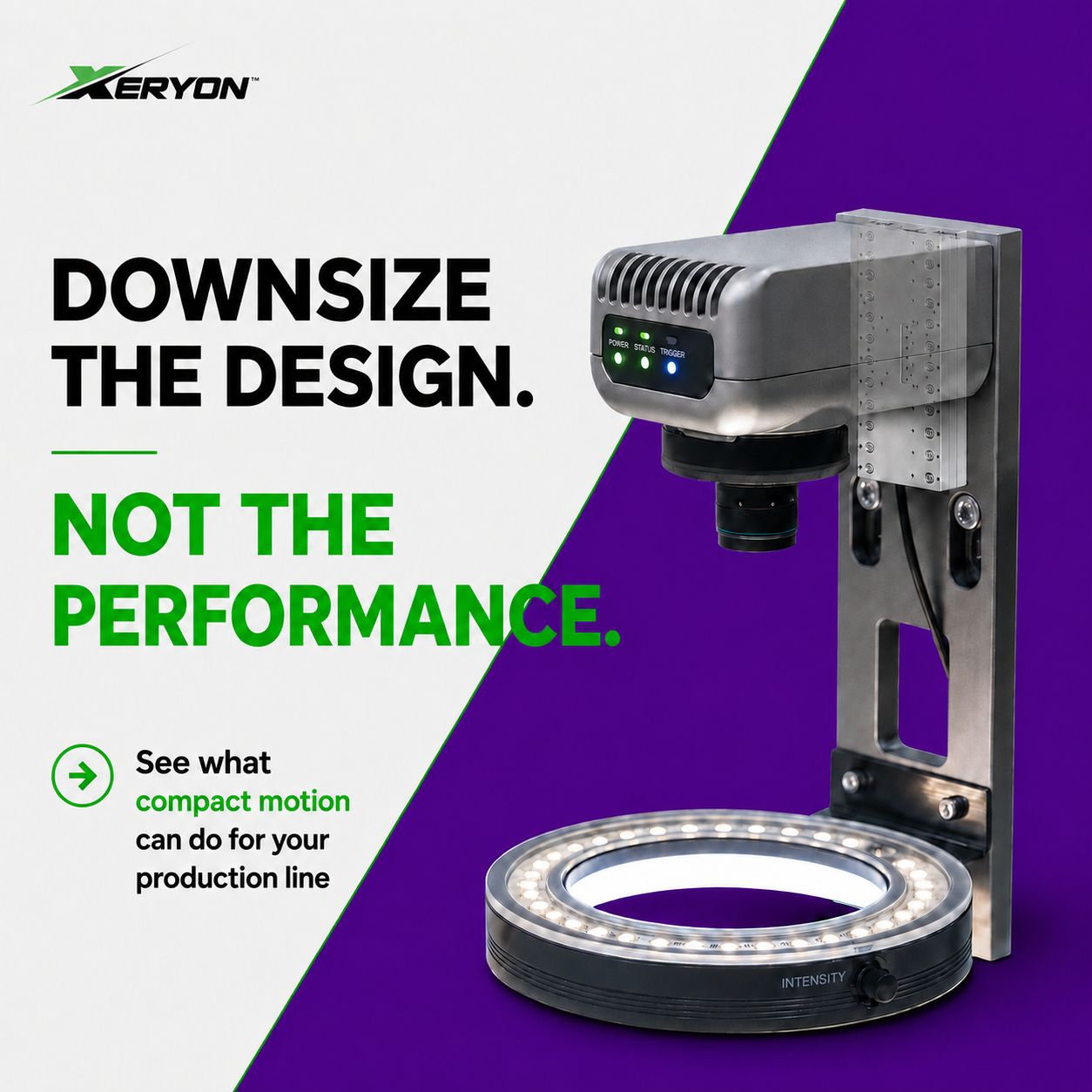
- Ultra-compact design, 0 W holding power, and speeds up to 1000 mm/s - without the traditional trade-offs of bulky actuators. Xeryon's direct-drive piezo technology redefines precision motion for manufacturing automation: lightweight actuators starting at just 5.9 g, zero brush wear, and zero maintenance downtime. One of our customers, the Principal Mechanical Engineer at a leading semiconductor test equipment manufacturer, put it simply: "At first, I found it hard to believe this level of performance could come from such a
- Only two things make a piezo motor lift more: push harder, or cancel the weight. Move a piezo stage sideways and it's fast and precise, no issue. Lift that same payload, though, and gravity adds two problems: the motor has to fight the full weight of the load, and every time it resets to push again, there's a real chance the payload falls back down. Four techniques put those two approaches into practice. Wedge amplification pushes harder, topping out around 15 mm of travel. Magnetic mass compensation, spring-based compensation, and

Related profiles
Something wrong or missing? Send an update. Fixed within 24 hours.