Overview
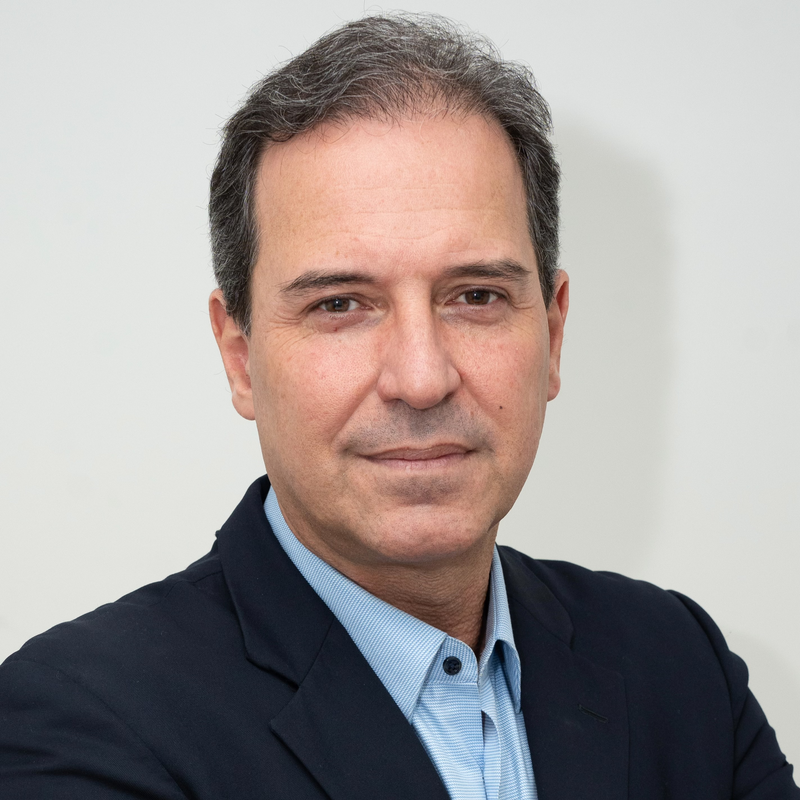
Carlos Reis is co-founder and chief executive officer of Epimed Solutions, a role he has held since August 2008, and is based in Rio de Janeiro. He states expertise in benchmarking de desempenho, sistema de informações hospitalares and ferramentas de business intelligence. He also co-founded InterFisio in December 2000 and MedEstratégia in August 2025, and between January 2012 and December 2021 was co-founder and director of InfoSalutis.
Earlier he joined Medcenter Solutions as chief medical officer in December 1999, becoming vice president in 2002 and then co-founder and chief executive officer until December 2009. He was executive director of the Instituto D'Or de Pesquisa e Ensino from January 2010 to December 2011 and a business mentor at Endeavor from 2010 to 2015. He worked as an intensive care physician at Hospital Barra D'Or - Rede D'Or São Luiz from 1998 to 2003, served as IT director at SOTIERJ, and founded MedStudents in June 1995.
Reis took his MD at the Federal University of Rio de Janeiro, completed an internal medicine residency at the Hospital de Força Aérea do Galeão and an MBA at Ibmec, and studied ICU leadership at the Université libre de Bruxelles and artificial intelligence in health care at the MIT Sloan School of Management.
Career history

Insights & ideas
The through-line
Across these posts, Carlos Reis returns again and again to a single question: how should artificial intelligence be introduced into healthcare without eroding the rigor, safety, and human judgment that clinical work demands. Early in the period he frames this through the lens of governance and evidence, insisting that AI's rapid growth in hospitals must be matched by structured criteria, not enthusiasm alone [4][7][8][9]. Over time the emphasis shifts from describing what AI is already doing in hospitals (documentation, billing, imaging support) [4] toward a more normative stance: AI systems should be selected, supervised, and held accountable the same way people are [7]. Running underneath this is an older, personal preoccupation, the difference between what clinicians think matters and what actually matters to the patient in front of them, which surfaces as a reminder that technology and data can never fully substitute for the human encounter [1].
On AI governance in hospitals
Reis's clearest recurring argument is that the technical challenge of AI adoption is smaller than the institutional one. Talking with hospital directors, he found that "a maioria já conhece a Resolução CFM nº 2.454, mas ainda busca entender como transformar suas exigências em processos dentro da instituição" and concludes that "a maior dificuldade quase nunca é tecnológica" [9]. For him the task is to organize existing AI use "definindo responsabilidades, critérios de avaliação e monitoramento," and he stresses that "o importante agora não é o estágio em que cada instituição se encontra, mas sim dar o primeiro passo de forma estruturada" [9]. This concern is echoed in his account of a UPMC/KLAS study of AI use in US hospitals, which he reads as showing "uma adoção bastante pragmática, concentrada em eficiência, redução de tarefas intensivas em trabalho e apoio à decisão," with governance already occupying "uma parte importante do estudo" [4].
On vetting AI like a hire
Reis extends his hiring philosophy directly onto AI systems, arguing that "incorporar uma IA clínica exige o mesmo rigor que aplicamos à contratação de um profissional de saúde" [7]. He lists the same due-diligence questions he would ask of a candidate: "Qual é a evidência disponível? Para qual finalidade foi desenvolvida? Quais são suas limitações? Qual o risco associado ao seu uso? Como será supervisionada?" [7]. He ties this explicitly to regulation, noting that Resolução CFM nº 2.454/2026 "estabelece diferentes níveis de risco e requisitos de governança para as aplicações de IA na medicina," and draws the conclusion that "se somos rigorosos com quem participa do cuidado, precisamos ser igualmente rigorosos" with AI [7].
On evidence versus information
A separate but related theme is his insistence that faster information is not the same as better evidence. Discussing the flood of a million new PubMed articles a year, he notes that the core problem is old: "a produção de artigos científicos aumenta em um ritmo muito maior do que a capacidade de analisá-los, avaliá-los criticamente e incorporá-los com segurança à prática clínica" [8]. He highlights the distinction researchers draw between "dados, informação, evidência e prática clínica," observing that "LLMs aceleram a produção e a síntese da informação," but that "evidência científica continua dependendo de método e validação" [8]. The same skepticism toward surface metrics appears in his comments on incident reporting, where he warns against "confundir ausência de evidência com evidência de ausência," since low reporting rates can mean either excellence or fear, and argues that "o verdadeiro indicador de maturidade é a capacidade da organização de aprender com os incidentes" [14].
On hiring instincts
Reis also reflects openly on decades of interviewing candidates, concluding that gut impressions matter more than résumés. He describes forming a read on a candidate before the conversation even starts, "a entrevista começa antes da primeira pergunta", and says that whenever that first impression was negative, "não importavam o currículo nem o desempenho na entrevista" [11]. He adds that ignoring this instinct almost always proved costly: "sempre que resolvi ignorar essa percepção e seguir com a contratação, quase sempre descobri, mais tarde, que minha primeira impressão estava certa" [11].
Takeaways
- Before rolling out clinical AI, hospitals should apply hiring-style due diligence: evidence base, intended purpose, limitations, risk, and supervision plan [7].
- The main barrier to AI compliance under Resolução CFM nº 2.454 is organizational, not technical, start by structuring responsibilities and monitoring, regardless of institutional maturity stage [9].
- Treat published literature growth (1 million PubMed articles/year) as an information problem, not an evidence problem; LLMs speed up synthesis but not validation [8].
- Low incident-reporting numbers should not be read as safety success without checking whether they reflect fear or poor process trust instead [14].
- In hiring, weight first impressions formed before the interview begins as seriously as résumé and interview performance [11].
In the news
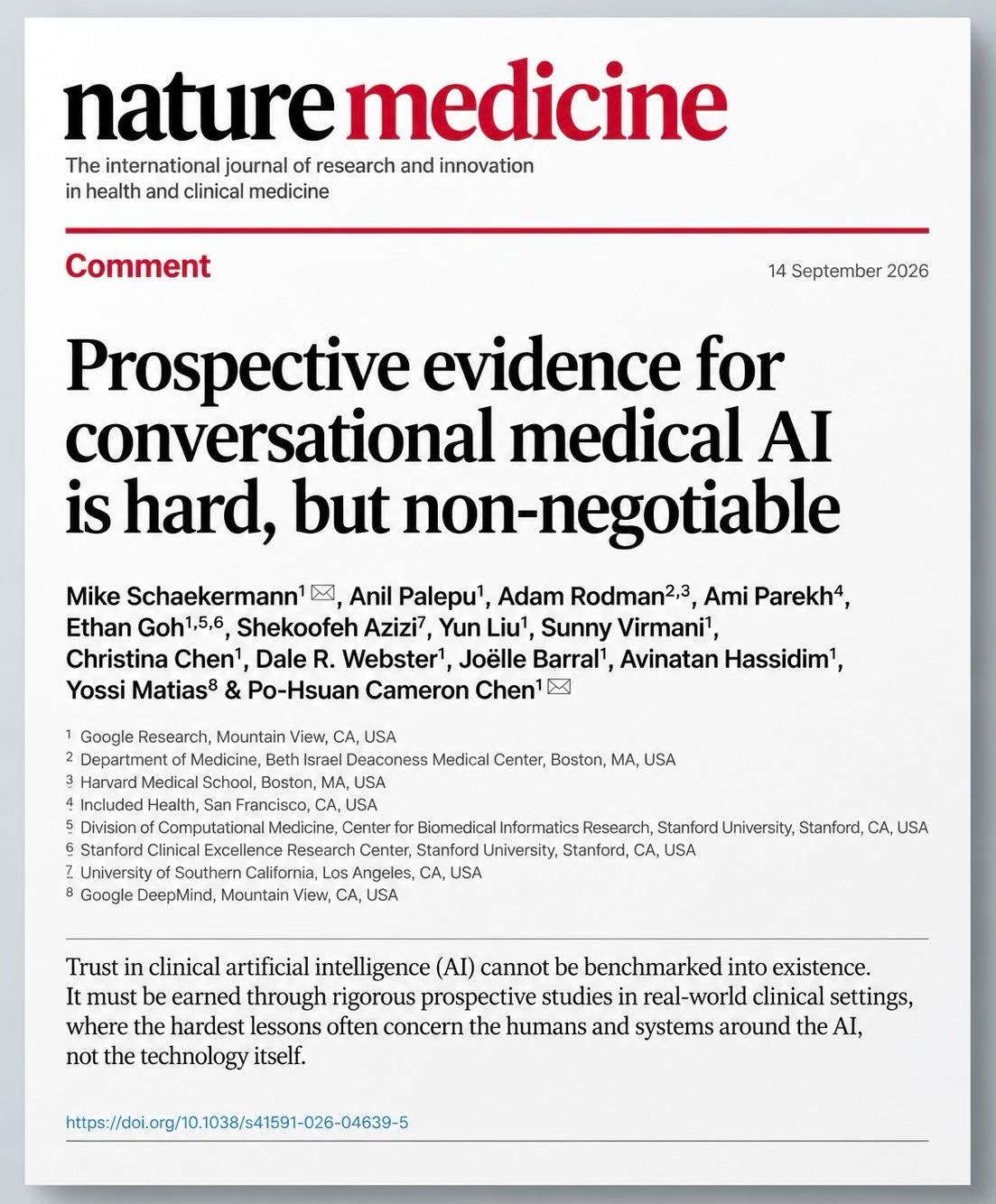
- IA clínica: ir bem no teste é só o começo Um comentário publicado na Nature Medicine, com autores do Google Research, Beth Israel Deaconess/Harvard, Included Health, Stanford e USC, discute um ponto importante para a IA clínica conversacional. Desempenho em benchmarks e ambientes simulados não é suficiente para demonstrar como esses sistemas funcionam quando passam a interagir com pacientes reais. Os autores usam o AMIE, do Google (Articulate Medical Intelligence Explorer, um sistema de IA conversacional voltado ao
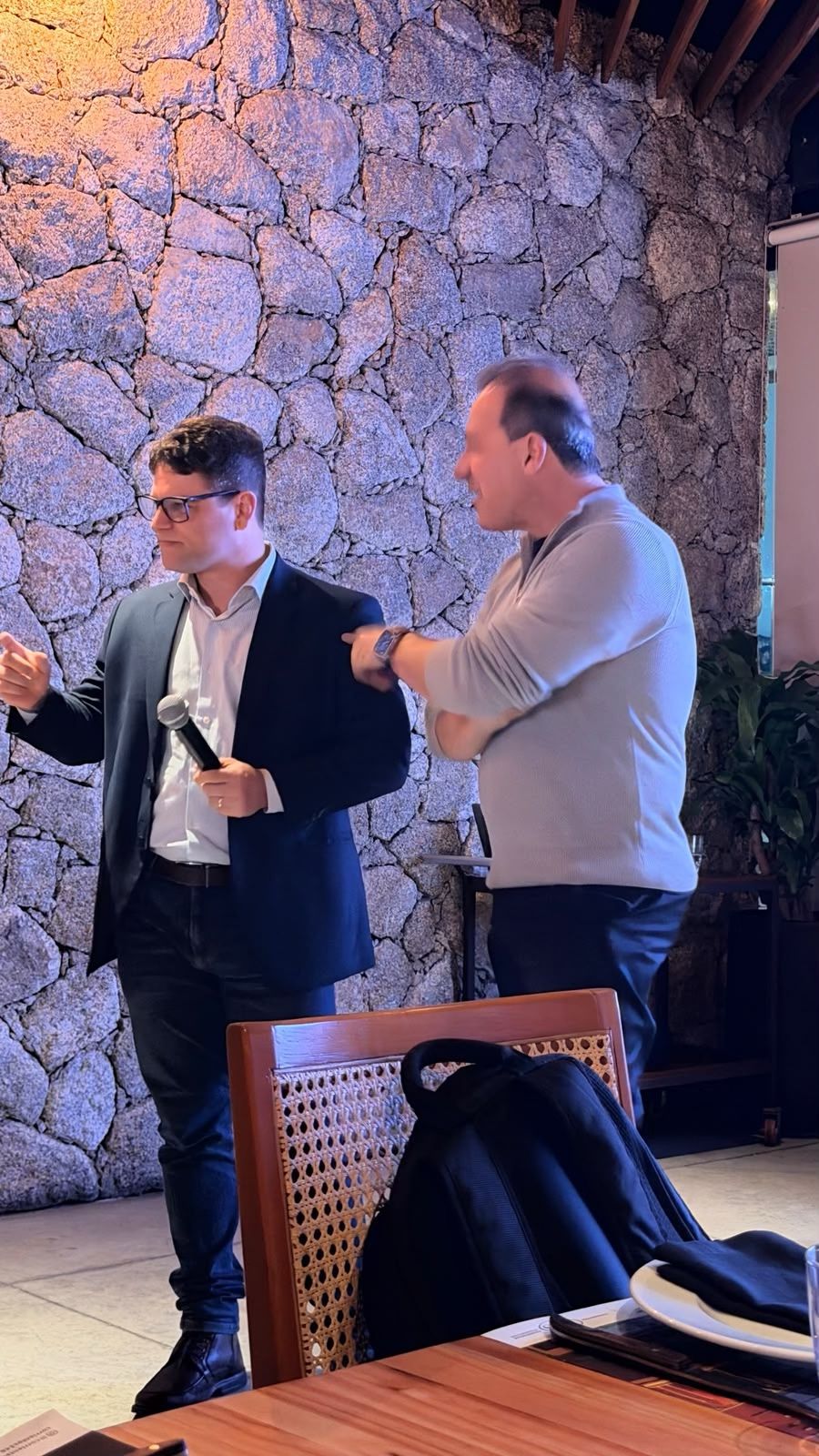
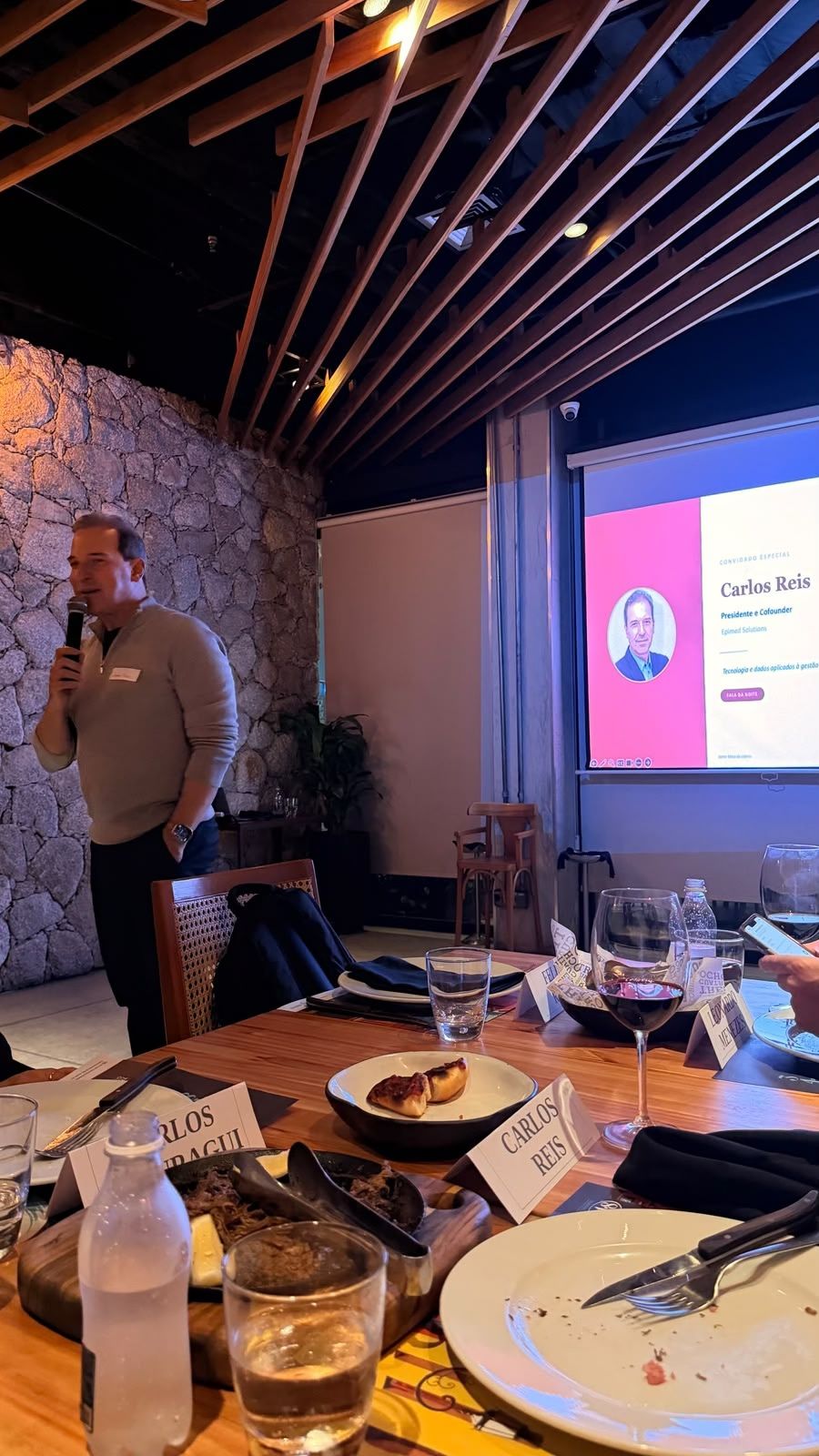
- Ontem participei da Mesa de Líderes, um encontro organizado pelo meu amigo Thiago Constancio, MD, PhD, que reuniu um grupo muito interessante de lideranças da saúde. A proposta é simples e muito relevante, criar um espaço contínuo de troca sobre gestão, liderança e estratégia, aproximando pessoas que vivem desafios semelhantes e têm muito a aprender umas com as outras. Gostei muito do encontro e, principalmente, da qualidade das conversas e das pessoas reunidas. Para quem se interessa por esse tipo de troca, recomendo
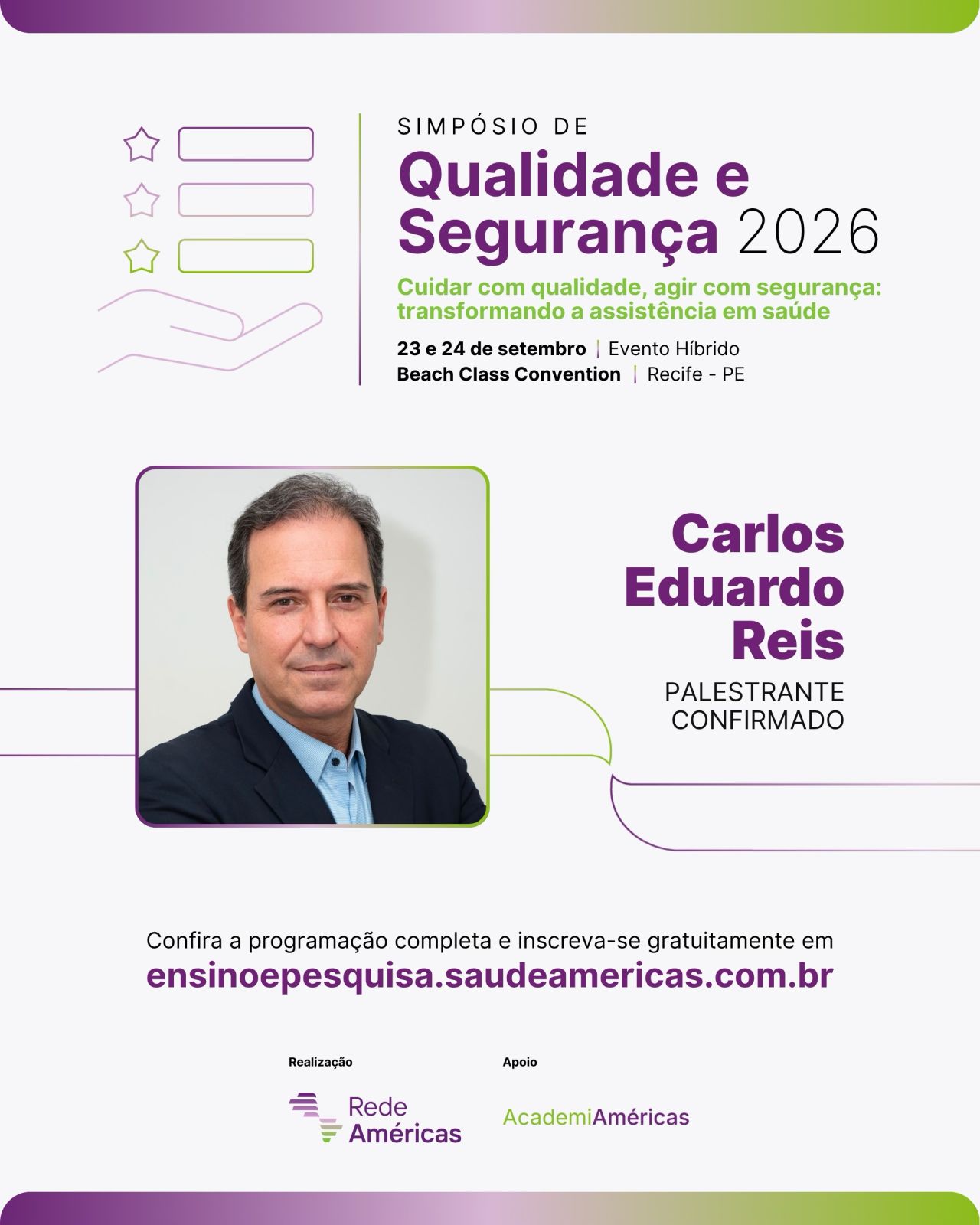
- Na próxima semana estarei em Recife, como palestrante do Encontro de Segurança do Paciente da Rede Américas, falando sobre “O futuro da segurança do paciente: Inteligência Artificial na transformação do sistema de saúde”. Estou muito animado com esse encontro. Quero discutir como incorporar inteligência artificial à segurança do paciente de forma que ela produza impacto real no cuidado, nos resultados e na sustentabilidade do sistema de saúde.
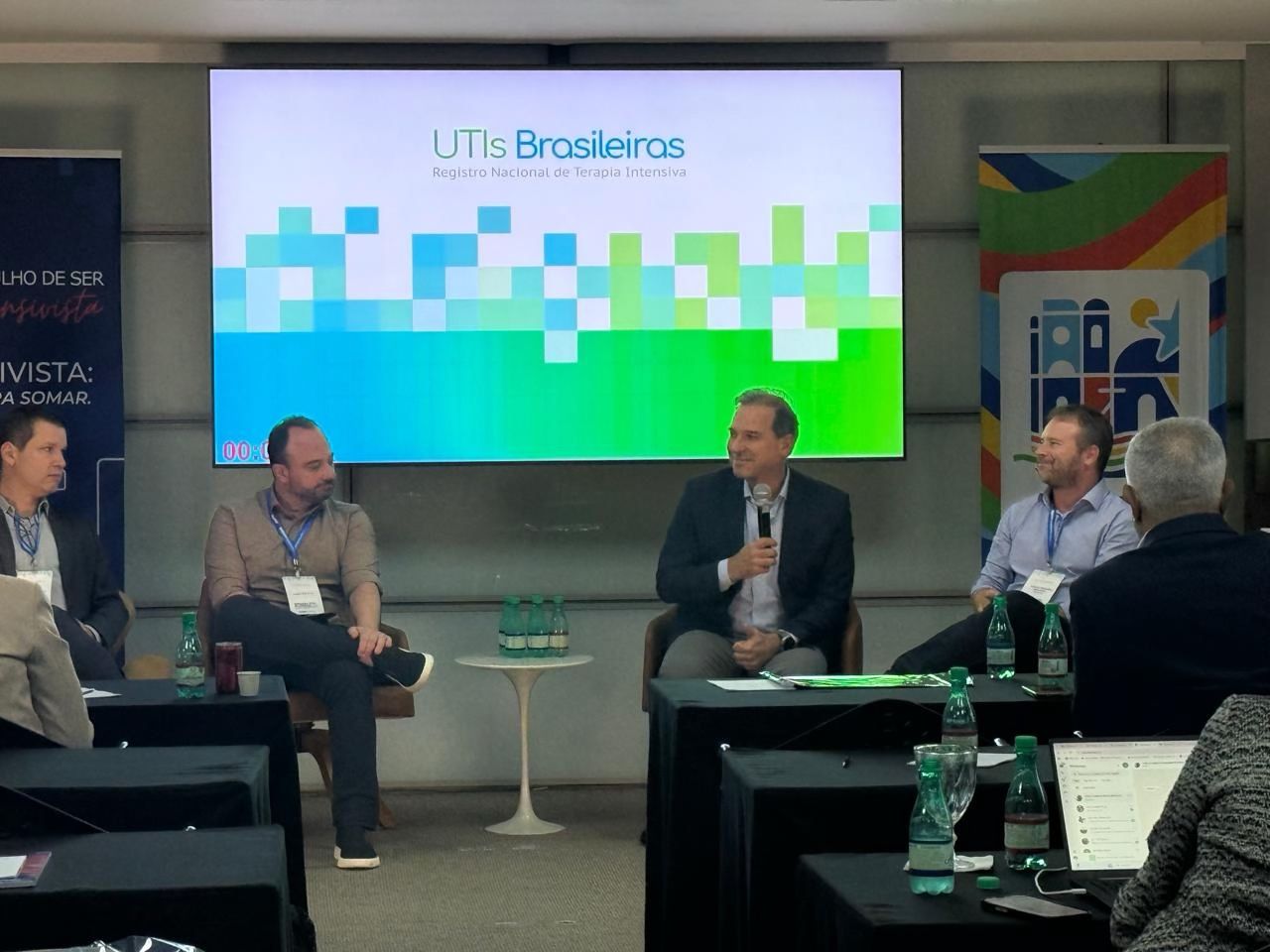
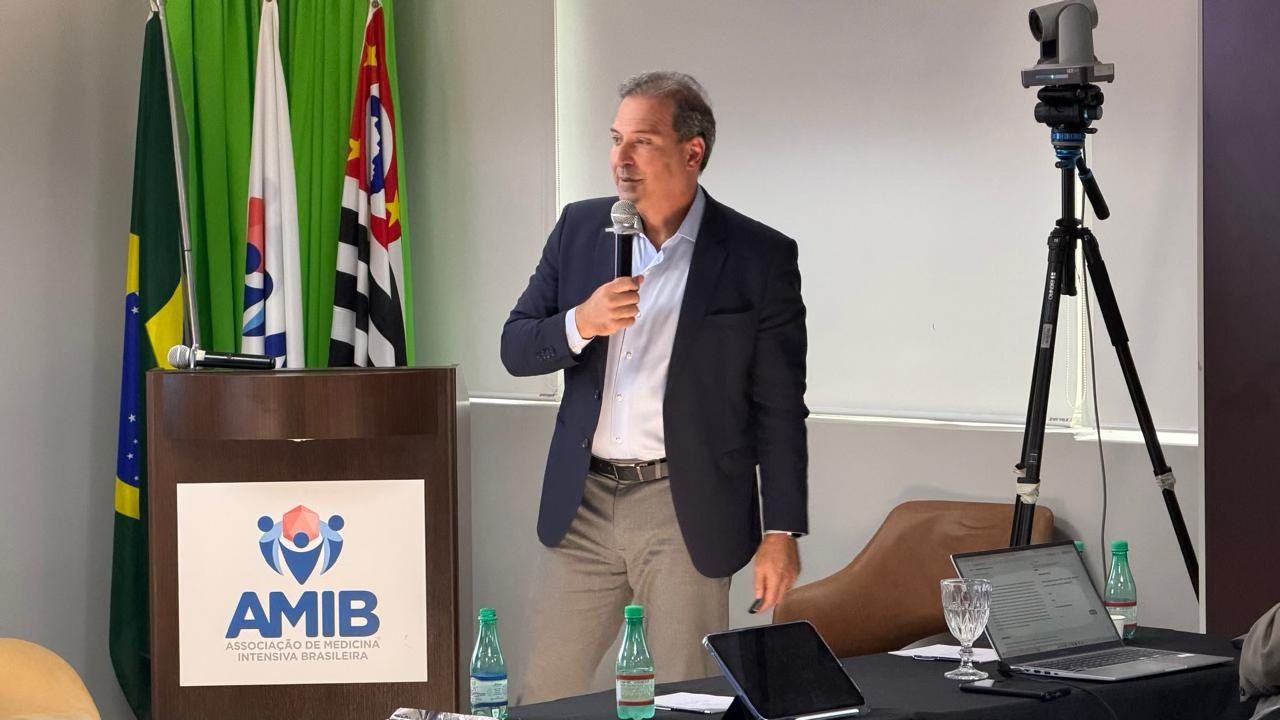
- Ontem participei, na sede da Associação de Medicina Intensiva Brasileira - AMIB, do simpósio do programa UTIs Brasileiras, realizado de forma presencial e online, com mais de 350 participantes acompanhando remotamente. Falei sobre os pilares fundamentais para a inteligência artificial em saúde. Em um momento em que se fala tanto de algoritmos, modelos e agentes, procurei reforçar uma ideia essencial. IA em saúde precisa de dados clínicos estruturados, representativos e contínuos. Mas isso não basta. A IA precisa estar integrada
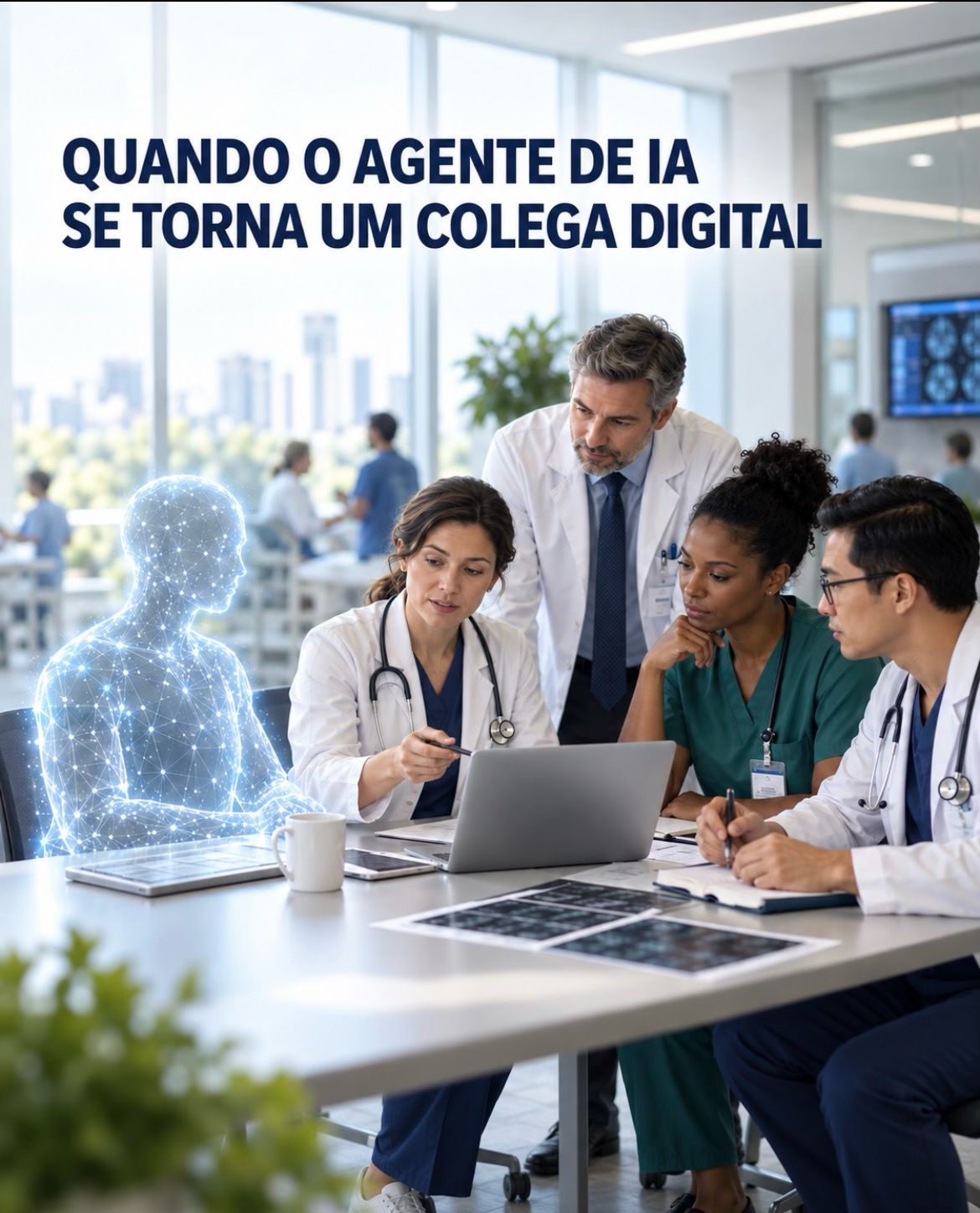
- Quando o agente de IA se torna um colega digital Você já teve a sensação de que a IA deixou de ser apenas uma ferramenta e passou, de alguma forma, a trabalhar com você? Pois é. Pesquisadores do MIT Center for Information Systems Research deram a essa nova relação o nome de “colegas digitais”, sistemas de IA que colaboram com pessoas na realização de trabalhos complexos. A diferença para um agente de IA está menos na tecnologia e mais na forma de organização do trabalho. O agente recebe um objetivo e executa tarefas com alguma
- Na Epimed, parte do nosso trabalho e da nossa responsabilidade é incorporar tecnologias que ajudem a terapia intensiva e a prática hospitalar a evoluir com mais eficiência e, sobretudo, mais segurança para os pacientes. Por isso, acompanhamos de perto as tendências para entender onde podemos e devemos ajudar nossos usuários. Um estudo recente da OpenAI mostra uma mudança importante. Estamos saindo das interações curtas, em que a IA responde a uma pergunta ou executa uma tarefa isolada, para agentes capazes de receber
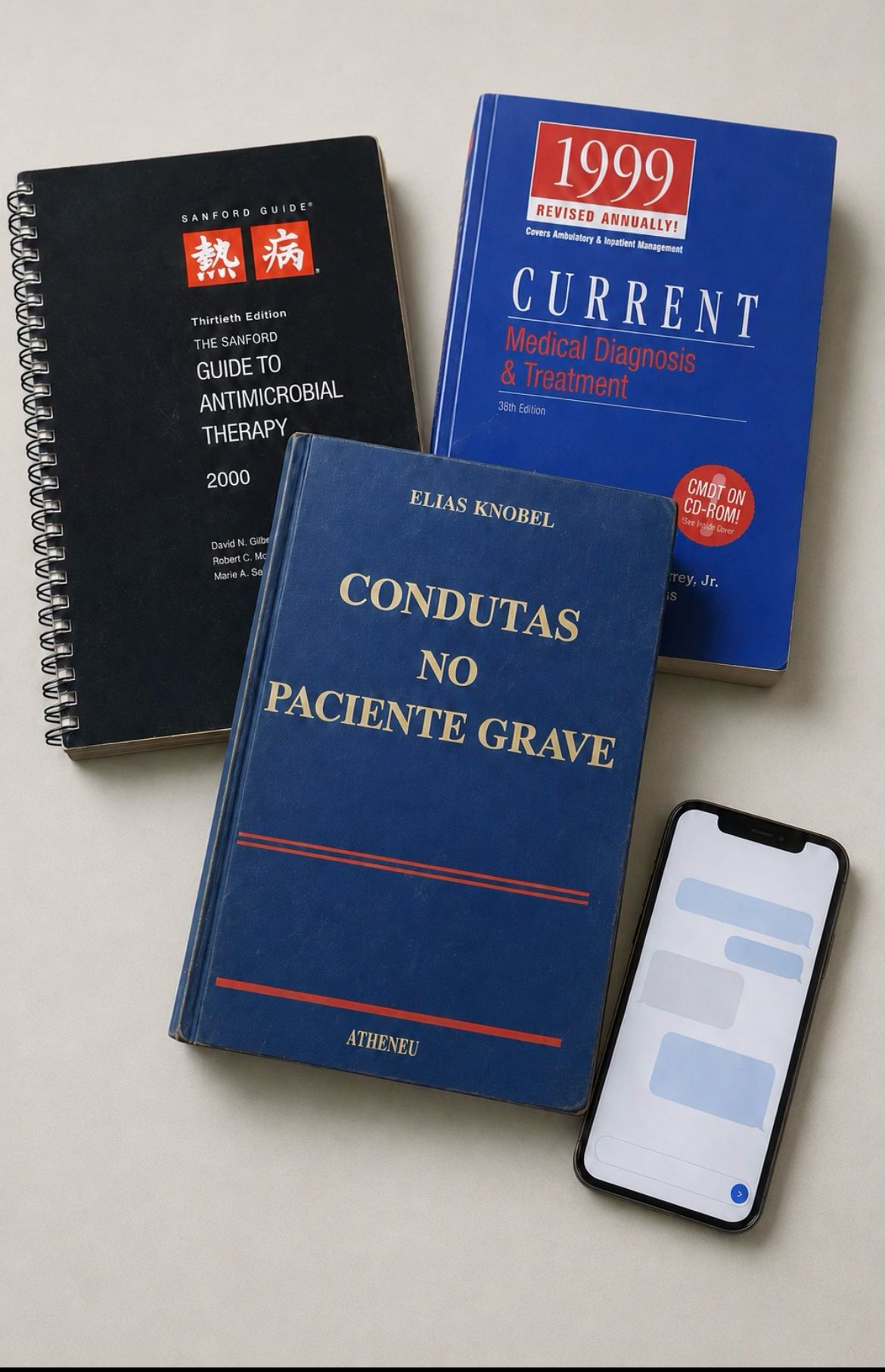
- O apoio à decisão médica não começou com a IA Profissionais de saúde sempre recorreram a livros e artigos científicos para consultar informações e se atualizar. Livros de emergência, condutas em terapia intensiva, guias de antibioticoterapia e artigos científicos ajudavam a confirmar uma hipótese, ajustar uma dose ou decidir o próximo passo. Depois, boa parte desse conteúdo passou para aplicativos, com recursos de consulta, calculadoras, protocolos e sistemas de apoio à decisão, ainda sem inteligência artificial. Nunca achei
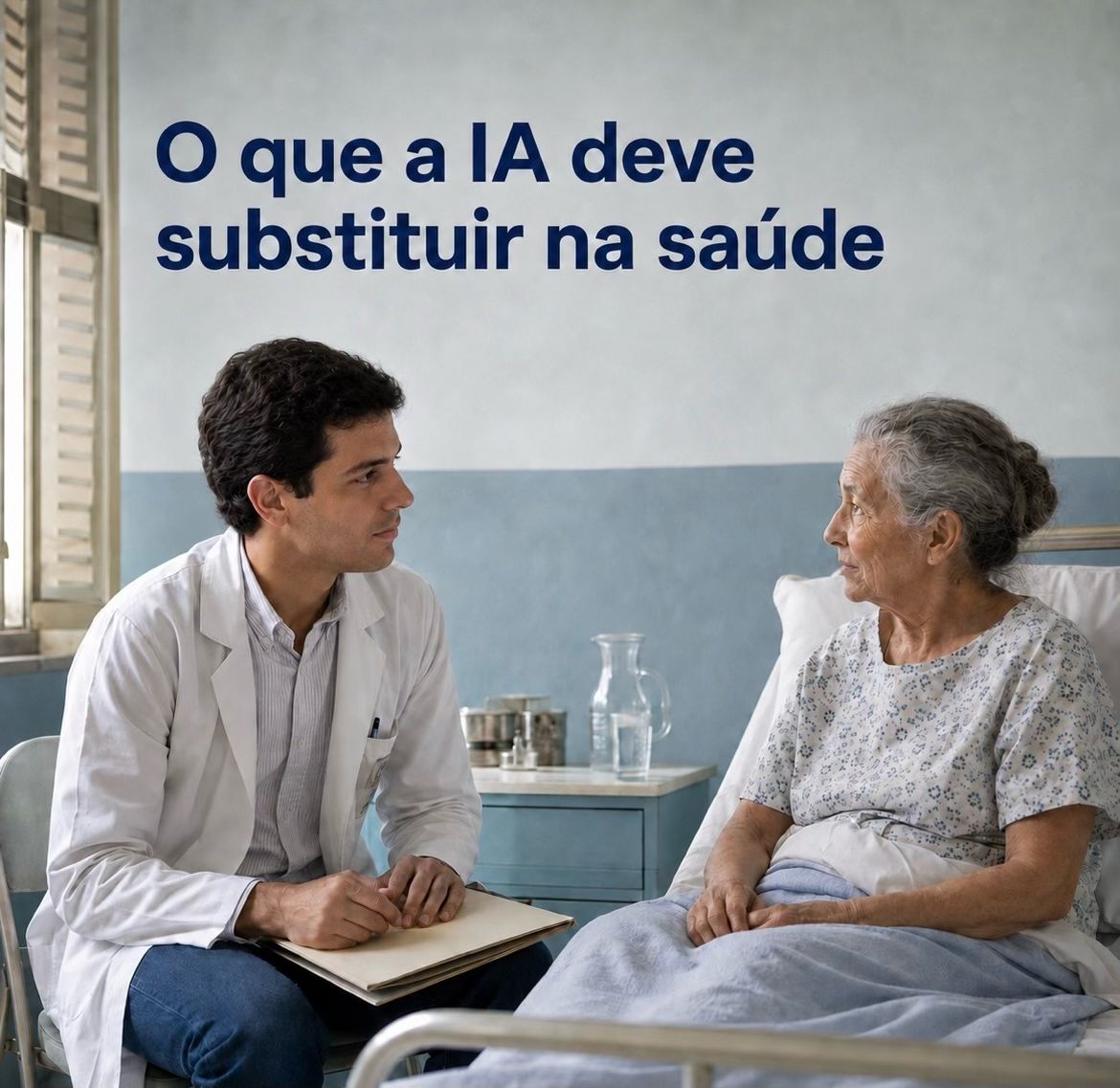
- O que a IA deve substituir na saúde Quando eu ainda era estudante de medicina, na década de 1990, acompanhei uma paciente de cerca de 70 anos com derrame pleural. Foram realizados exames para investigar a causa. Enquanto aguardava o resultado, ela estava muito ansiosa. O diagnóstico veio alguns dias depois. Câncer de pulmão. Eu fiquei arrasado. Era uma das primeiras vezes que precisaria comunicar um diagnóstico de câncer. Li, pedi orientação e me preparei para aquela conversa. Quando comecei a falar, ela me interrompeu. “Não me
This page shows public professional information only, each fact cited. Is this you? send a correction, or ask for removal within 24 hours, no questions asked.