Overview
Francis Logghe is the managing director of Elektrischeauto.be, a role he took up in January 2025. He is based in Waregem. Since January 2007 he has also been creative manager at SIESQO, a communication agency.
Earlier in his career, Logghe was an accountmanager at Bio Services International from 2004 to 2006, and before that a graphic designer at Pirana Concepts from 2002 to 2004.
He studied at the College of Multimedia Amsterdam between 2000 and 2002. His earlier schooling was at VISO Mariakerke from 1995 to 2000, Don Boscocollege Zwijnaarde from 1993 to 1995 and Heilig Hartcollege Waregem from 1991 to 1993.
Career history

Insights & ideas
The through-line
Across these posts, Francis Logghe keeps returning to one question: who controls the auto industry as it goes electric, and what that means for Belgium. In July and early August his posts are mostly product coverage: new Zeekr, XPeng, Audi and Range Rover models. From mid-August onward the same interest tightens into an explicit industry-shift narrative, first around the crisis at German manufacturers and then around what Chinese brands could mean for Volvo Car Gent specifically. The framing moves from "here is a new EV" to "here is who is winning and who is losing, and what Belgium should do about it" [4][6][9].
On the German auto industry's shifting power
Logghe treats the German OEM troubles as structural rather than cyclical. He lists the evidence himself: "Volkswagen Group onderzoekt een herstructurering die mogelijk tot 100.000 banen raakt," Audi's Neckarsulm plant future is uncertain, "BMW wil ongeveer 8.000 banen schrappen," Mercedes-Benz sales in China fell 30%, and "Porsche bouwt tegen 2035 ongeveer één op de vijf arbeidsplaatsen af" [6]. His conclusion is that "Dit lijkt stilaan veel meer dan een tijdelijke dip. En de grote rode draad is China" [6]. He is careful not to write Germany off entirely: "Duitsland heeft de strijd niet verloren. Maar het tijdperk waarin de Duitse autobouwers vanzelfsprekend de spelregels bepaalden, lijkt wel voorbij" [4].
On the Chinese rise as opportunity, not just threat
Where much commentary treats Geely, Zeekr and Lynk & Co as purely a competitive threat, Logghe pushes back: "De opmars van merken als Geely, Zeekr en Lynk & Co wordt vaak uitsluitend als een bedreiging gezien. Maar diezelfde merken kunnen ook nieuwe productievolumes, investeringen en werkgelegenheid naar ons land brengen" [9]. He grounds this in Volvo Car Gent's own track record, arguing the plant "beschikt over bijzonder sterke troeven: ervaren medewerkers, moderne productielijnen, een strategische ligging en de bewezen capaciteit om snel nieuwe elektrische modellen te industrialiseren," pointing to the EX30 as proof [9]. He frames Volvo's openness to contract production for other brands as a sign of how fast the European landscape is changing, and poses the same opportunity-versus-threat question directly to his audience regarding Geely models potentially being built in Ghent [2][9].
On XPeng's broader ambition
Logghe's coverage of XPeng goes beyond specs. After the Brand Day in Munich he wrote that "het hoogtepunt was de wereldpremière van de nieuwe XPENG L03," launched simultaneously in Europe and China across 64 markets, but that "vooral de bredere visie achter het model bleef bij mij hangen: Physical AI for All" [13]. He notes that XPeng "liet zien hoe zijn technologie zich ontwikkelt van intelligente voertuigen naar robotica, autonome mobiliteit en zelfs vliegende voertuigen" [13]. He also tracks the company's stated growth targets and technology roadmap: deliveries aimed at "550.000 tot 600.000 voertuigen" in 2026 growing to "één miljoen exemplaren" by 2030, with VLA autonomous-driving technology set for international rollout "vanaf 2027" [15].
Takeaways
- Volvo Car Gent's demonstrated speed in industrializing the EX30 is, in Logghe's view, its strongest argument for winning contract production from Chinese brands [9].
- The German auto crisis should be read as structural, not cyclical: VW's restructuring could affect up to 100,000 jobs, BMW plans to cut about 8,000, Porsche will cut roughly one in five jobs by 2035, and Mercedes-Benz's China sales fell 30% [6].
- Logghe argues the era of German automakers unilaterally setting the industry's rules is over, even though he stops short of saying Germany has lost [4].
- He frames Chinese brands' European expansion (Geely, Zeekr, Lynk & Co) as a potential source of investment and jobs for Belgium, not only a competitive threat [9].
- He sees XPeng's ambition extending past electric vehicles into robotics, autonomous mobility and flying vehicles under the "Physical AI for All" banner [13].
- XPeng's own targets, per Logghe's reporting, are 550,000-600,000 delive
Media & appearances
- Praatje PodcastYouTubePraatje Podcast 002: De toekomst van de elektrische auto
In the news
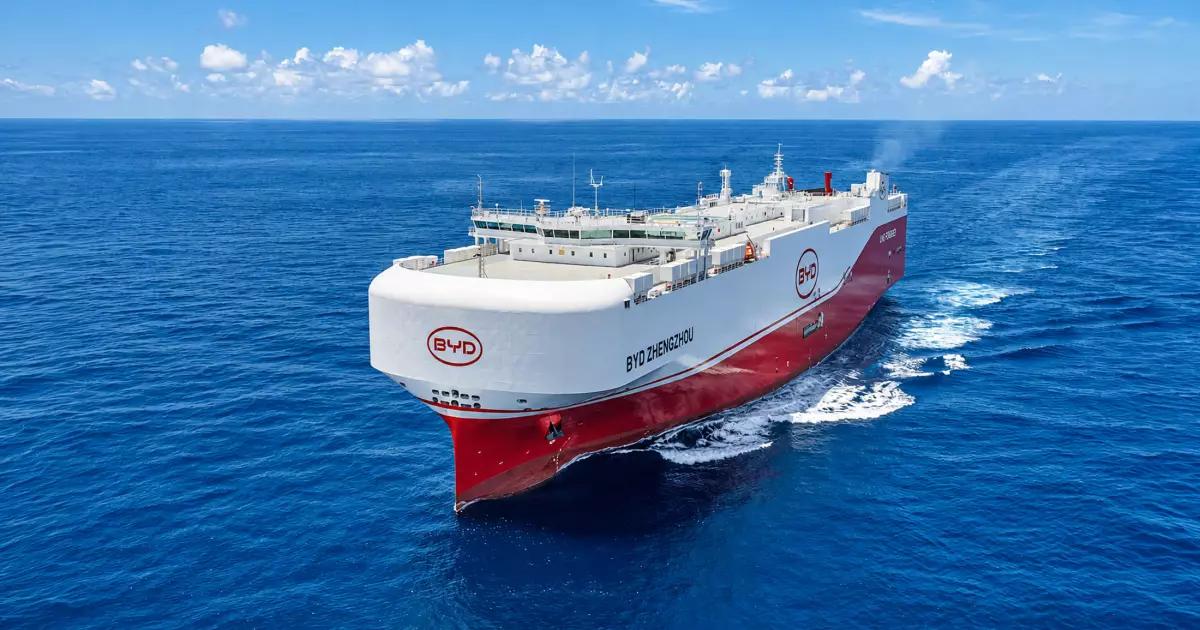
- De stevige concurrentie en aanhoudende prijzenoorlog in China zetten de winstmarges van autofabrikanten al langer onder druk. Voor BYD wordt het daardoor nog belangrijker om zijn groei op buitenlandse markten veilig te stellen en tegelijk ook de logistiek zelf in handen te nemen. Met tien extra autoschepen in voorbereiding lijkt BYD dan ook vastbesloten om niet alleen meer auto's te bouwen, maar ze ook sneller en efficiënter naar klanten buiten China te krijgen.👇 #ElektrischeAuto #EV #BYD #ExplorerNo1 #Hefei #Changzhou
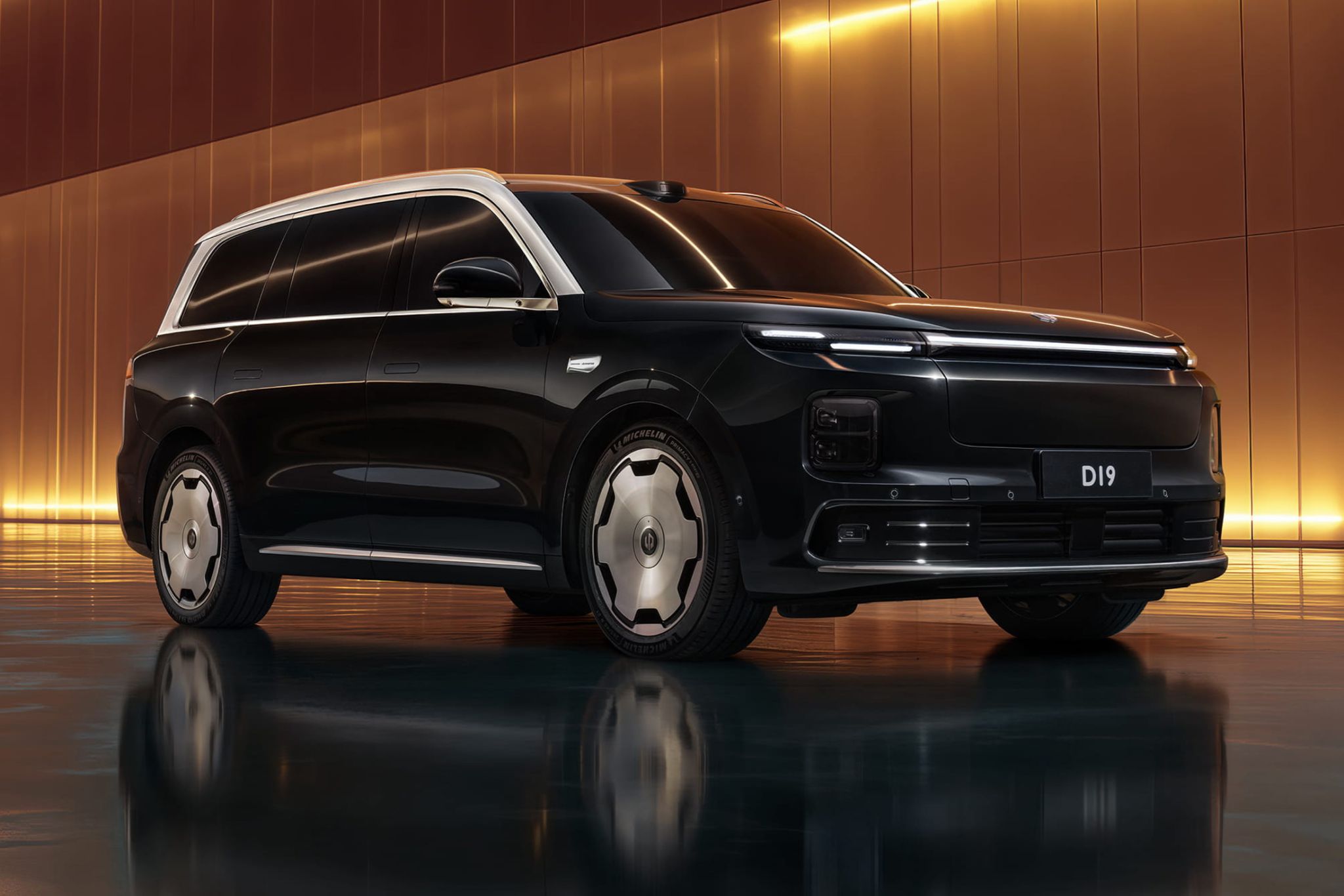
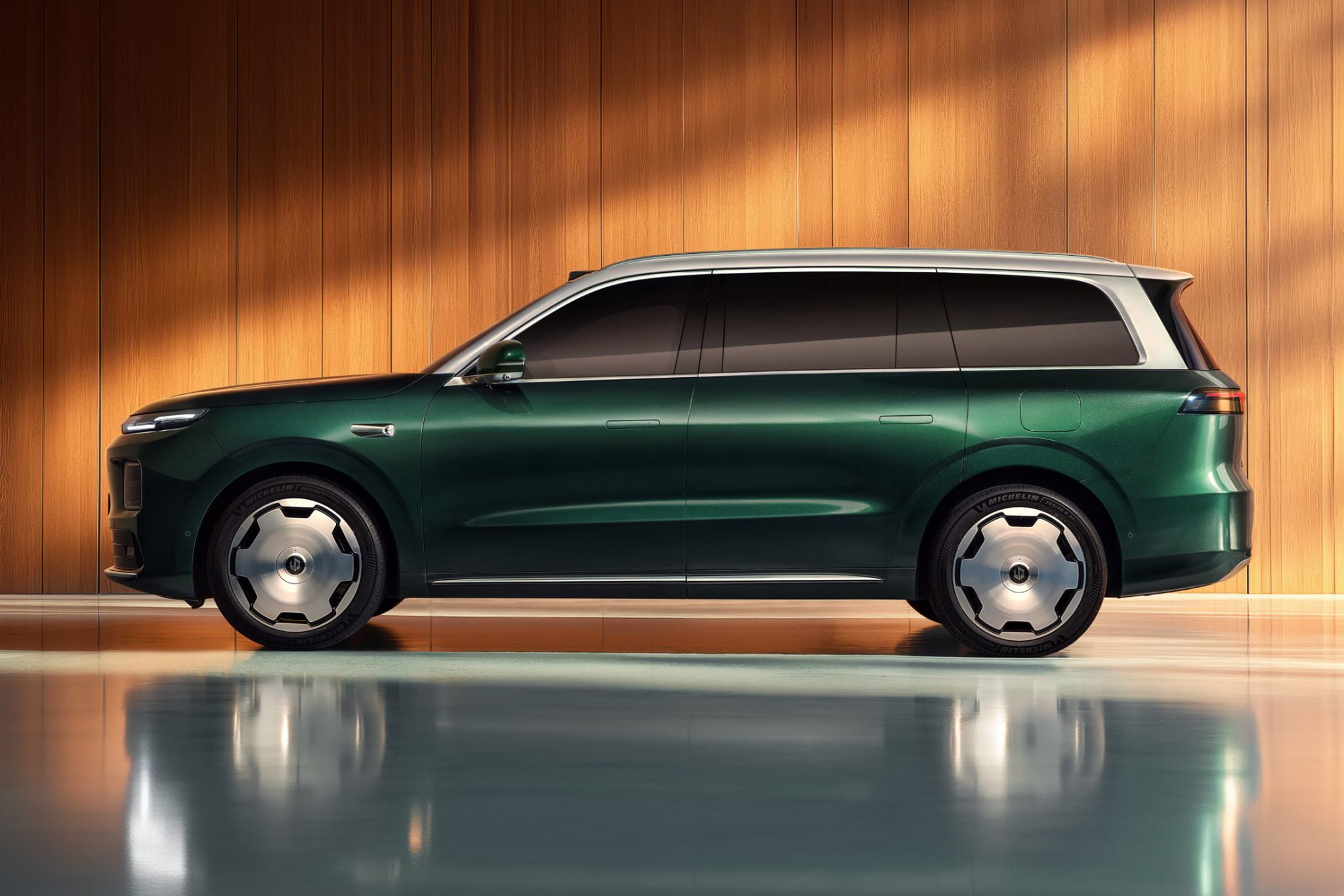
- De Leapmotor D19 beleeft zijn Europese première tijdens de Paris Motor Show. De D19 wordt er samen met de nieuwe B03 een van de belangrijkste nieuwigheden van Leapmotor.👇 #ElektrischeAuto #EV #Belgie #Leapmotor #D19
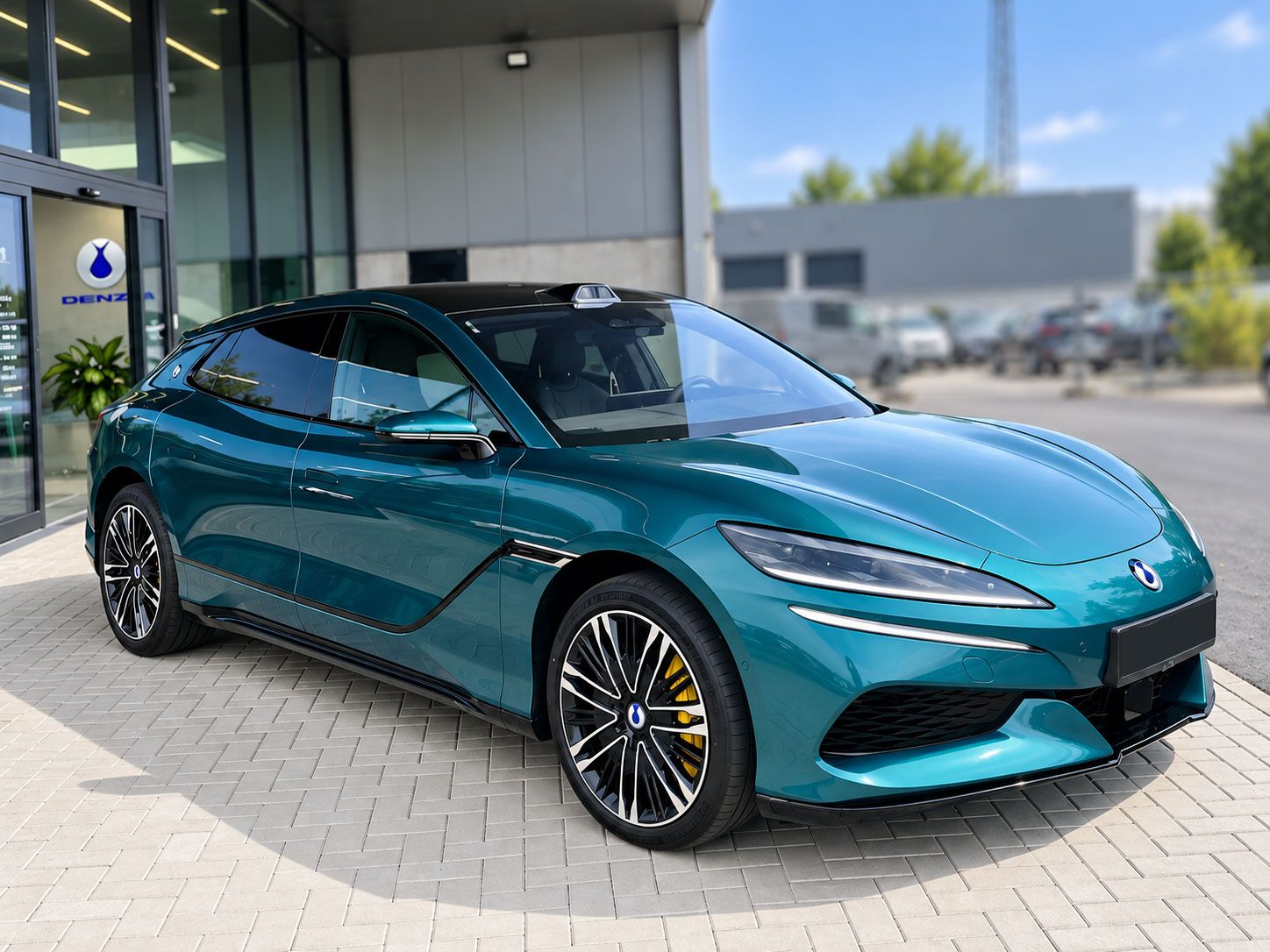
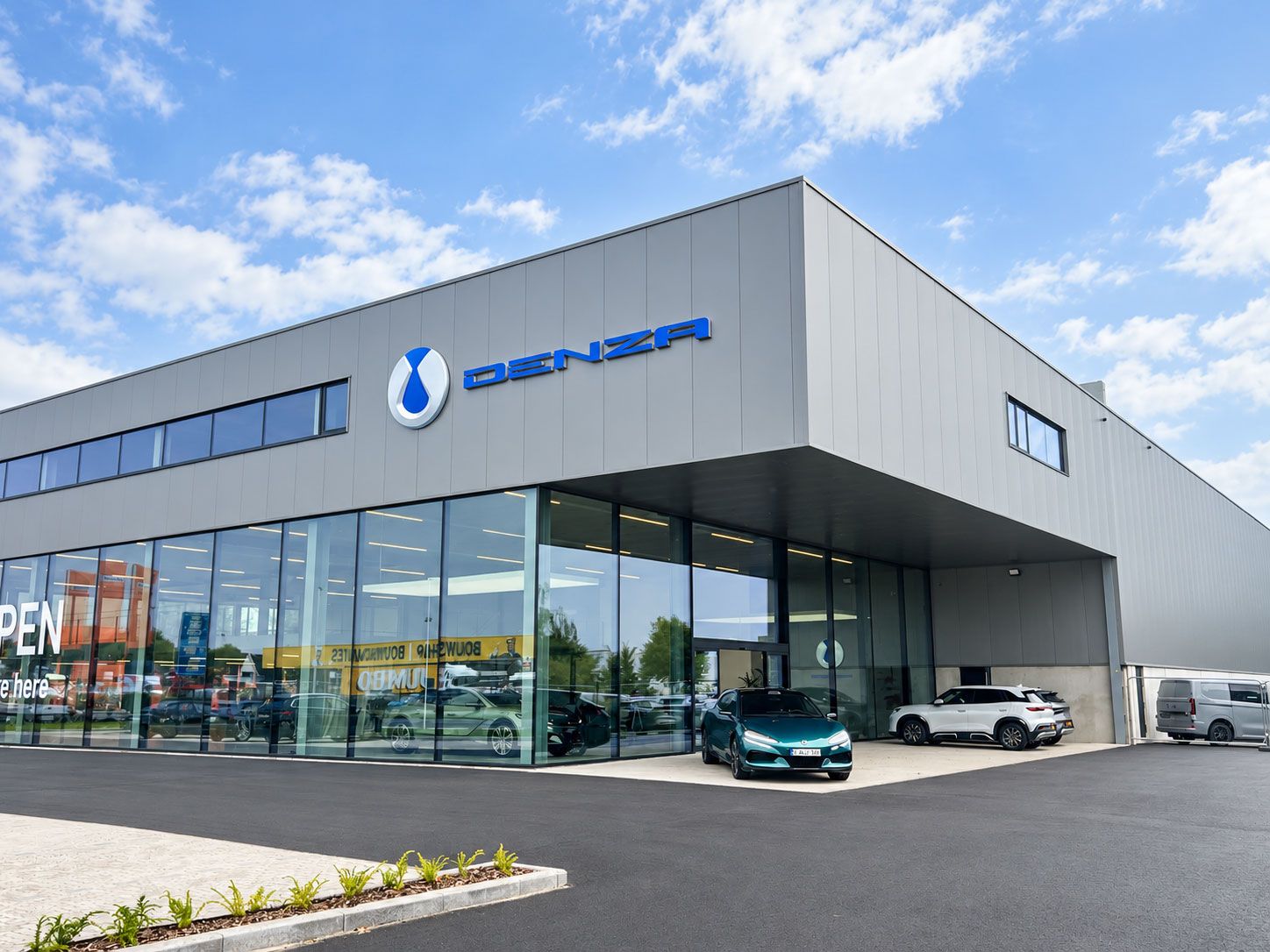
- Bedankt Otman Koumzi en Jelle De Vos voor de ontvangst! ⚡ #ElektrischeAuto #Belgie #EV #Denza #Z9GT DENZA Antwerp by Harmony Auto DENZA EUROPE
- De elektrificatie van Range Rover bereikt een belangrijke mijlpaal. Meer dan vijftig jaar nadat het model voor het eerst op de markt kwam, verschijnt de luxueuze terreinwagen nu voor het eerst als volledig elektrische auto. 👇 #ElektrischeAuto #Belgie #EV #RangeRover #Electric #JLR
- Leuk nieuws in de wereld van elektrisch rijden. ⚡️ Koen Wauters wordt ambassadeur van Polestar en krijgt binnenkort een Polestar 5 onder handen. Wat ik vooral interessant vind: Koen steekt niet weg dat hij aanvankelijk helemaal niet stond te springen om elektrisch te rijden. Net daarom is dit zo’n interessante match. Met zijn jarenlange ervaring in rally en circuitracing kijkt hij verder dan alleen pk’s en acceleratiecijfers. Rijgevoel, controle en dynamiek moeten ook kloppen. Benieuwd hoe hij de overstap verder zal ervaren. De
- Dat de GV90 vanuit bepaalde hoeken wat doet denken aan merken uit de allerhoogste regionen van de luxemarkt is misschien geen toeval. Luc Donckerwolke werkte in het verleden onder meer voor Bentley en heeft Genesis de voorbije jaren een steeds herkenbaardere visuele identiteit gegeven. 👇 #ElektrischeAuto #Belgie #EV #Genesis #GV90
- Na onze eerdere kennismaking met de Long Range bevestigt de Zeekr 7X Privilege AWD vooral hoe hoog Zeekr de lat heeft gelegd. De cijfers zijn spectaculair. 646 pk, 710 Nm en 0 naar 100 km/u in ongeveer 3,8 seconden klinken als ingrediënten voor een elektrische sport SUV. Maar dat is niet waar deze 7X uiteindelijk het beste in is.👇 #Autotest #ElektrischeAuto #EV #Belgie #Zeekr #7X
- Is dit dé reddingsboei voor de Volvo fabriek in Gent? 🇧🇪🇸🇪🇨🇳 Hoe kijken jullie hiernaar? 1️⃣ Een enorme opportuniteit: Chinese modellen van Geely produceren in Gent kan de fabriek een nieuwe toekomst geven. 2️⃣ Een bedreiging: Gent wordt vooral een schakel in een Chinese productiestrategie, met minder ruimte voor Volvo’s eigen productie. Welke van de twee komt het dichtst bij de realiteit? Benieuwd naar jullie mening hierover👇
This page shows public professional information only, each fact cited. Is this you? send a correction, or ask for removal within 24 hours, no questions asked.