Overview
Gautam Chandna is a co-founder of GO Experiential and a partner at WOW Exhibits, holding both roles since July 2026. He is based in Atlanta and states his expertise as revenue and profit growth, business development and revenue generation.
Before that he was senior vice president of global touring and business development at Exhibition Hub from June 2025 to July 2026. He worked at E/M Group in three periods, as director of digital marketing from October 2012 to December 2015, as director of business development from November 2021, and as executive vice president of business development from November 2024 until June 2025. Earlier roles included marketing manager at Amerifiber and at Onshore Outsourcing, marketing director at Halco Lighting Technologies, marketing manager at Allure a Christie Company, senior director of marketing at Trimark Properties, LLC, director of social media at Cloud 21 PR, brand manager at Bollywood Entertainment Inc. and marketing manager at SONY Star TV.
He holds an MBA in marketing from the Keller Graduate School of Management of DeVry University, a bachelor's degree in marketing from DeVry University and a Bachelor of Commerce from St. Xavier's College.
Career history

Insights & ideas
Gautam Chandna's central preoccupation across his writing is distribution, not creativity. He states it plainly: XR's "biggest challenge isn't creativity, it's distribution," and he argues the industry has spent too much energy perfecting experiences while ignoring the plumbing that gets audiences into the room [1]. This is not a one-off complaint but a framework he returns to repeatedly: production and touring costs, platform fragmentation, discoverability, venue operations, and business-model sustainability are all treated as pieces of a single unsolved puzzle, and he insists creators, venues, platforms, funders, and operators are "solving different pieces of the puzzle, but too often in isolation" [1]. The fix, in his view, is structural, not artistic: "we need to spend as much time building distribution as we do building experiences" [1].
That same operator's instinct shows up in how he talks about venues themselves. He treats the physical box, its trade area, and its co-tenancy as strategic variables on par with the IP or concept inside it. Malls, he argues, are becoming "the new main street" for location-based entertainment, and "the venue is the strategy, not an afterthought" [8]. His warning is specific and repeated: "a great immersive concept in the wrong box, trade area, or co-tenancy will underperform, no matter how strong the IP," and "where you plant your flag may matter as much as what you build inside" [8]. This is consistent with his own market activity, where he is actively scouting "high-visibility, high-traffic venues" including retail, mixed-use, adaptive reuse, and big-box conversions for a location-based entertainment concept [7].
On IP and licensing, Chandna pushes back against the assumption that owning a famous name is enough. Commenting on Japanese anime licensing in the GCC, he argues that "rights clarity is the foundation, but local execution is the differentiator," and that the region "doesn't lack capital or enthusiasm, it lacks on-the-ground bridges that combine licensing precision, cultural adaptation, and trusted supply chains" [3]. He reframes the often-cited complexity of production committees not as an obstacle but as a navigational tool: "the production committee model isn't a barrier; it's a map," and predicts the winners will be those who understand approval chains, not just those who land a headline title [3]. This same skepticism toward IP-as-guarantee appears in his response to McKinsey's LBE research, where he agrees immersive entertainment has become core strategy for brands and destinations, but insists the report "overlooks one critical reality: the experience itself is the product." IP might draw the first visit, he argues, but "storytelling, guest flow, capacity planning, operations, food & beverage, retail, and shareable moments determine whether an attraction succeeds or quietly disappears" [6]. He goes further to argue original IP, not just licensed franchises, will define the next wave of winners, because well-executed original concepts "can build passionate audiences, travel globally, and become valuable intellectual property in their own right" [6].
Across several posts he treats "experience" as a category that now competes across former silos. Museums, malls, concerts, and restaurants are all, in his framing, fighting for the same limited pool of time and money. Writing about the blur between art museums and immersive attractions like Museum of Ice Cream and Meow Wolf, he says "the real competition isn't between these two types of spaces, it's for your limited time and money," and lands on a simple operating principle: "it's not about labels or business models. It's about creating moments that stick" [13]. He extends this logic to museums specifically, arguing Gen Z wants "culture to be interactive, personal, and experienced, not just observed," and that institutions that adapt "won't just adapt, they'll define what cultural engagement becomes." Notably, he draws a line on technology's role here, insisting AI "should stay in its place. It's a tool, not the storyteller," with museums needing to lead "with human insight, emotion, and authority" [10]. He frames the real competitive set for museums as "the entire experience economy," not other museums [10].
His interest in technology is practical and infrastructural rather than hype-driven. Watching perimeter LED evolve through FIFA tournaments, he describes a shift "from dumb screens to AI-native media," where boards now "algorithmically swap creative by audience, market, and moment," effectively turning stadium hardware into "a programmable, data-driven LED platform that behaves more like an ad-tech stack" [9]. This mirrors his broader habit of translating flashy technological shifts into operational and business-model consequences rather than treating them as novelties.
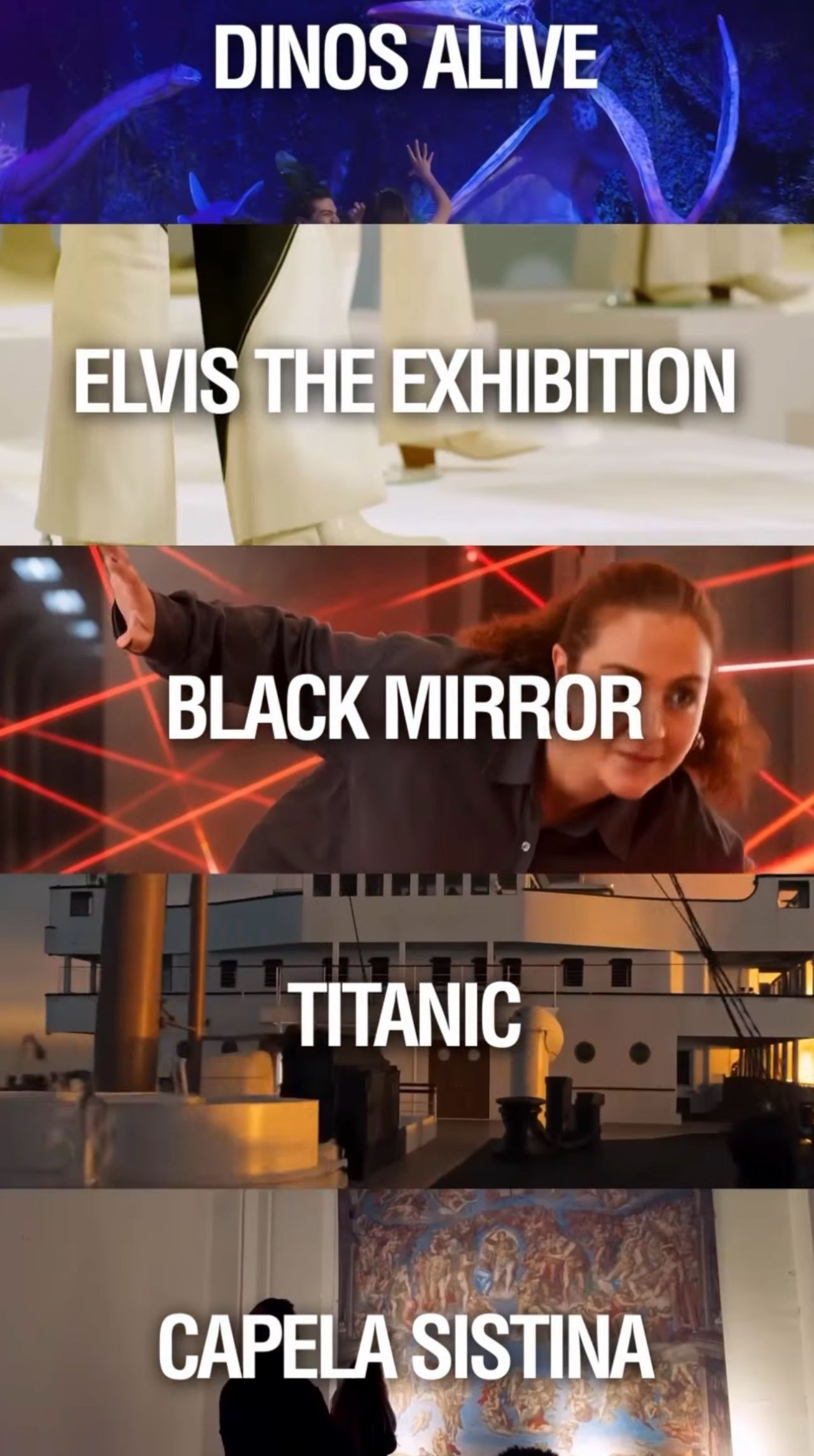
Chandna also positions himself explicitly as a builder within the sector he analyzes, and his commentary often doubles as a rationale for his own ventures. Describing his move into Go Experiential and Wow Exhibits US, he frames fourteen years of touring exhibitions as preparation for building "a true 360 degree house for immersive experiences" spanning "conceptualization, design, development, fabrication, touring, retail, F&B, and IP licensing" [6][15]. His work bringing the Black Mirror Experience to São Paulo with Banijay Group and UNIVRSE functions similarly, as evidence of the full-stack, cross-border execution he elsewhere argues the industry lacks [11][3].
The practical takeaway from Chandna's body of work is consistent: the experience economy's bottleneck is rarely imagination. It is distribution networks, venue selection and co-tenancy, licensing navigation, and operational execution, food and beverage, guest flow, capacity planning, that separate attractions that thrive from those that "quietly disappear" [6]. Whether he is discussing XR, museums, anime IP, or LED perimeter boards, his consistent move is to locate the real leverage point downstream of the creative concept, in the infrastructure, geography, rights structure, or operating model that determines whether an audience actually shows up and comes back.
In the news
- The WOW Exhibits Brazil team is staying super busy!
- Heading to GXG | Global Gathering Experience Economy in Madrid? I’ll be there unveiling something new. If you’re attending, I’d love to connect, exchange ideas, and give you an early look at what’s coming from WOW Exhibits! Visit: https://lnkd.in/gsayXqZ7

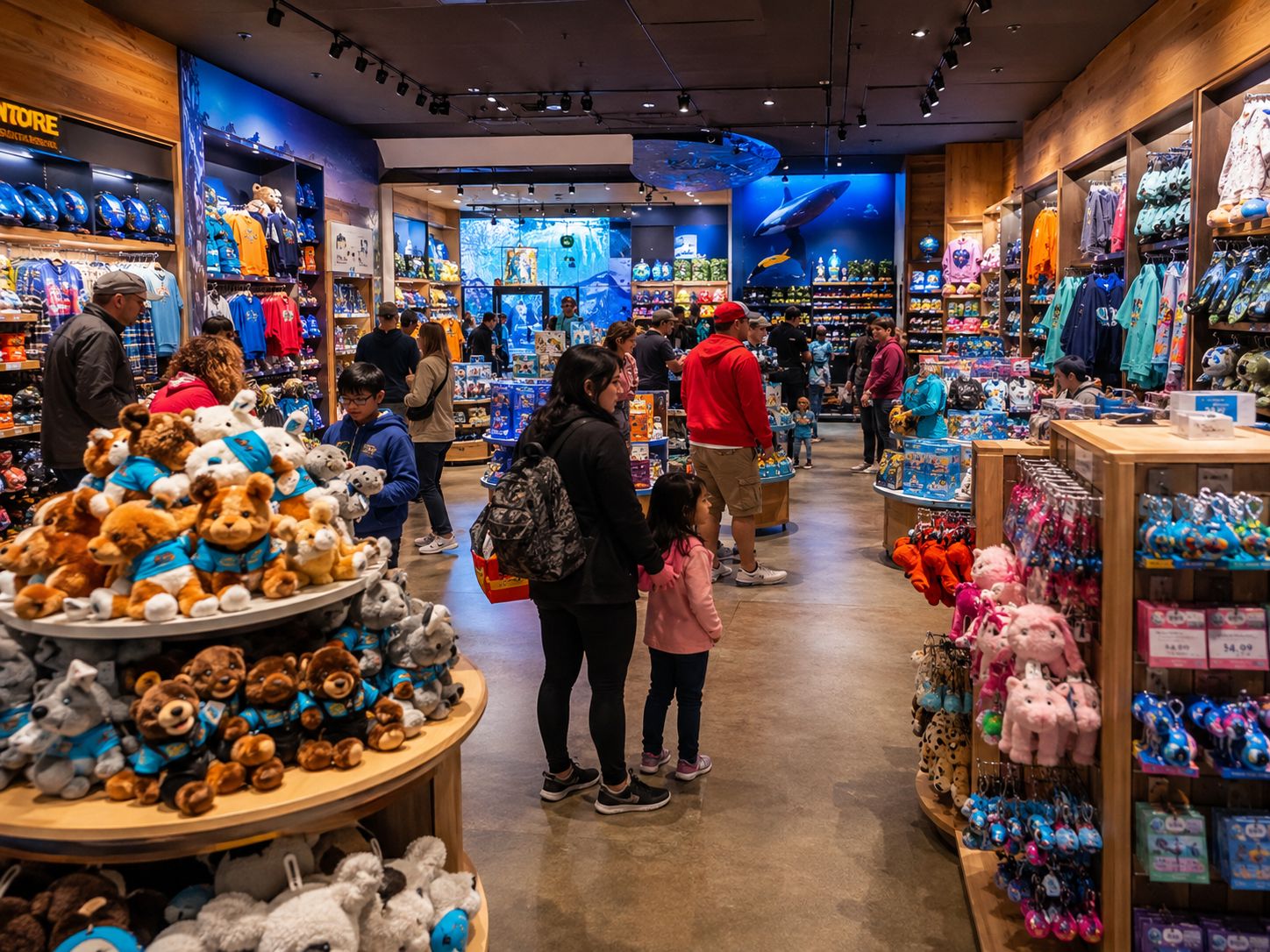
- The "Sad Gift Shop" isn't a retail problem. It's a strategy problem. The exit is the moment a guest is most willing to spend. They just felt something real. They want to take a piece of it home. Instead, they get generic merch that could belong to any experience—so it belongs to none. Why does this happen? Because creative gets locked first and monetization shows up last. When money is bolted on after the fact, guests feel it. And they remember it. The fix isn't a better gift shop. It's building the experience and the business
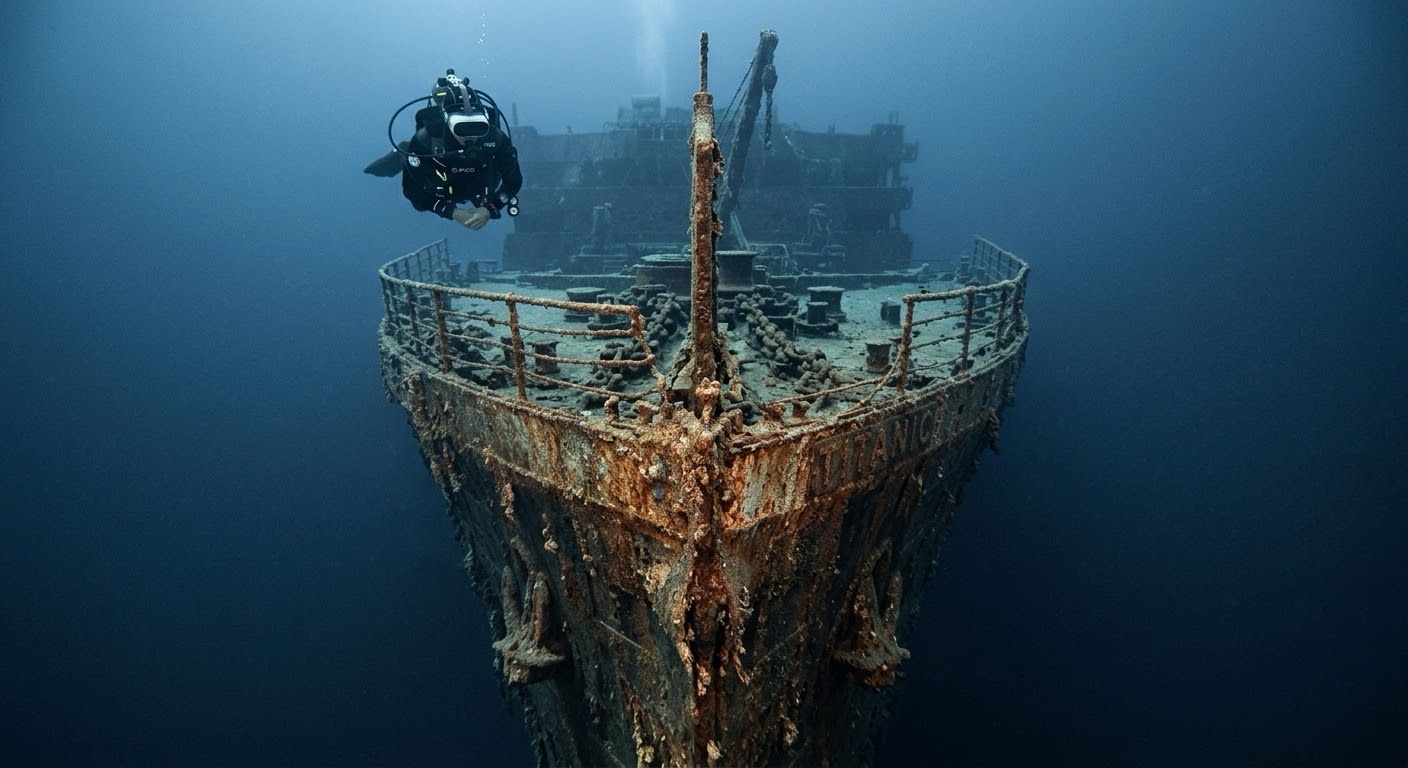
- I've spent years watching Titanic get adapted into every medium imaginable—museums, 4D theaters, documentaries, even actual submersible dives. None of them cracked the code like this. When you strap on a waterproof headset, grab a snorkel, and actually float through that debris field in water, your body doesn't know it's a simulation. The buoyancy, the breathing, the temperature—it's not a screen you watch, it's a memory your body keeps. This is the inflection point. Underwater VR just stopped being a poolside novelty and became
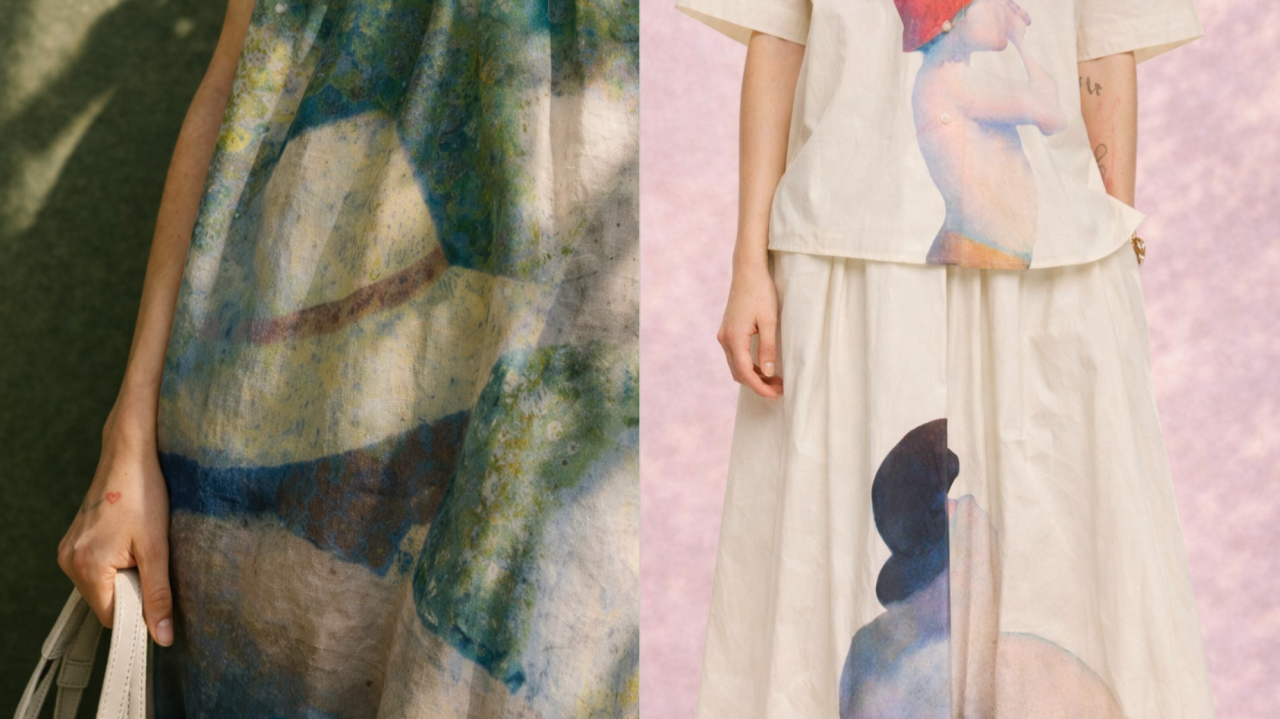
- Cristina A. article captures a shift I've watched accelerate across our industry: museum licensing has moved from decorative niche to one of the sector's most closely watched growth stories. But the real story isn't the growth — it's the cultural repositioning. Institutions once seen purely as custodians of the past are now content powerhouses, courted by partners who want the one thing entertainment IP can't manufacture: authenticity. (Link to full article below)
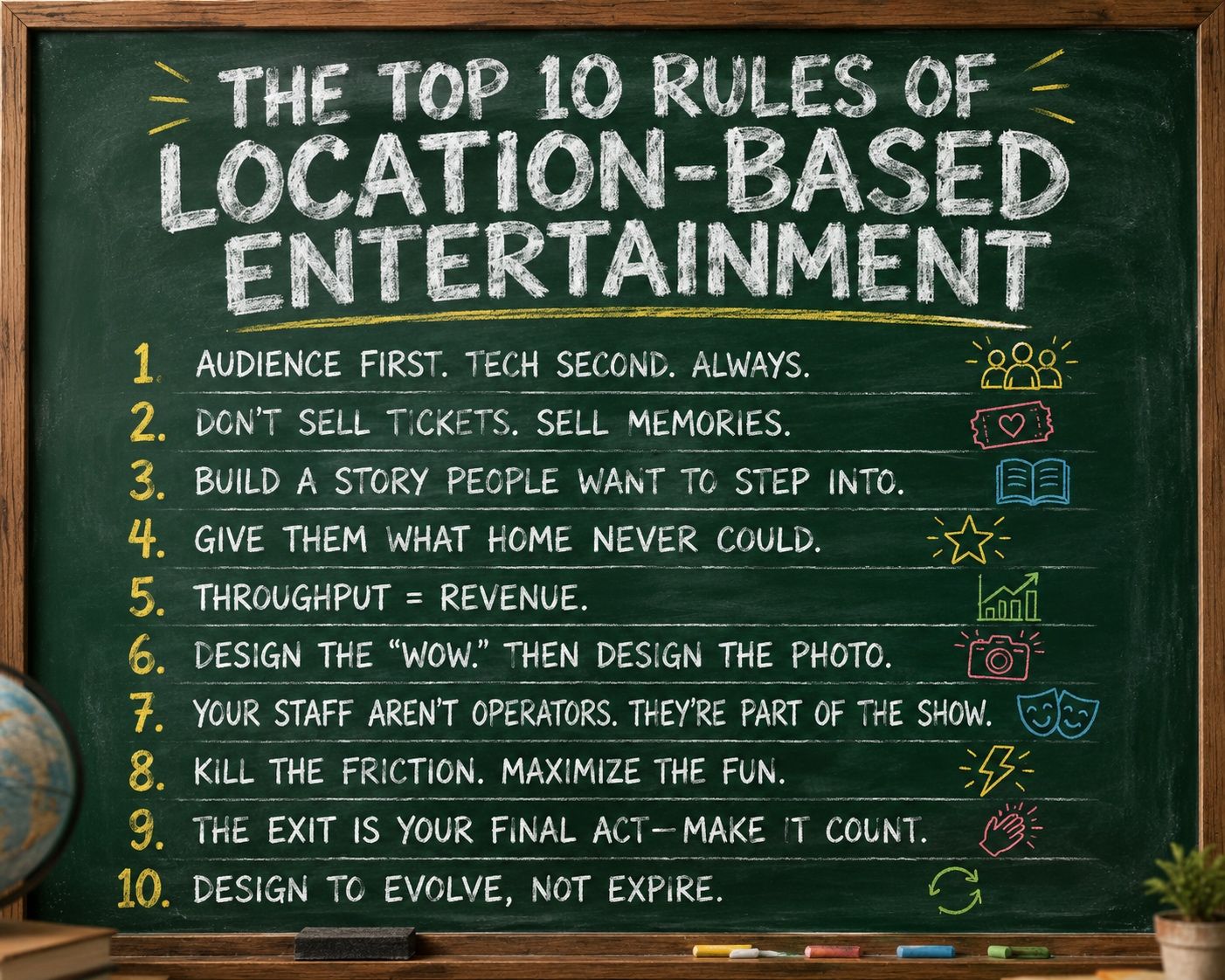
- The Top 10 Rules of Location-Based Entertainment 🎟️ After working across exhibitions, immersive experiences and LBE, one thing is clear: great technology doesn’t make a great experience. Great experiences make great businesses. Here are 10 rules every creator, operator, venue and promoter should keep in mind: 1. Audience First. Tech Second. Always. Start with what people want to feel, not what the technology can do. Technology should make the experience better—not become the experience. 2. Don’t Sell Tickets. Sell Memories. People
- Having worked in the LBE and attractions industry for a while, one thing is clearly evident from the License Global's - Licensed Consumer Product Trends from D23: Retail is no longer just the last stop before the exit. The most successful creators, operators and IP owners are thinking about retail much earlier — as part of the experience itself. Guests do not just want another branded T-shirt or souvenir. They want something that feels connected to what they just saw, felt or discovered. A limited collectible, a personalized
- The REMIX Summits - Culture, Tech & Entrepreneurship research data by Peter Tullin confirms a definitive power shift: → Technology is now expected. Not an embellishment. → Nostalgia is a strategic framework. Used well, it lowers barriers and deepens emotional investment. → The best work creates continuity between memory, technology, and physical space—building loyalty through participation, not observation. The hard part? Execution. As permanent immersive venues multiply, the organizations that lead will treat these tools as
Related profiles

This page shows public professional information only, each fact cited. Is this you? send a correction, or ask for removal within 24 hours, no questions asked.