Overview
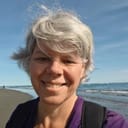
Ingrid Willems is CEO and cofounder of DataScouts, a company she cofounded in March 2016, and is based in Brussels. Since August 2021 she has also been a co-founder of foodleap, and she has owned WFMC since May 2011.
Between May 2016 and June 2021 she served as a non-executive board member of Floréac nv, and from March 2015 to June 2018 she sat on the board of directors of Startups.be. She was entrepreneur in residence at imec from September 2014 to September 2016, following three years as COO of Immoweb from July 2011.
Earlier in her career she spent from January 2004 to July 2011 at Wolters Kluwer Transport Services as CMO of Teleroute and general manager of Tivios. She was a sourcing project manager at Freemarkets Inc, a senior product manager at Mediagold, and product manager for notebooks at Siemens from July 1994.
She holds an MSc in industrial engineering from Katholieke Hogeschool 'Sint-Lieven', Gent, an MBA from the University of Augsburg, and an MBA from the University of Pittsburgh Joseph M. Katz Graduate School of Business.
Career history

In the news
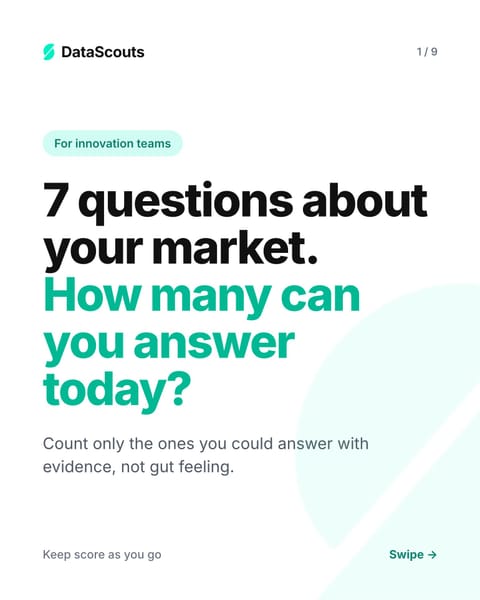
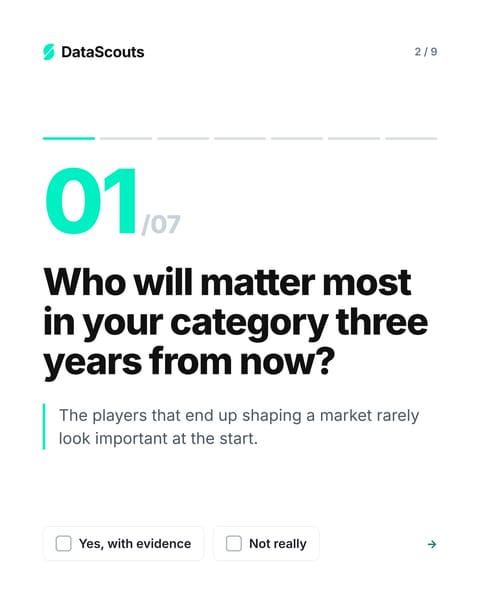
- 7 questions every innovation team should be able to answer about their market. Most teams we talk to can answer two or three with real evidence. The rest run on gut feeling and last year's numbers. Swipe through and keep score. How many can you answer? And which one keeps coming back on your list? #innovation #marketintelligence #foodinnovation #strategy
- Yesterday’s TCI Oceania conversation explored how AI and digital tools can build collective intelligence, help connect knowledge across organisations and support collaboration to make shift happen. The question of sustaining orchestration really resonates. Tools can help us discover complementary capabilities and potential partners. Building trust, understanding mutual interests and helping people take the next step together requires sustained human attention. That work takes time and deserves recognition and investment. Time to
- The food transition doesn't need individual winners. It needs collective progress. Collective progress requires different types of innovators. Some develop breakthrough technologies that could fundamentally change the way we produce and consume food. Others offer proven solutions that are ready to be implemented and scaled. We need both. In fact, we need many more. The food transition is not a competition to create the next unicorn. Different players bring different capabilities, have different needs and contribute in
- Thank you for bringing us together, Nicola. These questions resonate with our work across different ecosystems: bringing people, knowledge and technology together to turn shared insights into coordinated action. Trust and shared purpose are essential foundations. Looking forward to exchanging experiences with fellow panellists and participants on 21 October!
- I have your back.” Of all the words shared at #FFXMunich, these stayed with me. As entrepreneurs, we accumulate a lot of experience that can be very valuable to someone facing a decision we once had to make ourselves. FFXMunich brought that generosity into the room. Honest conversations, sometimes raw, alongside serious expertise and ambition. “I sell rockets.” #AI, #defence and #aerospace, #FemTech, #humanoids. A room full of female founders, and there was colour. Women building businesses, opening markets and backing ideas with
- I’m joining FFX Munich on October 13 and looking forward to meeting other female founders and exploring the common threads in our experiences. Building DataScouts has been the toughest thing I’ve ever done, and certainly the most rewarding. Learning as we go and bringing people along who believe in what we’re building. In 2026, we’ve built on Foodleap’s community to create a shared intelligence layer, with a clear ambition: accelerating the global food transition. We help food companies follow developments, spot
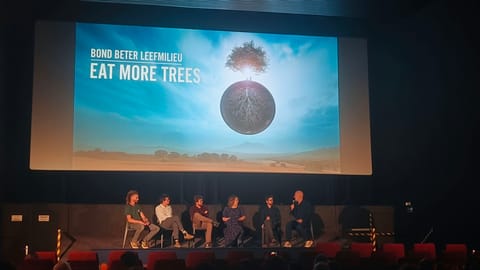
- Yesterday evening, I joined the screening of Eat More Trees. The film takes us from the Amazon rainforest to European farms and explores a deceptively simple idea: what if trees became part of our food system again? Through #agroforestry and #regenerative farming, we see farmers working with natural systems to restore soils, strengthen biodiversity and make agriculture more resilient to heat and drought, while continuing to produce food. What stayed with me most, was the sense of possibility. The panel conversation underlined the
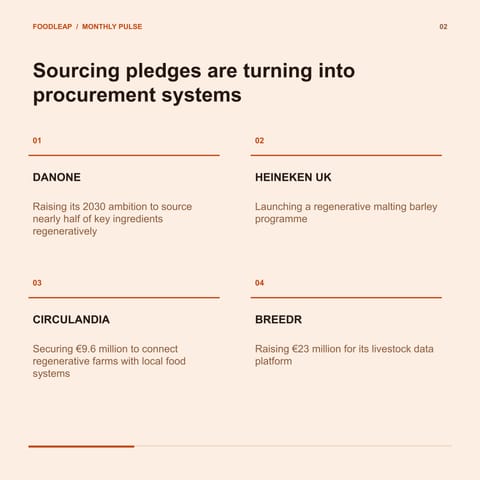
- Resilient supply chains are not built through sourcing commitments alone. They are built when procurement, farm data, finance and verification start working as one system. The technology is developing fast. The strategic challenge is now collaboration: turning scattered solutions into an infrastructure that helps companies manage climate risk, support farmers and secure future supply. So, where are the best practices already emerging? - Which farm-level indicators actually inform your sourcing decisions? - How do you share
Related profiles

This page shows public professional information only, each fact cited. Is this you? send a correction, or ask for removal within 24 hours, no questions asked.