Overview
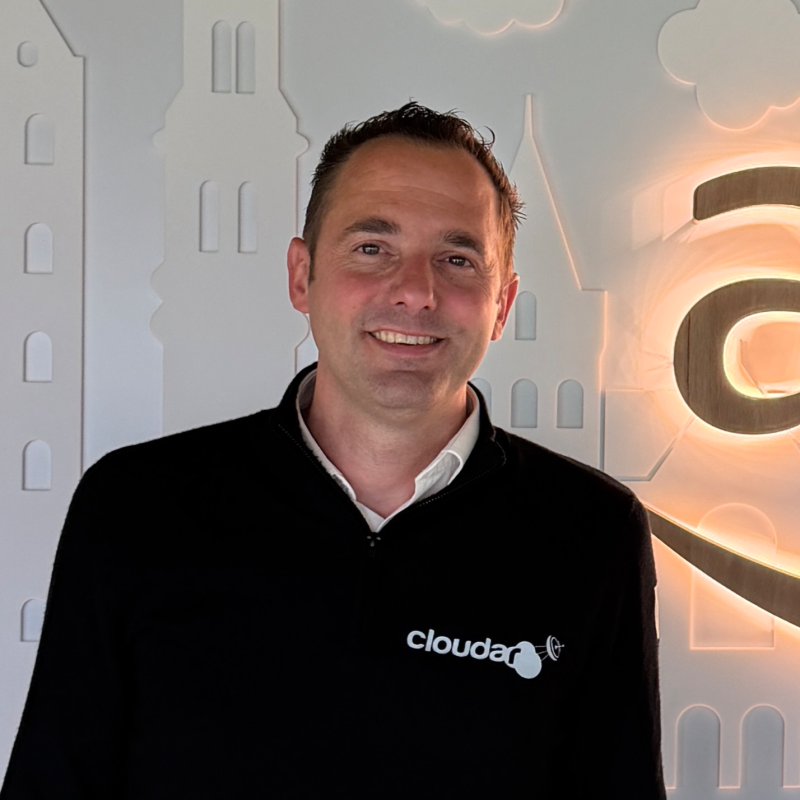
Jeroen Jacobs is Managing Partner at Cloudar, a role he took up in February 2026 after joining the company as Commercial Director in February 2025. He is based in North Brabant.
Before Cloudar, he spent several years with Oblivion | Part of Xebia, joining in November 2017 as a cloud business and cloud sales consultant, becoming Chief Commercial Officer for AWS Cloud in January 2021 and holding the chief commercial role for the AWS Cloud service line at Xebia from June 2021 until January 2025. During that period he was also Product Owner for AWS Cloud Foundation at AEGON in 2019.
Earlier, he worked as a consultant and project manager with Itility, Marel, NN Group, ASML, Ziggo, ZuidZorg and DSM, and before that managed the Competence Center Cloud Service Aggregation at KPN IT Solutions from 2012 to 2014.
He co-founded the AWS User Group NL in 2019 and founded Wolqq.com in February 2025. He also serves on the committee of SNK Orchestra and on the owners' board at Landal Het Vennenbos.
He studied Bedrijfskundige Informatica at Avans University of Applied Sciences.
Career history


Insights & ideas
The through-line
Across these sources, Jeroen Jacobs keeps returning to one core preoccupation: making the case for AWS, not as an abstract cloud provider but as the concrete, factual answer to whatever question the market is currently asking, whether that's sovereignty, capacity, cost, or the rise of agentic AI [10][15][6][16]. What shifts over the period covered is the specific battleground: early on it's classic cost optimization and cloud financial management [16], then it moves to sovereignty as a factual counter to sentiment-driven debate [10][11], then to AWS as the practical escape valve for Azure's capacity problems [15], and most recently to agentic AI and AI-native marketplaces as the next frontier [6][7][8]. Running underneath all of this is a second, more personal thread: that real business, and real insight, happens face to face, on a boat, a golf course, or in a vineyard, not in another digital network [1][2][13].
On AWS as the factual answer
Jacobs consistently frames AWS not as one option among many but as the platform that wins once people look at the facts. On Azure's struggles he writes that "Amazon Web Services (AWS) can be an answer to Microsoft Azure's #capacity issues," describing how "quota requests get backlogged, deployments fail, and there's no clear timeline from Microsoft on when it frees up" [15]. On contact centers he argues companies "are done with rigid, license-heavy contact center platforms," and that Amazon Connect changes the calculus through "pay per use instead of seat licenses, live in weeks instead of months" [5]. The pattern is the same each time: name the incumbent's pain point, then present AWS's structural advantage as self-evident once examined.
On sovereignty and facts over sentiment
Jacobs takes an explicit stance in the EU sovereignty debate, positioning it as a matter of evidence rather than politics: "The sovereignty debate is running on sentiment. It should be running on facts" [10]. He lays out the specific facts he wants the debate anchored on: "Full EU isolation. Operated by EU residents. Under German law. Escrow in place. No operator access," concluding "this may be one of the most sovereign cloud platforms available to the EU today" [10][11]. He repeats the framing almost verbatim across posts, treating it as a settled conclusion once the details are examined rather than a matter of ongoing debate [11].
On agentic AI and where the market is heading
Jacobs treats agentic AI as the next structural shift in how software is bought and used, not just a feature trend. Citing the AWS Marketplace data, he notes the "AI agents & tools category in Amazon Web Services (AWS) Marketplace grew from 900 to 3,300+ solutions in less than a year" [6], and endorses three concrete implications: "Build for agentic systems," "Design for agent discoverability," and "Align pricing to value" [6]. He pairs this optimism with a candid regional critique: "in the Benelux we are a bit behind this trend" [6]. The same forward-looking instinct shows up in his reading of Amazon's earnings, where he insists that "the forward-looking signals underneath" the headline growth number "matter much more" than the number itself [8].
On relationships as the real business infrastructure
Jacobs repeatedly credits informal, in-person settings, not digital networks, as where actual business gets built. He joined a founders' club explicitly because it favors "real, in-person connections instead of yet another digital network," and reports that "great conversations happen when you take people out of the office and bring them together on a boat" [1]. After hosting a golf tournament he draws the same conclusion: "business is built on relationships, and there's no better way to build them in a great environment" [2]. Even his account of a winemaker's vineyard tour turns into a lesson about diligence carrying over into his professional thinking: "no shortcuts, no 'good enough', dedication and passion" [13].
From the stage
In the AWS User Groups Netherlands talk on cloud cost optimization, Jacobs goes further than his written posts by putting hard numbers on the waste problem: he states that "approximately one-third of cloud costs are typically wasted" and that "only 47% of AWS users utilize reserved instances despite them being a quick win for optimization" [16]. He also frames cost management as a maturity progression rather than a one-off task, describing a discipline that "progresses from strategy through operations" and arguing that "establishing visibility and awareness drives accountability and continuous improvement" [16], a structural, process-oriented argument that isn't present in his written product- and market-focused posts.
Takeaways
- Treats sovereignty as a factual question, pointing to "full EU isolation," German-law operation, escrow, and no operator access as the concrete basis for calling the AWS European Sovereign Cloud "one of the most sovereign cloud platforms available to the EU" [10][11].
- Positions AWS as the practical fallback when Azure hits capacity limits, offering a "free, no-obligation calculation and architecture sketch" for workloads facing quota backlogs [15].
- Flags agentic AI as a near-term shift in software buying, urging teams to "build for agentic systems," "design for agent discoverability," and "align pricing to value" [6].
- Warns that Benelux organizations are lagging on agentic SaaS readiness relative to the wider market [6].
- On cost management, cites that roughly a third of cloud spend is wasted and that only 47% of AWS users use reserved instances, framing visibility as the lever for accountability [16].
- Sees informal, in-person settings such as sailing trips, golf days, and vineyard visits as more valuable for real business relationships than digital networking [1][2][13].
Media & appearances
- AWS User Groups | The NetherlandsYouTubeFive perspectives to optimize your AWS costs significantly - Jeroen Jacobs, Michel ZitmanJeroen Jacobs discusses how cloud cost management is complex and challenging, noting that approximately one-third of cloud costs are typically wasted and that only 47% of AWS users utilize reserved instances despite them being a quick win for optimization. He presents cloud cost optimization as part of a broader cloud financial management discipline that progresses from strategy through operations, emphasizing that establishing visibility and awareness drives accountability and continuous improvement.
In the news
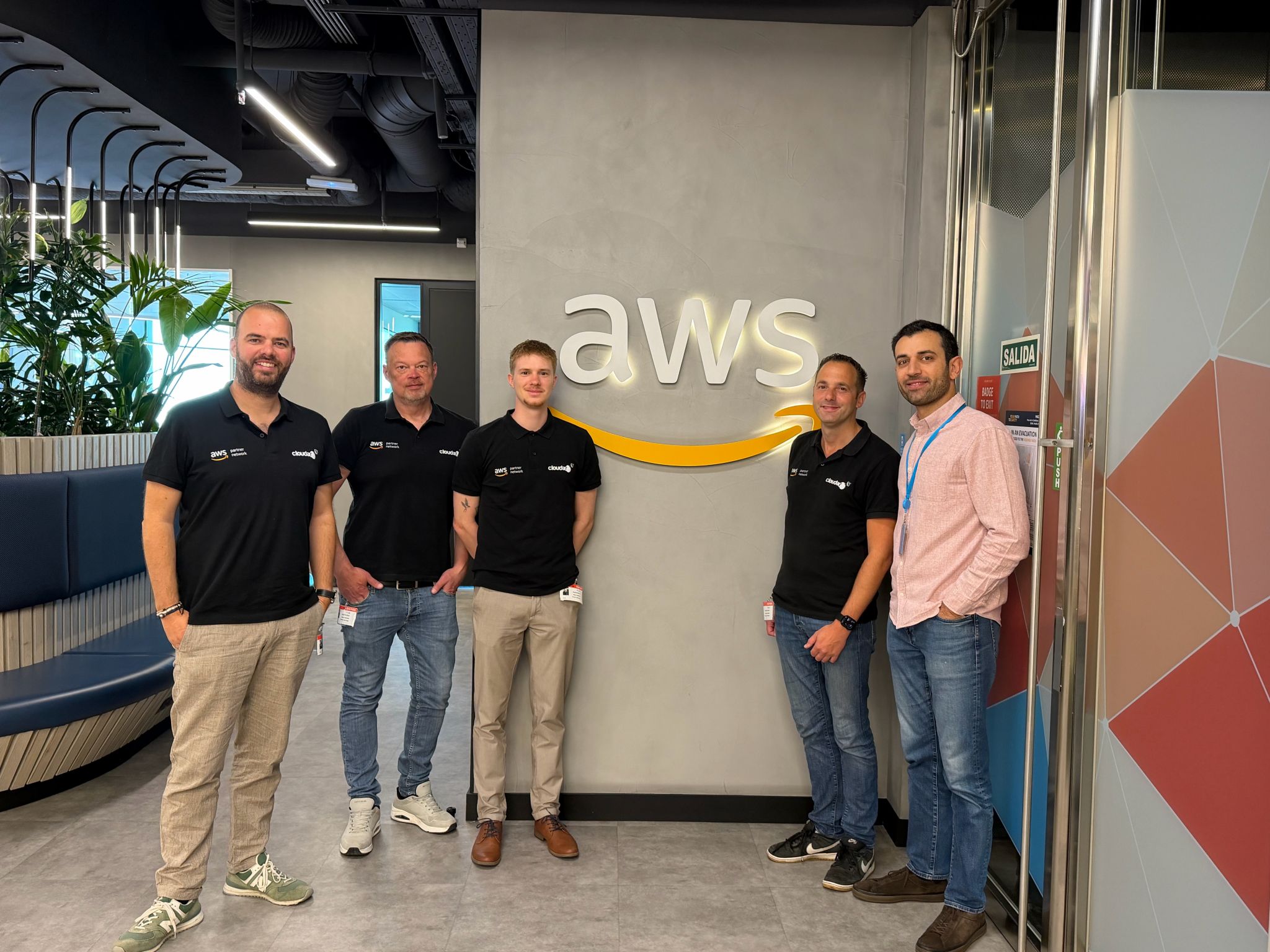
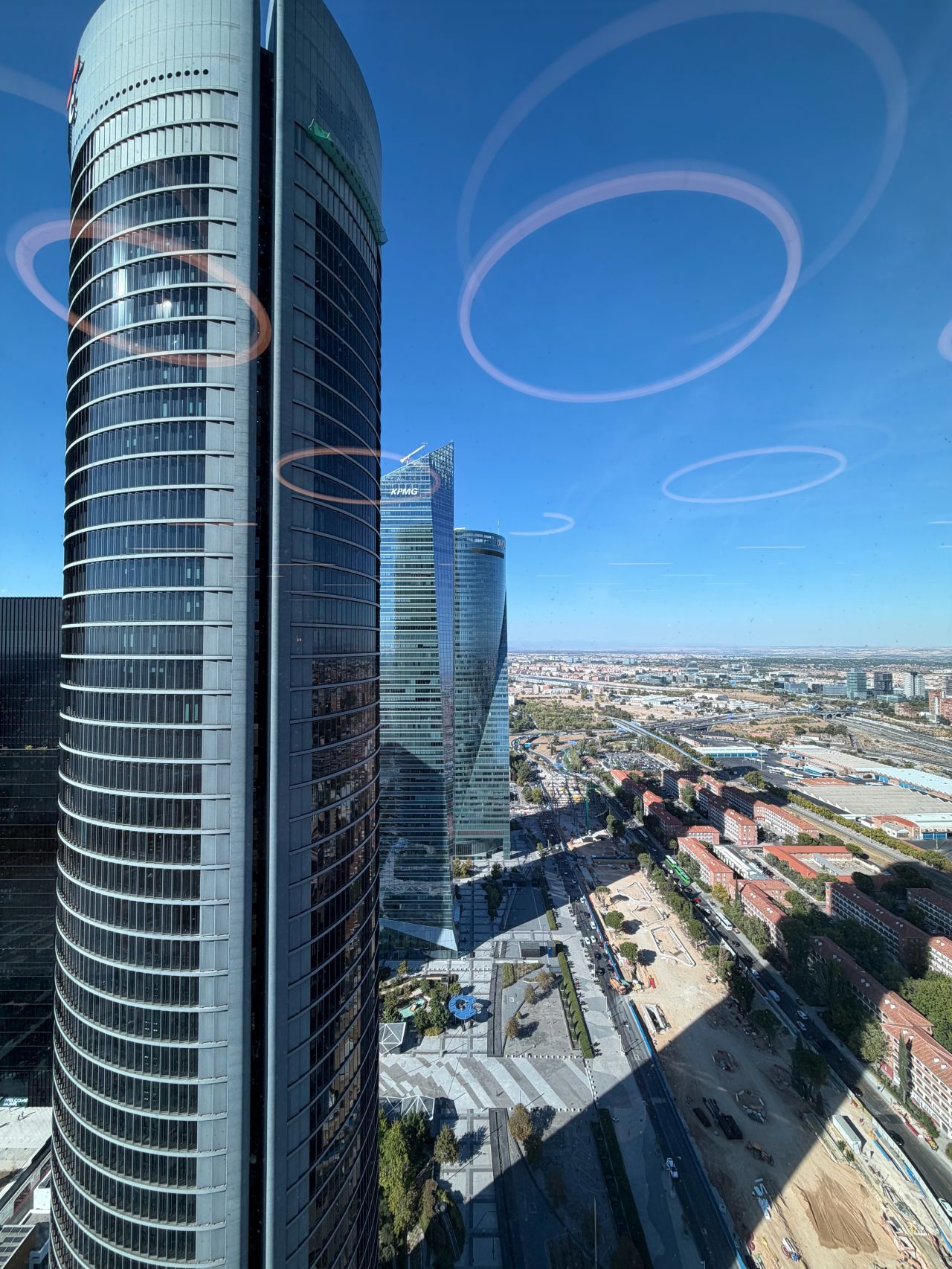
- Flying back from AWS Madrid. Nice to had the ability to show one of our customers the AWS office and great to have seen again lot of familiair faces. Amazon Web Services (AWS) Cloudar
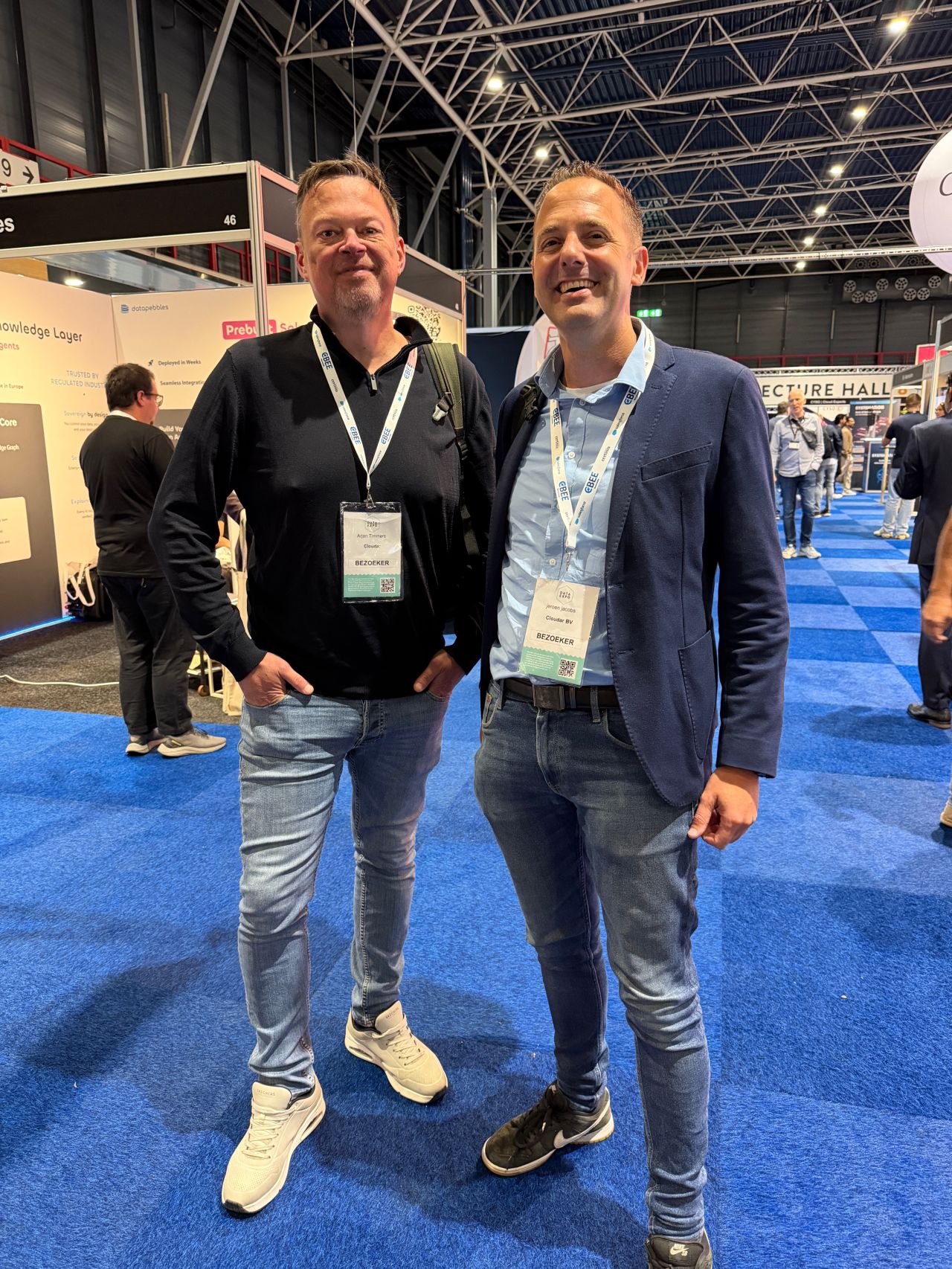
- Today Arjan Timmers an I visited #DataExpo and #Cybersec. Always great to reconnect with familiar faces. Amazon Web Services (AWS) Cloudar
- Jeroen Jacobs has worked on a lot of AWS projects. Ask him what still gets him genuinely excited and the answer is IoT. There's something about bridging the physical world with the cloud that hits differently. Sensors, real-world data, machines responding in real time. With ConDoor Door Solutions, Cloudar took that one step further: not just reading sensor data and making it smart, but going in the opposite direction entirely, using the AWS platform to actively control machines in the field.
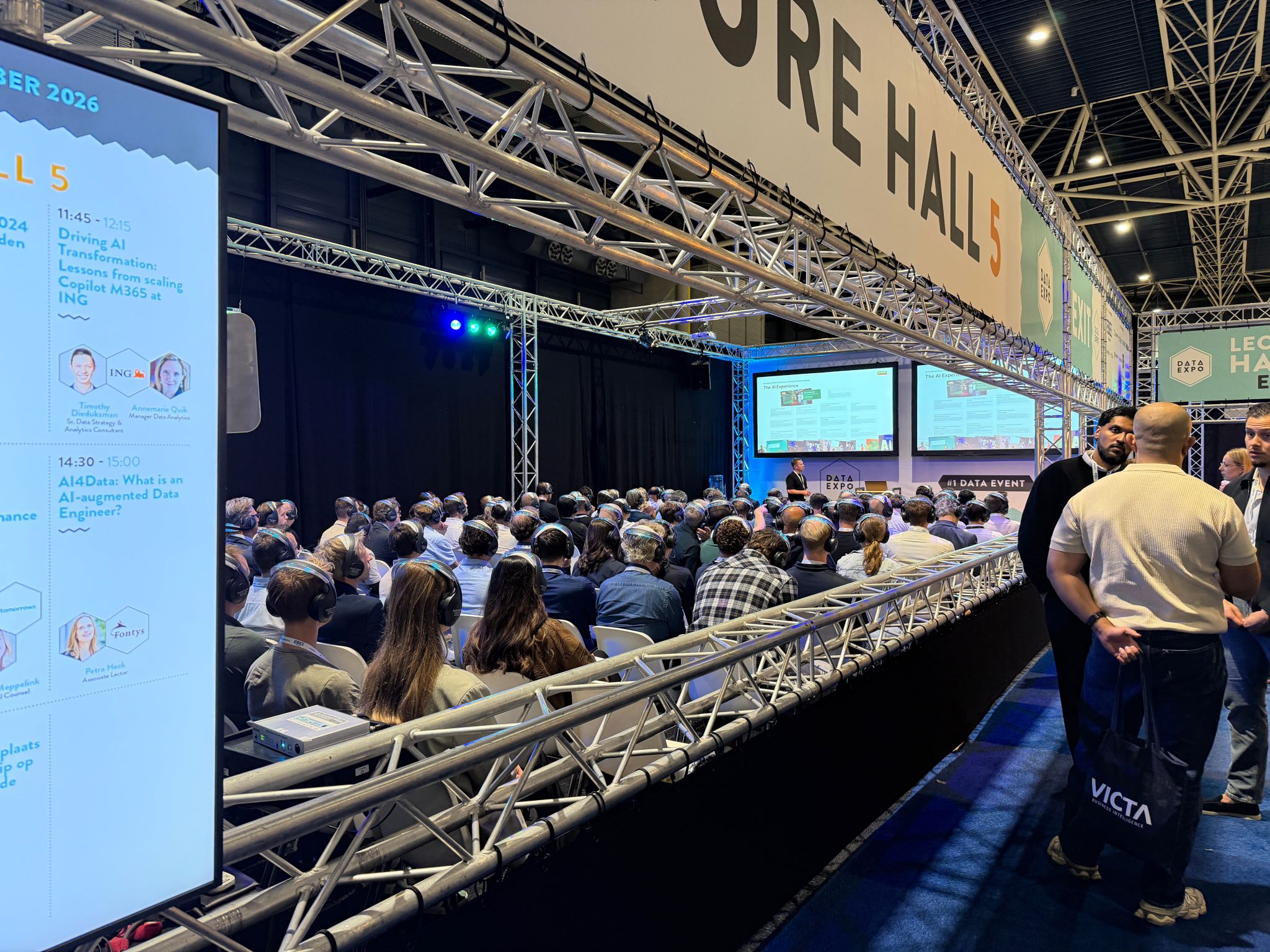
- Meet us at the Data Expo next week! Arjan Timmers and I are heading to Data Expo on behalf of Cloudar next week. Utrecht, Jaarbeurs, 9 & 10 September. If you want to talk AI or data on AWS, reach out or just an informal catch up with a coffee a lunch, that works too. :-) And we are still hiring too, so feel also open if you want to evaluate AWS career options Cloudar Ping me and we will lock in a slot. See you there
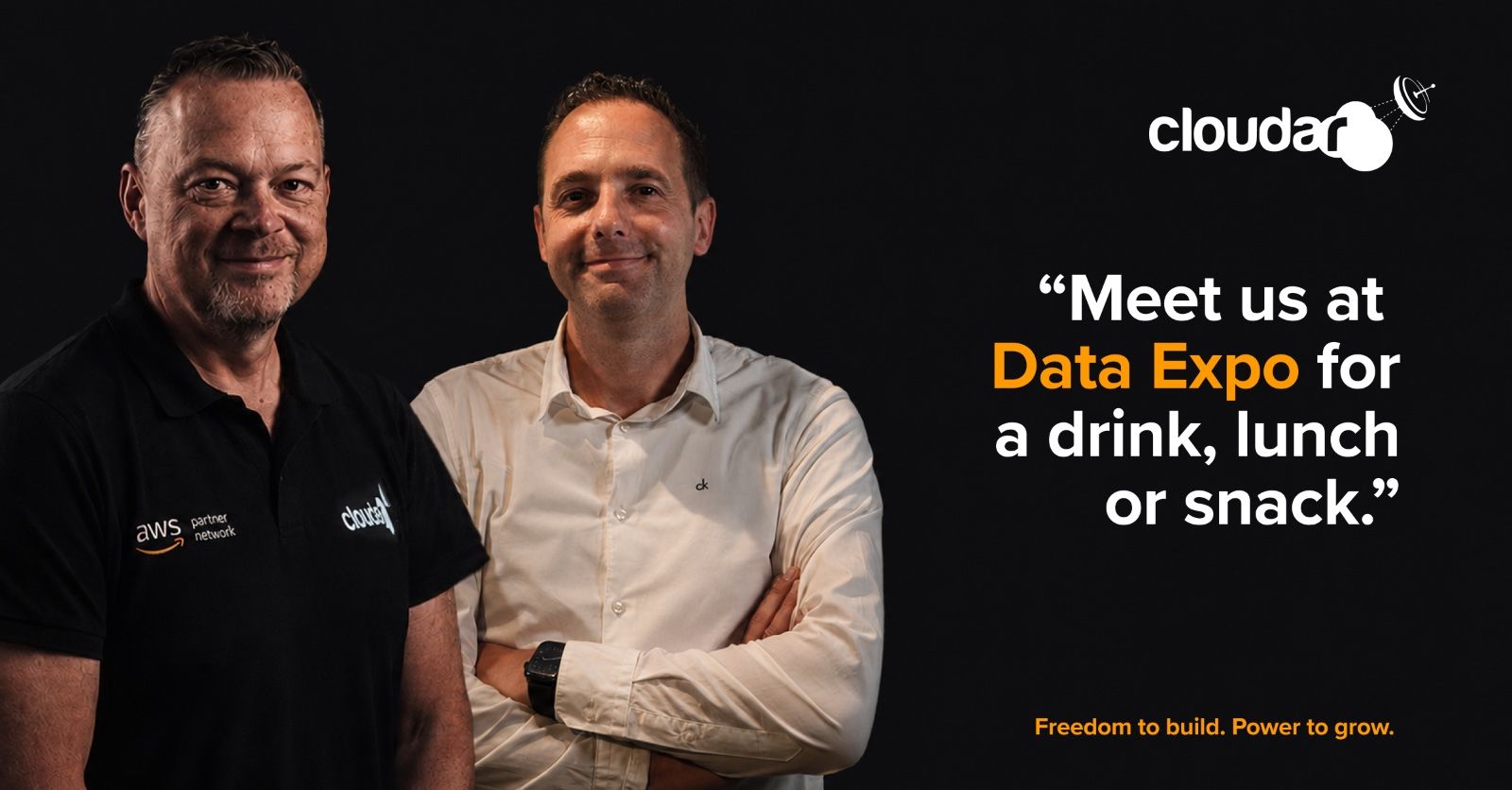
- Excited today we had the honor of hosting the very first #AWSUserGroupWomenUtrecht at our Cloudar office in #Utrecht A room full of people sharing knowledge, experience and ideas around AWS. Exactly the kind of energy we like to see in our office. A big thank you to EiEi Tun H., Hiba Hammada and Ariana Salic-Rascic for initiating this great initiative to inspire more women to go into AWS technology and bringing the community together. Happy we could support this as Cloudar. And a proud shout-out to our very own Hannelore Bervoets
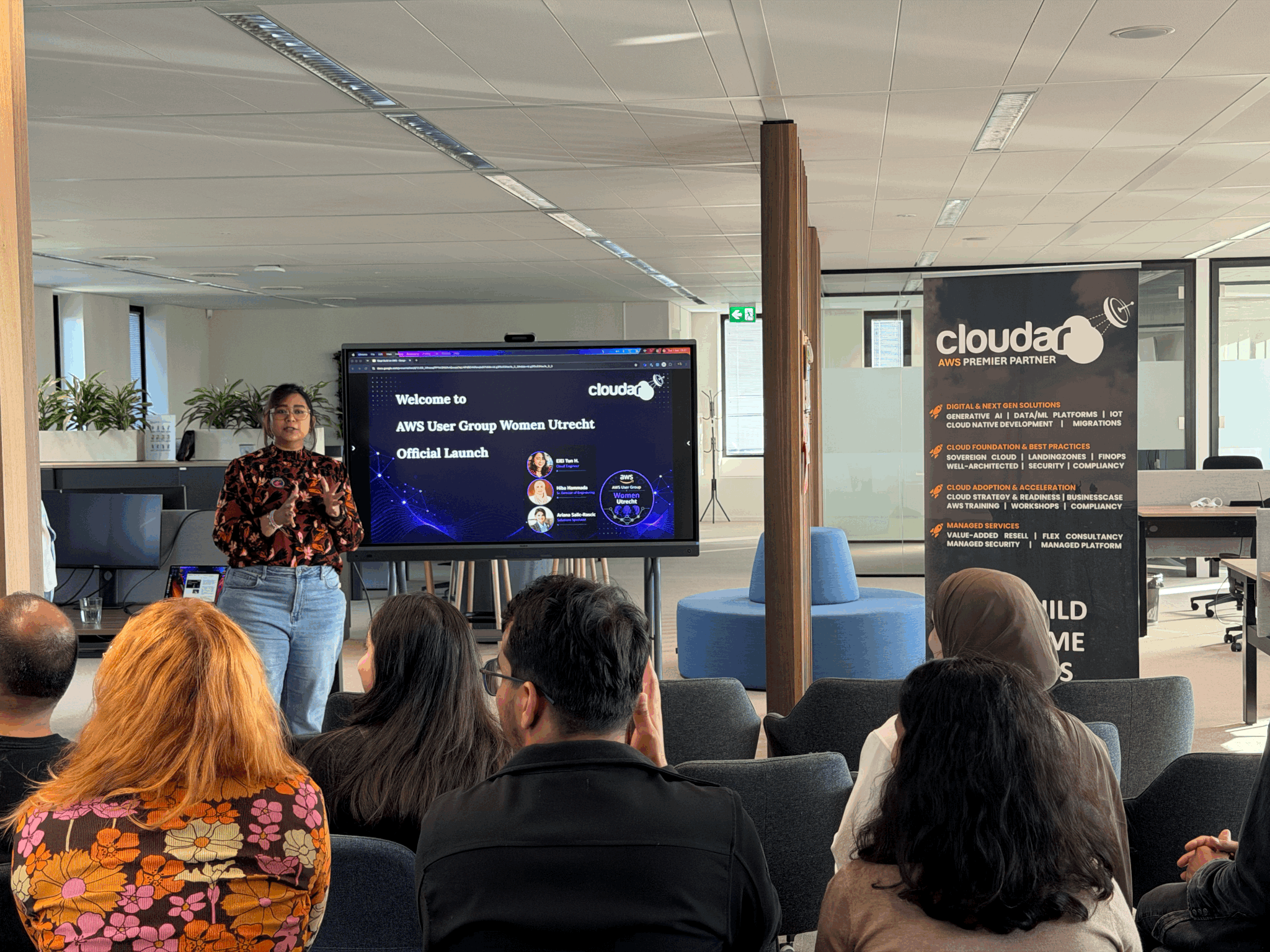
- The sector getting Jeroen Jacobs' attention right now? Medtech. Cloudar is deep in projects that span the full width of what AWS can do in medical technology: automating claims and reimbursement processes in healthcare, applying AI to DNA research for cancer prevention, and connecting medical devices through AWS IoT services. These aren't proof-of-concept experiments. They're production systems, running at scale, in one of the most demanding and regulated industries on the planet.
- Today I had my first fCN - Founders Carbon Network event, and it started right where I'm happiest: on the waters of Provincie Fryslân. 🩷 This summer I joined fCN, the Founders Carbon Network, a business club of ± 500 founders, entrepreneurs and executives built around real, in-person connections instead of yet another digital network. Today my first event: skûtsjesilen, the traditional Frisian sailing on historic flat-bottomed ships, with about 40 entrepreneurs. Sailing across the water, lunch on an island, and a drink to wrap it

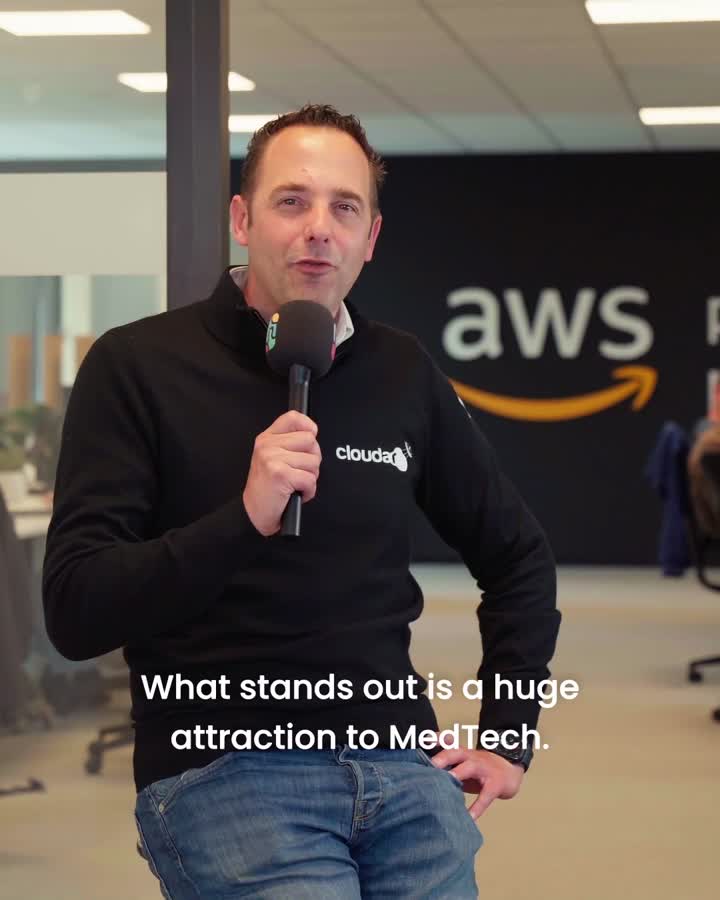
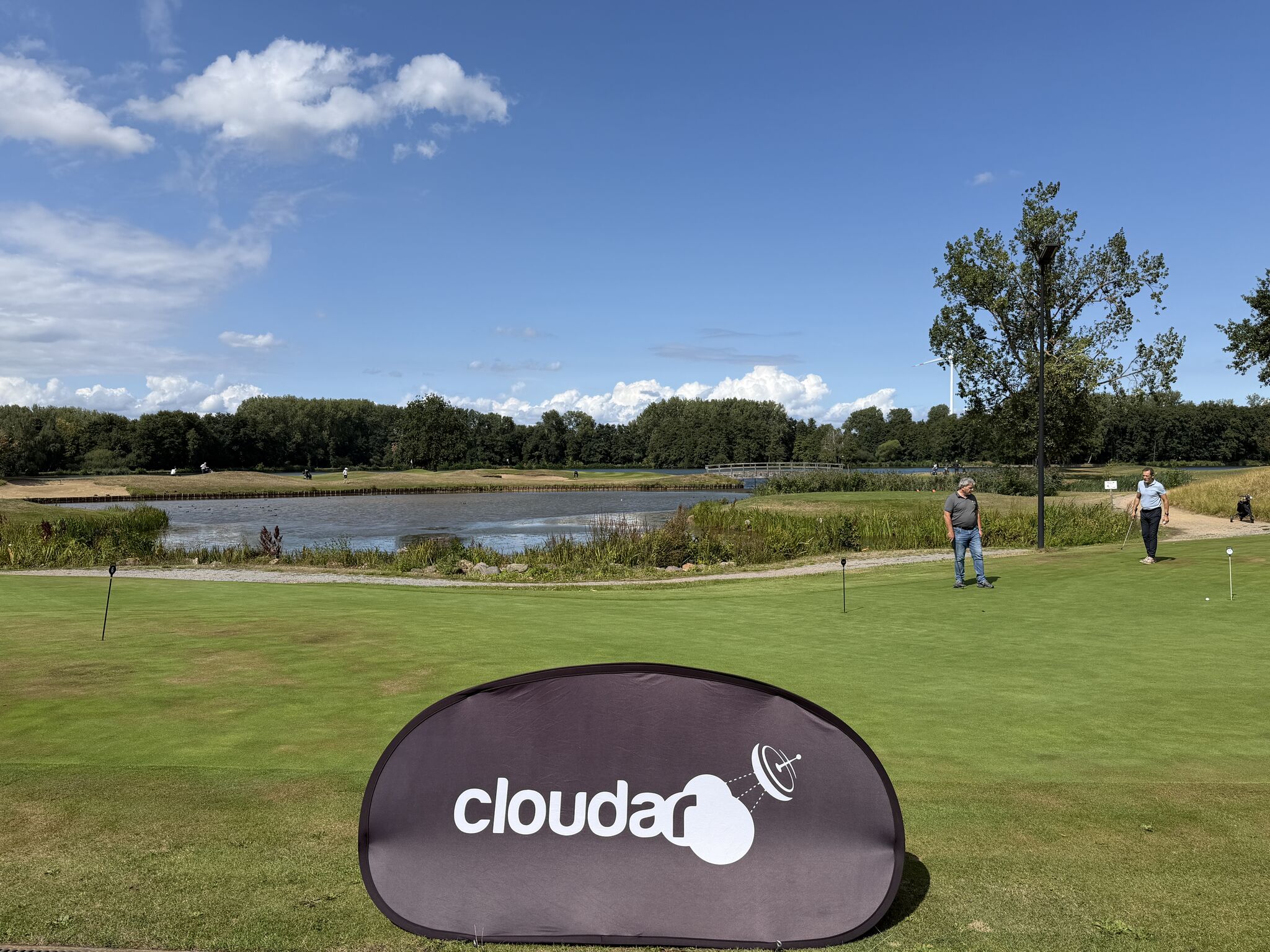
- Today we hosted the Cloudar #Open #golf tournament together with Golf IT United, and it was everything we hoped for: 18 great holes at Millennium Golf Club in Stad Beringen, surprisingly sunny weather, and most importantly, a fantastic group of golf friends and guests. I had the honer to hand out a serious stack of prizes, and judging by the smiles on the course, I think everyone went home happy. To our winners: enjoy those well-earned drinks! 🥂 Thank you to everyone who joined us. Events like these remind me that business is
This page shows public professional information only, each fact cited. Is this you? send a correction, or ask for removal within 24 hours, no questions asked.