Overview
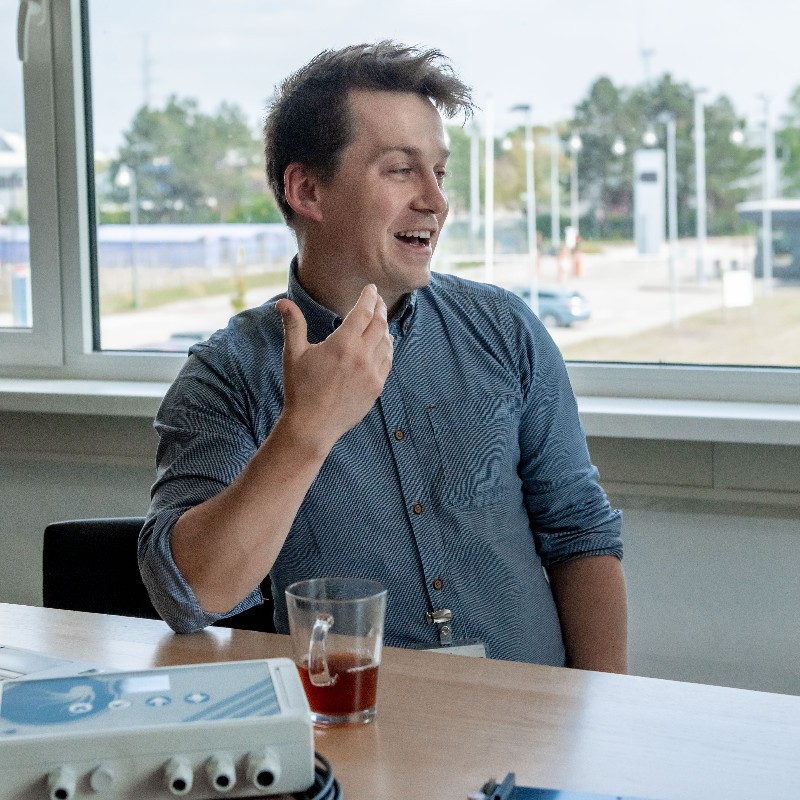
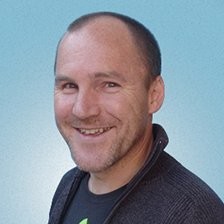
Kristof Gladinez is a co-founder of olpas, based in Antwerp. He co-founded the company in 2021.
Gladinez was at SCK CEN from October 2015, first as a PhD student until September 2019 and then as a research engineer from October 2019 to October 2022, having previously completed a research internship there in August and September 2014. In July and August 2015 he held an internship and student job at FMTC, now Flanders Make. Earlier student jobs and internships took him to IEMANTS NV in August 2013 and to Smulders Projects Belgium in July and August 2012.
He studied mechanical engineering at KU Leuven, completing a Bachelor of Applied Science between 2010 and 2013 and a Master of Science in Engineering between 2013 and 2015. During that period he spent an Erasmus exchange year at EPFL, from 2013 to 2014, in mechanical engineering.
Career history

In the news
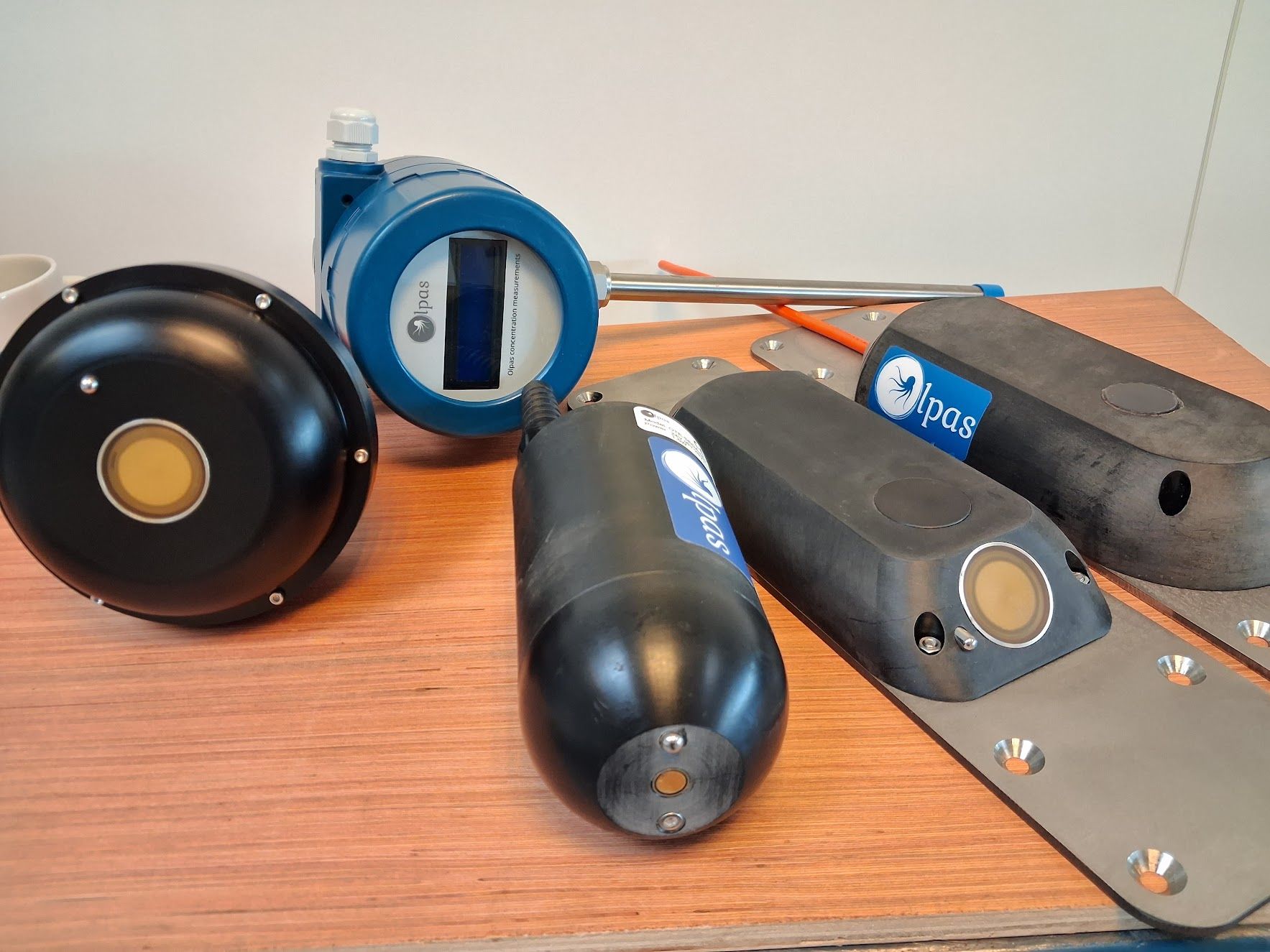
- The line-up of sensors we designed at Olpas, a concentration measurement instrumentation company is becoming quite something...! From left to right: - Olpas Limpet : Accurate sludge blanket level detector and sludge concentration (TSS, mg/L). Mostly used in wastewater treatment. - Olpas Inline (TUB) sensor: Available for concentration measurements from 1 mg/L up to 75 %DS for everything that moves through pipes (effluent, influent, sludge, slurry...everything!) - Olpas Tentacle: Concentration measurements with a submerged sensor.
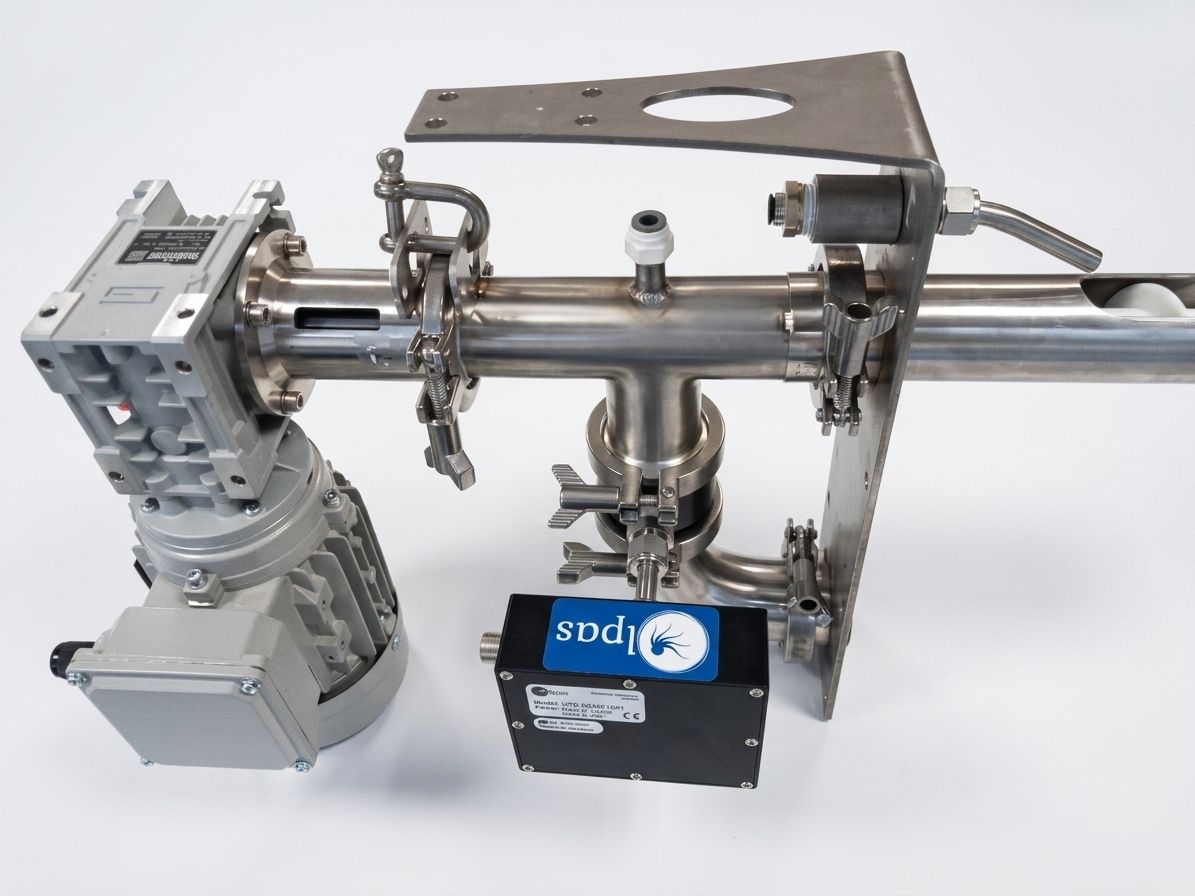
- Vamos a la playa! At Olpas, a concentration measurement instrumentation company we've build the Olpas Nerite: a combined Total Suspended Solids (TSS/SSC) sensor with flow velocity and height (0 - 10 000mm) included. Typically, Nerite sensors are installed for long term (years) and data is recorded every 60sec of 10 minutes. To save power, we require our sensors to perform a measurement 'in a few seconds'. Measuring dynamic processes evolving faster than once per minute was not really in the scope of the sensor. However, Yves
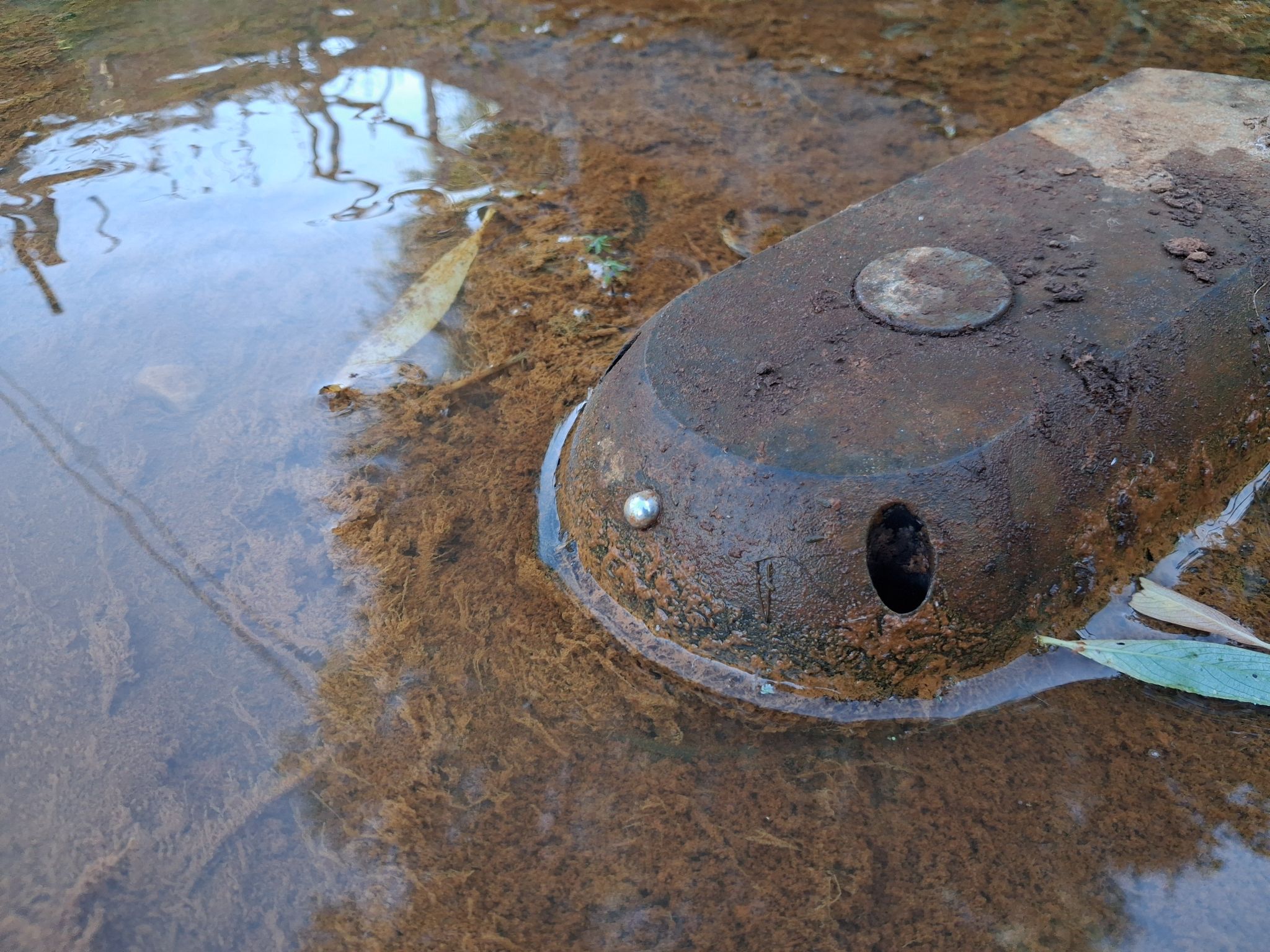
- The current drought in Belgium and Europe results in almost no flow in most small streams. Installed sensors dry out and flowrate measurement are unusable when the level drops below 1cm of water... The dry-out of sensors is quite interesting to see. The pictures show the Olpas, a concentration measurement instrumentation company Nerite flow and sediment concentration sensor after one year of use. The fouling layer is drying and strongly attached. When the water level rises, the fouling layer will become wet and the sensor
- Cool to see that our Olpas, a concentration measurement instrumentation company Tentacle SSC sensors are becoming the standard solution for online sediment concentration measurements in hydropower in a lot of regions. The sediment in the Himalayan regions is quite challenging due to its relative small mean particle size. Exactly this is well captured by the acoustic technology we use at Olpas, a concentration measurement instrumentation company. Typical applications of our sensors include SSC monitoring upstream and downstream
- Last week we installed a dry solids (%DS) measurement for Iron sludge in a buffer of approx 4000m³. The Olpas, a concentration measurement instrumentation company Tentacle sensor line can be supplied with calibrations (more than one!) for iron sludge: - A 'low concentration' range: 0 - 5% DS - High concentration: 4 - 15 %DS Both calibrations are present on the device at the same time. Of course, Olpas Tentacle sensor can be delivered calibrated for TSS of iron sludge as well (0 - 20 000 mg/L). Here we used once more the Crodeon
- At Olpas, a concentration measurement instrumentation company we have a line of sensors for the measurement of iron sludge concentration. Iron sludge/slurry, also known as iron oxide sludge or ferric sludge, can for example be a byproduct of drinking water production from water that contains iron and iron oxides. Luckily, there are various use cases for iron sludge in different sectors. For example, it is used in biogas production to reduce toxic emissions in digesters. For these applications, managing the flow of iron sludge dry
- Ongoing field validation of the Olpas, a concentration measurement instrumentation company Eel sensor. A prototype sensor is used to perform in-situ field measurements to measure real world performance outside of the laboratory. What can the Olpas Eel measure? - Water velocity profile, 0- 3000mm, max 100 bins - Temperature - Water level (0-10000mm) - (in the near future) a sediment concentration profile, 0-3000mm. Currently, ultrasound back-scattering intensity is already available. The Olpas Eel uses the well-known ultrasound
Related profiles
This page shows public professional information only, each fact cited. Is this you? send a correction, or ask for removal within 24 hours, no questions asked.