Overview
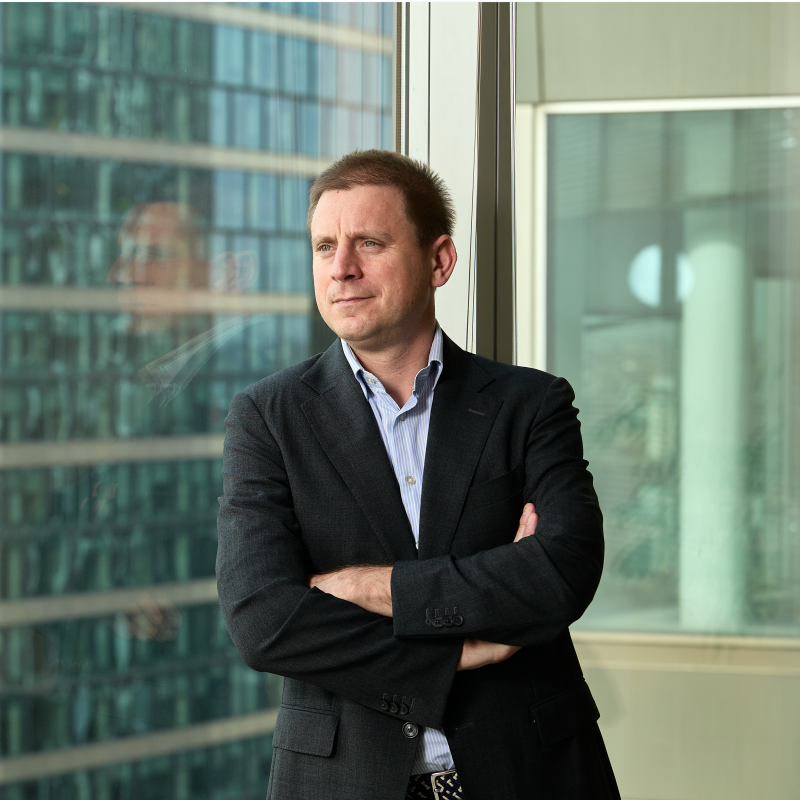
Laurent Hublet is an economist, philosopher, and Belgian politician born in Brussels in 1983. He holds degrees in commercial engineering and economics from Solvay Brussels School of Economics and Management, a degree in philosophy, and an MBA from Columbia Business School. He co-founded BeCentral, the digital campus at Brussels Central Station hosting 60 tech schools, startups, and NGOs, and served as its executive director until 2023. Prior to BeCentral, from 2014 to 2018 he was an advisor in the cabinet of Alexander De Croo, the minister in charge of the Digital Belgium project. In February 2026 he was designated to become Brussels Minister for Economy, Employment, and Digital Economy.
Career history
- Advisor to Alexander De Croo2014-2018minister, Digital Belgium
- Co-founded BeCentral2017Brussels digital campus
- Until 2023Executive Director, BeCentral
- Designated Brussels Minister for Economy, Employment, and Digital Economy2026
- FounderBeCentral

Insights & ideas
The through-line
Across five months of governing Brussels, Laurent Hublet keeps returning to one idea: that entrepreneurial urgency, not caution, is what a city government needs. He frames his own move from business into politics as a deliberate risk, not an accident, and repeatedly measures his ministry's work against a promise he made himself and voters at the moment he took the oath: "y aller à fond" [5][6]. That posture has not shifted since February; if anything it has hardened into a governing method, showing up in how he staffs institutions, funds transitions, and talks about AI and climate as tests of whether Brussels moves fast enough.
The other constant is that he treats economic and social policy as inseparable. Digital sovereignty, disability care, diversity labels and climate spending are all presented not as separate portfolios but as pieces of the same project: making Brussels work for the people who live there.
On entrepreneurial urgency and who leads
Hublet describes his own appointment as improbable and treats speed as a moral obligation once in office: "Je suis entrepreneur. Je ne m'attendais pas à devenir ministre" [5][6], followed immediately by "Nous n'avons pas une seconde à perdre. Nous n'avons pas le luxe de faire des mauvais choix" [5][6]. That same logic drives his approach to appointments: he wants "des entrepreneurs prêts à mouiller le maillot" running Brussels's economic tools [1], and he insists that even administrative recruitment, such as the search for Actiris's new director general, be "ambitieuse et rigoureuse" through parallel French- and Dutch-speaking selection committees [9].
On digital and AI sovereignty
Hublet's framing of sovereignty is explicitly relational rather than defensive: "Digital Sovereignty is about partnerships & scale. About people & places" [2]. After the G7-adjacent AI summit in Lille, he sharpened this into an urgency claim: "l'intelligence artificielle n'est plus un sujet d'avenir; c'est un enjeu immédiat de souveraineté, de développement socio-économique et de transformation de nos territoires" [7]. He backs this with a stark local stake, noting that in Brussels "près de 80% des emplois s
Media & appearances
- Les Engagés - Mouvement participatifYouTubeLaurent Hublet: "Let's make Brussels win!"Laurent Hublet discusses his background as a Brussels-born entrepreneur and co-founder of Bicentral, a digital campus located in Brussels Central Station, as well as his launch of IM Brussels, a citizen engagement initiative that consulted residents across Brussels's 19 communes about their concerns before sharing findings with political parties.
- TEDx TalksYouTubeWas wikipedia born in Brussels? | Laurent Hublet | TEDxBrussels
- Kobe van ReppelenYouTube#244 - Laurent Hublet
In the news
- 120.000 jobs are available in the Brussels region. To match them, we need to adapt the system. Here are some suggestions from Beci Beci Lisa ISNARD Alain Heureux Guillaume Lepere Caroline Aelvoet Annick Hernot Laurent Hublet Boris Dilliès Beci propose de lier les aides à l'emploi aux stages en entreprise https://lnkd.in/ej3iQXV8
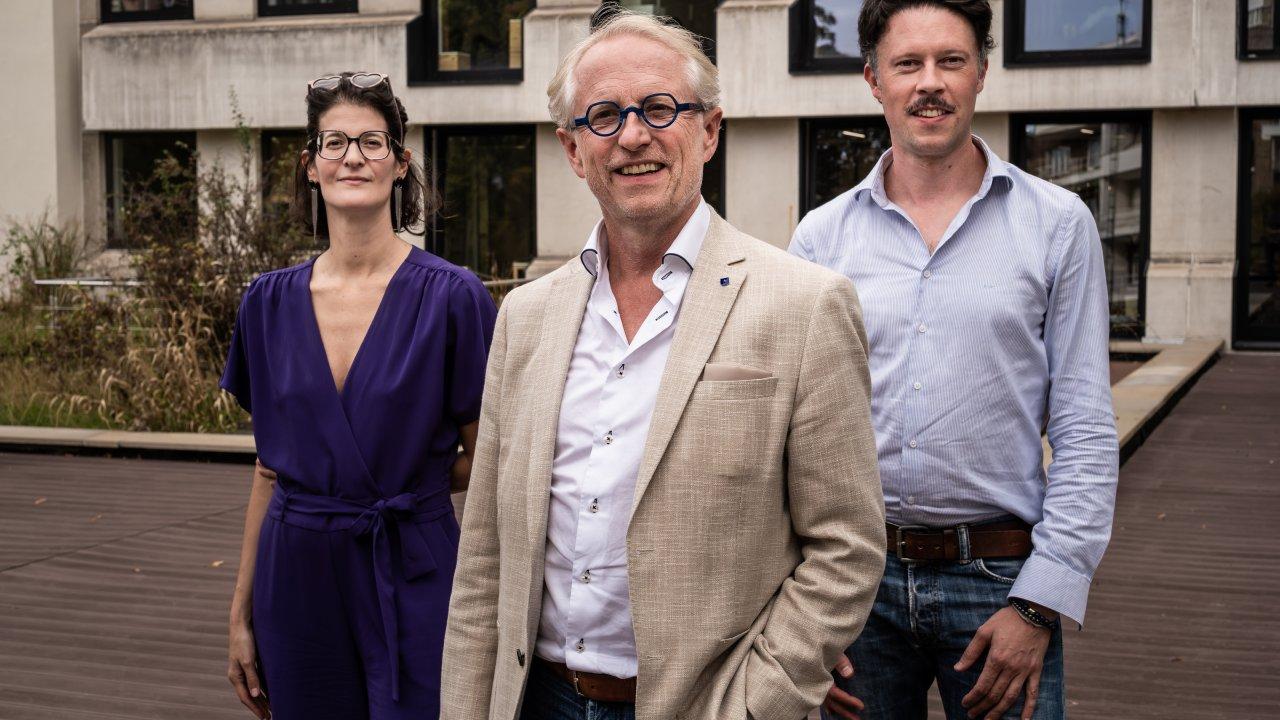
- 𝑴𝒊𝒏𝒊𝒔𝒕𝒆𝒓 𝑳𝒂𝒖𝒓𝒆𝒏𝒕 𝑯𝒖𝒃𝒍𝒆𝒕 𝑽𝒊𝒔𝒊𝒕𝒔 𝑷𝒓𝒐𝒕𝒉𝒚𝒂 𝑵𝑶𝑯 𝑺𝒊𝒕𝒆! On Tuesday 08/09, we had the honor of welcoming Minister Laurent Hublet to our NOH site. The visit highlighted our ongoing investments, our commitment to innovation, and our contribution to shaping the future of Brussels. At Prothya, we are proud to share our vision and achievements with leaders who support progress and innovation. #Innovation #Brussels #Future #Prothya #ProthyaBiosolutions
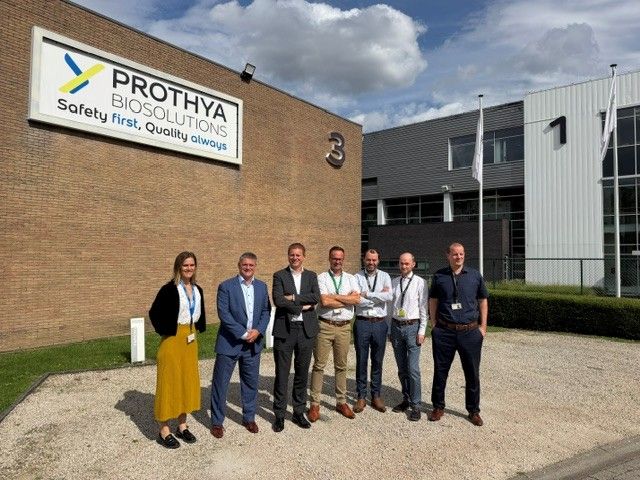
- Vous n’avez rien de prévu demain soir ? Parfait. Maintenant si. 😇 Demain, je serai au Mirano pour la Brussels All.In Night. Et franchement, le casting à lui seul mérite de sortir de chez soi : Kody Krisy Sarah Talbi Emeraude Laurent Hublet Et moi, qui vais tenter de maintenir dignement la moyenne de coolitude du groupe. L’idée ? Se retrouver entre Bruxellois qui aiment cette ville, qui parfois ne la comprennent plus, qui souvent râlent dessus, mais qui n’ont surtout pas envie de la regarder évoluer depuis leur canapé.

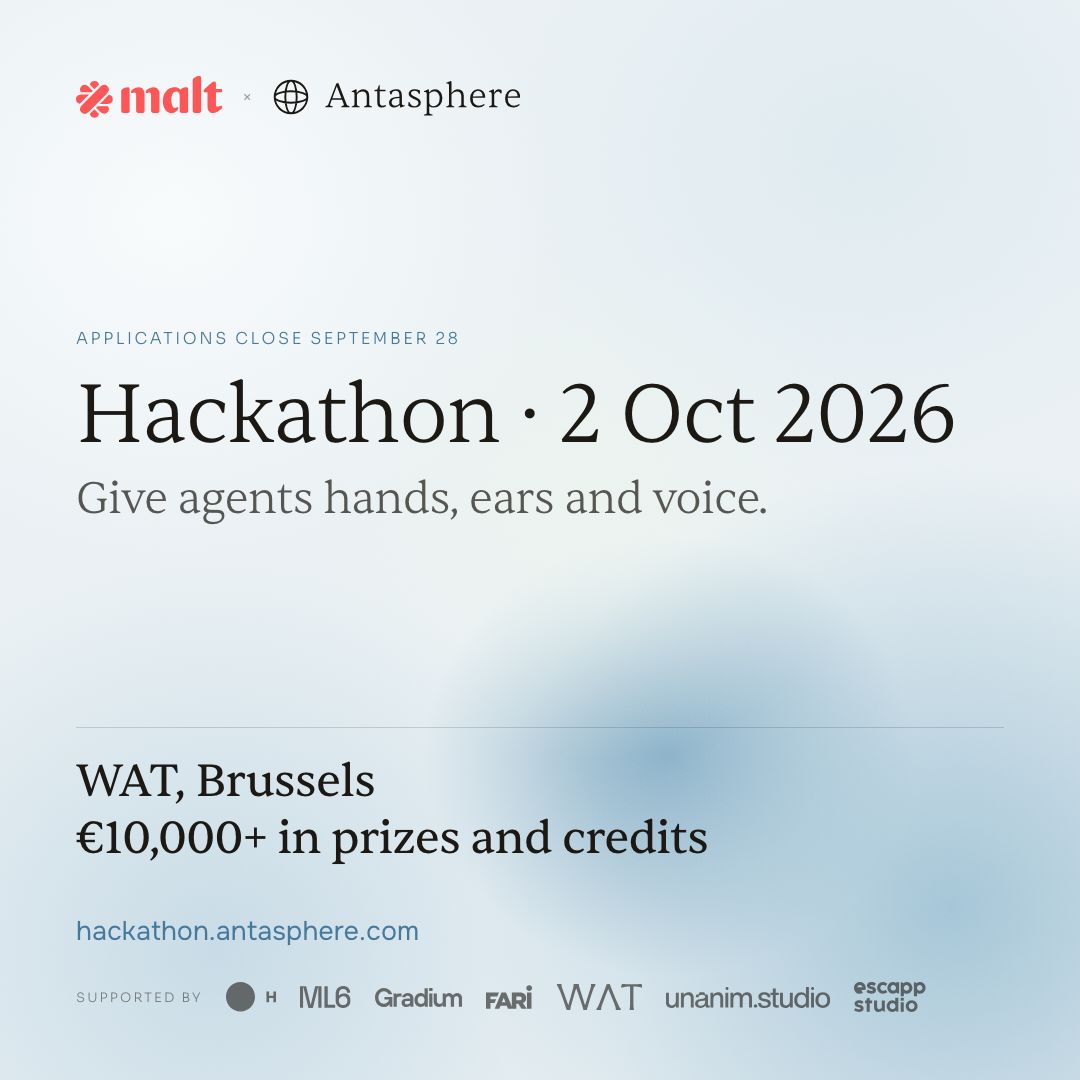
- On October 2 we (Antasphere) are running a hackathon with Malt at WAT.BXL 👩💻 For the first time, software can be used by something other than a person. Romain and I spend our days on that line, using agents for real work and turning whatever holds into tools. Nobody knows yet where it settles. A hackathon is that question compressed into one day: what does an agent need in its hands to actually be useful? So that is the brief. One day, one tool for an agent that uses a computer, yours to keep. We wanted people to start at their
- Bruxelles va mal. Voilà, normalement à ce stade, j’ai l’attention de tous les Bruxellois. 😅 Parce qu’on est très forts pour parler de Bruxelles. - Ce qui ne va pas. - Ce qu’il faudrait changer. - Ce que les politiques devraient faire. - Ce que les entreprises devraient faire. - Ce que les autres, globalement, devraient faire. Moi la première. 💁♀️ J’ai longtemps pensé que pour faire bouger les choses, il fallait être plus légitime. Avoir plus d’expérience. Probablement, aussi: Un plan en 47 pages et l’aval de trois niveaux de
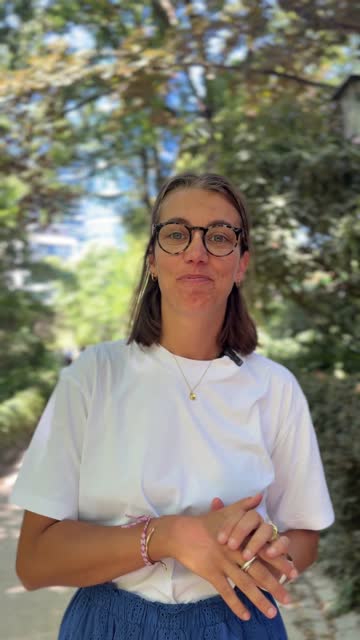
- Bravo à Partena Professional et Actiris de mouiller le maillot ensemble pour l’emploi des Bruxelloises et des Bruxellois. Je suis convaincu que c’est main dans la main, secteur public et secteur privé, que nous arriverons à ce que 7 Bruxellois.e.s sur 10 aient un job! Roeland Van Dessel Stéphane Laloux Kristof Devuyst Bernard Hullaert
- 55 hectares in Brussels. That is bigger than the entire Vatican City. When Laurent Hublet announced yesterday that Heylen Warehouses is taking over the former Audi site in Forest to bring back 3,000+ jobs, my first reaction was relief. My second reaction was: I’ve driven through a lot of business parks across Belgium, and they all look the same. A few warehouses, a couple of mysterious manufacturing companies, some office buildings, and an abandoned-looking sandwich shop. If we want this 55-hectare site to become a thriving,
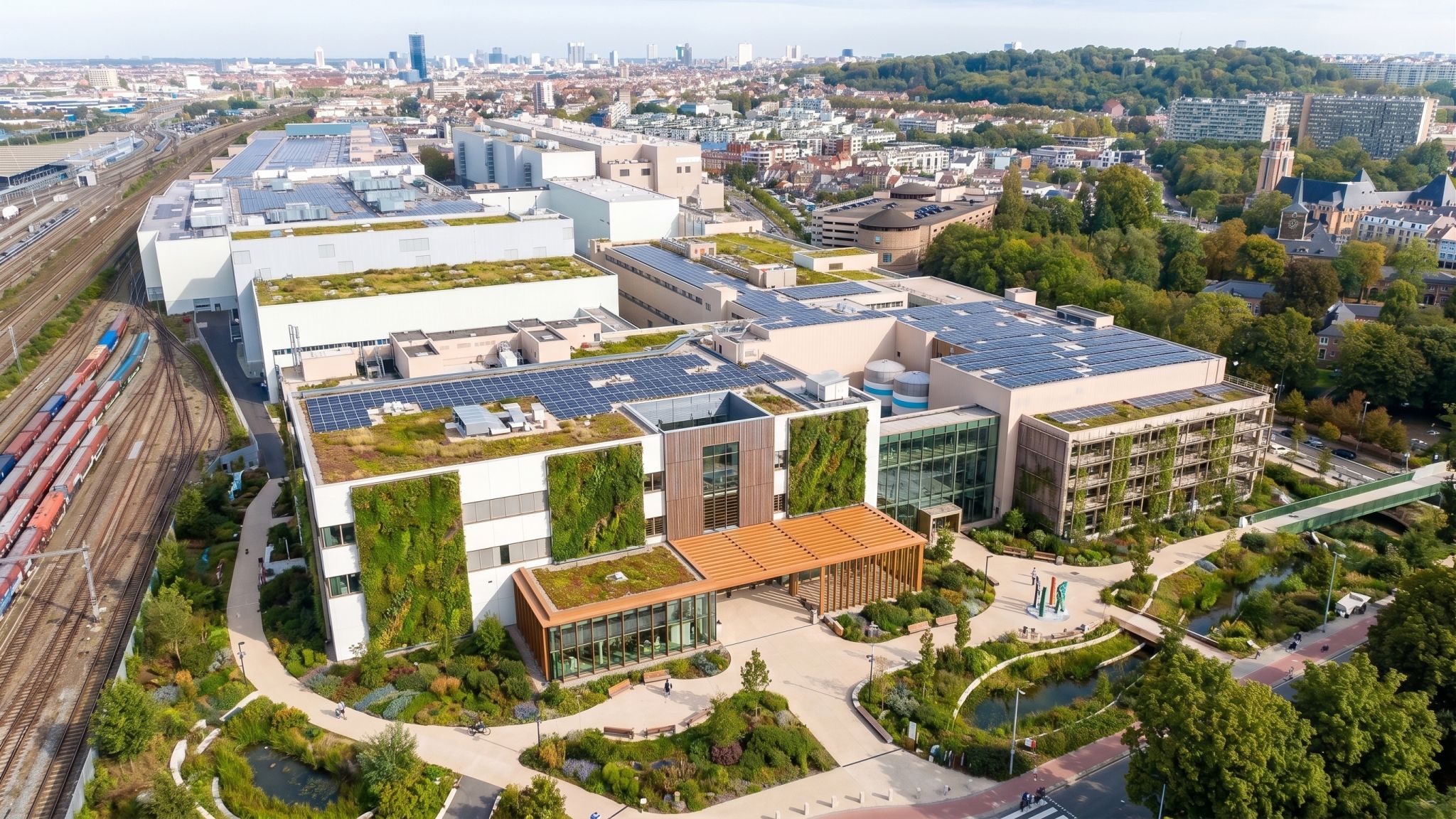
- Fumée blanche pour le site d'Audi Bruxelles, schitterend nieuws voor ons land en voor onze hoofdstad. Succes aan Heylen Group ! Wim Heylen Laurent Hublet Boris Dilliès VBO - Verbond van Belgische Ondernemingen Agoria Lisa ISNARD Alain Heureux Edouard Cambier Jean de Renesse Annick Hernot Beci
Related profiles
This page shows public professional information only, each fact cited. Is this you? send a correction, or ask for removal within 24 hours, no questions asked.