
Overview
Leo Exter is a creative entrepreneur best known for powering Hack Belgium, a civic hackathon initiative. He is described as "among the most accomplished practitioners in the hackathon format anywhere in Europe," having helped establish hackathons as a meaningful tool for civic and technological innovation in Belgium. He has organised approximately 20 hackathon events with over 500 participants each, spanning sectors including healthcare (Hack Healthcare), defence (Innovation for Defence), epilepsy, and the blue transition. Several hackathons he organised directly produced technology startups that continue to operate.
Career history
- Previous rolesEuropean Innovation Council, westartup, Startup Weekend Brussels, Advance.Healthcare
- Chief EnergizerCurrentHack Belgium Labs
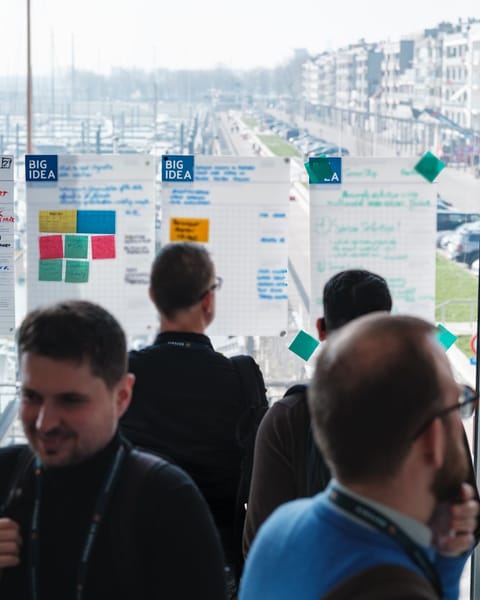
- Organised ~20 hackathons including Hack Healthcare, Hack Epilepsy, Hack Blue Transition

In the news
- If there's a yoga session - or a Lego Seriouns Play workshop, for that matter - taking place during your hackathon, you're doing your hackathon wrong. To be clear: I'm all for yoga (I have been practicing myself for years). I also really appreciate what a knowledgeable practitioner can do with Lego Serious Play. But a hackathon is there to 𝗱𝗲𝗹𝗶𝘃𝗲𝗿 𝗺𝗲𝗮𝗻𝗶𝗻𝗳𝘂𝗹 𝗿𝗲𝘀𝘂𝗹𝘁𝘀 𝗶𝗻 𝘃𝗲𝗿𝘆 𝗹𝗶𝘁𝘁𝗹𝗲 𝘁𝗶𝗺𝗲, so if a component of the programme doesn't contribute to the results, it shouldn't be there. After
- If there's a yoga session - or a Lego Seriouns Play workshop, for that matter - taking place during your hackathon, you're doing your hackathon wrong. To be clear: I'm all for yoga (I have been practicing myself for years). I also really appreciate what a knowledgeable practitioner can do with Lego Serious Play. But a hackathon is there to 𝗱𝗲𝗹𝗶𝘃𝗲𝗿 𝗺𝗲𝗮𝗻𝗶𝗻𝗳𝘂𝗹 𝗿𝗲𝘀𝘂𝗹𝘁𝘀 𝗶𝗻 𝘃𝗲𝗿𝘆 𝗹𝗶𝘁𝘁𝗹𝗲 𝘁𝗶𝗺𝗲, so if a component of the programme doesn't contribute to the results, it shouldn't be there. After
- Most hackathons fail because organisers pack the room with methodology instead of protecting working time. ⏱️👇 Give a team forty-eight hours, and they will immediately build a detailed plan based on groupthink, adrenaline, and pure assumption. That is why Step 4 of the Hack Belgium Labs process, #ProgrammeDesign, is not about filling an agenda with frameworks. It is about applying 𝗽𝘂𝗿𝗽𝗼𝘀𝗲𝗳𝘂𝗹 𝗺𝗶𝗻𝗶𝗺𝗮𝗹𝗶𝘀𝗺 and engineering what we call 𝗰𝗿𝗶𝘁𝗶𝗰𝗮𝗹 𝗶𝗻𝘁𝗲𝗿𝗿𝘂𝗽𝘁𝗶𝗼𝗻𝘀. Over forty-seven hackathons, we
- Too many people wanting to join your hackathon sounds like a great problem to have. It isn’t. 👇 We once let an event balloon to 175 participants. The logistics creaked a bit (par for the course) and we handled them. What we didn’t handle was the participant mix: not enough operators with field experience, so most of the teams without one drifted into ideas that looked great on paper, but didn't make a lot of practical sense. The hard part of recruitment isn’t filling the room. It’s keeping your participant mix balanced.
- Sovereign supply chain for defence? 𝗔 𝗽𝗶𝗽𝗲 𝗱𝗿𝗲𝗮𝗺. Even the most European product we had on stage this Wednesday night still has four parts nobody can make in Europe... 👇 At our 9th Dual Nexus MeetupI asked for a show of hands. Is a product made in Belgium sovereign? Every hand. France, Germany, Italy? About 60%. Ukraine? About 20%. The US? I got an uneasy laugh. And, 𝘇𝗲𝗿𝗼 𝗵𝗮𝗻𝗱𝘀 for Taiwan, in a room where two of the three founders on stage depend on chips made there. Then the speakers gave us a few facts: ❗
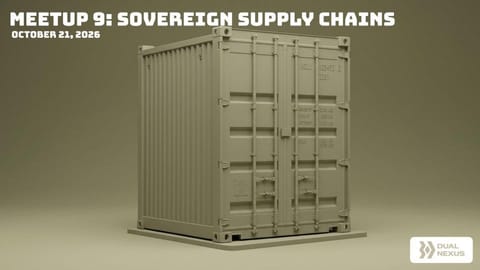
- We've been digging into the topic of sovereign supply chains all day in the preparation of this Wednesday's Dual Nexus Meetup, and it's full of surprises. Surprise #1: sometimes buying European components (when lower-cost, more advanced Chinese supplies are available) is not a "patrio[tic" call - nor a paraniod (ahem... security-conscious) call. It's good business sense. Surprise #2: for some components, there's more than enough supply here in Europe (well, at least in our part of it). Surprise #3: defence innovation thinking
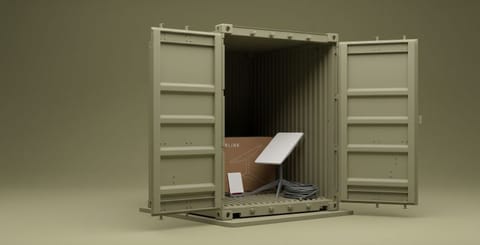
- A drone is only as sovereign as its least sovereign part. Very often, that part is the 𝗰𝗵𝗶𝗽. 👇 Our next weeks Dual Nexus meetup will tell the 𝘄𝗵𝗼𝗹𝗲 𝘀𝘁𝗼𝗿𝘆: from the chip, to the sensor and the board, to the 𝗯𝘂𝘆𝗲𝗿 who sets the rules. Finding the right person for each step took a while. This week, the last two said yes. 👉 Bram-Ernst Verhoef, co-founder of Axelera AI. They design AI chips in Eindhoven, used in everything from cameras and robots to servers. PhD at KU Leuven, research at Harvard and Chicago, then led
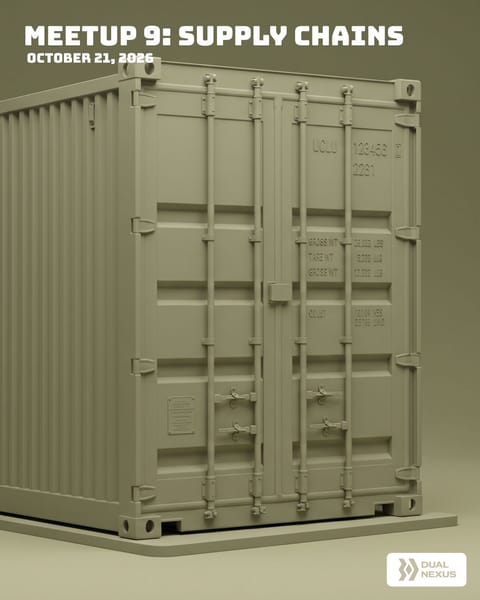
- You can build an autonomous system that passes every field test. Then defence procurement asks to audit your 𝗯𝗶𝗹𝗹 𝗼𝗳 𝗺𝗮𝘁𝗲𝗿𝗶𝗮𝗹𝘀 (the full list of parts inside)... If you can’t prove where every part comes from, all you have is a demo. 👇 Last week I asked what “sovereign supply chains” actually means. I still haven't gotten a good answer, so... we'll go to people who deal with it every day, and who sell to defence anyway. 👉 Ashwin De Taeye (@EUnify) builds EU-made flight electronics for drones and
Related profiles
This page shows public professional information only, each fact cited. Is this you? send a correction, or ask for removal within 24 hours, no questions asked.