Overview
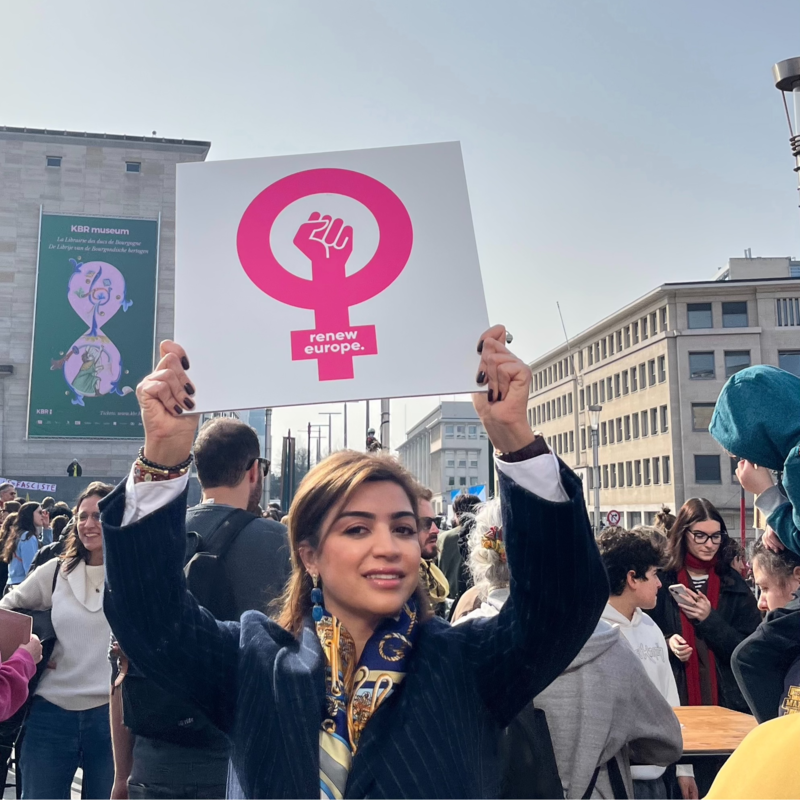
Loubna Azghoud is an expert in digital economy, gender equality, and business strategy who has worked across the public and private sectors in Brussels. She founded Women in Tech Brussels, the first women's tech ecosystem in Europe built on a public-private partnership, as part of the Brussels government's NextTech plan. She also founded HighHer, an inclusive platform to support female founders in their fundraising journey, and runs Innovation Valley, dedicated to building innovative ecosystems between the private and public sector. She has served as a gender equality expert for the Brussels government and is currently a Deputee MR in the Brussels and Federation Wallonie-Bruxelles parliaments.
Career history
- Gender equality expert and advisor for the Brussels government
- FounderWomen in Tech Brusselsfirst public-private women's tech ecosystem in Europe
- FounderHighHerplatform supporting female founders in fundraising
- FounderInnovation Valleypublic-private innovation ecosystem builder
- Deputee MR, Brussels Parliament and Federation Wallonie-Bruxelles ParliamentCurrent
Insights & ideas
The through-line
Across her public statements, Loubna Azghoud consistently argues that policy and institutions must be evaluated by their concrete effects and numbers, not by stated intentions or symbolic thresholds. Whether discussing the Foyer anderlechtois housing scandal, gender parity in boardrooms, or wealth taxation, she leans on figures and audits rather than rhetoric: "une politique publique ne peut pas être évaluée uniquement sur des intentions. Elle doit être jugée sur ses effets" [2]. This technocratic, evidence-driven stance runs through her institutional work on the housing commission [3][4][10] and her commentary on gender equality metrics [7].
Over the period covered, her focus widens from narrowly institutional Brussels politics (the housing inquiry, tribute to a liberal figure) toward broader humanitarian and social themes: youth unemployment [6], child sexual abuse [8], fiscal justice [2], and the migration crisis at Ceuta, which she frames as "une crise de l'espérance" [1]. The constant beneath this widening scope is a refusal to settle for the minimum, whether in gender representation, housing transparency, or social protection.
On rigor and accountability in governance
Her account of the Foyer anderlechtois inquiry is built entirely on quantified diligence: "150 heures d'auditions" and "49 témoins entendus" and "des centaines de documents analysés," yielding "26 recommandations pour renforcer la transparence, garantir une attribution plus juste des logements sociaux et mettre fin au favoritisme" [3][4]. She frames this as unfinished business rather than closure: "Le travail ne fait que commencer. Les bruxelloises et les bruxellois méritent toute la clarté sur cette affaire" [10]. Her stated commitment is explicitly about prioritizing residents over institutional or political interests: "faire passer l'intérêt des Bruxelloises et des Bruxellois avant tout" [3].
On equality as an ongoing dynamic
On gender representation in Belgian boardrooms, she resists treating legal quotas as an endpoint: "l'égalité ne devrait jamais être considérée comme un seuil à atteindre, mais comme une dynamique à poursuivre" [7]. She notes that progress has stalled once companies hit the legal minimum of 36,9% female board representation, and asks pointedly, "pouvons-nous réellement nous satisfaire du minimum?" [7]. This same insistence on moving past symbolic milestones appears in her work on women in tech and entrepreneurship, where she stresses that women make up half of humanity and must be active participants in the digital transformation and fifth Industrial Revolution, not just beneficiaries of quota compliance [11].
On protecting the vulnerable
Several posts pair statistics with a moral argument for urgent action. On youth exclusion in Brussels she writes that "13 % des jeunes ne sont aujourd'hui ni à l'emploi, ni aux études, ni en formation" and insists "nous ne pouvons pas nous contenter de regarder le train nous filer sous le nez" [6]. On child sexual abuse, she cites that "près d'une victime de violences sexuelles sur trois est mineure" and that "on estime qu'un enfant sur dix est victime d'inceste," arguing "le problème n'est pas juste le silence, c'est aussi ce qui se passe lorsqu'" it is finally reported [8]. On housing, she grounds the policy debate in dignity rather than logistics: "se loger n'est pas un luxe, il en relève de la dignité humaine" [10].
On liberal values and solidarity
She positions her political identity firmly within Belgian liberalism, marking the party's 180th anniversary by quoting Jefferson ("le prix de la liberté c'est la vigilance éternelle") and describing Mouvement Réformateur as "le seul parti qui défend toutes les libertés" [9]. In tribute to a late liberal figure, she praises "une vision exigeante et profondément humaine du libéralisme" [5]. On taxation, she resists framing solidarity and entrepreneurship as opposites, warning that "confondre patrimoine et revenus peut conduire à des choix fiscaux aux conséquences importantes pour l'investissement, l'innovation et l'emploi" [2].
From the stage
In podcast appearances, she discusses personal and professional background not present in her written posts: she describes working as a nurse before moving into political science and public policy, and cites her mother's migration from Morocco to Belgium as a personal inspiration [12]. She also details the practical barriers women entrepreneurs face in accessing funding, and stresses that digital and industrial transformation must actively include women, youth, and elderly people through training and support, not just young professionals [12]. On the topic of women in tech specifically, she notes that female founders tend to build startups oriented toward societal impact rather than profit alone, and references Aumi as a platform connecting women globally around technology [11].
Takeaways
- She judges public policy by outcomes, not stated intentions, applying this standard to wealth taxation debates [2].
- Her housing governance reforms rest on documented audit numbers: 150 hours of hearings, 49 witnesses, 26 recommendations for the Foyer anderlechtois [3][4].
- She treats legal gender quotas as a floor, not a goal, given board representation has stalled at 36,9% [7].
- She frames access to housing as a matter of dignity rather than logistics amid 60.000 households waiting for social housing in Brussels [10].
- In interviews, she foregrounds barriers to funding for women entrepreneurs and the need to include youth and elderly people in digital transformation efforts [12].
- She links her political identity explicitly to a "vigilance éternelle" conception of liberalism on the occasion of her party's 180th anniversary [9].
Media & appearances
- Comité Parité et Diversité 2MYouTubePodcast ELLES avec Loubna AZGHOUD, experte en économie numérique, égalité femmes-hommesLoubna Azghoud discusses her background as a Moroccan immigrant who worked as a nurse before pursuing political science studies and eventually entering public policy work. She explains her focus on digital inclusion and female entrepreneurship, particularly addressing the challenge of women accessing funding to create businesses, and emphasizes the importance of ensuring that women, youth, and elderly people are trained and supported to adapt to the digital and industrial transformation currently underway globally.
- Brilliantly Branded Podcast by María Lucia RomeroYouTube95 | Capsule #10 | Women in Tech: Leading the Future of Digital Transformation | Loubna AzghoudLoubna Azghoud discusses her commitment to advancing women in technology and STEM fields, emphasizing that women represent half of humanity and must participate in the ongoing digital transformation and fifth Industrial Revolution. She highlights the importance of raising awareness among young girls about tech skills and notes that female founders typically create startups focused on societal impact rather than profit alone. She also mentions her personal inspirations, including her mother who migrated from Morocco to Belgium, and Aumi, who connects women globally around technology topics.
In the news
- it’s a Match! ❌0 Match! Actiris doit devenir le Tinder de l’emploi 97.000 chercheurs d'emploi. 100.000 offres à Bruxelles et dans la périphérie et pourtant, ça ne matche pas ! À Bruxelles, le problème n'est pas seulement le manque d'emplois. C'est aussi l'inadéquation entre les compétences des chercheurs d'emploi et les besoins des entreprises. Avec le groupe MR, je porterai un texte pour la rentrée parlementaire qui remet le résultat au centre. Ce texte vise à simplifier le parcours d'accompagnement, améliorer les

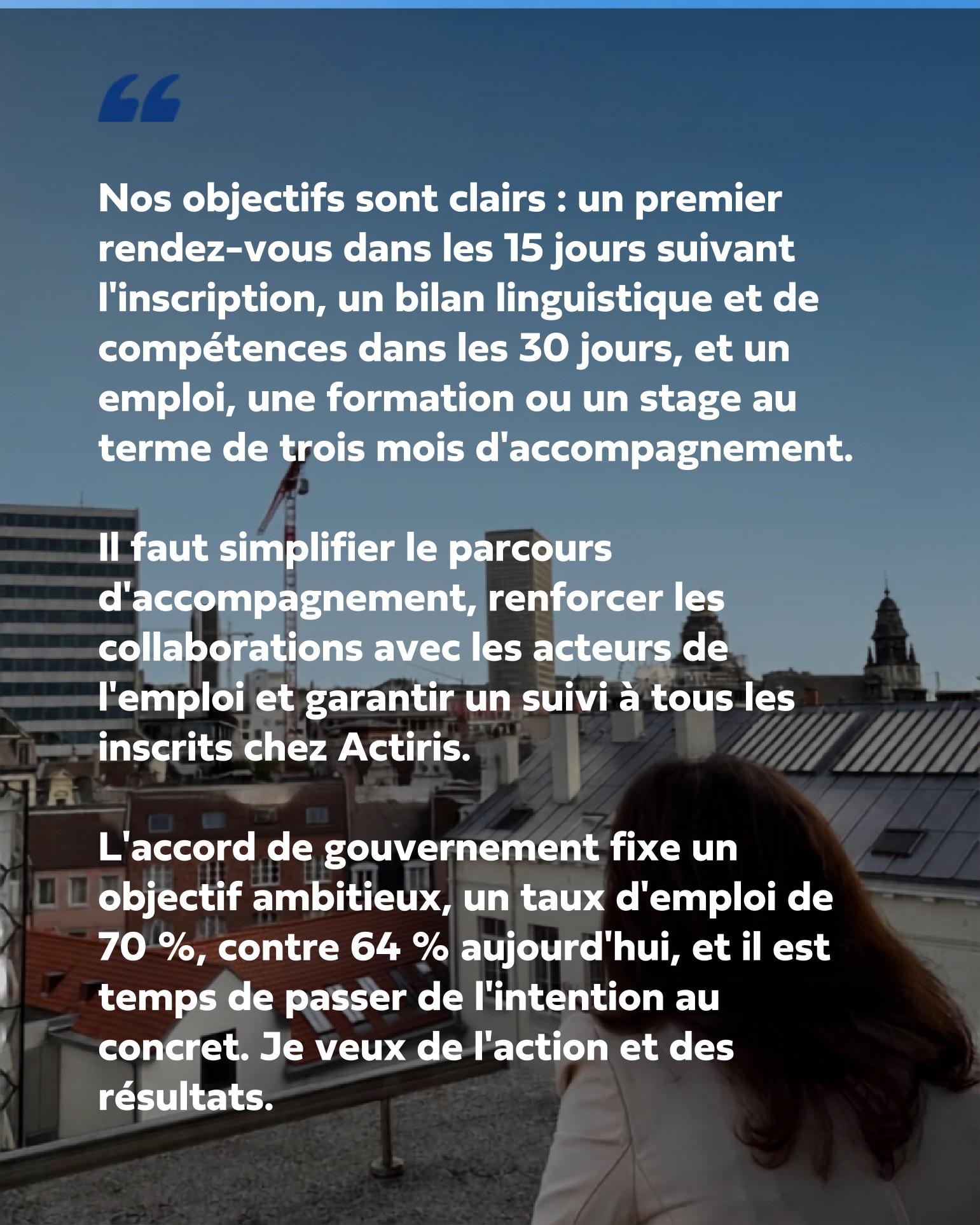
- 97.000 chercheurs d'emploi. 100.000 offres à Bruxelles et dans la périphérie et pourtant, ça ne matche pas ! À Bruxelles, le problème n'est pas seulement le manque d'emplois. C'est aussi l'inadéquation entre les compétences des chercheurs d'emploi et les besoins des entreprises. Avec le groupe MR, je porterai un texte pour la rentrée parlementaire qui remet le résultat au centre. Ce texte vise à simplifier le parcours d'accompagnement, améliorer les collaborations avec les acteurs de l'emploi et donc garantir un suivi à l'ensemble
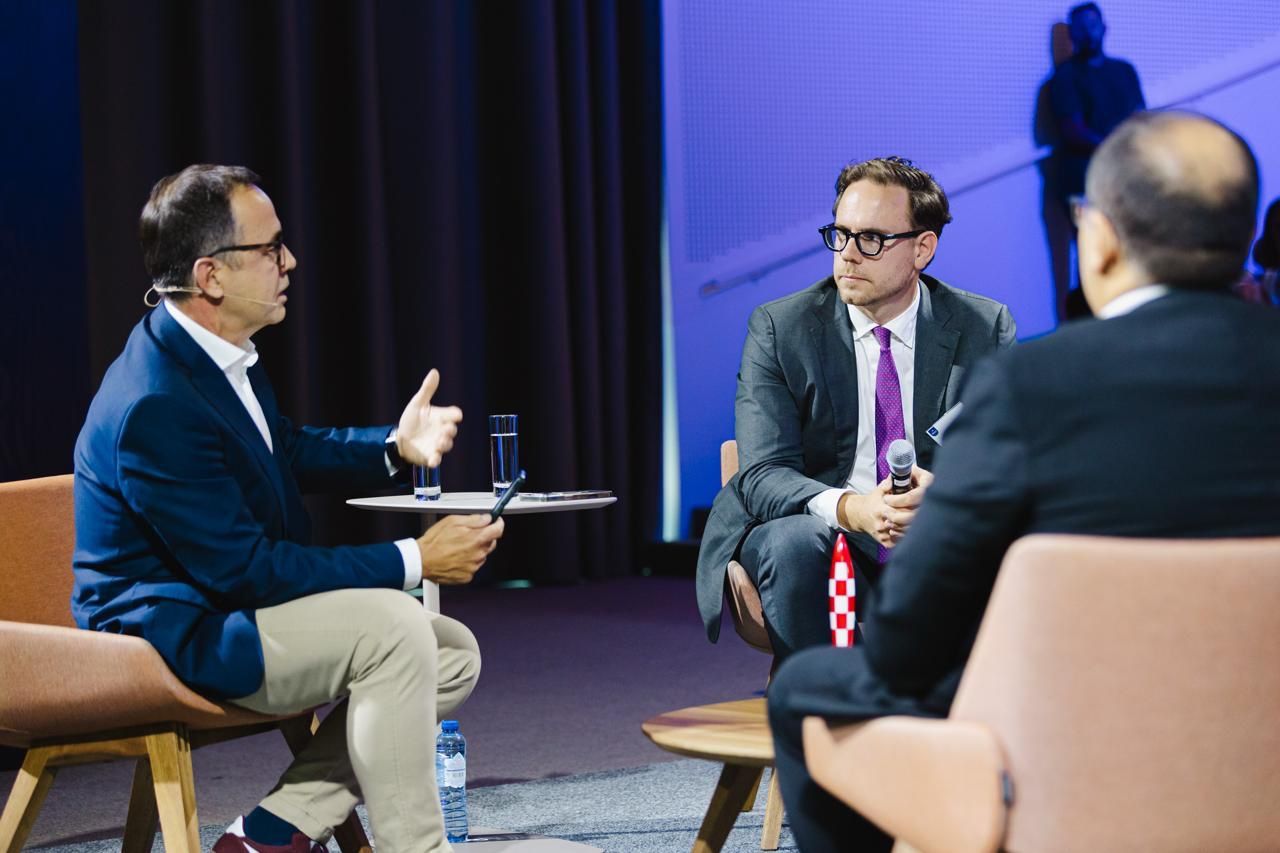
- Beci Summit : Politics Meets Business Quel est le lien entre la politique et le business ? C’est la question posée hier par Beci, une belle initiative qui permet de confronter les réalités politiques et économiques de notre Région. Ministres, CEO, entrepreneurs, décideurs et acteurs régionaux étaient réunis pour échanger autour des grands enjeux bruxellois : sécurité, mobilité, logement et économie. Les constats sont clairs : Bruxelles a de nombreux atouts. Et parmi eux, il y a ses entrepreneurs, ses indépendants et ses entreprises,
- Ceuta Derrière les images, une crise de l’espérance. Je suis profondément touchée par la crise qui se déroule sous nos yeux, sans angélisme et avec humanité je vous invite à lire ma carte blanche. Merci
- Tax The Rich ? Vraiment 🤔 Ces dernières semaines le débat sur la taxation des grandes fortunes est animé entre les politiques, les entrepreneurs et les économistes. Ce que l’on peut en retenir c est que personne ne remet en cause la nécessité de justice fiscale. Loin des déclarations médiatiques une politique publique ne peut pas être évaluée uniquement sur des intentions. Elle doit être jugée sur ses effets. Ce débat soulève une question essentielle : comment maintenir notre système de solidarité sans fragiliser ceux qui
- Le Parlement bruxellois a adopté aujourd’hui le rapport de la commission d’enquête sur le Foyer anderlechtois. En quelques semaines : ✔️ 150 heures d’auditions ✔️ 49 témoins entendus ✔️ Des centaines de documents analysés Résultat : 26 recommandations pour renforcer la transparence, garantir une attribution plus juste des logements sociaux et mettre fin au favoritisme. Les 60.000 ménages en attente d’un logement social méritent un système exemplaire, transparent et digne de leur confiance. Notre engagement est clair : faire
- Foyer Anderlechtois ⚖️Plus de transparence, de bonne gouvernance et d’équité. Après plus de 150 heures d'auditions, près de 50 témoins entendus et des centaines de documents analysés, la commission d'enquête sur le Foyer anderlechtois a formulé 26 recommandations pour renforcer la transparence et mettre fin aux ingérences politiques dans le logement social. J'ai eu l'occasion de revenir sur ce travail, ses conclusions et les changements que nous voulons mettre en œuvre dans une interview accordée à 21News.be. 📖 Retrouvez
- Aujourd’hui, la Belgique et la famille libérale perdent un grand homme. Je n’ai malheureusement pas eu la chance de connaître personnellement Hervé Hasquin, contrairement à beaucoup de mes collègues. Mais une chose est certaine : son héritage est immense et son empreinte restera indélébile. Il incarnait une vision exigeante et profondément humaine du libéralisme : fidèle à ses valeurs, la main sur le cœur, ouvert sur le monde et convaincu que l’éducation est essentielle à l’émancipation de chacune et chacun, sans
Related profiles
This page shows public professional information only, each fact cited. Is this you? send a correction, or ask for removal within 24 hours, no questions asked.