Overview
Lovatech Latinoamerica has been chief executive officer of Lovatech since August 2008 and is based in Venezuela. Lovatech Latinoamerica studied mechanical engineering at Universidad de Carabobo from 1969 to 1974 and maritime engineering at ENSTA from 1976 to 1979.
Career history

Insights & ideas
The through-line
Across these posts, Lovatech Latinoamerica keeps returning to a single idea: production problems in a bagging line are rarely solved by buying new equipment, and the real work is diagnosing the process before spending on it. Early posts frame this as a warning against price-driven purchasing [2][6], but the argument steadily deepens into a methodology: analyze the full line before touching CAPEX [3], find the true bottleneck instead of assuming it is the machine [4], and treat small, ignored signals as the source of the biggest losses [12][13]. The throughline shifts from "don't overspend" toward "measure and diagnose first," culminating in framing continuity itself as a financial indicator, not just a technical one [15].
On evaluating before investing
The recurring warning is that "una de las decisiones más costosas en una planta es invertir en tecnología antes de entender el problema que se quiere resolver" [3]. Before any CAPEX decision, Lovatech insists on reviewing "Capacidad instalada y capacidad efectiva," "Cuellos de botella," "Disponibilidad de los equipos," and "Costo total de operación," among other factors [3]. The same logic applies to comparing machines: "La decisión correcta no se toma mirando solamente la cotización. Se toma evaluando el costo total y el retorno de la inversión" [2]. This is stated plainly as a myth to reject: "El equipo más caro siempre es el mejor... FALSO" [6], and reinforced again as "El equipo más caro no siempre es la mejor inversión" [7].
On finding the real bottleneck
A specific, concrete case anchors this theme: a client requested a new machine believing their line "ya no produce lo suficiente," but the actual constraint was elsewhere. "No era la ensacadora. Era la alimentación de sacos" [4]. After redesigning that process, capacity increased and a much larger investment was avoided [4]. This becomes a general principle: "La mejor solución no siempre consiste en cambiar equipos. Muchas veces consiste en entender el proceso. Eso es ingeniería" [4]. The same conviction shapes how technical visits are conducted, not as equipment inspections but as an effort to "comprender cómo está funcionando toda la operación" [8].
On measuring what's hidden
Lovatech repeatedly argues that plants track the wrong numbers, favoring output volume over efficiency. "Pocas empresas se hacen una pregunta más importante: ¿Qué tan eficiente fue realmente la operación?" is answered through OEE, broken into disponibilidad, rendimiento, and calidad [5]. The cost of not measuring is framed starkly: "Lo que no se mide, no se puede mejorar" [10], and losses accumulate not from catastrophic failure but from small events normalized as routine, "una microparada de unos minutos... representan miles de dólares en costos ocultos" [12]. This culminates in a striking financial claim: "Un rodamiento de $50 USD defectuoso en un cabezal de costura industrial puede costar $12,000 USD en una sola tarde," making continuity "un indicador financiero," not merely technical [15].
On preventive engineering as strategy
Rather than reacting to failures, Lovatech frames competitiveness around anticipation: "Las industrias más competitivas no esperan a que una máquina falle para actuar" [11]. Warning signs are catalogued explicitly, including "roturas frecuentes de hilo," "costuras irregulares," and "paradas constantes de la línea" [13], all framed as early indicators that precede larger failures. The company positions itself accordingly, stating "No somos únicamente un proveedor. Somos un aliado estratégico para la continuidad operacional" [14], and ties this to holistic project design that treats flujo del proceso, automatización, seguridad, and escalabilidad as one integrated system rather than isolated fixes [9].
Takeaways
- Before approving new equipment, run a full engineering evaluation covering installed vs. effective capacity, bottlenecks, and total cost of operation, not just price [2][3].
- Investigate the whole process chain before assuming the visible machine is the bottleneck; the real constraint (e.g., bag feeding) may lie upstream [4].
- Track OEE (disponibilidad, rendimiento, calidad) rather than relying solely on daily production counts to judge line performance [5].
- Treat small recurring issues (microstops, thread breaks, needle failures) as cumulative financial losses, not normal operating noise [12][13].
- A $50 defective bearing can cost $12,000 in a single afternoon; frame maintenance and continuity decisions in financial terms, not just technical ones [15].
- Conduct technical visits as full operational diagnostics, not equipment inspections, since major improvement opportunities usually appear before a breakdown occurs [8][10].
In the news
- Tu planta tiene identificado el hilo y los repuestos que utiliza su sistema de ensacado? En LOVATECH te ayudamos a identificar la solución adecuada para tu cosedora y aplicación. 📲 Escríbenos
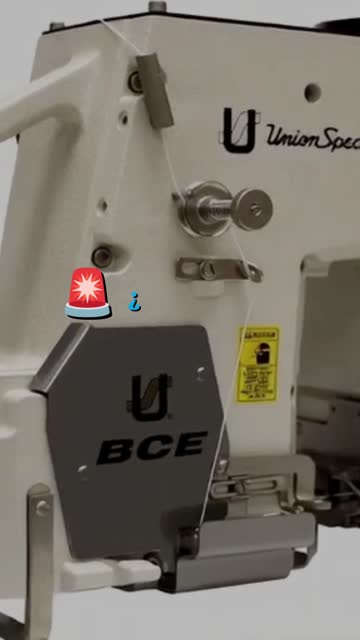
- TU LÍNEA NO TERMINA EN LA ENSACADORA.El ensacado es solamente una parte del proceso. Una línea eficiente debe considerar: Dosificación → Ensacado → Transporte → Paletizado → Enfardado Por eso trabajamos con fabricantes especializados como TMI y MF TECNO, integrando tecnología de ensacado y final de línea según las necesidades de cada planta. La pregunta no debería ser: “¿Qué máquina compro?” Sino: “¿Qué capacidad necesita realmente mi línea?” LOVATECH Ingeniería aplicada a la industria.
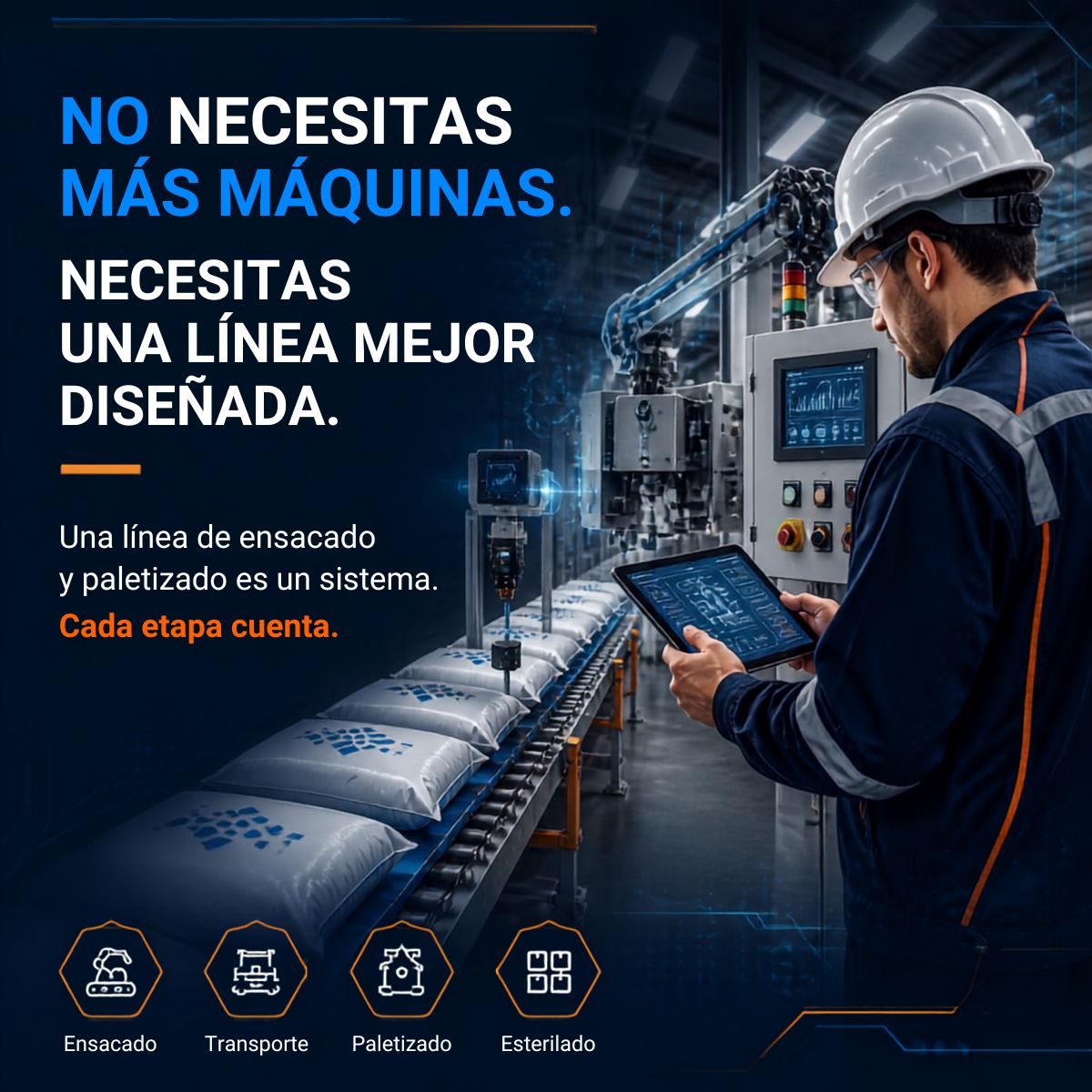
- En esta aplicación de MF TECNO en Turquía, el sistema trabaja con pan rallado, un producto que requiere especial cuidado durante el proceso de ensacado. En este tipo de aplicación, la tecnología debe considerar mucho más que la velocidad: 🔹 Dosificación precisa 🔹 Manipulación cuidadosa del producto 🔹 Llenado limpio 🔹 Compatibilidad con diferentes tipos de sacos 🔹 Cierre seguro 🔹 Integración con el resto de la línea Porque una buena solución de ensacado debe adaptarse al producto y al proceso, no al revés. En LOVATECH trabajamos
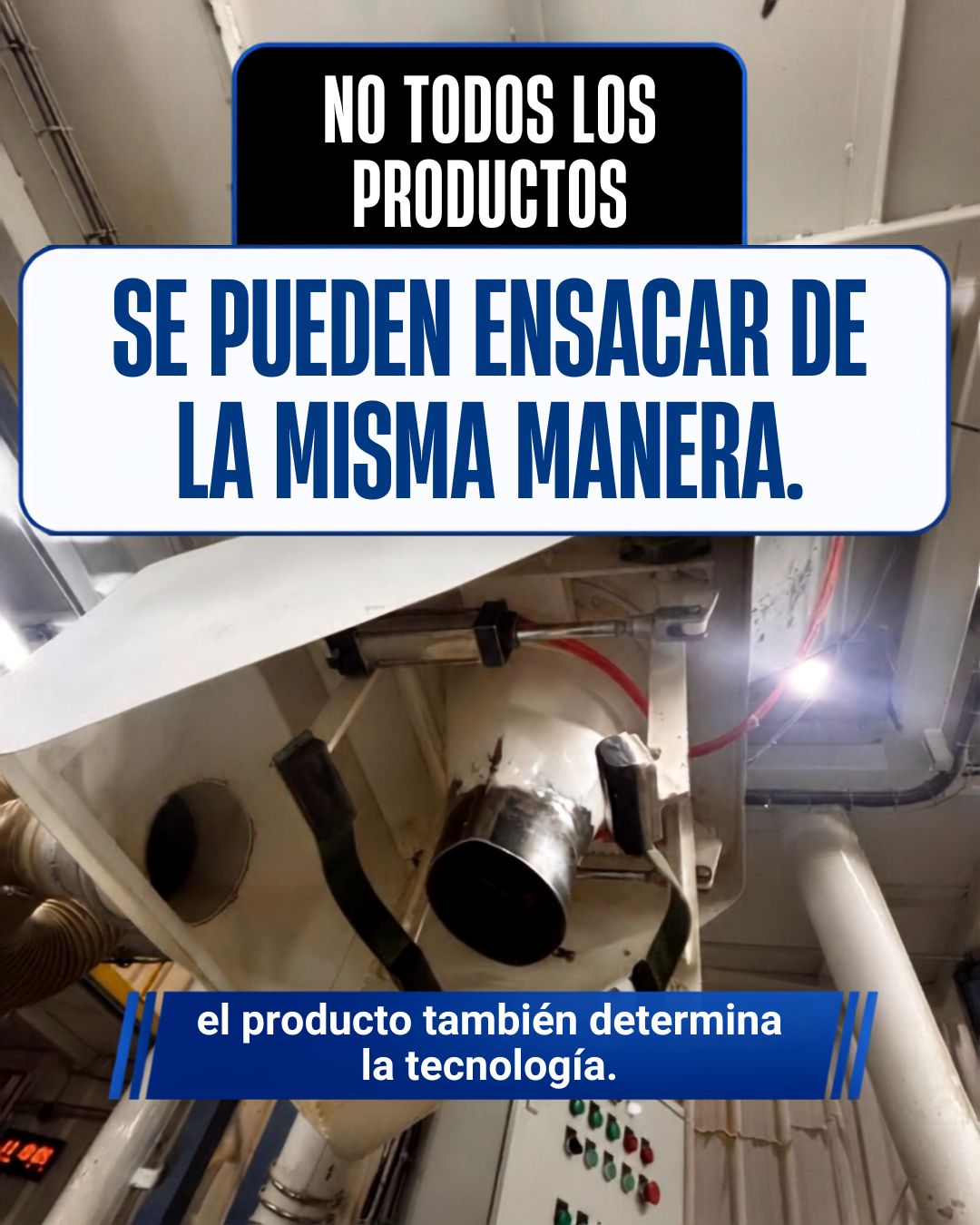
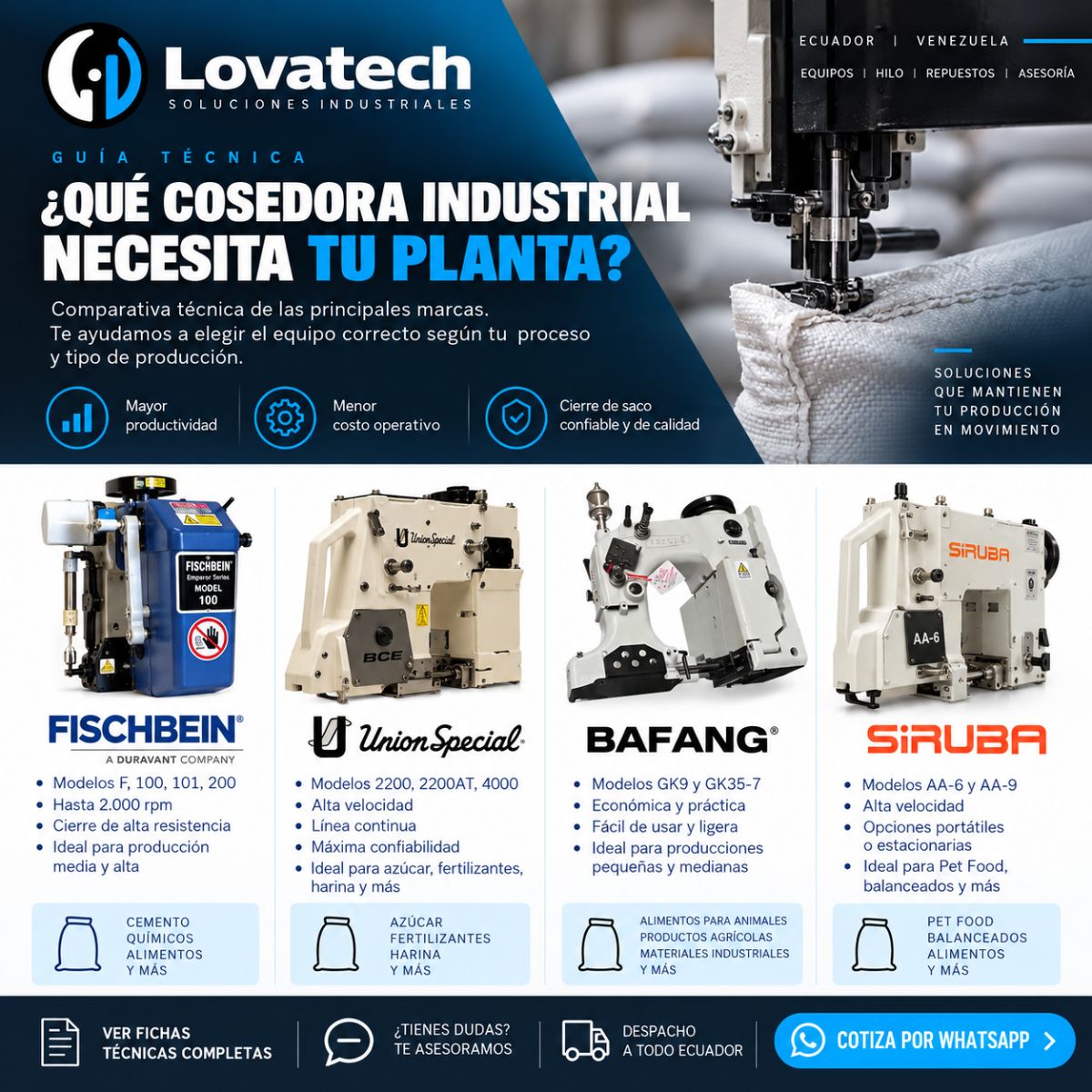
- Qué cosedora industrial necesita realmente tu planta? No todas las líneas de producción necesitan la misma cosedora. La elección del equipo puede impactar directamente en la productividad, el costo operativo y la calidad del cierre de los sacos. En Lovatech preparamos una guía técnica para ayudarte a comparar diferentes alternativas: 🔹 Fischbein — desde aplicaciones de menor escala hasta alta producción y sacos pesados. 🔹 Union Special — soluciones de alta velocidad para líneas continuas y aplicaciones como azúcar,
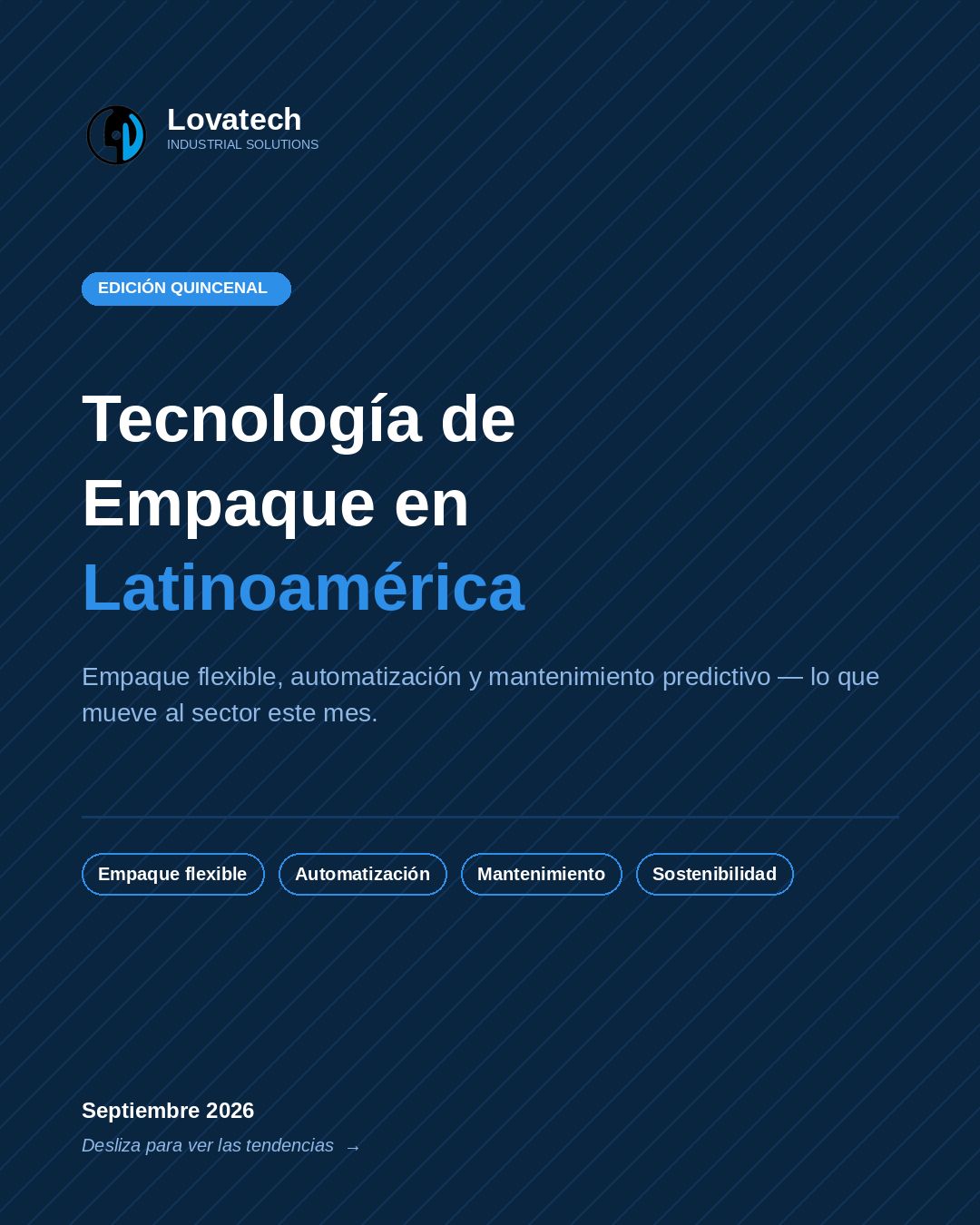
- Una planta puede tener excelentes equipos y, aun así, tener una línea mal diseñada. ¿Por qué? Porque una línea de producción no funciona por el rendimiento de una máquina aislada. Funciona por la interacción entre todos sus procesos. Puedes tener: ➡️ una ensacadora de alta velocidad, ➡️ un sistema de transporte adecuado, ➡️ un paletizador de alto rendimiento, pero si uno de los procesos no acompaña al siguiente, la capacidad real de la línea estará limitada. Por eso, antes de seleccionar un equipo, en LOVATECH analizamos algo más
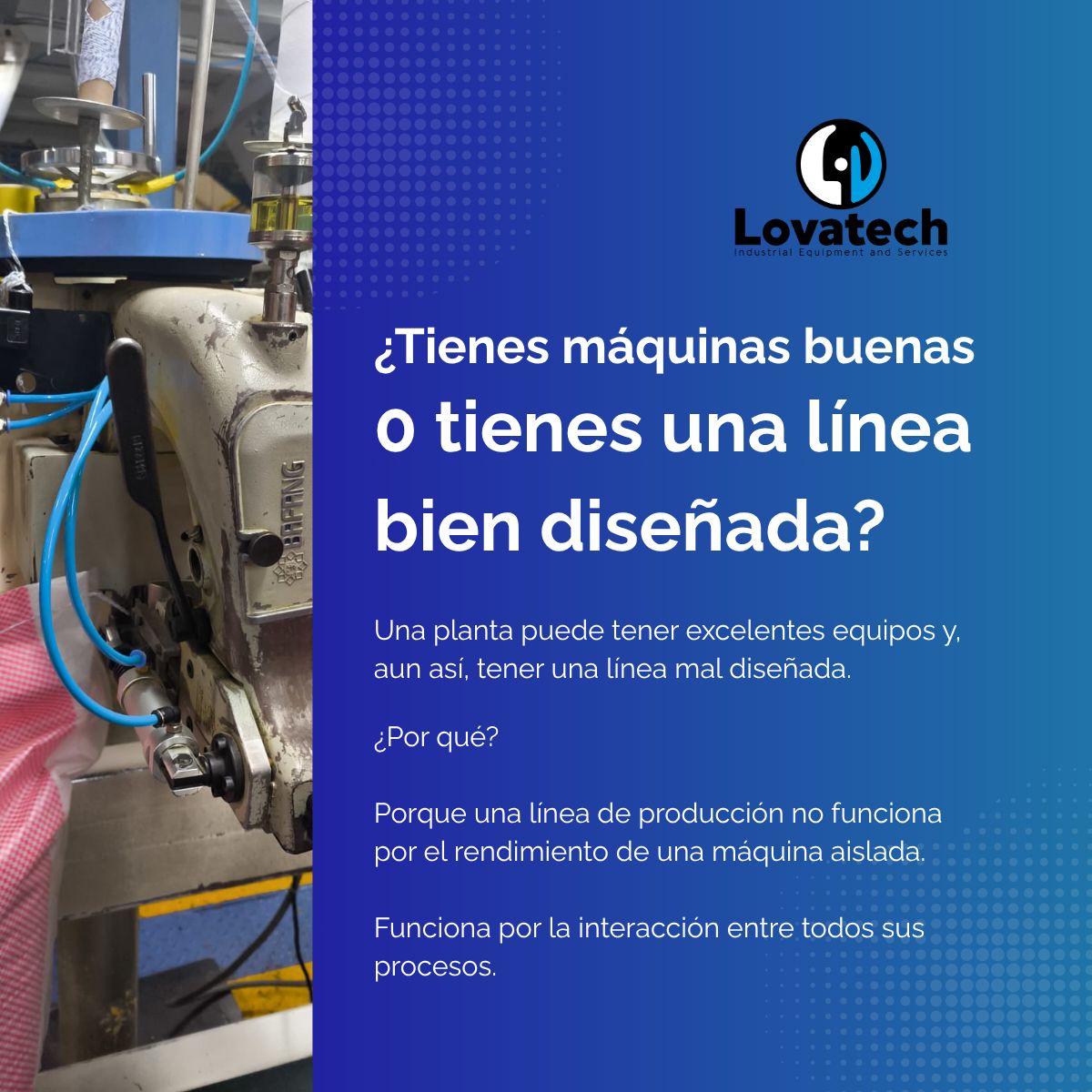
- El empaque flexible ya es el motor del packaging en Latinoamérica — y esto es lo que está moviendo al sector este mes 👇 📦 US$16.04B es el tamaño del mercado de empaque flexible en la región en 2026, con el 33.6% concentrado en alimentos y bebidas. Ecuador (Plasinca, Flexiplast) y Venezuela (Minibag, Plásticos Santa Cruz) sostienen la manufactura local. 🤖 La automatización ya no es solo un tema de robots: EXPO PACK México y Alimentec Bogotá 2026 confirman que la prioridad es la flexibilidad — cambiar de formato sin perder horas de
- Tu producción está creciendo, pero tu ensacado se quedó atrás? Cuando una planta aumenta su capacidad, no basta con producir más. El punto de ensacado también debe ser capaz de mantener el ritmo, adaptarse a diferentes formatos y entregar un saco consistente en cada ciclo. La ILERSAC W de TMI está diseñada precisamente para operaciones de alta capacidad: 🔹 Hasta 1.400 sacos/hora 🔹 Ensacado automático de productos granulados 🔹 Sacos de 10 a 50 kg 🔹 Compatible con sacos de papel, PP y PE, con o sin fuelles 🔹 Dosificación

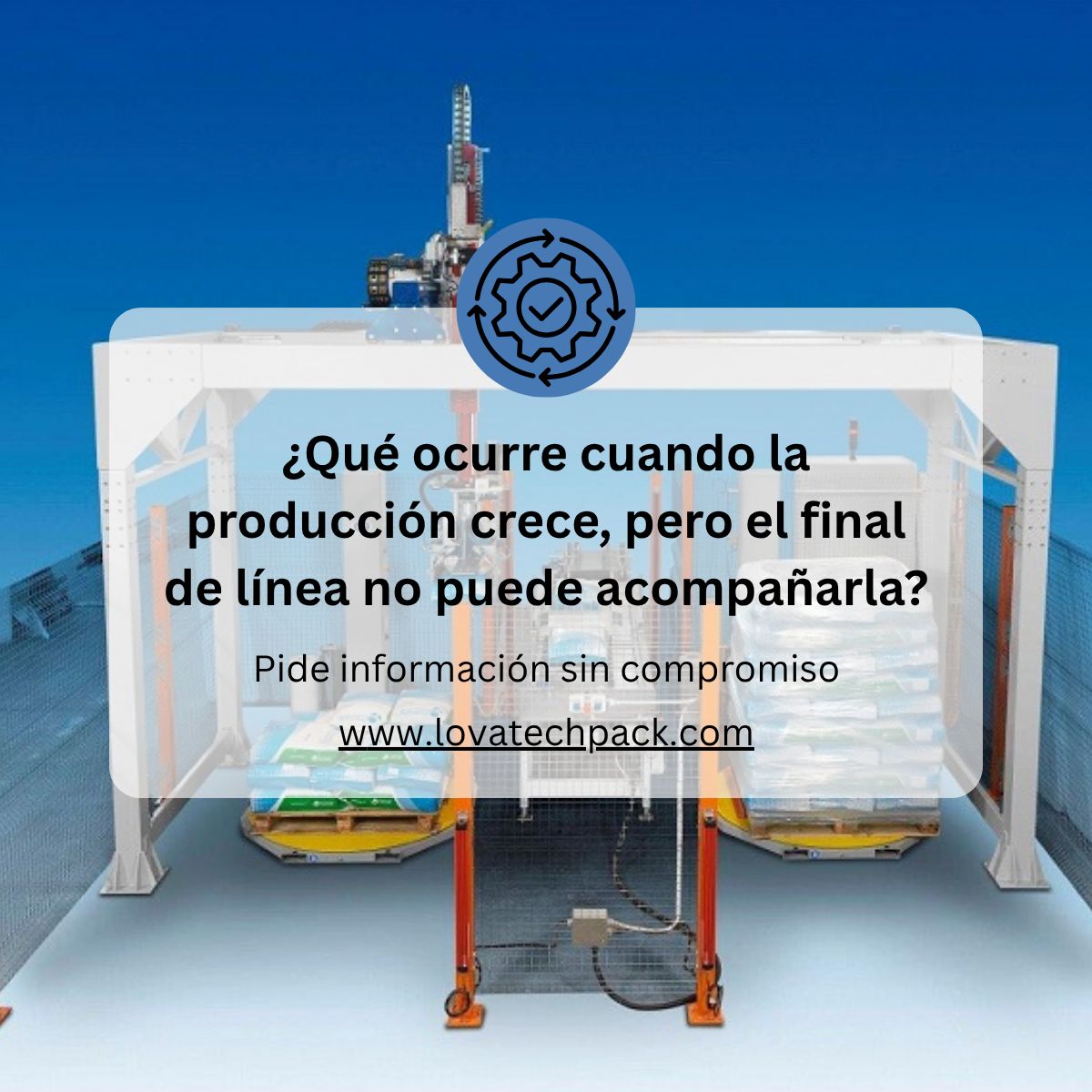
- Qué ocurre cuando la producción crece, pero el final de línea no puede acompañarla? Esta es una situación mucho más común de lo que parece en plantas harineras y otras industrias de productos ensacados. El problema no siempre está en la capacidad de fabricación. Puede estar en cómo se manipula, paletiza y prepara el producto para salir de planta. Un caso real que lo demuestra es Panificadora Conquense, empresa española especializada en la fabricación de harinas. En su proceso de evolución y automatización, la compañía buscaba
This page shows public professional information only, each fact cited. Is this you? send a correction, or ask for removal within 24 hours, no questions asked.