Insights & ideas
The through-line
Everything Maryam Imbumi says circles back to one commitment stated without hedging: "I decided I'm going to end malnutrition. I'm going to do it. I'm going to do something about it." [3] The consistent second half of that commitment is impatience with research that stops at publication. Her stated frustration is that "We do very good research and all that, and then we put the books on the shelf and we go to your company to look for a job" [3], and the work she describes since is an attempt to build the opposite: pathways that carry nutrition science into use. The arc visible across her own accounts runs from a researcher looking for an ecosystem that would let her move from academic work to real-world impact [3], to someone convening institutions across two continents and describing the point of those conversations as "bringing together research, institutions, and implementation pathways to move nutrition solutions into real use" [2].
On insects as the protein answer
The technical case she makes is a comparison of speed and yield. "You have an insect, a very small insect like this, and it's like 74% protein. You raise them in 8 weeks and you have the protein that you need. But how long do you have to raise a cow to have that much protein?" [3] The efficiency argument does the persuading: a small insect at roughly 74% protein reaching maturity in eight weeks against years of cattle rearing [3]. She pairs this with the regulatory opening, noting that the EU has approved mealworm and cricket for human consumption, including up to 4% insect powder in food products, which is what makes a European market for insect-enriched food available rather than hypothetical [3].
On why research does not reach people
Her diagnosis of the university system is blunt and structural. Research often produces no real-world effect because the researcher finishes the PhD, shelves the work, and goes to work for a company instead of building on the technology they themselves created [3]. The counterweight she identifies is environmental rather than individual: an ecosystem that surrounds researchers with active startups changes what happens next [3]. The same logic runs through how she frames institutional work, where the value of a meeting is measured by whether it connects research to implementation pathways [2].
On not working alone
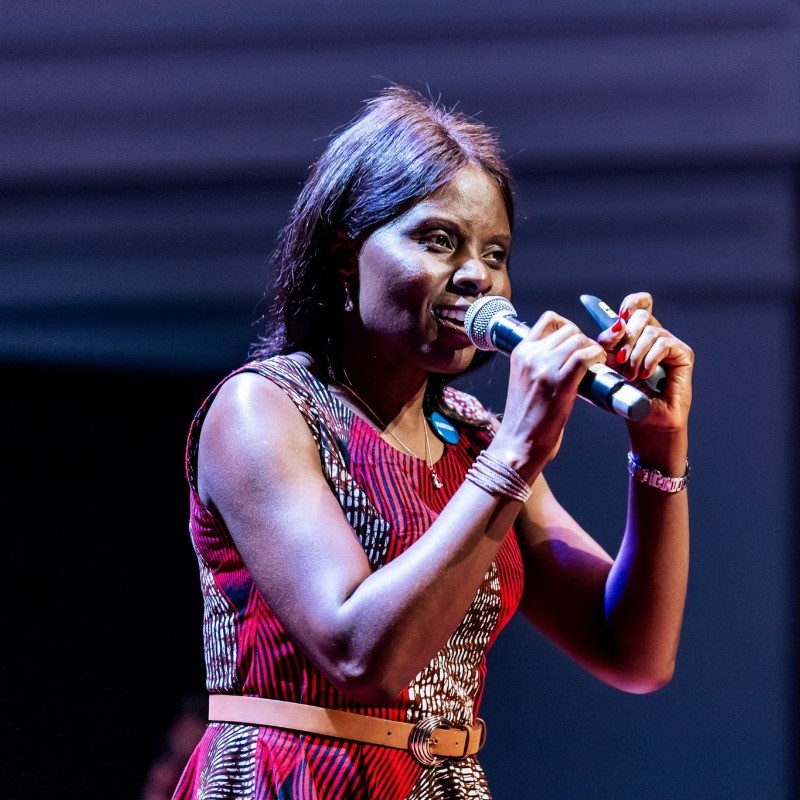
She treats isolation as the main failure mode for anyone attempting something hard. "If you sit alone in your room, you're going to give up because you see a challenge and you think you're the only one. Go to the people. Go to this environment." [3] Her description of entering that environment is physical and unguarded: "When I enter the winter circus like this, I want to dance. I want, you know, like do it, do it. Just do it." [3] The advice and the enthusiasm are the same point, that proximity to other people doing the work is what keeps the work going.
On building the Africa-Europe bridge
The collaborative work she reports is deliberately institutional. Discussions with the African Institute for Capacity Development (AICAD) opened possibilities for addressing malnutrition through evidence-based and preventive nutrition approaches in Kenya, Uganda and Tanzania [2], and she credits Prof. James Njiru, Ms. Gladys Mwaka and Prof. John Kinyuru for that opening [2]. Within months she describes the collaboration progressing into more substantive scientific, technical and institutional work, with continued engagement from Prof. James Njiru, Prof. John Kinyuru and Prof. Judith Kimiywe [1]. Her AICAD appointment as Adjunct Research Scientist she frames functionally, as "strengthening the research bridge between MaryaNutri's work in Belgium and our institutional work in East Africa" [1]. The geography keeps widening: the Africa-Europe Innovation Platform (AEIP) has facilitated further public-health matchmaking, including a prospective dialogue in Ghana [1].
On prevention as the frame
She does not describe her work as feeding people in crisis. The language is consistently preventive and evidence-led, addressing malnutrition "through evidence-based and preventive nutrition approaches" [2], and the tags she attaches to the work place it in public health and food security rather than emergency relief [2]. Alongside this sits MaryaNutri LNS as a distinct strand of current activity [1].
Takeaways
- The protein argument is one of time and yield: roughly 74% protein from an insect raised in eight weeks, against years for a cow [3].
- EU approval of mealworm and cricket for human food, including 4% insect powder in products, is what makes insect-enriched food commercially addressable in Europe [3].
- The failure mode of academic research is described precisely: "we put the books on the shelf and we go to your company to look for a job" [3].
- Surrounding researchers with active startups is the structural fix she names for the research-to-impact gap [3].
- Against isolation: "If you sit alone in your room, you're going to give up because you see a challenge and you think you're the only one. Go to the people." [3]
- Institutional collaboration is judged by whether it links research, institutions and implementation pathways, not by the meeting itself [2].
- The AICAD Adjunct Research Scientist role is framed as a bridge between MaryaNutri's Belgian work and East African institutional work across Kenya, Uganda and Tanzania [1][2].
In the news
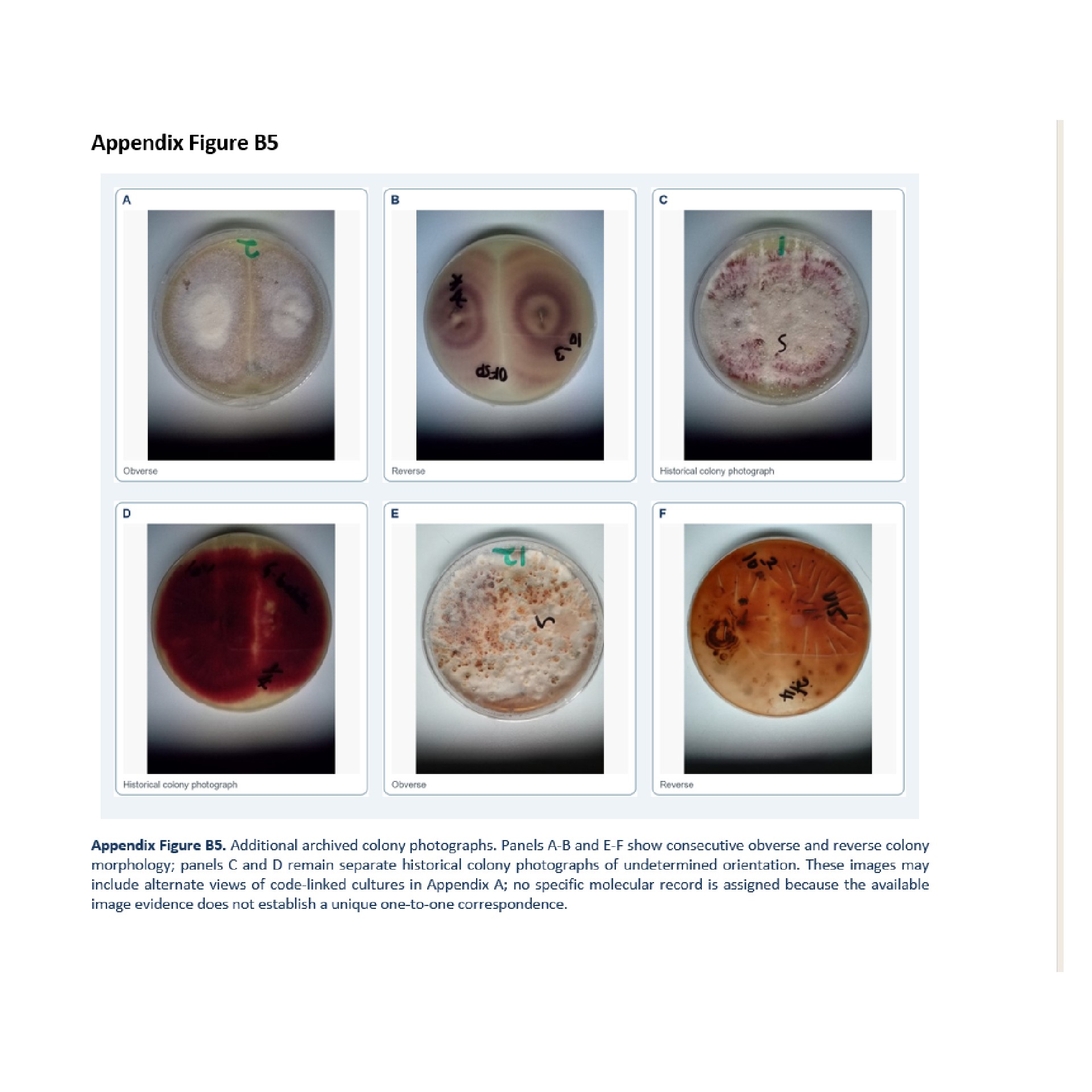
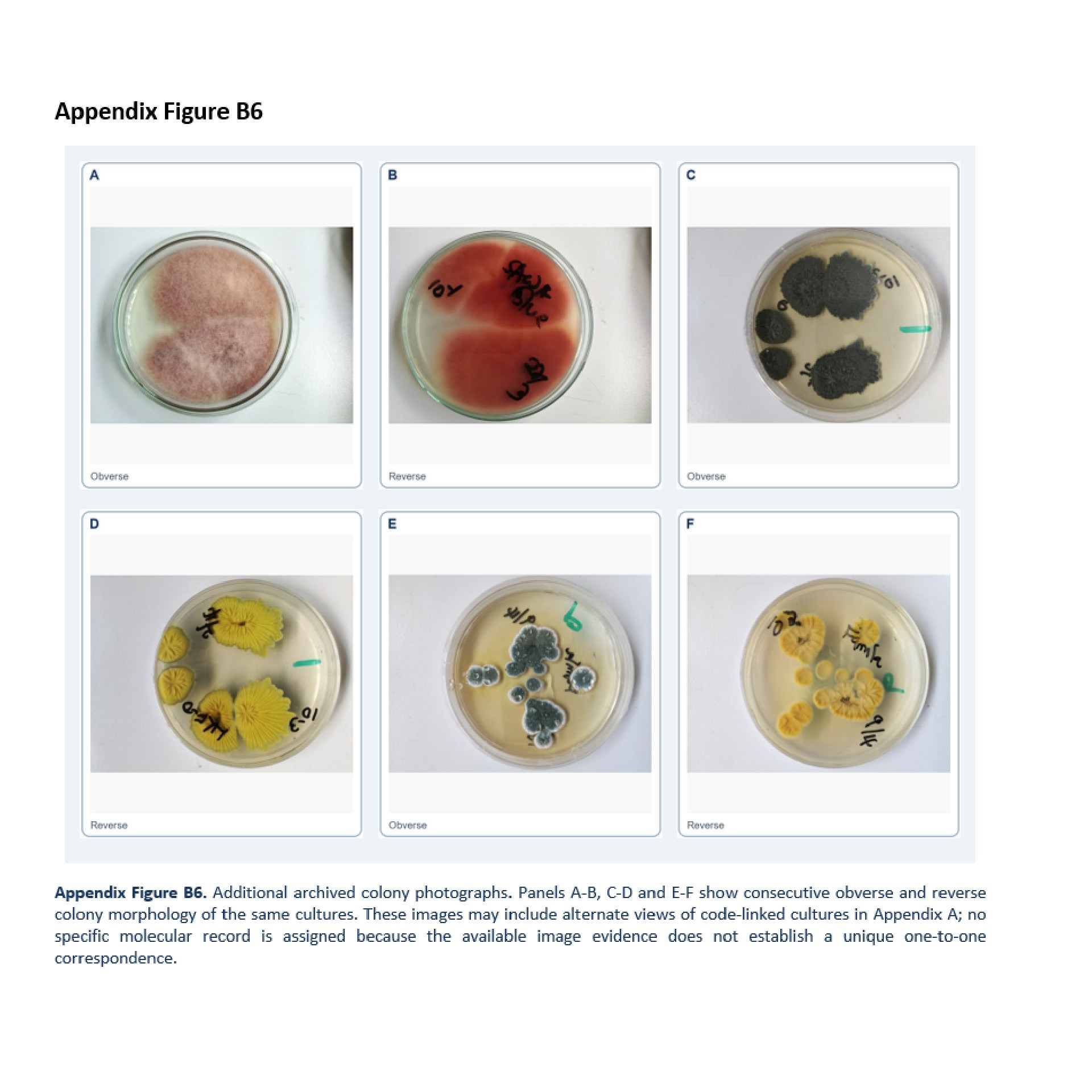
- 𝗡𝗲𝘄 𝗼𝗽𝗲𝗻-𝗮𝗰𝗰𝗲𝘀𝘀 𝗿𝗲𝘀𝗲𝗮𝗿𝗰𝗵 𝗳𝗿𝗼𝗺 𝗠𝗮𝗿𝘆𝗮𝗡𝘂𝘁𝗿𝗶’𝘀 𝗳𝗼𝘂𝗻𝗱𝗲𝗿 MaryaNutri is delighted to celebrate the publication of new research led by our founder, Maryam Imbumi: “Fungal contamination, mycotoxins, histamine, and allergen-related immunoreactivity in edible insects and insect-fortified complementary foods,” published by Frontiers in the journal 𝘍𝘳𝘰𝘯𝘵𝘪𝘦𝘳𝘴 𝘪𝘯 𝘍𝘶𝘯𝘨𝘢𝘭 𝘉𝘪𝘰𝘭𝘰𝘨𝘺. The study combines culture-based mycology, fungal morphology, DNA extraction, PCR, ITS and LSU D1/D2
- 𝗣𝘂𝗯𝗹𝗶𝘀𝗵𝗲𝗱 𝗿𝗲𝘀𝗲𝗮𝗿𝗰𝗵 I am delighted to share our article, “Fungal contamination, mycotoxins, histamine, and allergen-related immunoreactivity in edible insects and insect-fortified complementary foods,” now published by Frontiers in the journal 𝘍𝘳𝘰𝘯𝘵𝘪𝘦𝘳𝘴 𝘪𝘯 𝘍𝘶𝘯𝘨𝘢𝘭 𝘉𝘪𝘰𝘭𝘰𝘨𝘺. This is the most technically demanding piece of research I have completed so far. It took me through fungal culture and morphology, DNA extraction, PCR amplification, preparation of PCR products for Sanger sequencing, sequence
- 𝗠𝘂𝗰𝗵 𝗼𝗳 𝘁𝗵𝗲 𝗺𝗼𝘀𝘁 𝗶𝗺𝗽𝗼𝗿𝘁𝗮𝗻𝘁 𝗽𝗿𝗼𝗱𝘂𝗰𝘁-𝗱𝗲𝘃𝗲𝗹𝗼𝗽𝗺𝗲𝗻𝘁 𝘄𝗼𝗿𝗸 𝗵𝗮𝗽𝗽𝗲𝗻𝘀 𝗯𝗲𝗳𝗼𝗿𝗲 𝘁𝗵𝗲𝗿𝗲 𝗶𝘀 𝗮𝗻𝘆𝘁𝗵𝗶𝗻𝗴 𝘃𝗶𝘀𝗶𝗯𝗹𝗲 𝘁𝗼 𝗮𝗻𝗻𝗼𝘂𝗻𝗰𝗲. 🔬🧪 MaryaNutri continues advancing the scientific, technical and institutional pathway for 𝗠𝗮𝗿𝘆𝗮𝗡𝘂𝘁𝗿𝗶 𝗟𝗡𝗦, while strengthening collaborations in East Africa and exploring new public-health pathways across the continent. 🌍 We are grateful to Prof. James Njiru, Executive Director of the African Institute for Capacity Development
- A lot is moving quietly behind the scenes at MaryaNutri 🧪🌍 Since our June discussions with the African Institute for Capacity Development (AICAD), the collaboration has progressed into more substantive 𝘀𝗰𝗶𝗲𝗻𝘁𝗶𝗳𝗶𝗰, 𝘁𝗲𝗰𝗵𝗻𝗶𝗰𝗮𝗹 𝗮𝗻𝗱 𝗶𝗻𝘀𝘁𝗶𝘁𝘂𝘁𝗶𝗼𝗻𝗮𝗹 𝘄𝗼𝗿𝗸. I remain grateful to Prof. James Njiru Executive Director #AICAD, Prof. John Kinyuru and Prof. Judith Kimiywe for the continued engagement. 🤝 As part of this institutional collaboration, #AICAD has also appointed me as 𝗔𝗱𝗷𝘂𝗻𝗰𝘁
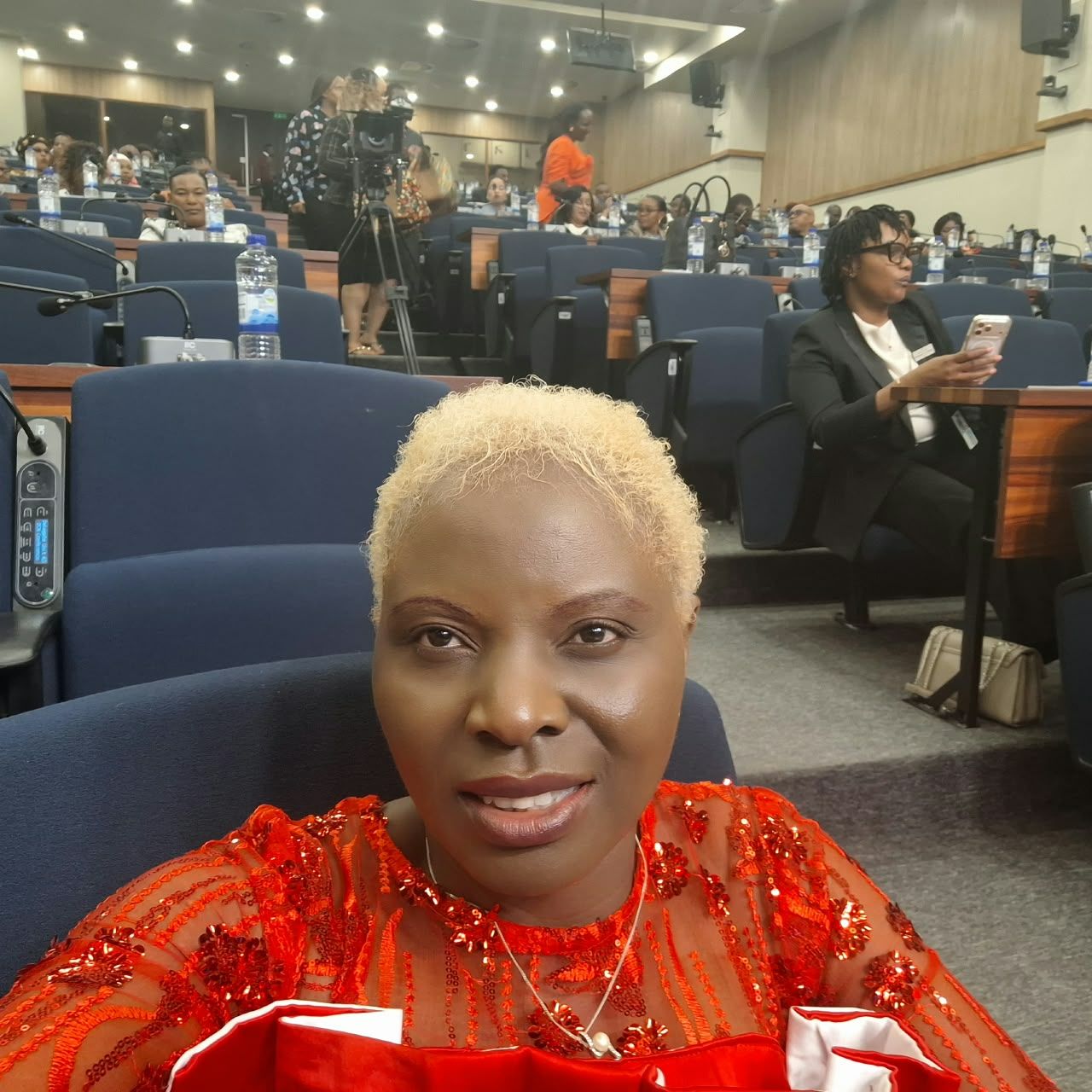
- I am glad to reshare this encouraging step for MaryaNutri. Today’s meeting with the African Institute for Capacity Development (AICAD) opened valuable discussions on possible collaboration to address malnutrition through evidence-based and preventive nutrition approaches in Kenya, Uganda, and Tanzania. These are the kinds of conversations that matter: bringing together research, institutions, and implementation pathways to move nutrition solutions into real use. It was a pleasure meeting Prof. James Njiru, Executive Director of
This page shows public professional information only, each fact cited. Is this you? send a correction, or ask for removal within 24 hours, no questions asked.