Overview
Matthias Browaeys, founder of crowdlending platform Winwinner, recounts starting the platform as a bachelor thesis project at Artevelde Hogeschool after spotting a gap in the Belgian market compared to the Netherlands. He explains Winwinner's model: entrepreneurs run 40-day loan campaigns, and since crowdlending is treated as own-capital contribution, it unlocks bank financing — his 'stapelfinanciering' (stacked financing) concept, on which he wrote a book. He shares numbers (400+ companies funded, €60M+ raised, ~2% default), the story of The Harbour (a funding advisory spun up while waiting for licenses), and plans for European expansion using a new EU crowdfunding license. He reflects candidly on struggling with credibility as a young marketer in finance, the value of strategic partnerships and experienced hires, Winwinner's unlimited-vacation policy, his TV appearances on Jonge Wolven and Goed Bezig, and the importance of a personal mentor.
Talks about
Insights & ideas
The through-line
Everything Matthias Browaeys says comes back to two ideas that sit on top of each other. The first is structural: financing is not a mix, it is a stack. "Iedereen zegt altijd de financieringsmix, maar ik spreek over stapelfinanciering, waarbij dat je elke financieringsmaatregel op elkaar moet gaan stapelen" [1]. Own capital and crowdlending form the bottom layers, and bank and government money can only sit on top once that base is solid [1]. The second idea is personal and, by his own account, the harder lesson: credibility is the scarce input, and a young founder rarely has enough of it on his own. He describes being laughed at by accountants when he first explained what he was building, "Allez, echt soms letterlijk uitgelachen" [2], and names as his biggest regret that he waited too long to partner with mature, credible firms and to hire experienced people, because as a young "rock and roll" marketer in finance his ego cost him standing with family offices and older investors [1]. "Toen kwam ik niet geloofwaardig genoeg over omdat ik veel te arrogant was en zei van: ik ga dat gewoon zelf doen en ik heb jullie allemaal niet nodig" [1].
The shift over time is from doing it alone to buying credibility deliberately, whether by selling a few percent of the company to an investor whose name opened doors [2], hiring people older than himself [1], or seeking a coach who works on the person rather than the P&L [1].
On stacked financing and what a bank actually is
The mechanism he keeps returning to is legal rather than rhetorical: crowdlending counts as own contribution, eigen inbreng, in the financing mix, which means the crowd round is what unlocks everything above it. "Hoe meer crowdlending dat je ophaalt, hoe makkelijker dat een bank gaat meegaan" [1]. Platforms are therefore complements to banks, not competitors [2]. This matters because the banks have moved: they now typically fund only around 60% and expect the entrepreneur to source the remaining 40% elsewhere [1], and even a yes usually covers just 50 to 60% of the need, so the rest has to be assembled [2].
He is blunt about what a refusal means. "Realiteit is gewoon: de bank is geen durfkapitaalfonds" [2]. If a bank says no, it is either because the finances are not right or because the dossier has gaps, and neither is fixed by resenting the bank [2].
On why expensive money can be the cheap option
The objection he hears most is the rate, and he answers it with arithmetic rather than reassurance. "Mensen zeggen ja, 9 procent is veel, maar als gij jaarlijks met 30 of 40 procent groeit, ja, dan is dat wel de delta tussen die 9 procent dat je betaalt en de groei van uw bedrijf" [1]. Financing at 8 to 9% is rational when the loan is what produces the growth; the comparison that counts is against not raising at all [1]. Note the same rate appears from the other side of the table: the crowd expects 7 to 9%, and rising loan rates to 8 to 9% have increased investor inflow [2].
On what makes a campaign actually fund
He compresses selection into SNOR: a sustainable business, a network the entrepreneur actively mobilises, a credible entrepreneur, and a competitive return [2]. Pure starters are hard to fund with loans, and offering 3% when the crowd expects 7 to 9% simply will not work [2]. The network criterion is the operational one. The first 10 to 20% of a campaign should come from the entrepreneur's own circle, and pre-warming that circle before going live manufactures momentum and FOMO: one campaign pre-financed to 60% closed within a day. "Die campagne was op 24 uur gefinancierd. Ik krijg telefoons achteraf van mensen die kwaad waren dat ze niet konden meedoen, gewoon puur omdat ze te laat waren" [2].
He also warns against treating the crowd as a quick fix. Screening, dossier preparation and going live take up to six weeks, the campaign then runs 40 days online, and only about 6 of 150 monthly applications reach the platform [2]. The entry bar is at least two filed annual accounts, demonstrable repayment capacity, a credible team, and co-financing from other parties; the platform refuses to be the last-resort or sole financier and will hold raised funds in escrow until the rest of the financing is confirmed [1].
On aligning your own incentives with the outcome
Revenue is weighted toward success fees, which he presents as a design choice rather than a pricing detail: there is no interest in listing campaigns that will not succeed [1]. The escrow mechanism works the same way, protecting lenders from funding a plan whose other layers never materialise [1]. The relationship with lenders is also meant to compound. Entrepreneurs who send quarterly newsletters to the people who lent them money find those same investors reinvest very easily in a second and third campaign, and the old updates become ready-made material for the next dossier [2].
On the crowd as a class of investor
The money arrives in small pieces. "Gemiddeld ticket bij ons ligt op €2000 per investeerder. Dat zijn geen grote tickets, maar als ge al die kleintjes kunt gaan samenrapen... dan kun je wel financiering gaan voorzien" [2]. His advice to those investors is diversification, plainly stated: "Liever €1000 in 10 bedrijven dan €10.000 in één bedrijf steken" [2]. What draws them is not primarily yield but emotional proximity and the calm of knowing exactly which local business the money supports, in contrast to volatile stock markets, and that volatility has worked in the platform's favour [2].
On credibility you cannot earn alone
Alongside the regret about partnering too late [1], he makes the positive case: taking a strategic investor for 10 to 20% early can buy credibility a young entrepreneur cannot generate himself. WinWinner sold a few percent to an investor and, purely on his name, "so many doors opened" [2]. The early scepticism he met from the financial establishment is the backdrop, along with the encounter he recounts where a dismissal turned into an opening: "Hij zei: eigenlijk zou ik je onmiddellijk moeten buiten sturen, maar ik vind het super sympathiek... hier is mijn kaartje" [1]. He is also aware of being on the receiving end of that dynamic himself: "Ik heb u, ik heb Jonge Wolven gezien en het is door u dat ik ben beginnen ondernemen" [1].
On paying yourself and building something that lasts
Rather than deferring everything to an exit, the founders set a hard KPI of paying themselves slightly more each month, €500 then €750 then €1000, which forced early revenue discipline and made the venture sustainable [1]. The same structural instinct governs how he reads burnout: if someone works to exhaustion, misses targets and barely takes holiday, the problem is job content, environment or motivation, not the number of vacation days, which is why vacation is unlimited and tied to KPIs [1]. For himself the equation resolves differently: "Ik werk super graag, want ik voel niet dat ik aan het werken ben" [1]. He recommends finding a business coach who gets to know the person you are as a manager and leader, not one who only shows you how to make more revenue and profit: "Zoekt u ook een business coach die de persoon die ge zijt als manager of als leider beter leert kennen, want dat is key om te blijven ondernemen" [1]. And on pace, he is optimistic: "Op een jaar kan ik wel zeggen: je kunt echt wel heel veel doen in een jaar" [1].
On outgrowing the home market
He judges that Belgium is not yet mature for crowdlending, and that the same effort spent in a ready market would have produced much faster growth [1]. The response is expansion rather than patience: a new European license is being used to explore the Netherlands and France, possibly through joint ventures [1].
Takeaways
- Treat financing as a stack, not a mix: own capital and crowdlending at the bottom, bank and government money only on top of a solid base [1].
- Crowdlending counts legally as eigen inbreng, so the more you raise from the crowd, the more a bank will co-finance, especially now that banks fund only around 60% and expect you to find the other 40% [1][2].
- A bank refusal is a diagnosis, not an injustice: "de bank is geen durfkapitaalfonds" [2], so fix the finances or the gaps in the dossier.
- Judge the cost of capital against growth, not against zero: 9% is cheap if the money produces 30 to 40% annual growth [1].
- Line up the first 10 to 20% of a campaign from your own network before going live; a campaign pre-financed to 60% was fully funded in 24 hours [2].
- Price the return to the market, not to your comfort: the crowd expects 7 to 9%, and 3% will not fund [2].
- Buy credibility early rather than insisting you do not need it: selling 10 to 20% to a strategic investor, or hiring experienced people, opens doors ego keeps shut [1][2].
- Send your lenders quarterly newsletters; they reinvest easily in later campaigns and the updates become your next dossier [2].
- Set a rising founder salary as a KPI instead of waiting for an exit, and read chronic overwork as a structural problem in the role, not a holiday allowance problem [1].
In the news
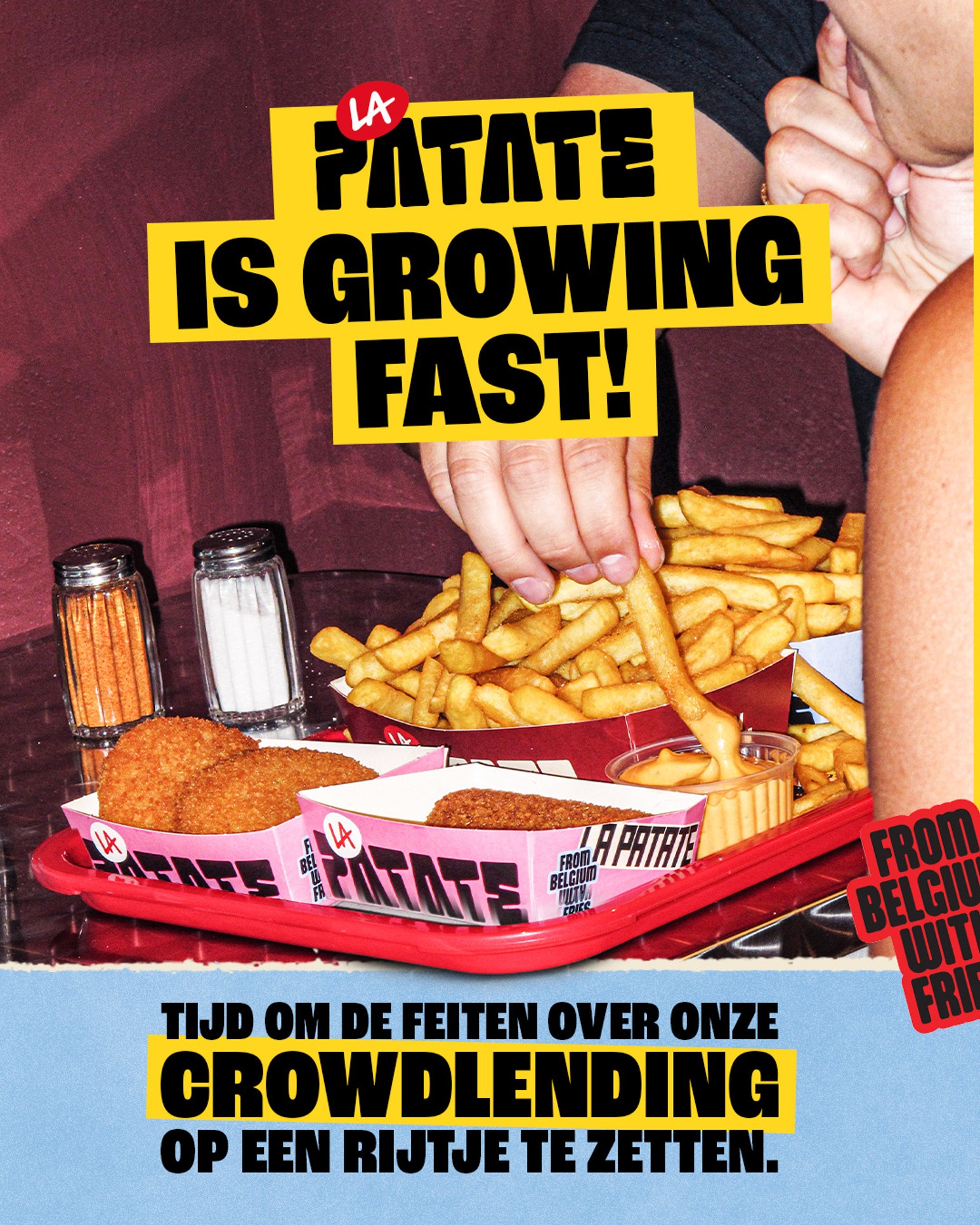
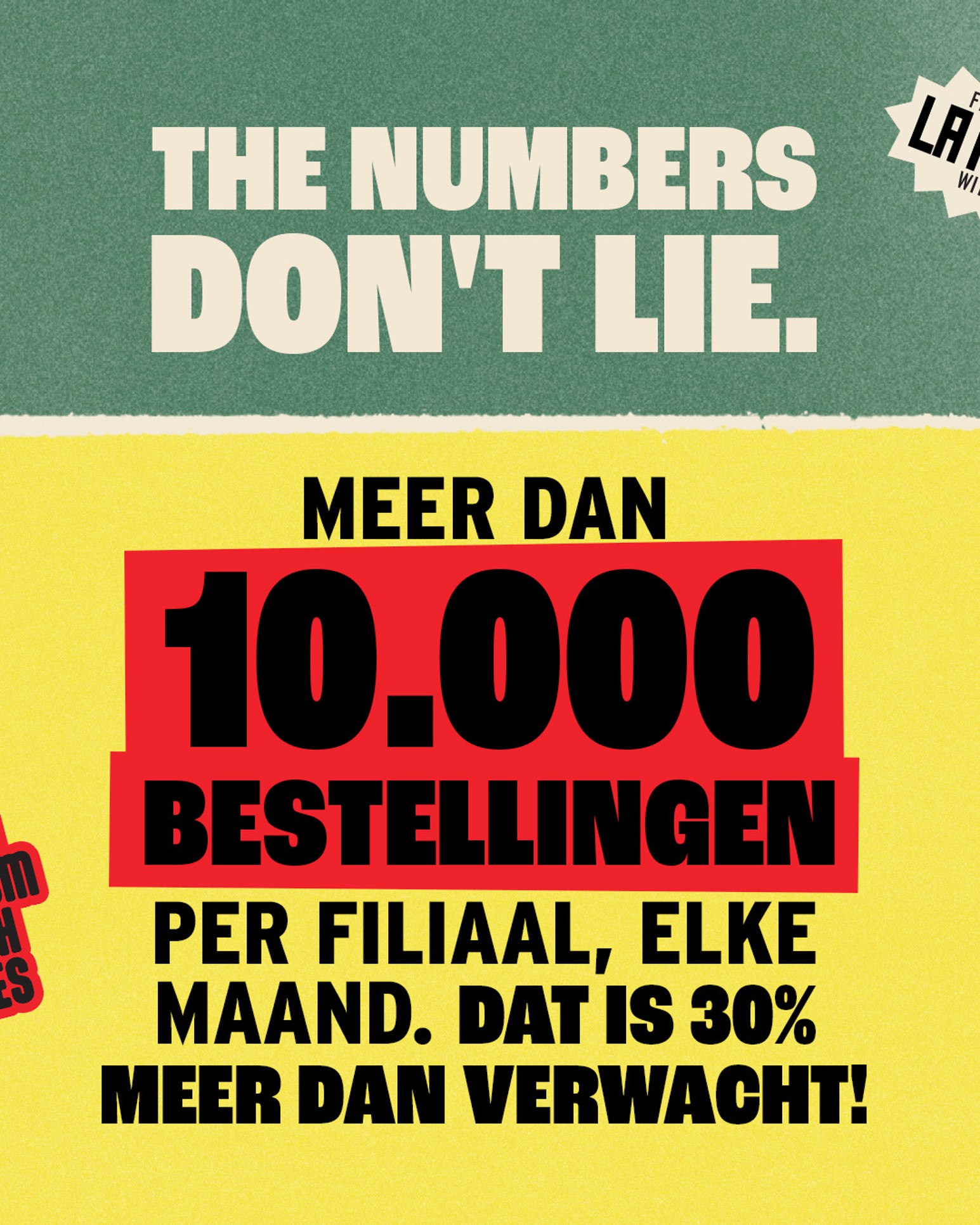
- BEKIJK – Winwinner over de crowdlending van frituurketen La Patate: ‘De kritiek is opgeblazen’De crowdlendingcampagne van La Patate, die woensdag een miljoen euro opleverde, lokt vragen uit over het rendement en de risico’s voor de investeerders. Matthias Browaeys van crowdlending- en crowdfundingplatform Winwinner vindt de kritiek overdreven. Hij licht toe hoe het platform werkt, hoe crowdfunding evolueert en waarom hij achter de campagne staat.
The post BEKIJK – Winwinner over de crowdle
DataNews · 9 Sept 2026
- Ik denk dat de record closing bij Winwinner de sublieme campagne was van Xavier, bezieler en ondernemer van Brouwerij De Halve Maan. Ik denk we hier kans maken op een verbetering van het Olympisch record. Toegegeven, het zijn andere bedragen, maar ik denk dat we met bier en Vlaamse friet het ondernemersgevoel van de bevolking nog wel boven water krijgen. Matthias Browaeys, hou jij de scores bij? 😎
Related profiles

This page shows public professional information only, each fact cited. Is this you? send a correction, or ask for removal within 24 hours, no questions asked.