
Career history
- Nzonzi studioCurrent
Insights & ideas
The through-line
Two preoccupations run through everything Mike Tauliaut writes: pride in African and Caribbean heritage, and a hard-nosed philosophy of how businesses and creative projects actually succeed. The cultural strand centers on Nzonzi Studio and its mission "to promote african an afro-descendant culture to the world" and to show "young african to don't be ashame of their culture" [1]. The business strand has shifted over time from a belief in talent to a belief in boldness: "For a long time, I believed it was a matter of gift, but over time, I realized that the true key lies in boldness" [11]. Similarly, his view of trust moved away from technical mastery toward posture and communication: "it is not always necessary to have perfect mastery of a product or service... what makes all the difference is the confidence you exude" [9]. Across both strands, the constant is that surface impressions, whether cultural stereotypes or investor pitches, are less durable than substance built over time.
On African and Caribbean representation
Tauliaut frames Nzonzi Studio explicitly as a corrective to the idea that African and Caribbean tradition is "evil and diabolical," insisting instead that "our culture are beautiful" [1]. He draws directly on his own island's folklore, describing "the mabouya," a "legendary creature from my island, Guadeloupe... regarded as a mischievous spirit," as a touchstone for the studio's storytelling [2]. On the project Ojú Miwa, he explains why not all characters are explicitly African: it is "an Afro-fantasy mural that boldly celebrates cultural diversity," where "strength lies in our shared, multifaceted heritage" [13]. This extends to community: after attending an Ochala Gallery exhibition, he wrote of "those who believe in the unity of Caribbean, African, and Afro-descendant communities" as a source of shared conviction [15].
On trust and credibility
Tauliaut treats trust as a deliberately built asset rather than a byproduct of expertise. He argues "Gaining your clients' trust is the key to success" and that it rests on "a clear offer, tangible results, an authentic face, and sincere communication," built "over time, through consistent proof of your seriousness and expertise" [4]. He goes further, arguing confidence itself can substitute for knowledge: "A confident posture, a credible presence, can compensate for a lack of technical knowledge," likening it to "the white coat effect in the medical field" [9]. He also names the dark side of this logic, describing entrepreneurs who "fabricate false data, invent backgrounds, inflate their revenue, or embellish their history" to appear credible to investors [10].
On boldness and execution
Tauliaut separates having ideas from delivering them. As a screenwriter who also directs at Nzonzi Studio, he insists "Having brilliant ideas is not enough. What makes all the difference is the power of execution," and warns that "a bad direction can destroy the magic of a good story" [6]. This pairs with his conviction that "boldness" rather than talent separates entrepreneurs who advance from those who stagnate, describing it as the willingness "to try, to fail, then get back up and try again" [11]. He extends the execution ethic to production quality itself, warning clients against cutting corners on storyboards because "quality and expertise come at a cost" and shortcuts "end up costing much more later" [3]. He also stresses focus over reach, arguing that targeting a broad audience "can quickly become counterproductive" compared to defining "an ideal clientele" [12].
On building a business that outlives its founder
Tauliaut frames founder dependency as a trap: "Does your business operate without you? If the answer is no... you haven't built a real business, but a golden prison" [8]. He ties this to sustainability and personal health, arguing that solid processes let "your team and your business operate independently of your presence," concluding "A healthy business is one that can run without its founder" [8].
From the stage
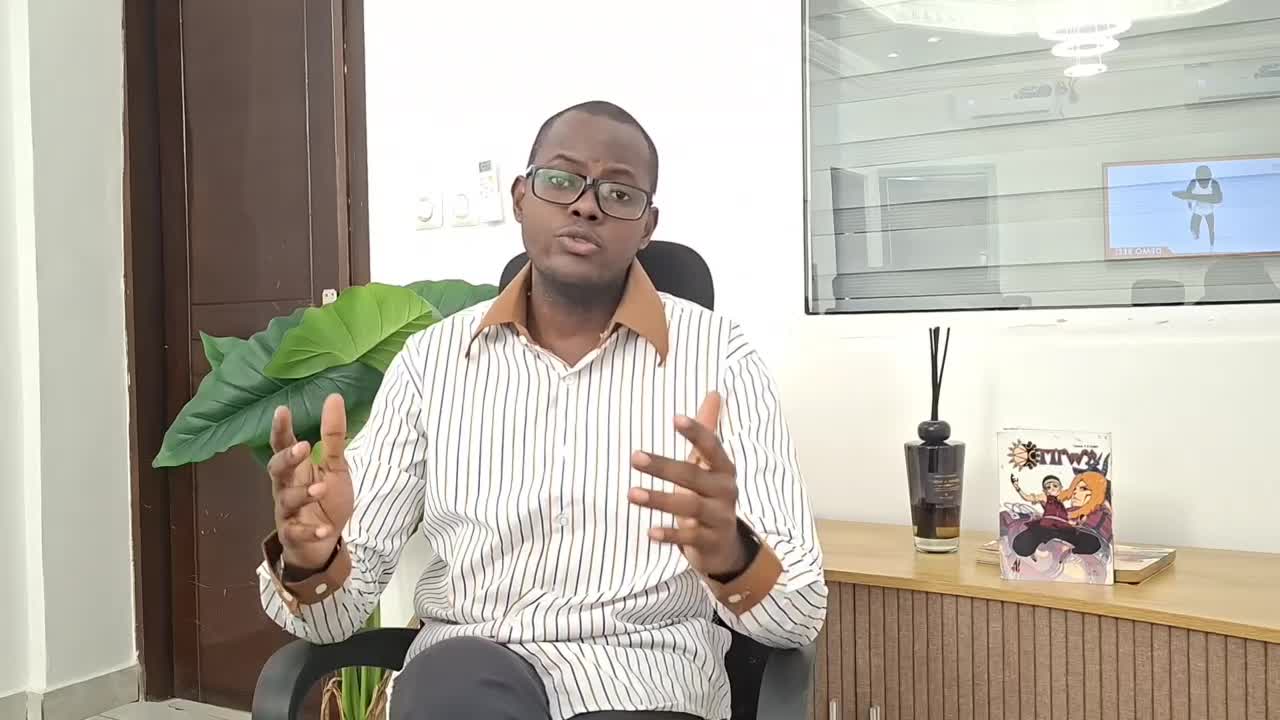
In the interview title itself, framed around his work on Ceddo at Nzonzi Studio, Tauliaut is described as someone who "participe à la rédaction d'une histoire authentique," pointing to hands-on involvement in scripting an authentic narrative for a specific project not named in his written posts [16].
Takeaways
- Nzonzi Studio's stated purpose is to counter stereotypes about African and Caribbean culture and give young Africans pride in their heritage [1].
- Ojú Miwa is built to celebrate cultural hybridity rather than strict ethnic representation, drawing on both Caribbean and African folklore [13].
- Client trust, in his view, is built less on flawless expertise and more on consistent, confident communication over time [4][9].
- He warns against cheap storyboard shortcuts in manga/animation production, since redoing inconsistent work costs more than paying for quality upfront [3].
- Business growth depends on targeting a specific audience rather than casting a wide net [12], and on building processes so the business can run without the founder [8].
- He now attributes entrepreneurial success primarily to boldness and willingness to fail and retry, not innate talent [11].
Media & appearances
In the news
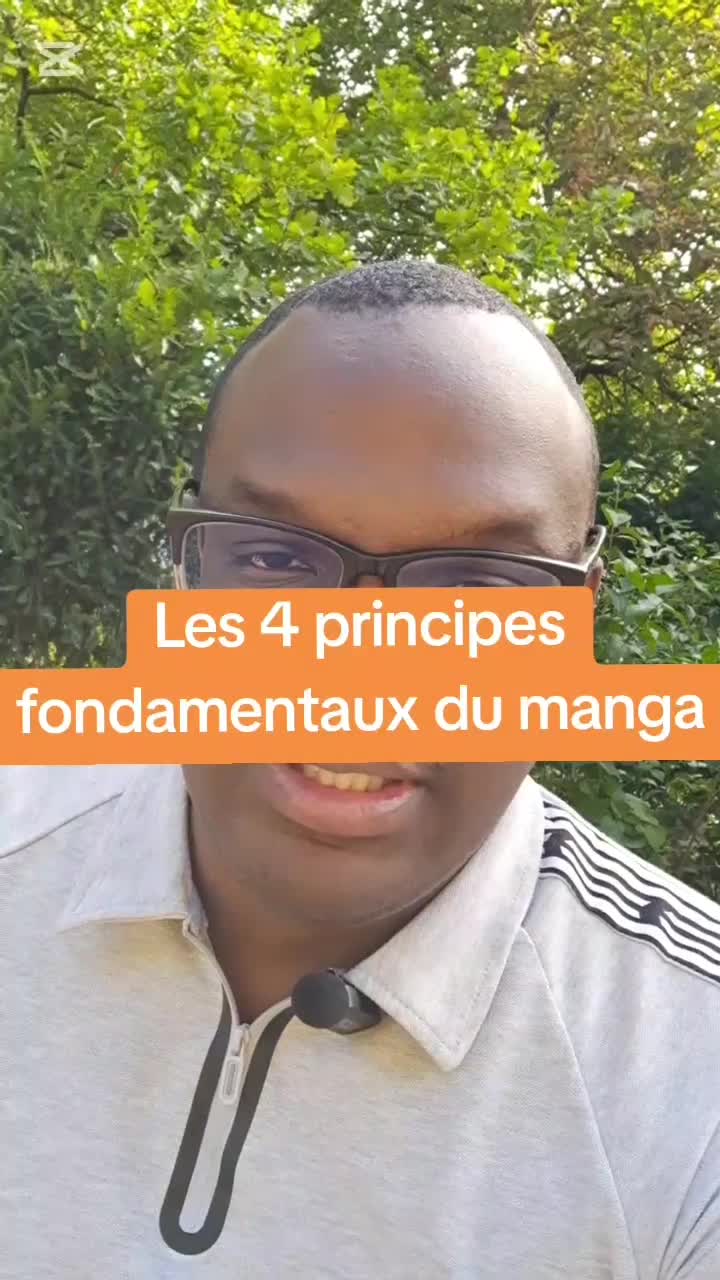
- Les 4 principes fondamentaux du manga, inspirés du livre Manga in Theory and Practice de Hirohiko Araki ! ✍️ 🎨 On vous explique les bases essentielles pour construire un manga efficace et captivant. 🔥 Vous souhaitez aller plus loin et apprendre à créer votre propre manga ? Nous proposons également des formations ! 🌐 Retrouvez-nous sur nzonzi-studio.fr 📩 Contactez-nous pour en savoir plus ! #Manga #Mangaka #DessinManga #FormationManga #NzonziStudio
- Un bon background donne vie à votre univers et renforce l’ambiance de chaque scène. 🏞️ Chez Nzonzi Studio, nous créons des décors adaptés à votre direction artistique et à l’identité de votre projet. ✨ Animation, manga, jeu vidéo ou illustration : nous donnons de la profondeur à vos histoires. 📩 Un projet en tête ? Contactez-nous à contact@nzonzi-studio.com #Animation2D #BackgroundArt #ConceptArt #AnimationStudio #NzonziStudio
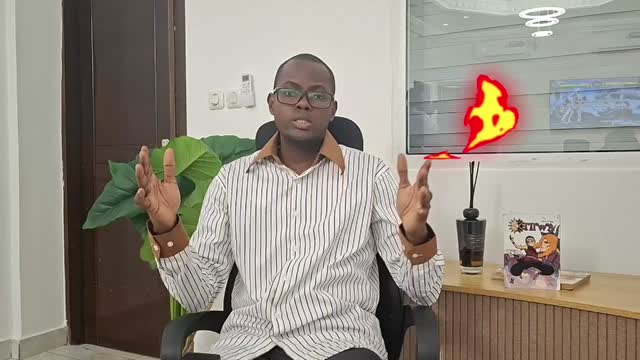
- Un accompagnement sur mesure sur tous vos projets d'animation. Demandez votre devis à contact@nzonzi-studio.com. Et ensemble faisons de votre rêve une réalité!!
- On en a fait du chemin et on a encore beaucoup de chemin à parcourir
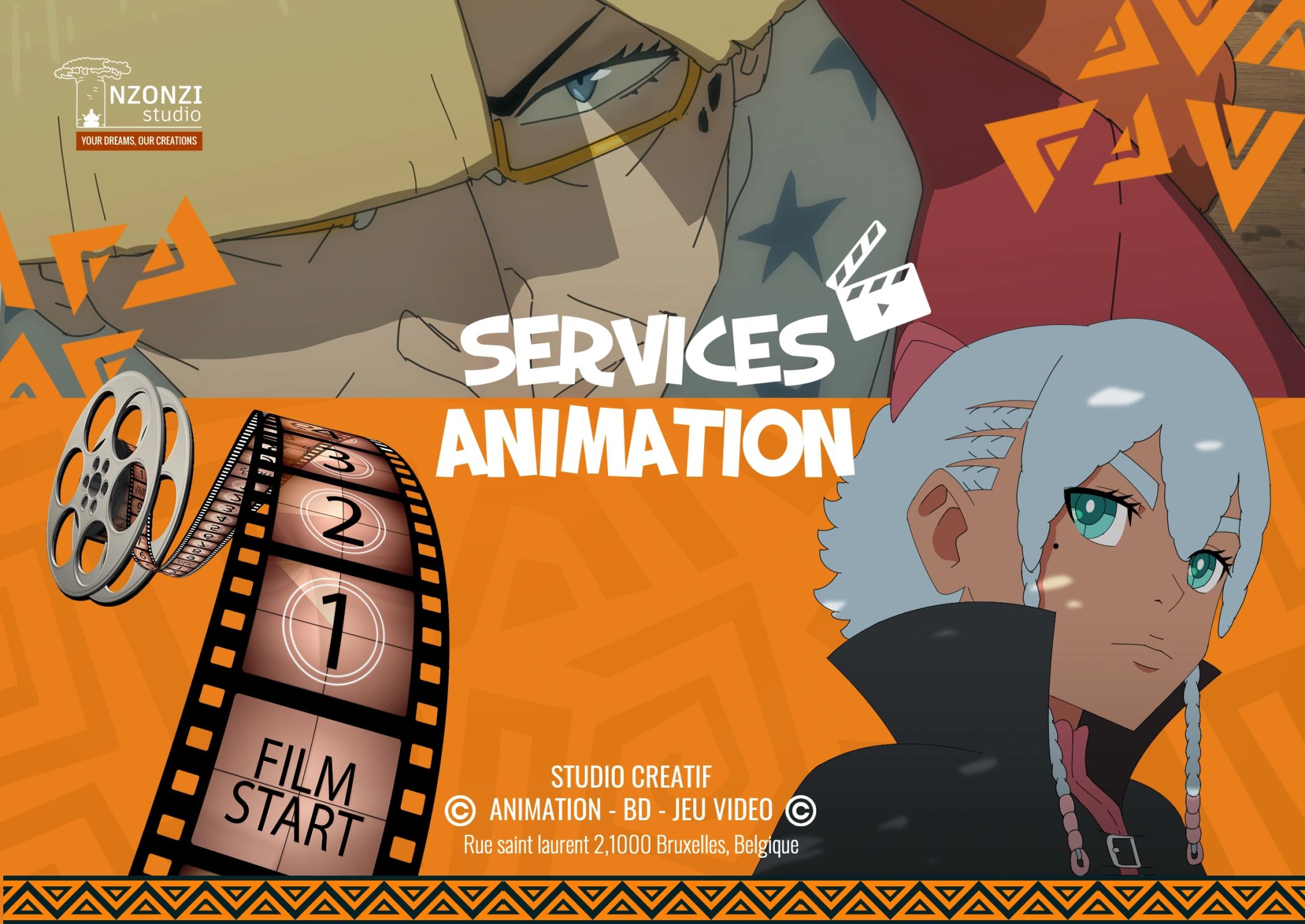
- Vous avez un projet d’animation et cherchez un studio capable de vous accompagner avec qualité tout en maîtrisant les coûts ? Chez Nzonzi Studio, nous accompagnons les studios, agences et éditeurs sur leurs productions en animation 2D, spots publicitaires, séries, films, motion design et bien plus. En tant que cofondateur, je suis également en charge du développement commercial du studio. Si vous avez un projet à produire ou un besoin de renfort sur votre pipeline, n’hésitez pas à me contacter. 🤝 🌍 Découvrez nos services :
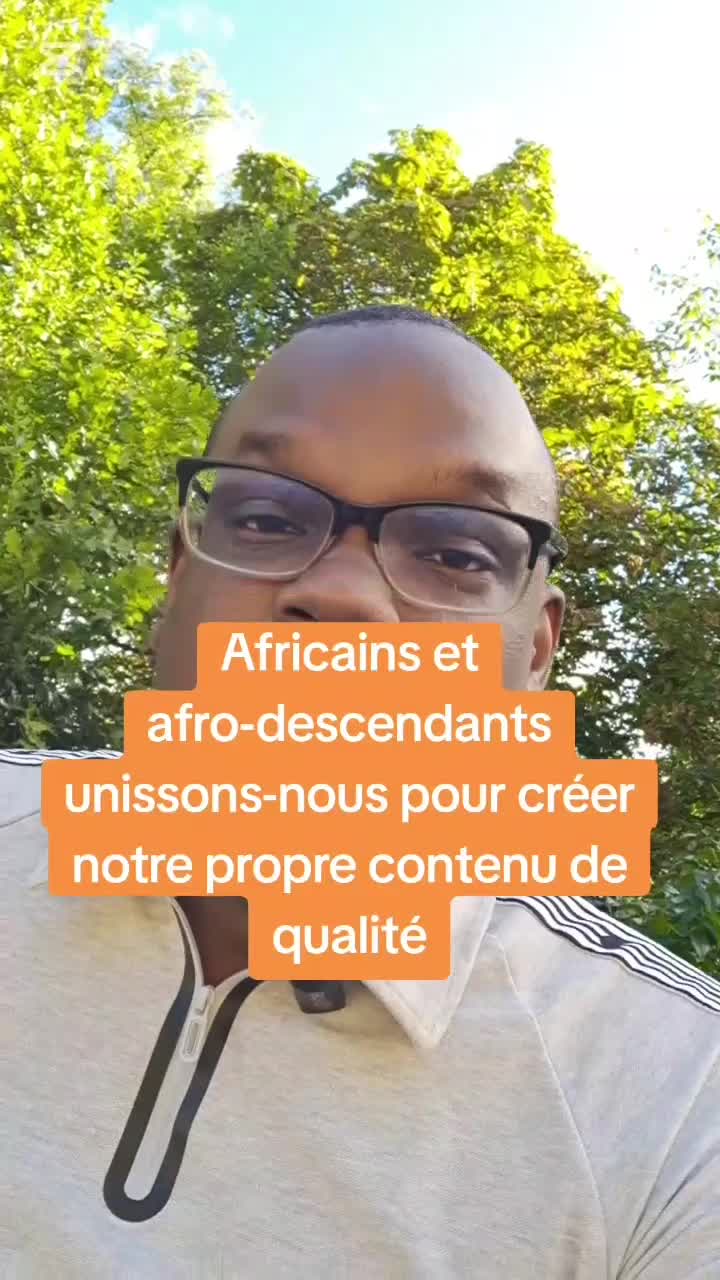
- Africains et afro-descendants, unissons-nous pour créer nos propres contenus de qualité. 🎉 Ensemble, faisons rayonner nos cultures à travers le monde. 💪 Et pour cela, il nous faut investir dans nos artistes. #CultureAfricaine #FiertéAfricaine #InvestirDansNosArtistes #RayonnementCulturel #UnitéAfricaine
- Nous vous dévoilons l'histoire d'Ojú Miwa, notre manga afro fantasy inspiré des cultures africaines et caraïbéennes. 🎯 On vous parle du protagoniste Meji et de son objectif. 🔔 Abonnez-vous à Nzonzi Studio Visitez notre site: https://lnkd.in/epw74bmK #fantasy #afrique #manga #story #caraïbe

- Il est primordiale que les africains et afro-descendants investissent dans leurs artistes. Car c'est de cette manière qu'une fierté culturel se créait dans un pays, puis s'exporte à l'internationale où elle s'intégre dans la culture des autres. Comme l'on fait les japonais et américains. Nous devons aussi faire de même. Suivez nous sur https://lnkd.in/epw74bmK #nzonzistudio #afrique #caraïbes #fiertéculturelle #investissement



This page shows public professional information only, each fact cited. Is this you? send a correction, or ask for removal within 24 hours, no questions asked.