
In the news
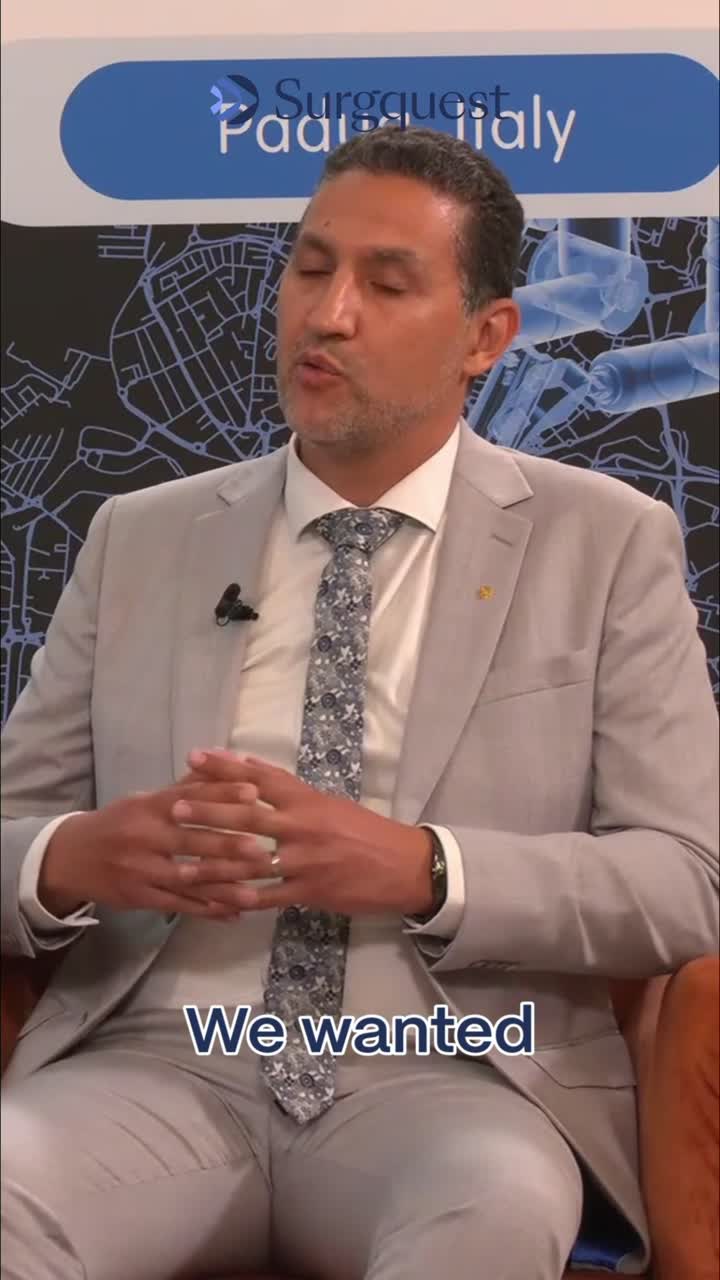
- Once telesurgery has been demonstrated across 11,000 kilometres, what comes next? During ERUS Spotlight, Dr. Youness Ahallal reflects on the Shanghai-Casablanca telesurgery experience, during which he worked with approximately 200 ms of latency. He also discusses what followed in Morocco: using telesurgery to operate on patients remotely and support surgical colleagues based in other cities. Together, these experiences show how the conversation around telesurgery is moving beyond distance towards exploring how the technology can
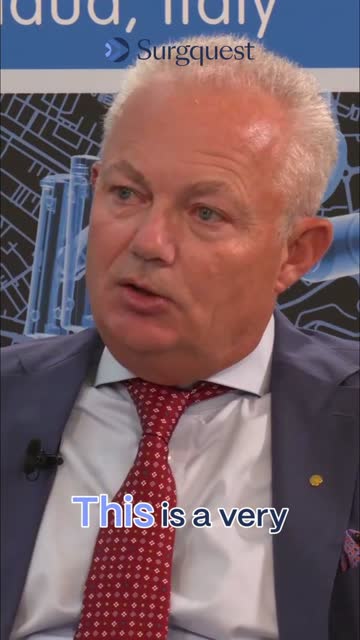
- What happens when an unexpected diagnosis changes the way you look back at a surgical case? During ERUS Spotlight, Prof. Dr. Alex Mottrie reflects on a particularly unusual case involving a patient who was found to have a pheochromocytoma. The case is a strong reminder of how quickly the unexpected can enter the operating room, and why clinical judgement, preparation and an experienced team remain essential when things do not go according to plan. Watch the full ERUS Spotlight episode on https://wllw.co/PoCDrZvNl European
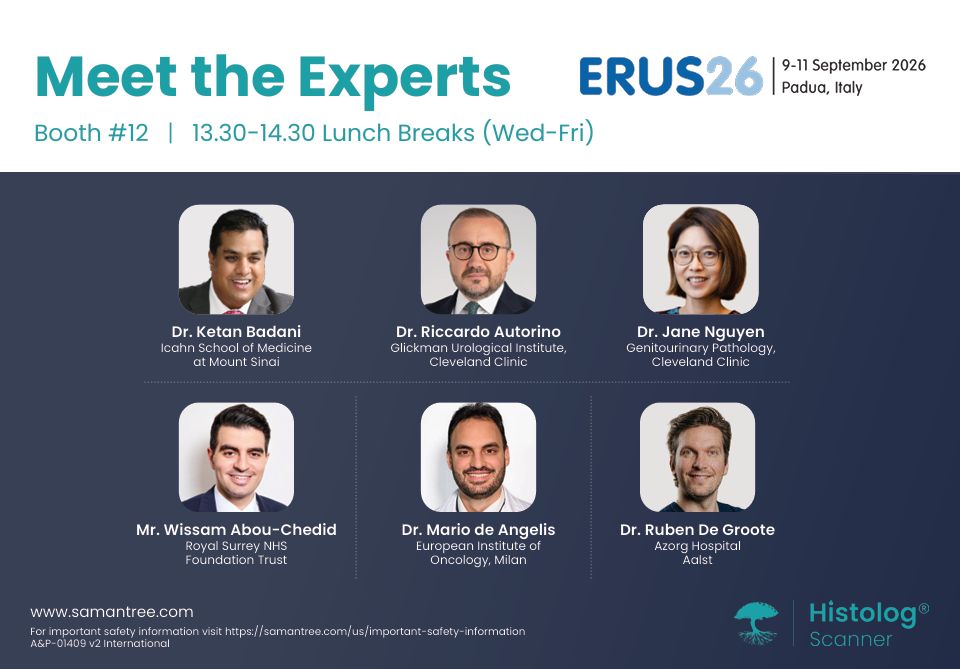
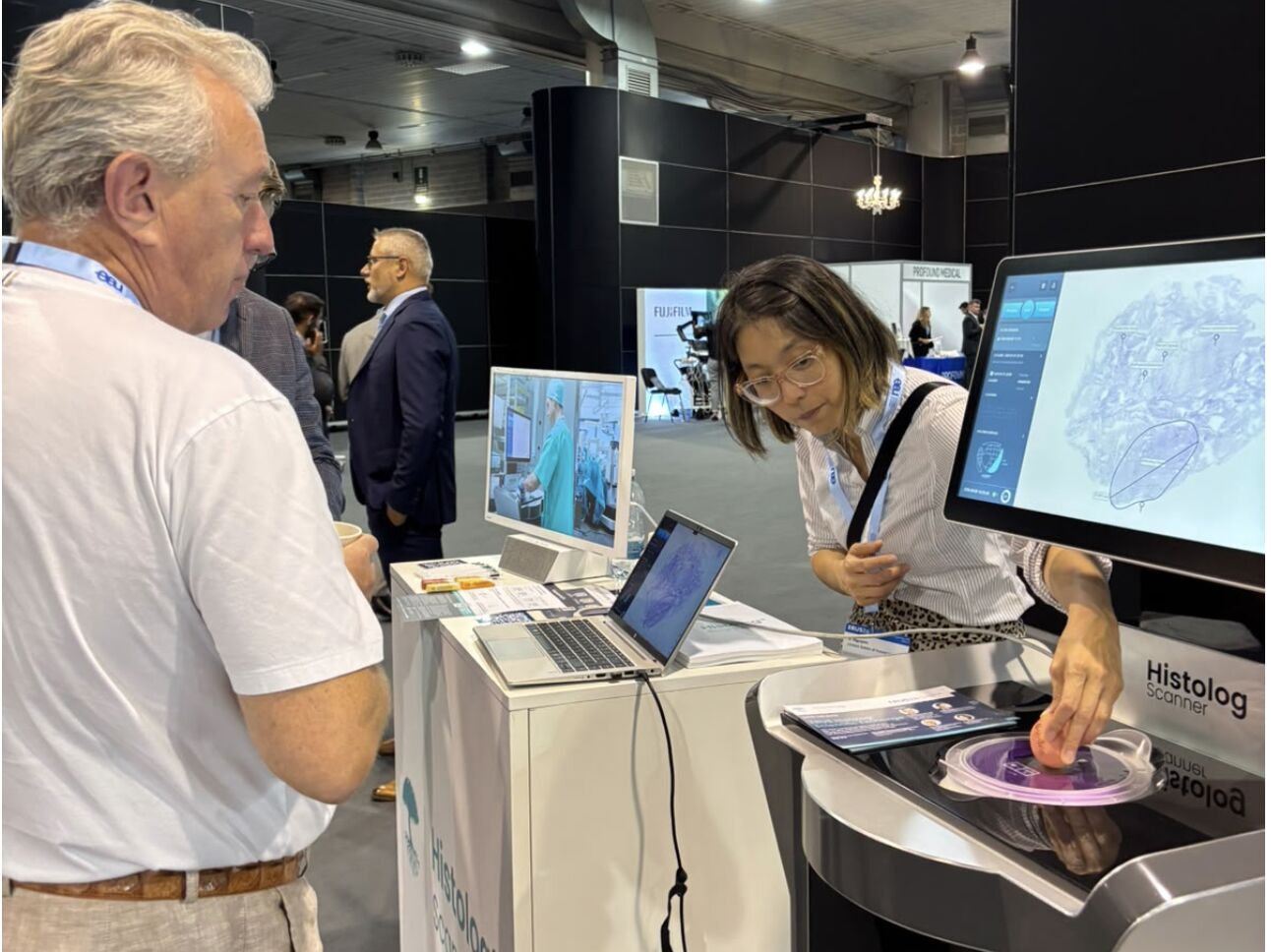
- ERUS26 wrapped in Padua, and the energy around real-time intraoperative tissue assessment kept building all three days. Our Meet the Experts sessions turned steady foot traffic into real conversation, with Ketan Badani MD FRCS, Riccardo Autorino MD PhD, Dr. Jane Nguyen, Mr. Wissam Abou-Chedid, Dr. Mario de Angelis and Dr. Ruben De Groote MD, PhD, FEBUsharing hands-on experience with the Histolog Scanner. Wednesday evening's ERUS Histolog Scientific Exchange took that further, with Jihad Kaouk, MD FACS, FRCS (G), Ketan Badani
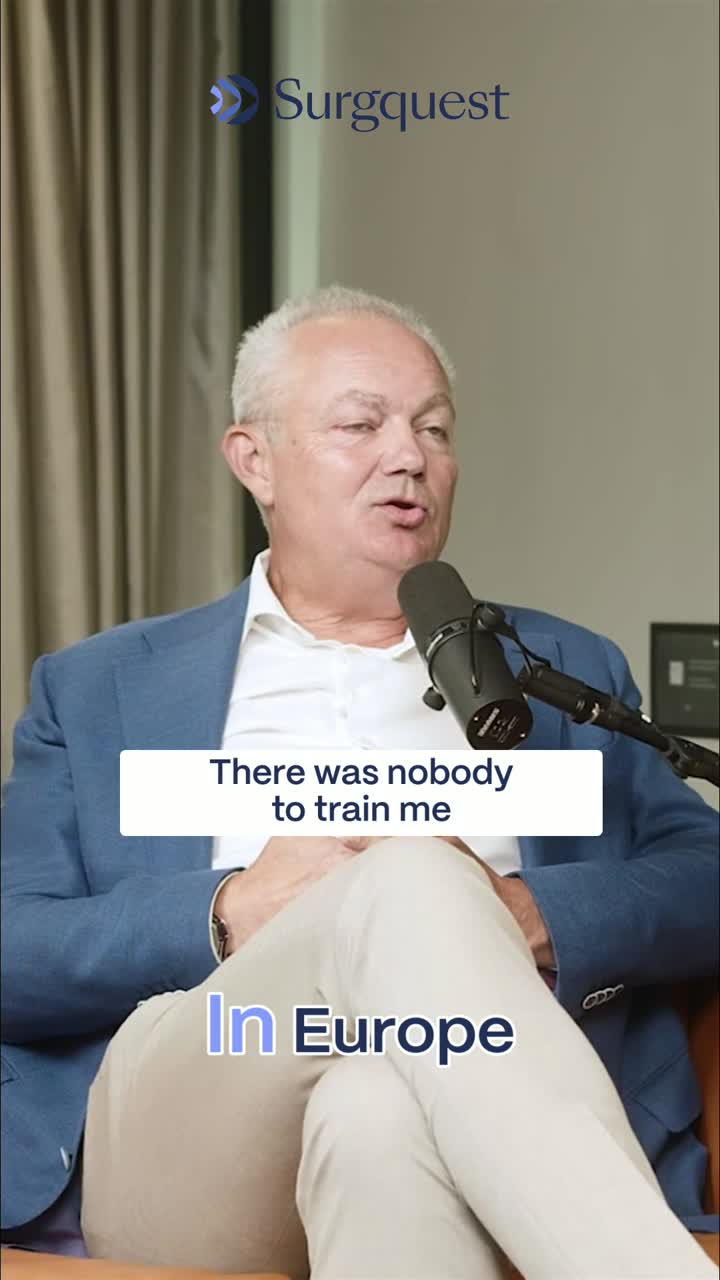
- There was nobody to train me.” When Prof. Dr. Alex Mottrie began performing robotic surgery, there was no established pathway to follow. Hardly anyone in Europe had experience with the technology, and even the American colleague who assisted him had performed only four cases. So how do you learn when no one can teach you? By combining experience in open and laparoscopic surgery, training on cadavers and learning alongside a small international group of early adopters. “We were real pioneers.” In this episode of Surgquest Voices,
- Day 1 of ERUS Spotlight is now available on Surgquest. What happens when the congress day ends, but the conversation is far from over? Today, ERUS Spotlight brought together leading experts to revisit some of the most interesting moments from the operating rooms at ERUS 2026. From RARP with AI incorporation on Toumai to adrenalectomy on Hugo, the panel looked back at key surgical moments, discussed different approaches and shared their perspectives beyond the live procedures. Missed the session in Padua? Or want to take another

- Introducing ERUS Spotlight What were the defining moments of the day? Which surgical decisions deserve a closer look? And what can we learn from the experts who witnessed them firsthand? Across two days at ERUS26, leading experts will join us live in the ERUS Spotlight studio to revisit selected surgical highlights, share their perspectives and discuss the key moments from the congress. Each show will be recorded live and made available on Surgquest later that day, so you can catch up whenever it suits you. Follow Surgquest and
- Join Us at ERUS26: Meet the Experts Visit the Histolog Scanner at Booth #12, Padova Congress Center, during lunch breaks (13:30-14:30, Wednesday-Friday, 9-11 September) and connect with leading robotic urology clinicians and a pathologist who use the Histolog Scanner in their own practice: Ketan Badani MD FRCS, Icahn School of Medicine at Mount Sinai Riccardo Autorino MD PhD, Glickman Urological Institute, Cleveland Clinic Jane Nguyen, Genitourinary Pathology, Cleveland Clinic Wissam Abou-Chedid, Royal Surrey NHS Foundation
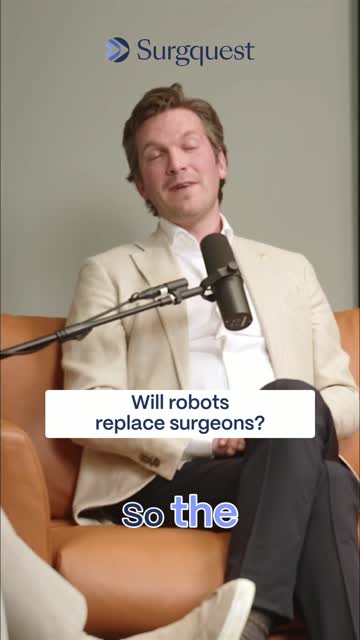
- Will robots replace surgeons? As automation and AI become increasingly integrated into the operating room, the surgeon’s role will inevitably change. But disappear? Prof. Dr. Alex Mottrie does not believe so. Parts of an operation may become fully automated. The surgeon, however, will remain responsible for overseeing the procedure, making critical decisions and intervening when necessary. In this episode of Surgquest Voices, Prof. Dr. Mottrie shares his perspective on autonomous surgery and the future relationship between
This page shows public professional information only, each fact cited. Is this you? send a correction, or ask for removal within 24 hours, no questions asked.