
Overview
Tim Dierckxsens is the CEO of Venly, which he co-founded in September 2018. He is based in Haaltert and gives his areas of expertise as cross-border transactions, stablecoin infrastructure and payment orchestration.
From January 2017 to September 2020 he was co-founder and CSO of FundRequest. He worked with International Post Corporation on two occasions, as an analyst and project manager from March 2015 to December 2016 and as a consultant during 2017, and was a business analyst at JIDOKA between February 2015 and December 2017. Earlier he was a business analyst and project manager at Contribute from April 2013 to January 2015, a functional business analyst at The Master Labs from November 2012 to March 2013, a sales representative for Saint Gobain Glass at SGMC from October 2011 to October 2012, and a junior auditor at VGD in 2011.
He studied functional business analysis at The Master Labs from 2012 to 2013, and holds a Master of Business Sciences in accountancy and tax from College of Ghent, completed in 2011.
Career history

In the news
- You can hold USDT in an app and still not buy anything at the counter. From 16 Sep, Hi-Life convenience stores across Taiwan take USDT and USDC through MaiCoin Pay. You pay in the app, show a barcode, and the cashier reverse-scans it. Same screen can bind Hi-Life VIP and the e-invoice carrier, so checkout is one step instead of a second crypto flow. First convenience-store chain in Taiwan to support that. BTC and ETH clear too. Stablecoins are why this is a money-movement story. Same week, a UAE pilot put a licensed digital dirham

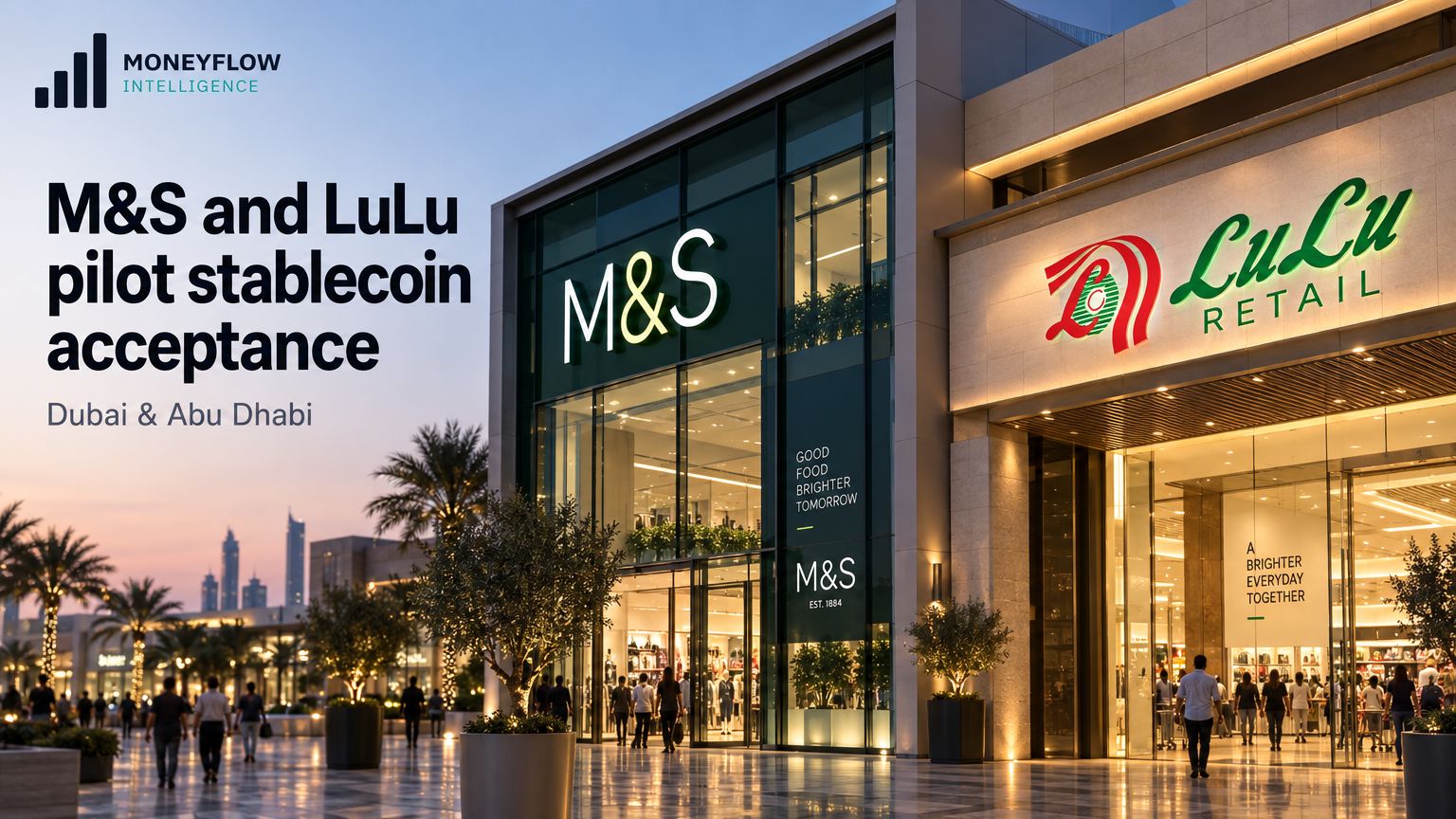
- You do not need a new app at every till. In the UAE, Marks and Spencer at Dubai Festival City and Lulu Retail in Abu Dhabi can take a local digital dirham on the Network International payment QR those shops already use. Merchants pick how they get paid: DDSC or AED. Two stores. Pilot size. That is the whole footprint for now. DDSC is a CBUAE-licensed AED stablecoin. The scarce job is getting that money onto the payment company path the shop already pays for, the same card-machine rails they run today. Building a brand-new checkout
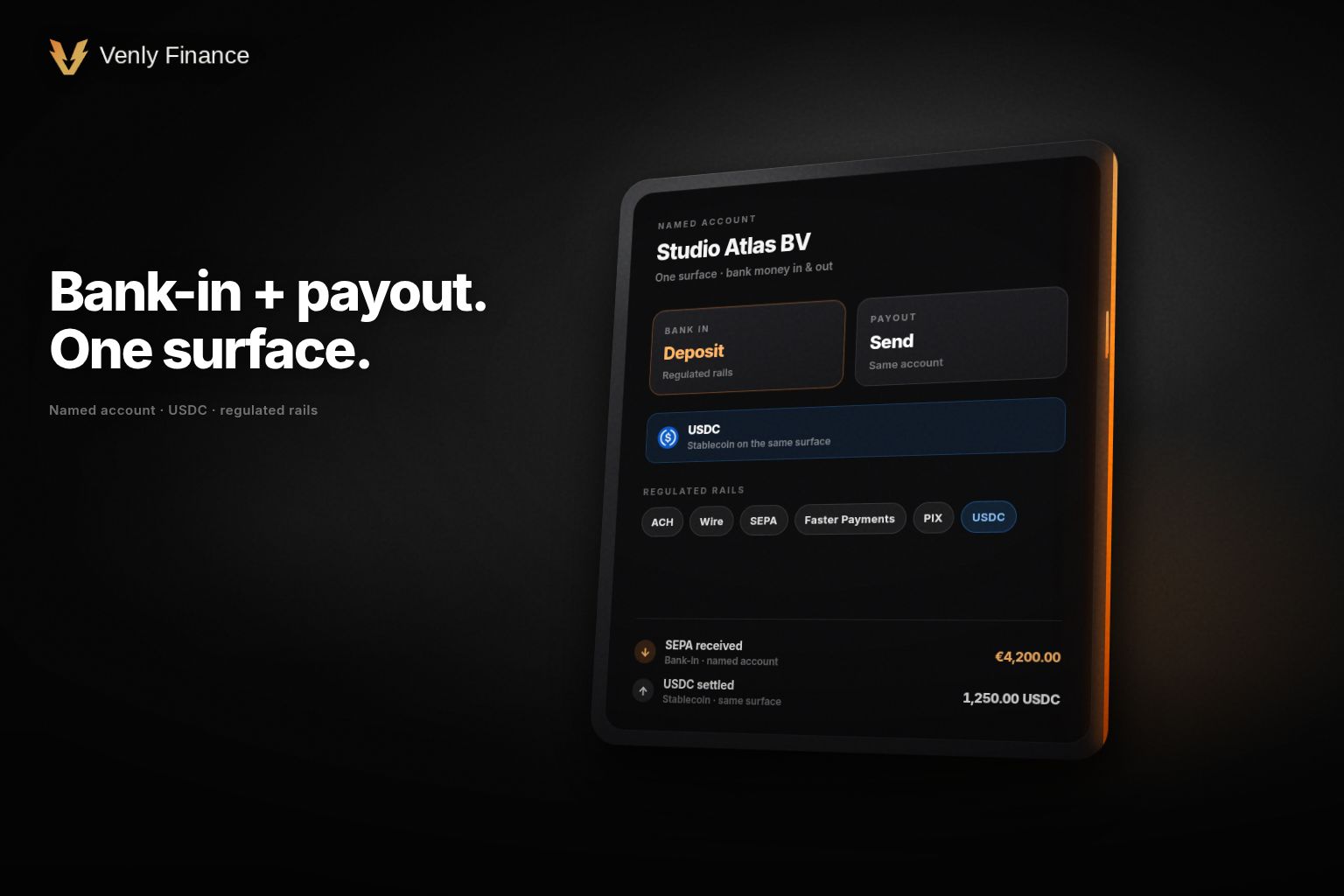
- You shipped the wallet. Then finance asked how bank money gets in, and how payouts leave without a second vendor and a second KYC queue. That is the dirty job. Deposit account, compliance, payout rails. Usually bolted on after the demo, by a different team with a different contract. The user never sees the chain. They only feel the delay when Monday money is stuck. That split is dying. On 1 Sep, Privy put fiat deposit accounts and bank payouts on the same APIs that create the wallet, with Bridge underneath for conversion and
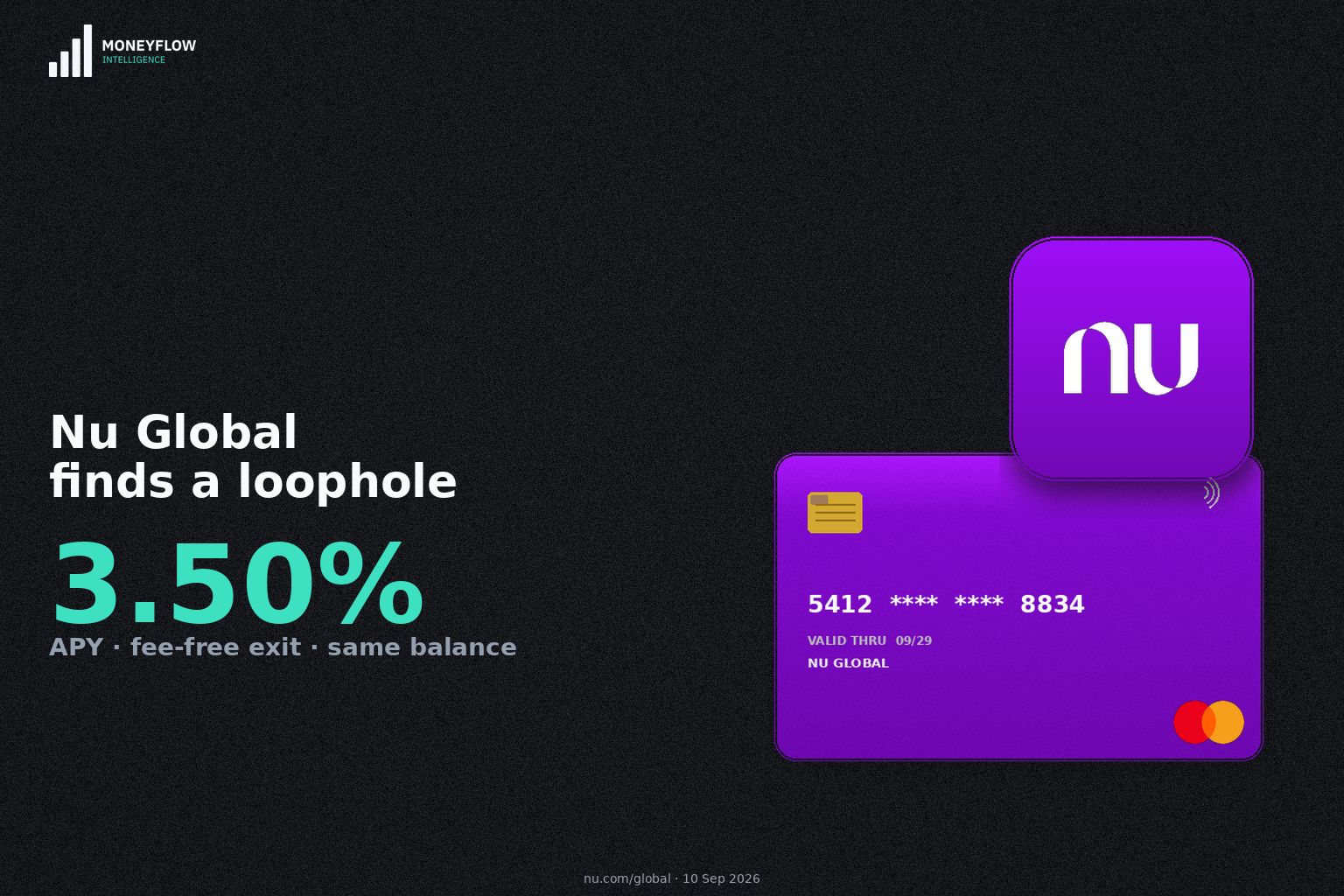
- You need the dollar to earn overnight and still leave on Monday without a transfer fee. Same for the euro. Most products give you one of those jobs and make you assemble the other. Nu Global went live 10 Sep on Circle’s USDC and EURC. USDC pays 3.50% APY daily. EURC pays 2.20%. That same balance moves fee-free across more than 35 countries, Europe and Latin America first, with a virtual Mastercard and no FX markup on Nu’s claim. Nu brings 140M customers to the distribution problem. Brazil, Colombia, Mexico, and the U.S. are still
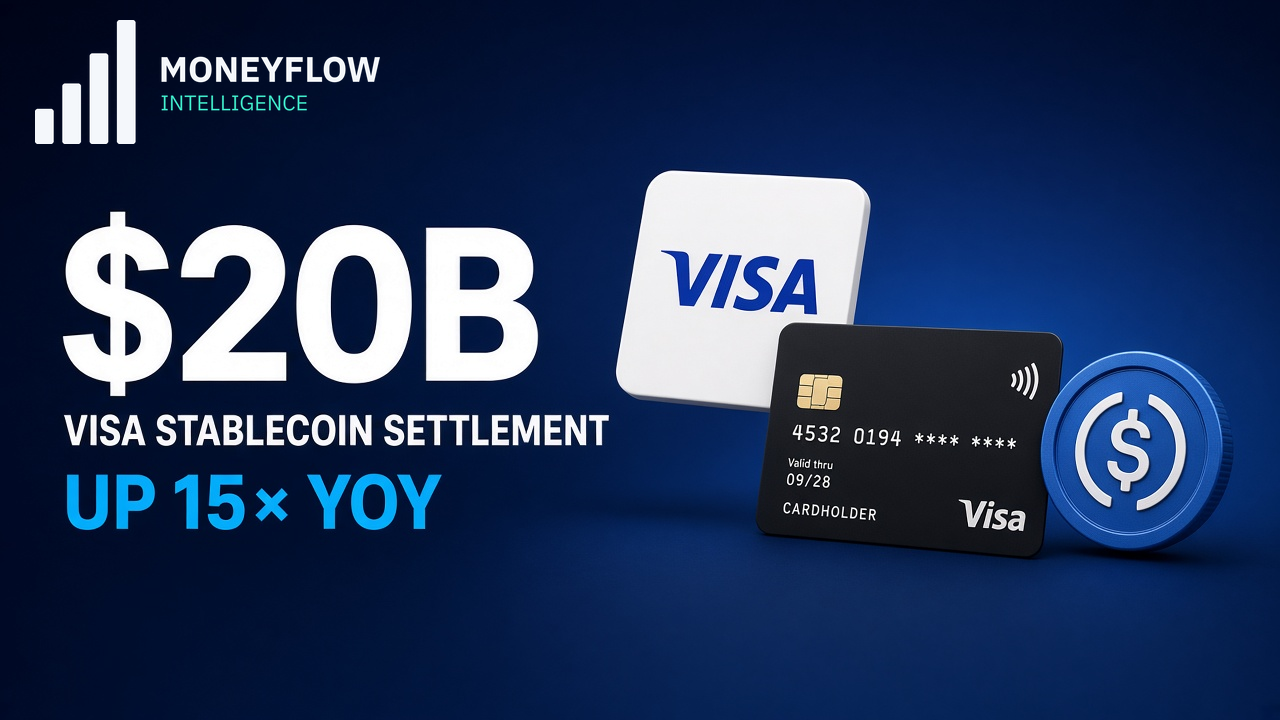
- Visa just put about $20B of annualized stablecoin settlement on the table. $20B is the volume. The scarce unit is morning cash.
- Every user. A dollar account. Wherever they live. Your users invoice and get paid in dollars but they don’t live in the U.S. Issue USD accounts in your platform for your users globally. Available in 150+ countries.
- Circle signed to acquire Tazapay for about $400M in stock. Close is aimed at 2027, subject to MAS and other approvals. Tazapay already runs local payout rails in 100+ markets, with over $25B in annualized volume and about 60 banking and fintech partners. Roughly 60% of that volume already includes stablecoins. They’d been a Circle Payments Network design partner since 2025. USDC can clear in the middle all day. The hard part is getting paid out locally. Circle is buying that APAC payout layer. If the issuer owns the payouts, who
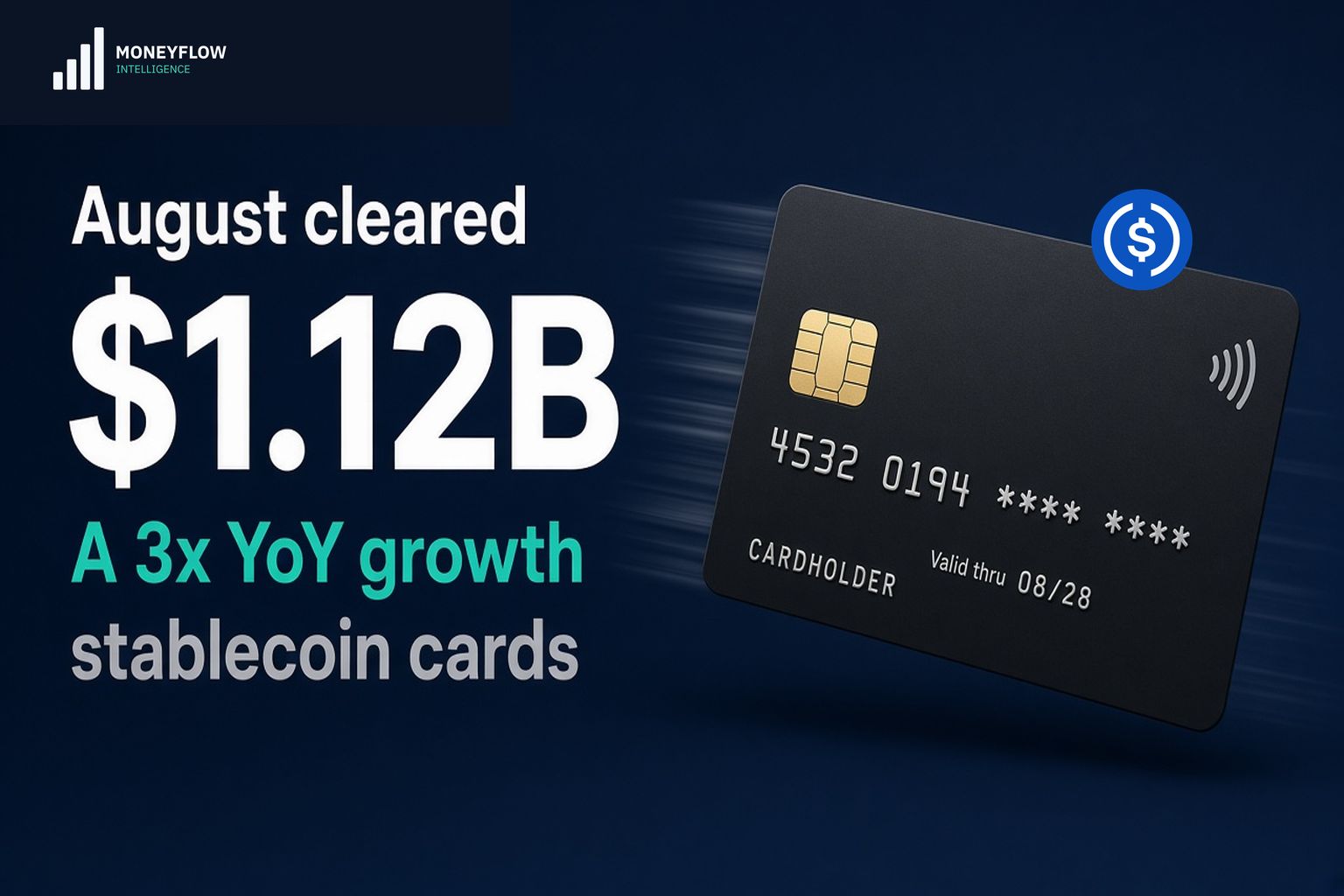
- Card spend grows about 8% a year on average. Stablecoin card spend just grew about 300%. August cleared about $1.12B, up from about $380M a year earlier. Still a drop in the bucket on total volume. The curve is interesting to watch.
This page shows public professional information only, each fact cited. Is this you? send a correction, or ask for removal within 24 hours, no questions asked.