Overview
Valentin founded Socialsky in 2017 as a social media agency for Belgian brands. In 2024, he co-founded Yeko, a personal branding agency. He previously co-founded The Strong Company (2020-2021). He studied at UCLouvain with an exchange at Yonsei University in South Korea.
As founder and managing partner of Socialsky, Valentin runs the agency and works directly with clients on social media strategy, content creation, and community management. Through Yeko, he helps professionals build their personal brands.
Career history
- Founder & Managing Partner2017 - PresentSocialsky
- Co-Founder & PartnerMay 2024 - PresentYeko Personal Branding Agency
- Co-FounderJul 2020 - Dec 2021The Strong Company
Education
Master's degree, Business Administration & Management (Entrepreneurship)2011 - 2013UCLouvain
Exchange, International Business2012Yonsei University
Insights & ideas
The through-line
Everything Valentin Pliester says returns to a single argument: social is not a channel where brands place things, it is the environment in which brands are now built. "The feed has become the new internet," he writes, the place "where culture moves, where people discover, compare, form opinions and build trust" [2]. From that premise the rest follows with some force. If the feed is the internet, then no single unit of output matters much on its own, culture cannot be bought at the end of a campaign, community management stops being service and becomes content, and the discipline that separates good brands from bad ones is not creative taste but operational speed.
The position has hardened rather than shifted. He describes deliberately sharpening the company's positioning "around one clear belief: social-first" and formalising it as a framework, the Social OS [6], having long held that a social-first approach means "connecting strategy, creativity, community, creators and media investment into one living system" [2]. The newest layer of the argument is that the audience for content has multiplied: creators now work for people, for algorithms and for language models at the same time [12].
On why one post is worth almost nothing
The question he hears most often from brand-side management, and considers the most misleading, is what a single social media post delivers [1]. His honest answer is that on its own it delivers "probably not that much" [1]. One post does not build a brand, earn trust, create relevance, or give people a reason to care, and while reach can be purchased for it, "reach is not a relationship" [1]. The blunter version comes from his Head of Strategy, Pieterjan: "𝘐𝘧 𝘸𝘦 𝘰𝘯𝘭𝘺 𝘥𝘰 𝘰𝘯𝘦 𝘴𝘰𝘤𝘪𝘢𝘭 𝘱𝘰𝘴𝘵, 𝘸𝘦 𝘮𝘪𝘨𝘩𝘵 𝘢𝘴 𝘸𝘦𝘭𝘭 𝘯𝘰𝘵 𝘥𝘰 𝘪𝘵" [1]. The point is not that individual content is irrelevant, it is that its value is only realised in accumulation, as part of a system rather than an isolated deliverable [1].
On the creator layer
He has been making the same case in almost every conversation for months: "The creator layer is becoming one of the most strategic layers in social," sitting at the heart of how modern brands should be built [2]. The reasoning is that in an environment where brands "cannot simply push messages out and expect attention," they have to understand the culture they want to be part of, and creators are the route in [2]. He is explicit about what creators are not: "They are not merely distribution channels. They are not a media buy added at the end of a campaign" [2]. What they contribute is cultural context, instincts and community understanding that "brands cannot manufacture by themselves" [2].
On community management as content
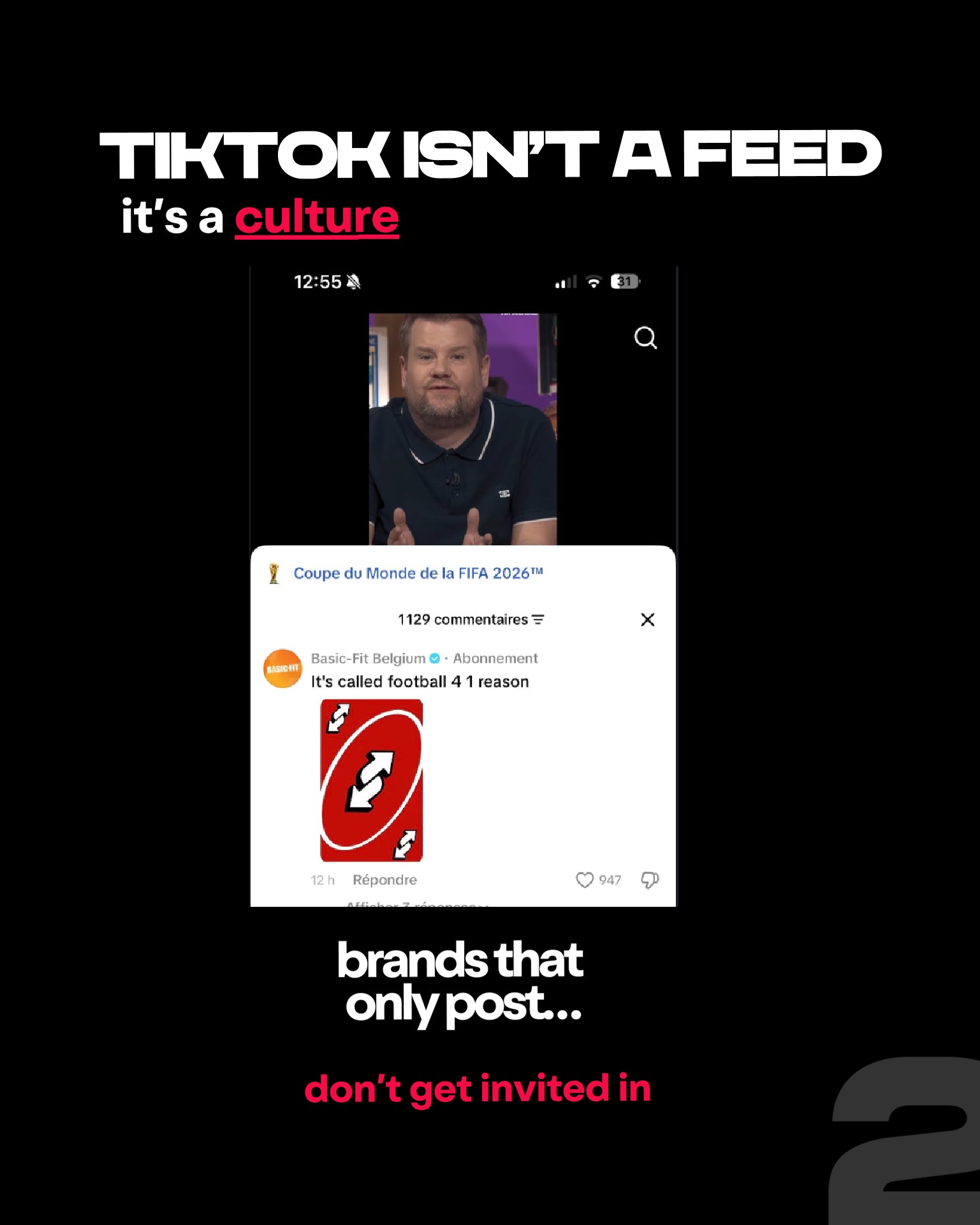
Community management, in his view, "isn't customer service anymore. It's content" [5]. He points to a comment posted by the Basic-Fit Belgium team on a Red Devils match night as the model: a simple joke, perfectly timed, native to the platform, and placed under someone else's post rather than the brand's own [5]. That last detail is the strategic one, since "great community management goes beyond your own channels" and every interaction becomes an opportunity to build awareness, reinforce the brand and create content people actually engage with [5]. He treats this as craft rather than luck, admiring three references packed into one comment [5].
On execution beating ideas
The diagnosis he offers brands is unsentimental: "Most brands think they have a content problem. They don't. They have an execution problem" [9]. The best ideas, creatives and formats count for nothing if the organisation behind them is too slow or too unclear [9]. This is the operational counterpart to the argument about single posts, since a system that produces sustained, culturally fluent output is an organisational capability before it is a creative one.
On AI, search and writing for three audiences
He describes creators as now working in three dimensions at once, making content for audiences, for algorithmic preferences, and for language models, a condition he calls schizophrenic [12]. Underlying this is social's shift into a search function: 41% of people search for information on TikTok first rather than Google, and 65% use TikTok at some point in their search journey [12]. The stakes rise further because three major social networks account for five primary sources of AI training data, which makes social output an input into the models people will increasingly ask [12].
On moving before the market does
His posture toward new commerce surfaces is impatient. Ahead of TikTok Shop launching in Belgium on June 15, he convened a session with two TikTok insiders, Samy, Account Manager EMEA Shop Ads, and Nisanton, Strategic Agency Manager at TikTok Shop, to cover how it works, where the opportunities are and how to get started [7]. The framing is competitive rather than educational: "The brands moving now will have a 6-month head start over the ones waiting on the sidelines. This is not the time to watch. It's the time to move" [7].
On partnership and building the team
He compares bringing Fred in as a partner in socialsky to getting married a second time, and insists it "was never just a signature," but a commitment that goes well beyond "a cap table, a shareholders' agreement, or a nice slide about complementary skill sets" [3]. What it actually requires is choosing to build with someone who does not think like you, making space for them, "recognising they're better than you at certain things," telling them when they're wrong and trusting they'll return the favour, always in the company's interest [3]. The parallels he draws with marriage are easy conversations, disagreements, setting ego aside, moments when the other person carries more, and the need to keep choosing each other [3]. The same ambition shows in how he talks about the wider group, describing the Lisbon gathering as beyond any team building he had done in hockey, and the outcome not as a team coming together but as "building an A-team" you can feel in the energy [10]. He measures the company's trajectory in the size of the annual SkyTrip convoy, from one taxi four years ago to two, then three, then a minibus, and now a full bus: "Same trip. Different scale" [11].
On keeping score
He publishes the numbers rather than gesturing at growth. The 2025–26 season closed with 52% growth, 23% EBITDA, €300K MRR, 7% client churn and more than 15 new team members [6]. He is equally clear that "the real story happened behind the numbers": the social-first positioning, the Social OS framework, key strategic leadership hires, international expansion with a Mauritius office, and three industry awards [6]. The same instinct for visible momentum shows in how he marks new business month by month, welcoming brands that joined in May and thanking them for the trust [8], and again with "Another great month" as several new brands came on board [4]. The credit is directed outward: "This season belongs to you" [6].
Takeaways
- Judge social work by the system, not the unit. One post cannot build a brand or earn trust, and buying reach for it does not help, because "reach is not a relationship" [1].
- Bring creators in at the strategy stage. They are "not a media buy added at the end of a campaign" but the source of cultural context and community understanding a brand cannot manufacture alone [2].
- Have the community team work outside your own channels. A well-timed, platform-native comment under someone else's post builds awareness and produces content in its own right [5].
- Before rewriting the content plan, check the organisation. Most brands "have an execution problem," not a content problem, and slowness or lack of clarity will waste even the best creative [9].
- Optimise for three readers at once: the audience, the algorithm and the language models, given that 41% of people now search on TikTok before Google and social platforms are among the primary sources of AI training data [12].
- Treat new commerce surfaces as a timing advantage. Brands that moved on TikTok Shop at the Belgian launch stood to gain roughly a six-month head start on those waiting [7].
- Build a partnership on the assumption that your partner is better than you at some things, and that you will both have to say when the other is wrong [3].
Media & appearances
- SearchLab By MentionLabYouTubeComment l'IA se nourrit des réseaux sociaux | Avec Valentin Pliester, fondateur de SocialSky.Valentin Pliester discusses how content creators now operate in three dimensions: creating for audiences, for algorithmic preferences, and for language models, which he describes as schizophrenic. He also addresses the growing importance of social media as a search platform, noting that 41% of people search for information on TikTok first instead of Google, and 65% use TikTok at some point in their search journey, with three major social networks representing five primary sources for AI training data.
In the news
- Unpopular opinion: I don’t really believe in training courses Or rather: I don’t believe a course should be the default answer when you need to grow. In our industry, waiting for a formal course on a topic usually means you’re already behind The landscape has moved on The tools have changed And the best people have already tested, failed, learned, and iterated Information has never been more accessible 🤷🏻♂️ Open an LLM, ask the right questions, and go down the rabbit hole Dive into podcasts, case studies, newsletters, or
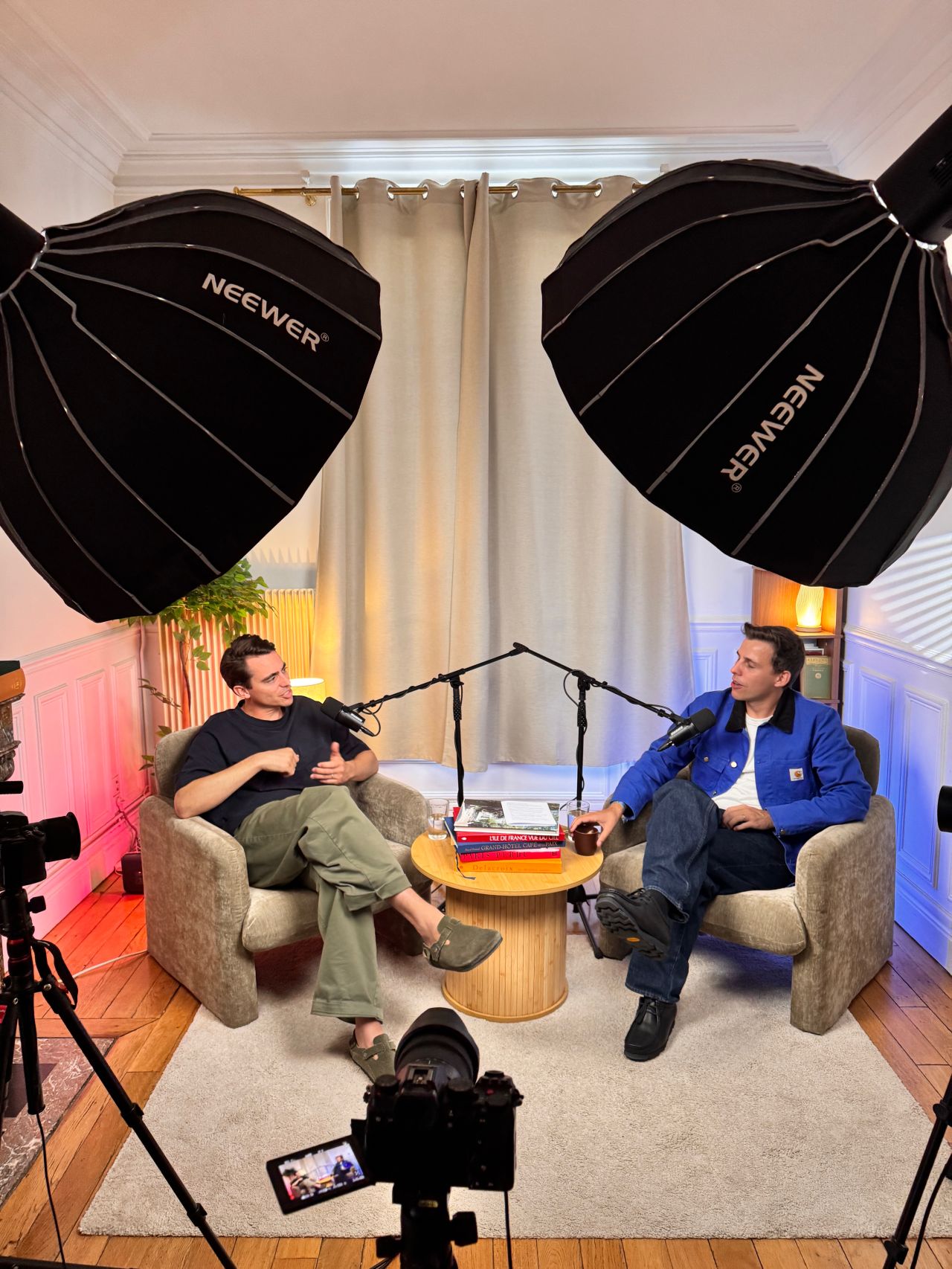
- Very happy to have recorded « Sous le Capot » with Nicolas Gantenbein, in this beautiful Parisian studio 🎙️ We talked about the realities of scaling an agency, the systems we’re building to support that growth, and our vision for the future of social media. A real pleasure. Thanks again for the invitation, Nicolas! Episode coming in a few weeks 👀
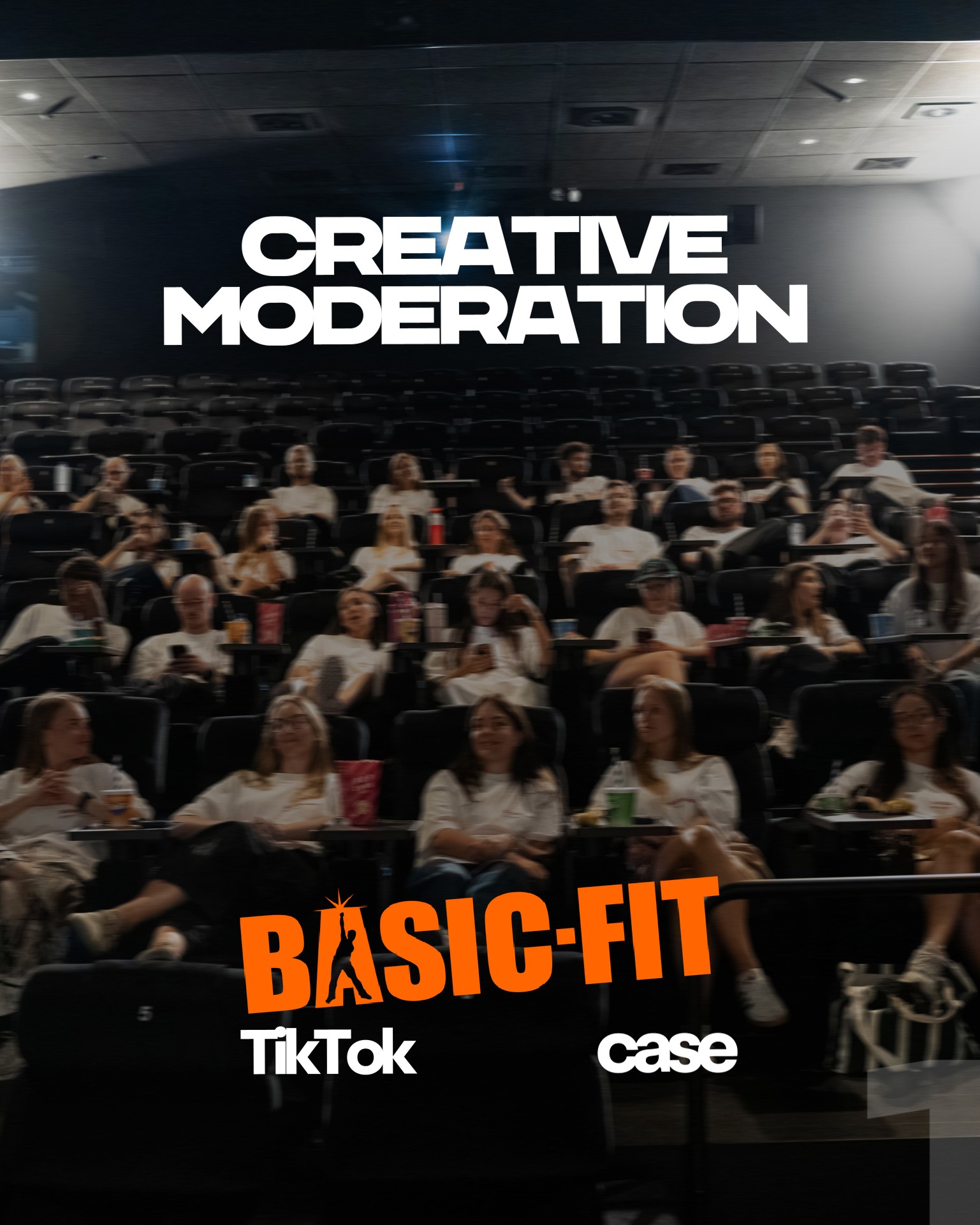
- The brands winning on social are not posting more They are participating more Because social media is not a publishing channel. It is where culture happens. Where people react, joke, argue, recommend, compare and decide what is worth their attention. And too many brands still show up like advertisers They publish their content They wait for the numbers They leave Creative Moderation changes that Not by replying “Thanks ❤️” under every comment But by entering the right conversations Understanding the codes Creating real interactions
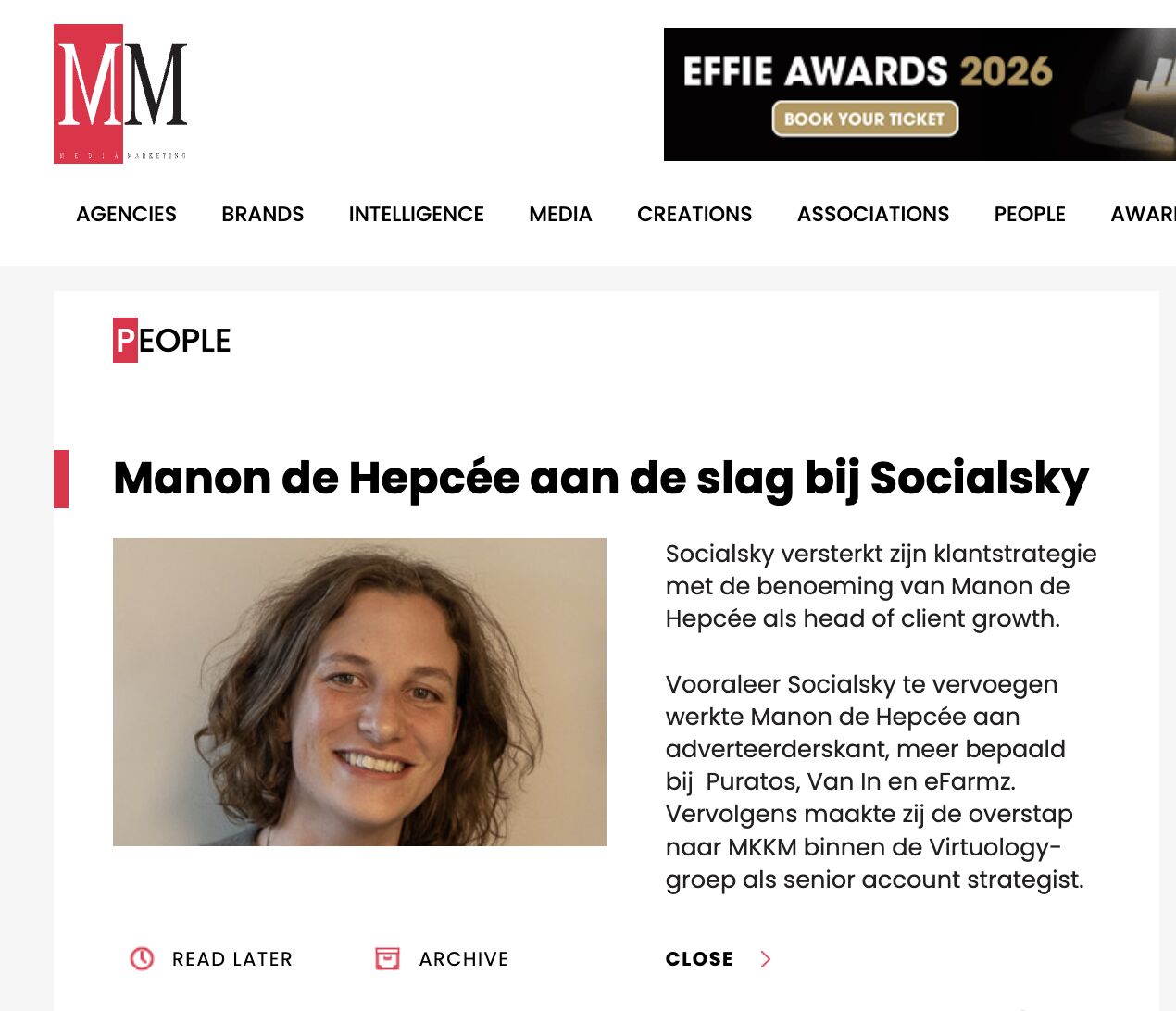
- Newcomer 🥳 Manon is joining Socialsky as our Head of Client Growth 🙌 This one's been in the works for a while We've been looking for someone who treats client relationships the way we do, not as accounts to manage, but as businesses to grow (!) Someone who pushes our teams to think bigger, challenges the status quo, and raises the bar without being asked to Welcome to the team, Manon 🤝 Really glad you're here ⚡️
- Briefing a creator like a brand spokesperson kills the very thing you are paying for: 👉 their ability to make a brand matter to their audience. The shift is not about giving up control It is about being crystal clear on what must remain true to the brand : its story, ambition and boundaries Then trusting the right creator to bring it to life in a way that actually belongs in their feed 🤷🏻♂️

- Yesterday, during a really sharp discovery call with a major brand, their Brand Marketeer, who also oversees social media, asked us one final question: “𝐖𝐡𝐚𝐭 𝐝𝐨𝐞𝐬 𝐨𝐧𝐞 𝐬𝐨𝐜𝐢𝐚𝐥 𝐦𝐞𝐝𝐢𝐚 𝐩𝐨𝐬𝐭 𝐝𝐞𝐥𝐢𝐯𝐞𝐫?” It is a very fair question. Probably one of the most common questions social teams still get from management. And also one of the most misleading. Because the honest answer is: on its own, probably not that much. One post does not build a brand. One post does not earn trust. One post does not create

- I’ve been saying this in almost every conversation for months: The creator layer is becoming one of the most strategic layers in social It sits at the heart of how we believe modern brands should be built Because the feed has become the new internet It is where culture moves, where people discover, compare, form opinions and build trust. And in that environment, brands cannot simply push messages out and expect attention They need to understand the culture they want to be part of That is where creators matter Creators are not merely
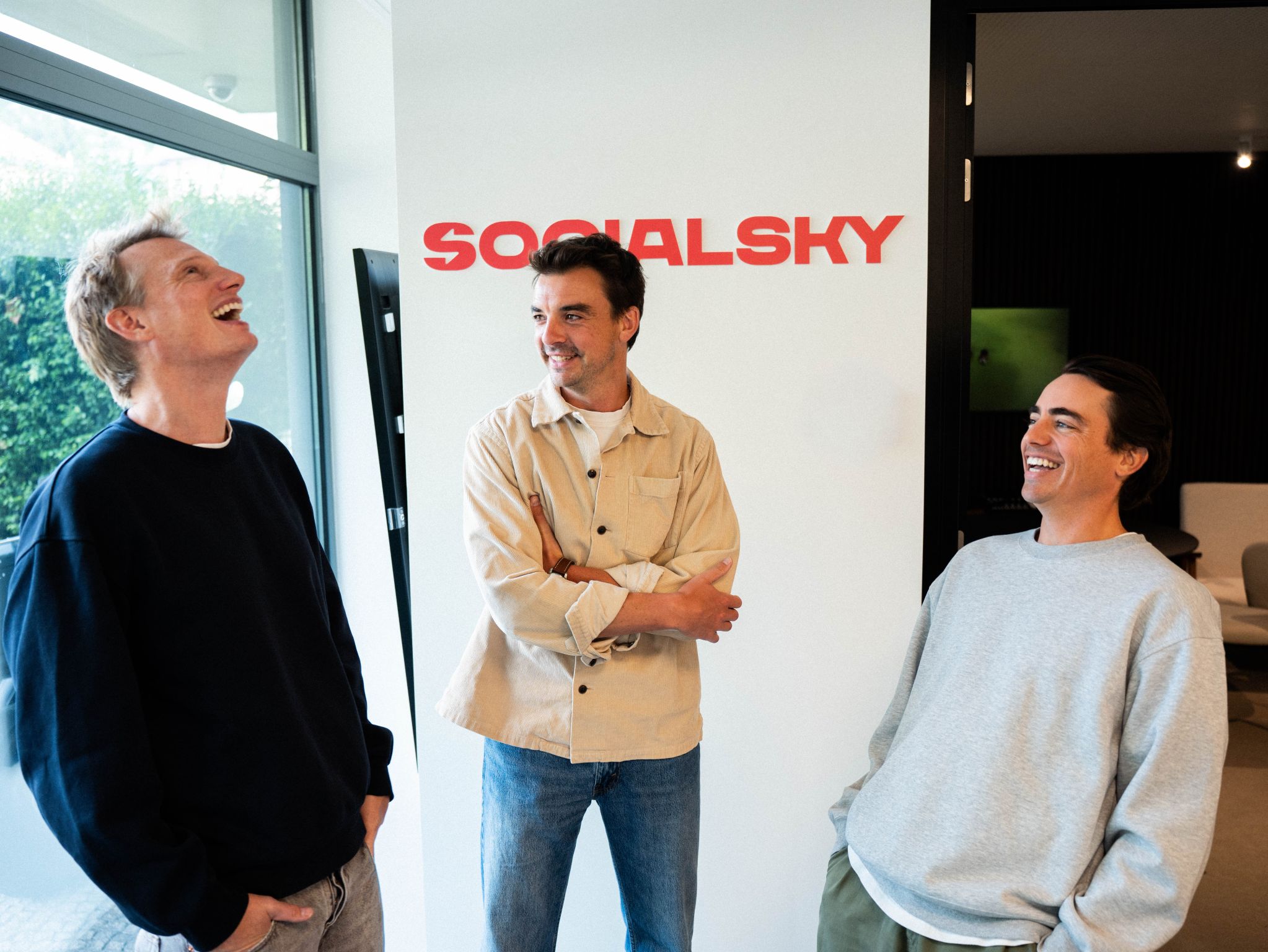
- 4 years ago, I got married for the second time in my life… This time, it was to my business partner I asked Fred to join me as a partner in socialsky But looking back, it was never just a signature. It was a commitment. Because a partnership is much more than a cap table, a shareholders’ agreement, or a nice slide about complementary skill sets. It means choosing to build with someone who doesn’t always think like you Making space for them Recognising they’re better than you at certain things Telling them when they’re wrong And
Related profiles
This page shows public professional information only, each fact cited. Is this you? send a correction, or ask for removal within 24 hours, no questions asked.