Overview
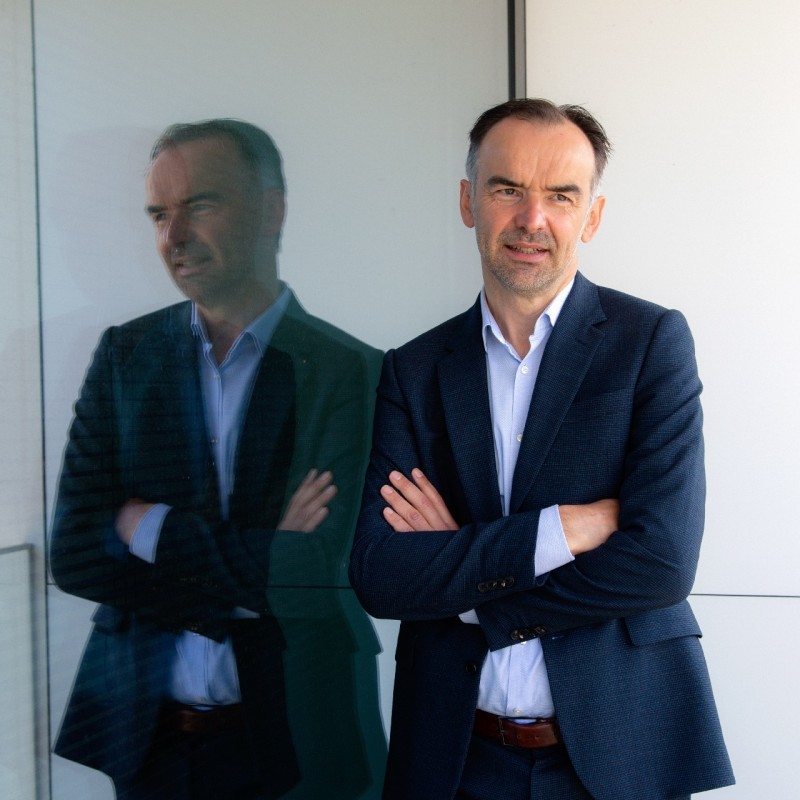
Wim Wuyts served as CEO and Managing Director of WTS Global, a global network of tax advisors. He previously held the position of VP and Global Head of Tax at Bekaert, where he was part of the global senior leadership team. In 2016, he founded the International School for Tax Leadership, offering executive programs globally.
Outside his tax career, Wuyts served as an independent board member at Upgrade Estate, the Ghent-based connected housing company co-founded by Nele Van Damme and Koenraad Belsack. He also had ties to Wintercircus and the Brussels-Africa Hub, and was involved in L.Arena, an art installation project in Venice.
Career history

Insights & ideas
The through-line
Across professional and personal posts, Wim Wuyts keeps returning to one idea: durable success is built on trust between people, not on scale, structure, or recognition. He applies this lens to law firm mergers [13], cross-organisation professional ties [14], industry award shortlists [15], and family business succession [12]. Even his non-professional posts carry the same preoccupation in a different register, praising Canada for "the quiet strength of a nation that never needed the loudest voice in the room to leave a lasting impression" [1]. Over the period covered, the emphasis shifts slightly from celebrating deal-making and combinations (Svalner Group and Atlas Tax Lawyers, WTS Africa) toward more explicit reflections on what comes next for tax practice itself, as new posts about AI and the future of international tax rules appear [5][8].
On trust and partnership
Wuyts repeatedly frames organisational achievement as the product of relationships rather than mechanics. On the Svalner Atlas | Advisors combination, he writes that "enduring platforms are not created by financial engineering alone. They emerge when trust is strong enough for people to share ambition, take risks together and invest in a common future" [13]. He extends this logic beyond formal structures, noting of WTS Africa that "the strongest professional relationships transcend organisations" [14]. When Tiberghien Lawyers was shortlisted for ITR Tax Awards, he downplayed the honor itself: "The real award is not the recognition. It's the partnership who trust the entire team enough to build something impactful together" [15].
On succession as a process
Discussing work with entrepreneurial families and family offices, Wuyts describes succession explicitly as ongoing rather than a single milestone: "the strongest families understand that succession is not an event, but a process. A journey shaped by stewardship, governance, trust, and meaningful dialogue across generations" [12]. He ties this to Tiberghien's role as more than a legal or tax adviser, positioning the firm as a partner that helps "build bridges between generations" and "preserve both harmony and ambition for the future" [12].
On tax rules and the future of business
Wuyts flags the disappearance of human labor from business models as a live concern for international tax policy, amplifying Dina Scornos's research question: "what happens to international tax rules when humans gradually disappear from the business model?" [8]. He frames the challenge as one of adapting the system itself, asking "how do we ensure that international tax systems remain fair, effective, and future-proof?" as AI and robotics reshape business models [5].
Takeaways
- He treats mergers and combinations (e.g., Svalner Group and Atlas Tax Lawyers) as trust exercises first, not financial engineering exercises [13].
- He views professional relationships as outlasting the firms that host them, citing ongoing ties with WTS Africa [14].
- He advises treating family business succession as a continuous process of governance and dialogue, not a one-time event [12].
- He is tracking, through Dina Scornos's PhD research, the question of how international tax rules should adapt as human labor disappears from business models [8].
- He publicly reframes industry award recognition as secondary to internal team trust [15].
Media & appearances
In the news
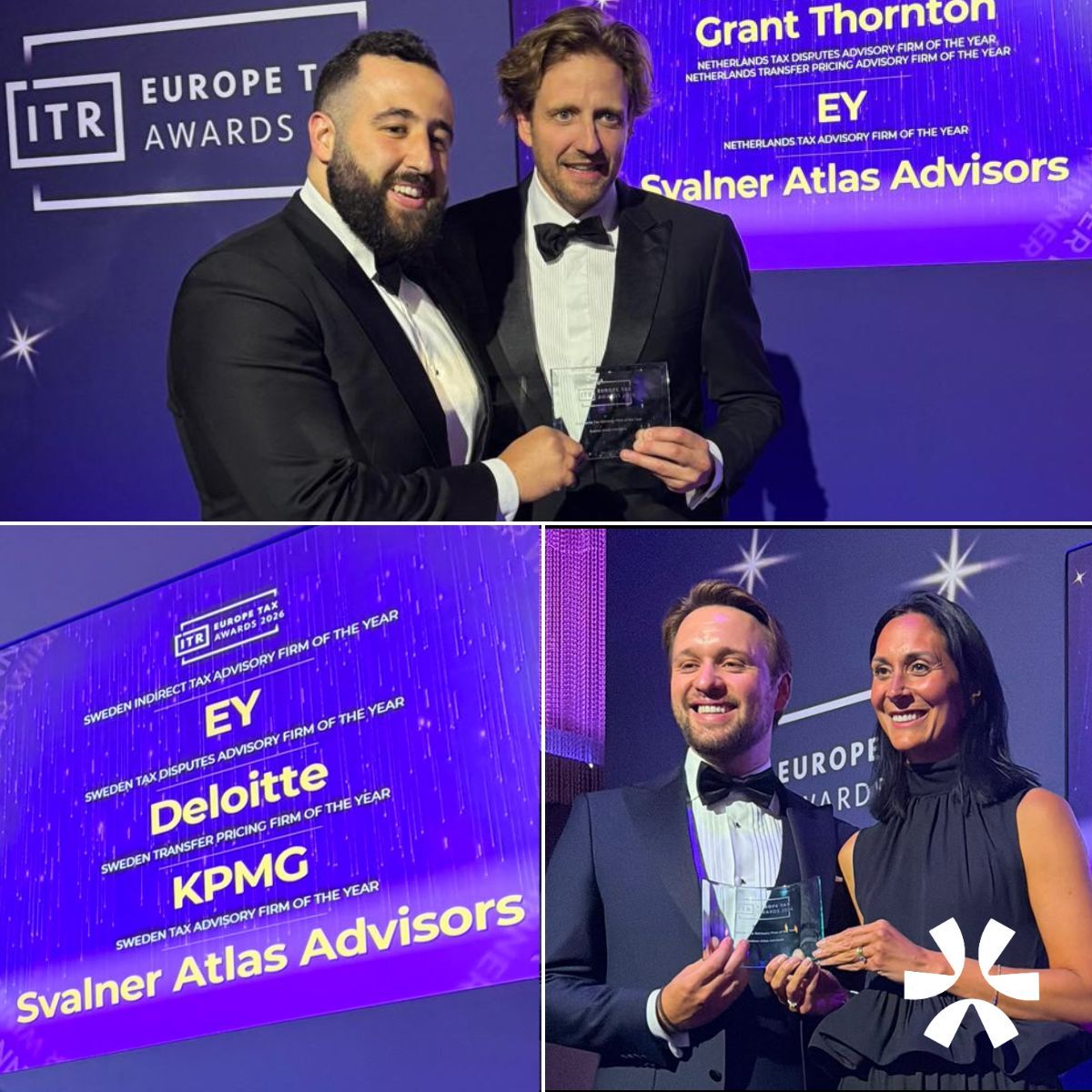
- October 2017. Miami. That’s where I first met some of the young founders of Atlas and Svalner. What started as an enjoyable (very) late-night conversation quickly became a discussion about something bigger: how to build the advisory firm of the future with international reach. A lot has happened since: Atlas and Svalner merged, grew the Nordics, and this summer became part of Ryan. Seeing both Atlas and Svalner recognised as Tax Firm of the Year feels special. A beautiful closing of one journey, and an inspiring beginning of
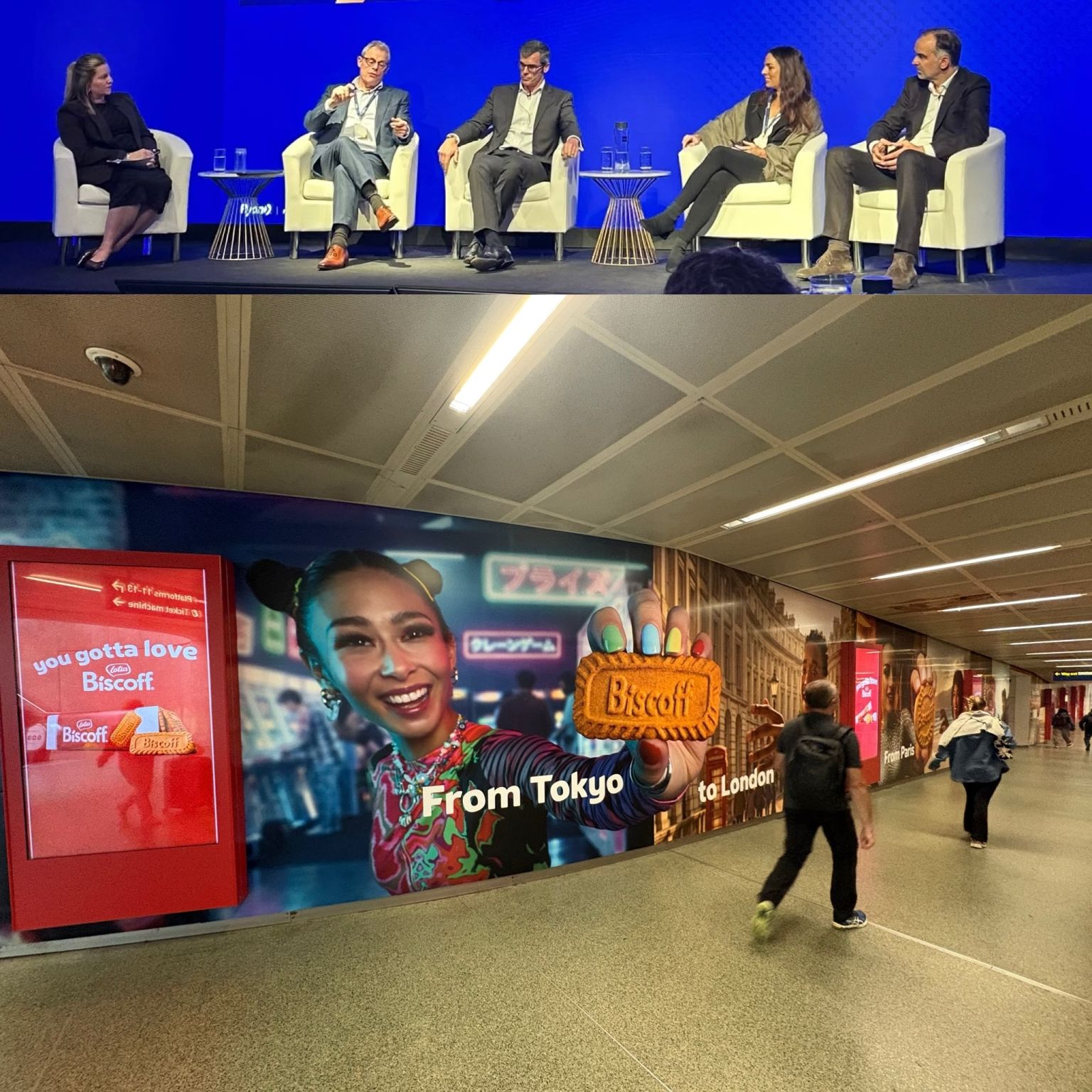
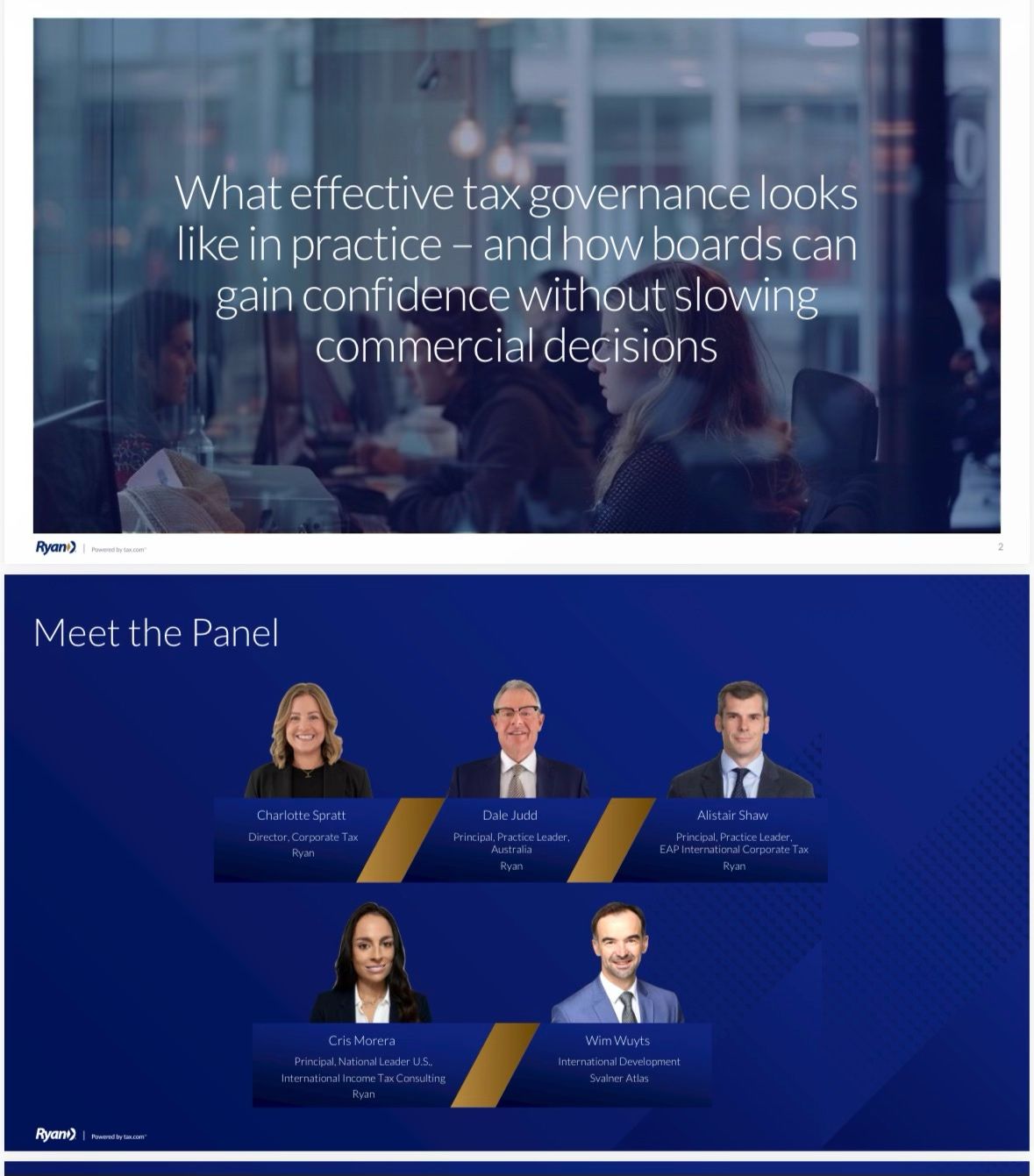
- Leaving our London summit today with one clear takeaway: great tax leaders do not just manage tax. They create confidence for boards, CFOs and stakeholders alike. In a world of growing complexity, confidence may well be the most valuable currency a tax function can provide. And after a day spent discussing governance, predictability and trust, it felt oddly fitting to be greeted by Belgian Biscoff adverts in the London Tube. Ryan Svalner Atlas | Advisors London Summit Cris Morera Charlotte Spratt Alistair Shaw Dale Judd, GAICD
- London, here we come ! Svalner Atlas | Advisors Ryan
- Treize étudiants palestiniens de Gaza ont été admis dans des universités belges pour cette prochaine année académique. Parmi eux figurent trois jeunes femmes soutenues par la Daughters for Life Foundation. Ils ont étudié, excellé et été sélectionnés. Ils ont gagné leur place grâce à leurs résultats, leur détermination et une persévérance rare. Leurs universités les attendent. Leurs professeurs les attendent. Leur avenir les attend. Mais leurs lettres d'admission se trouvent dans un lieu où, face à une frontière fermée, une

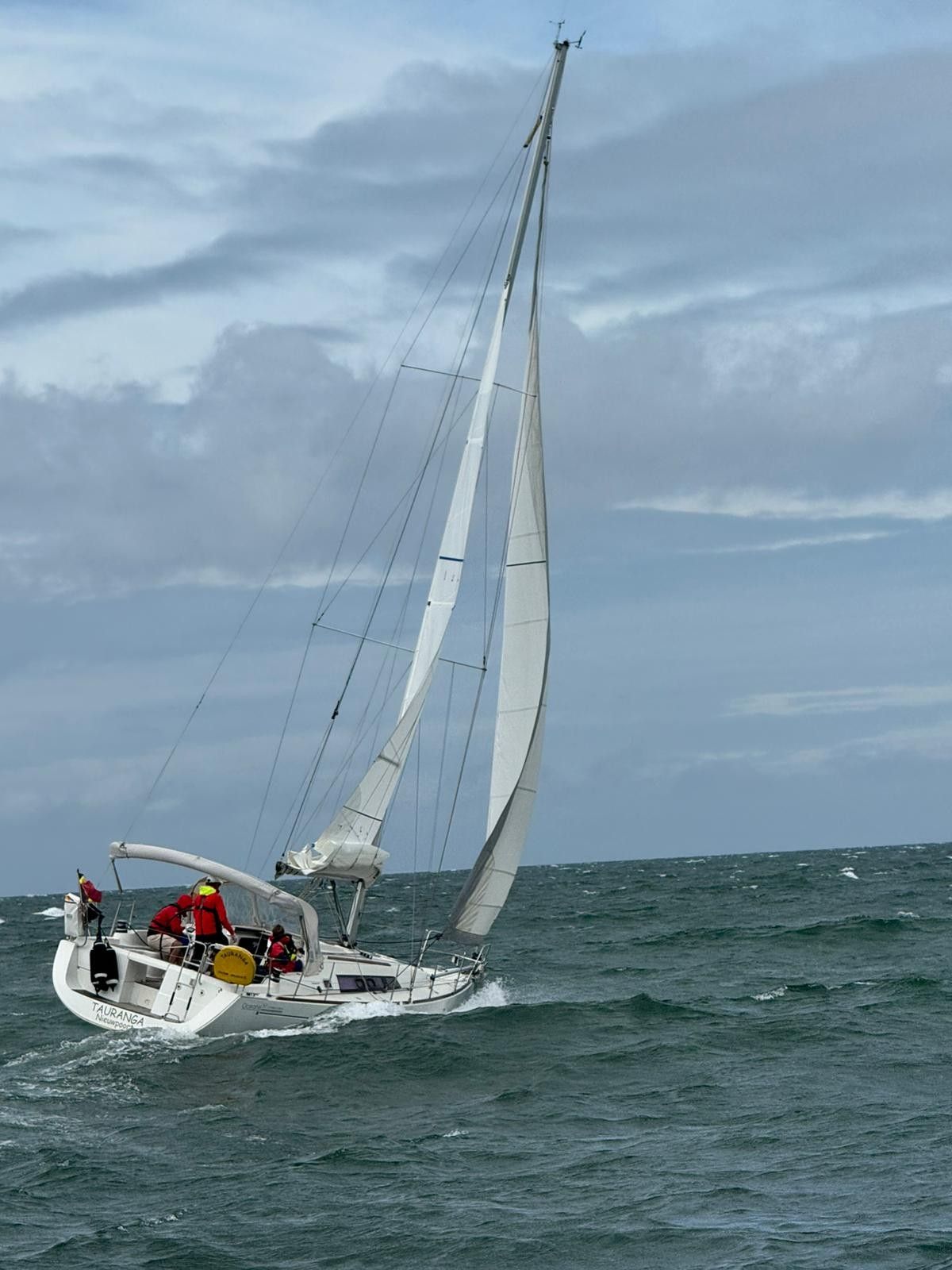
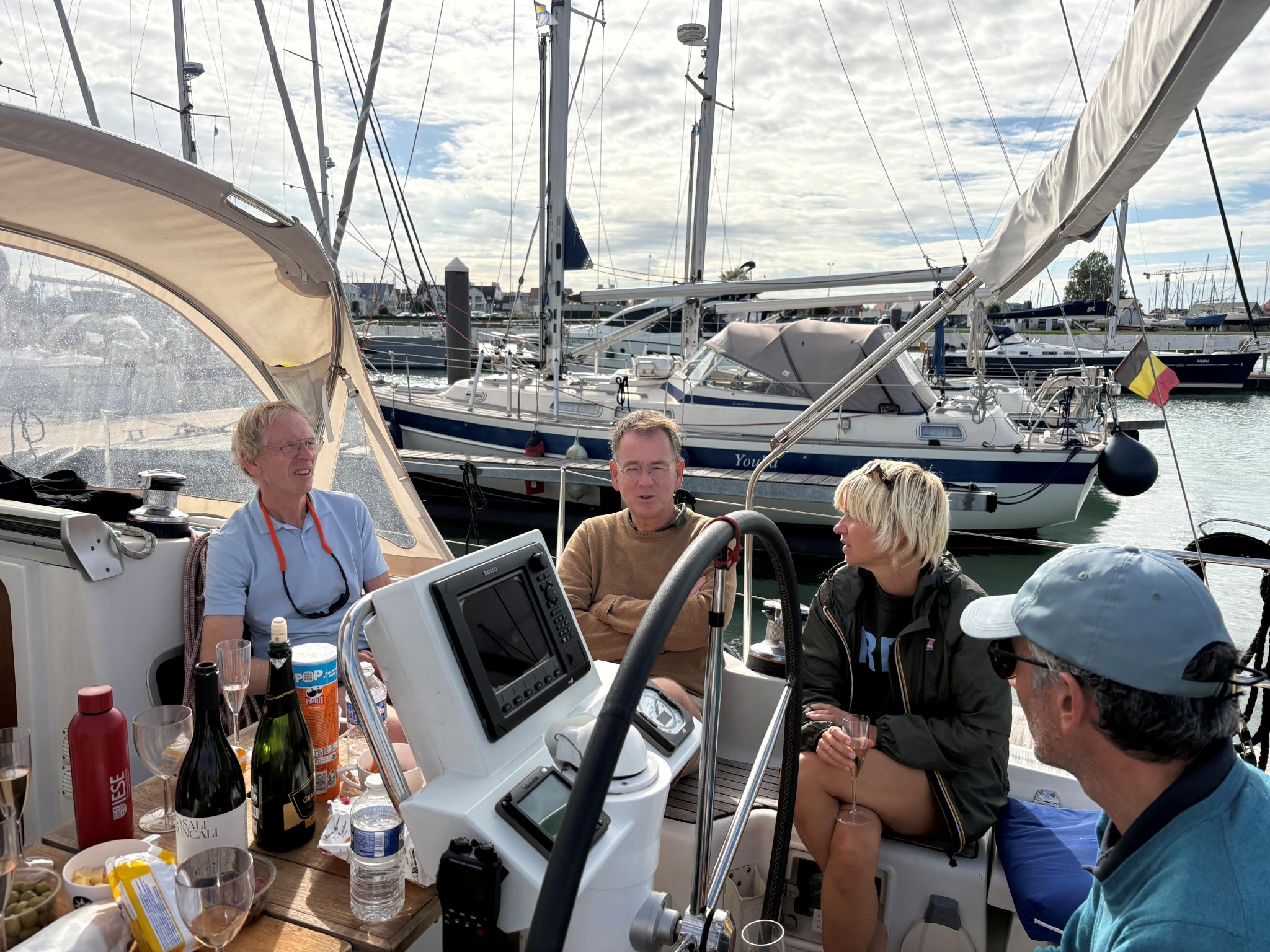
- Nothing beats a day at sea to disconnect from ... everything. Except perhaps the apéro afterwards ... If you want the full experience departing from the harbour of Nieuwpoort, book my friend and seasoned Captain Guy Vervaet (NL/FR/EN) aboard Tauranga for a day or more. No sailing experience needed. Fair warning: Sailing is highly addictive and may radically decrease your screentime that day.
- Counting down to Venice. Four days. One city. Infinite conversations. Together, we’ll explore the Biennale, immerse ourselves in the world of Marina Abramović, discover the Fondazione Dries Van Noten, and gather each evening on San Servolo - the l.arena island - for documentaries and l.arena talks in a sold-out edition. At l.arena, curiosity meets courage, perspectives collide, and generations connect. Not to find easy answers, but to rethink leadership, challenge assumptions, and imagine new possibilities for society. Venice
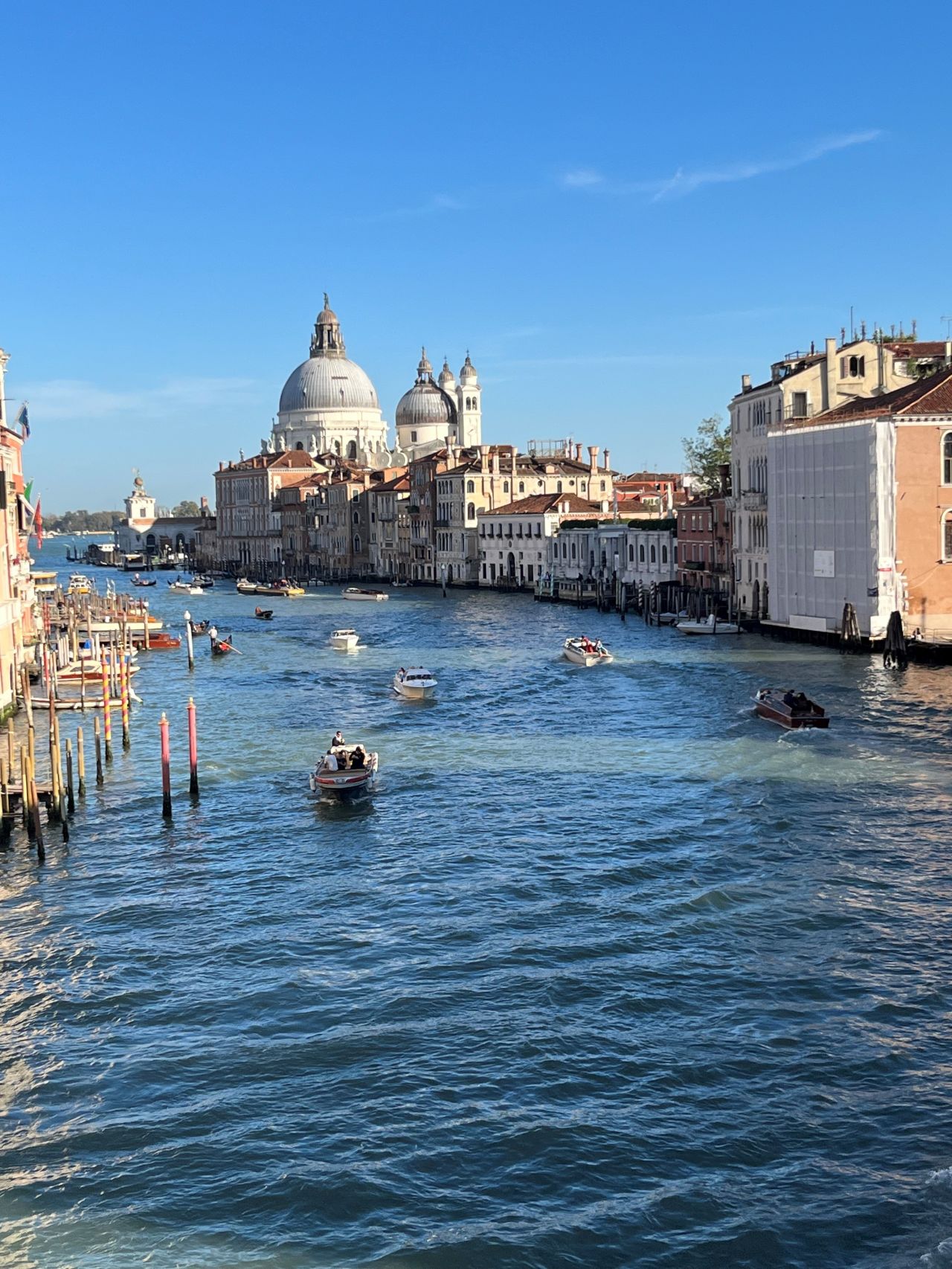
- Soon back in Venice with L.Arena for the third time. Proof that the best journeys are not about returning to a place, but about continuing a conversation. The Venice Biennale 2026 art theme, "In Minor Keys," was conceived by the late curator Koyo Kouoh. art + leadership | bridging (comm)unities
- Dorien Van Steenberge , CEO of the Wintercircus, shared the bold dream with the Wintercircus family during the Community Season Opening: "Putting Europe back on the map as global leaders in technology and entrepreneurship. Out of Ghent, Belgium." Season is open ... join the Wintercircus Ghent Collective, that's where the music is playing!
Related profiles
This page shows public professional information only, each fact cited. Is this you? send a correction, or ask for removal within 24 hours, no questions asked.