Overview
Xavier Dekeyster is the founder of DX-Solutions, which he started in March 2005 and where he remains chief executive. He is based in Harelbeke. He founded FieldGenius in August 2025, has owned Piston Classics since January 2023, and founded Double Digit - Growing Through Experience in March 2020. He has been a mentor at Start it @KBC since June 2016, and was a mentor at Netwerk Ondernemen from July 2019 to January 2024. Between September 2022 and June 2025 he was a managing partner and investor at WAN-connect. From August 2016 to January 2018 he sat on the board of JCI Harelbeke, covering public relations, business and networking.
His earlier ventures include dxADSL, which he founded in February 2005 and led until December 2011, bAUCTION, founded in February 2008, Constry.com, co-founded in February 2014, CoprospectR, co-founded in February 2015, and Billonline, founded in November 2015. He owned and taught at Studyx from 2013 to March 2020 and was a freelance trainer at Syntra West from January 2005 to June 2013. He worked as a freelance PHP developer for NMBS-SNCB, InBev and Vision++, as a customer service engineer at Barco, and as lead web developer at ID Creation. He studied electronics and multimedia at PIH (Howest) and industrial informatics at VHTI (Katho).
Career history

Insights & ideas
The through-line
Across the DX-Solutions and FieldGenius posts, Xavier Dekeyster keeps returning to one idea: real value is created in the messy middle, not in the simple cases. He builds this belief into how he talks about AI planning, AI-assisted coding, software architecture and even hiring. Early in the period covered here he is still describing FieldGenius as something being built and validated with VLAIO backing [4][9]; by mid-summer he is reporting a live client test that he treats as proof of what he "already believed for a long time" [1]. The shift is from stating a thesis to citing evidence for it.
The same instinct shows up when he talks about generative AI coding tools: he is willing to say publicly that the demos overstate how smooth the work really is, and that he still has to intervene in the code himself [11]. He applies the same standard to himself and to his product: impressive results are only meaningful once they hold up under complexity and change.
On complexity as the real test
Dekeyster frames FieldGenius's value proposition entirely around how it performs when things get hard, not when they are easy. After a blind 125-day parallel run against human planners, he reports that "op rustige dagen was de AI-planning minstens even sterk als de manuele planning," but that "op drukke dagen met veel wijzigingen, afhankelijkheden en uitzonderingen maakte Fieldgenius duidelijk het verschil," concluding "hoe complexer de puzzel werd, hoe sterker de AI presteerde" [1]. He is explicit that this is by design: "FieldGenius is niet gebouwd voor eenvoudige planningen. Het is gebouwd voor organisaties waar de realiteit voortdurend verandert" [1].
That same premise runs through how he describes the product's mechanics: "een planning is al achterhaald op het moment dat ze klaar is," which is why the system "continu bijsturen" based on live changes like traffic [2]. He traces the origin of FieldGenius directly to seeing planning as "één van de meest complexe operationele processen binnen organisaties" across dozens of client engagements [9], and extends the same logic to weather, arguing it should be treated "als een volwaardige planningsparameter" because most planning today "nauwelijks rekening" houdt with it [3].
On the gap between AI demos and reality
Dekeyster is willing to puncture his own enthusiasm about AI coding tools. After experimenting with "Claude Code, GitHub Copilot, Cursor, Windsurf, Lovable en Bolt," he says "de resultaten zijn indrukwekkend" but immediately qualifies it: "het niet altijd zo vanzelfsprekend is als sommige demo's doen uitschijnen," pointing to failure modes like "een deployment die blijft falen" or "een integratie die net niet werkt" [11]. He states plainly that "meer dan eens heb ik zelf rechtstreeks in de code moeten ingrijpen om verder te geraken," and attributes his ability to spot this to the fact that "wij bouwen zelf software en AI-oplossingen, waardoor we sneller zien waar de beperkingen vandaag nog liggen" [11].
On architecture over tools
When discussing the suite-versus-best-of-breed debate, Dekeyster's position is that the choice of platform is secondary to the design underneath it: "niet de software zelf bepaalt het succes, maar de architectuur erachter" [10]. He treats this as increasingly urgent "nu AI steeds meer toegang wil tot data, processen en kennis over verschillende systemen heen" [10], and describes FieldGenius itself in the same terms, as "geen zoveelste planningstool of ERP-module" but "een AI-gedreven intelligentielaag die bovenop je bestaande software werkt met of zonder UX/UI" [2].
On hiring for range
In his hiring posts, Dekeyster pushes against narrow role definitions. For a business development hire he specifies "geen klassieke salesfunctie, maar een rol waarin business development en accountmanagement hand in hand gaan," looking for someone who "energie krijgt van nieuwe klanten, sterke relaties opbouwen én meedenken over de digitale uitdagingen van bedrijven" [5]. For a SaaS architect role he draws the same line between execution and partnership: the person is wanted "niet om de technologiekeuzes voor ons te maken, maar om als sparringpartner een head start te geven vanuit praktijkervaring met vergelijkbare trajecten" [8].
From the stage
In the "Com uit uw kot" interview about the coronavirus crisis, Dekeyster describes DX-Solutions experiencing minimal disruption because of infrastructure the company already had in place for digital work and remote operations, and notes that the company paused only one project, and only because a client feared it would be unable to pay [12]. This concrete crisis-response detail, and the framing of resilience as a byproduct of prior digital investment rather than a new initiative, does not appear anywhere in the written posts.
Takeaways
- Before trusting an AI planning tool's claims, test it blind against real human output over an extended period; Dekeyster's own validation ran 125 days before he drew conclusions [1].
- Expect AI planning tools to show their value most on high-variability days with many exceptions and dependencies, not on quiet, simple days [1].
- Treat live external factors like weather as first-class planning parameters rather than afterthoughts, since most planning systems currently ignore them [3].
- Don't take AI coding tool demos at face value; budget time for deployment failures, integration issues, and direct code intervention even with tools like Claude Code, Copilot, Cursor, Windsurf, Lovable, and Bolt [11].
- When choosing between an all-in-one suite and specialized best-of-breed tools, focus the decision on the underlying architecture rather than the vendor promise [10].
- When hiring for business development or architecture ro
Media & appearances
- Com uit uw kotYouTubeDe blik van Xavier Dekeyster, CEO van DX-Solutions, op de crisisXavier Dekeyster discusses how DX-Solutions, which helps businesses work more efficiently through technology and innovation, experienced minimal disruption from coronavirus due to their existing digital infrastructure and remote work capabilities, though they did pause one project temporarily when a client feared inability to pay.
In the news
- De laatste tijd hadden enkele collega’s en ik heel wat gesprekken met ondernemers en beslissingsnemers. 𝗪𝗮𝘁 𝗼𝗻𝘀 𝗱𝗮𝗮𝗿𝗶𝗻 𝘃𝗼𝗼𝗿𝗮𝗹 𝗯𝗹𝗶𝗷 𝗺𝗮𝗮𝗸𝘁? Hoe goed onze slogan bij DX-Solutions, “Reclaim your IT freedom”, begrepen wordt. En hoeveel bedrijven die richting ook echt als prioriteit hebben gekozen. Een goede basis leggen. Slim nadenken over de keuzes die je vandaag maakt. Lock-in vermijden en zorgen dat je IT kan meegroeien met je organisatie. Want bouwen aan de toekomst vraagt meer dan telkens een

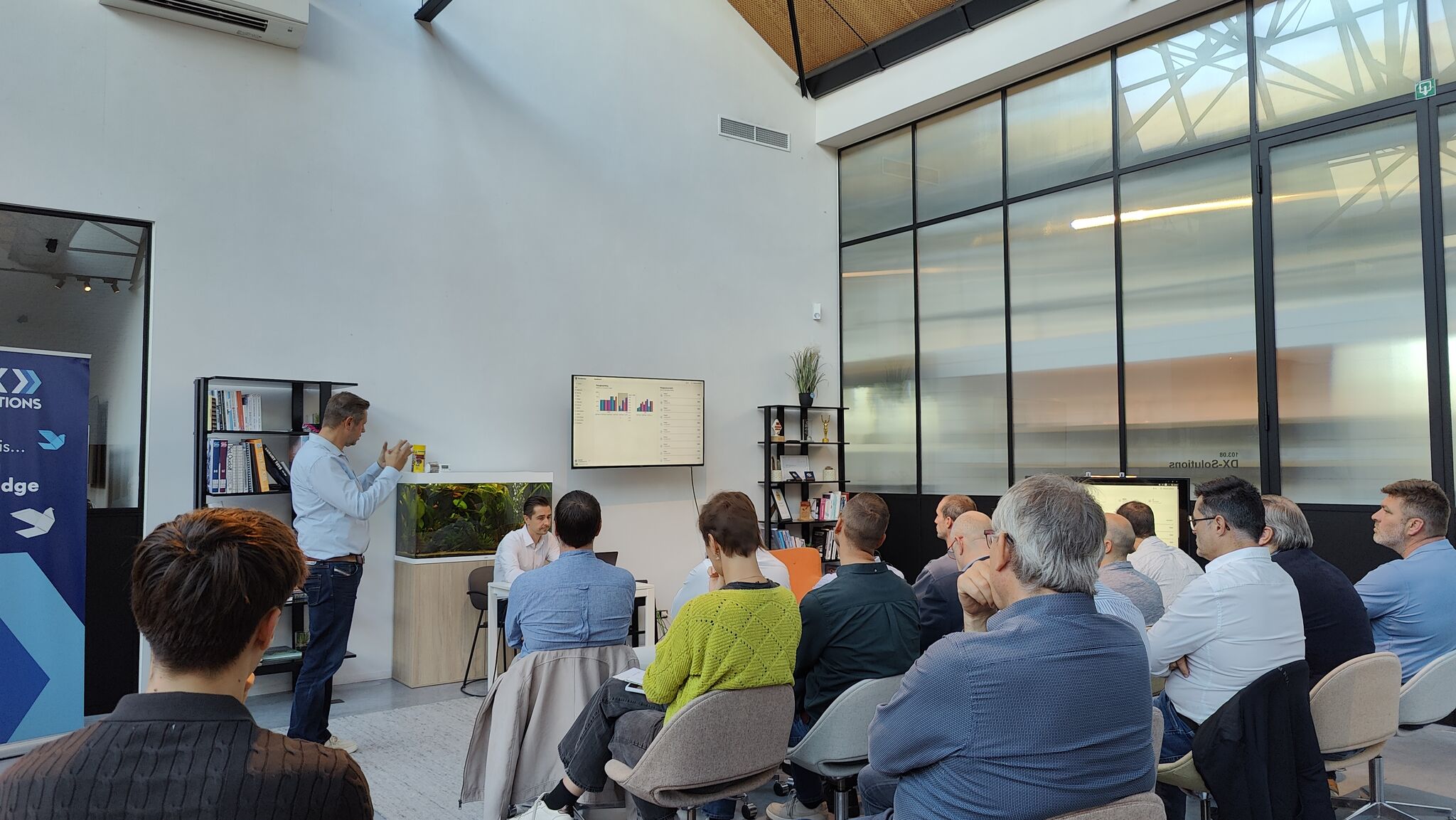
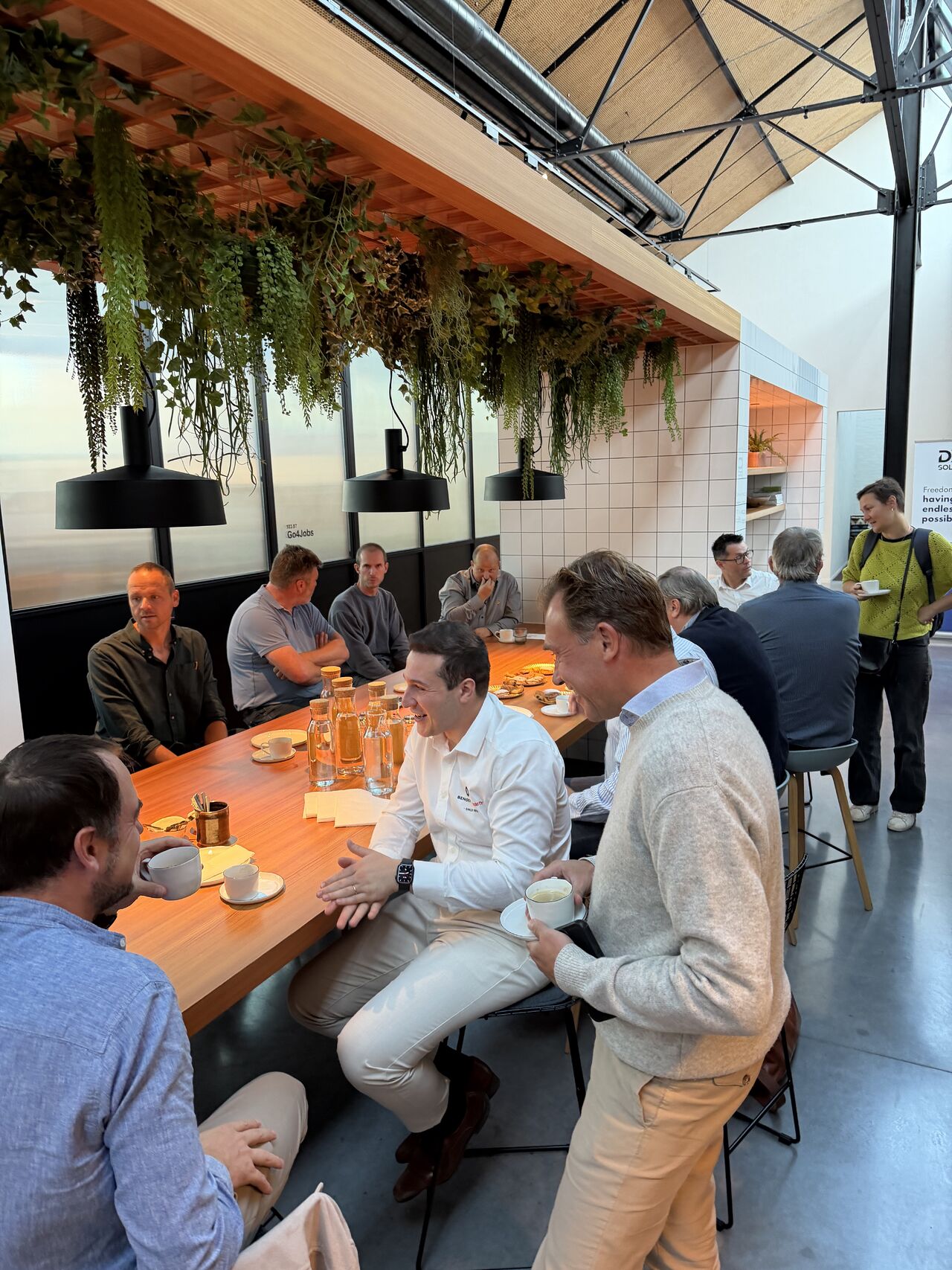
- Wat een mooie start van de dag! ☕🚀 Tijdens onze ontbijtsessie mochten we FieldGenius voorstellen aan een enthousiaste groep professionals. De sterke interesse, scherpe vragen en open gesprekken maakten deze ochtend bijzonder waardevol. Bedankt aan iedereen die erbij was en zijn of haar ervaringen en inzichten met ons deelde. Het bevestigt hoe groot de behoefte is aan een slimmere, efficiëntere planning van buitendienstteams. Trots op wat we met FieldGenius aan het bouwen zijn en vooral benieuwd naar de volgende stappen en
- 𝗛𝗼𝗲 𝘀𝘁𝗲𝗿𝗸 𝗶𝘀 𝗼𝗻𝘇𝗲 𝗲𝗶𝗴𝗲𝗻 𝘁𝗲𝗰𝗵𝗻𝗼𝗹𝗼𝗴𝗶𝗲 𝗲𝗰𝗵𝘁? We hebben 𝗙𝗶𝗲𝗹𝗱𝗚𝗲𝗻𝗶𝘂𝘀 𝘃𝟮.𝟰.𝟭 naast internationale toptechnologie voor routeoptimalisatie gelegd. Vooral bij complexe planningen met 400 klantbezoeken zet FieldGenius een opvallend sterk resultaat neer. Over 60 benchmarkscenario’s behaalt FieldGenius het 𝗯𝗲𝘀𝘁𝗲 𝗴𝗲𝗺𝗶𝗱𝗱𝗲𝗹𝗱𝗲 𝗿𝗲𝘀𝘂𝗹𝘁𝗮𝗮𝘁 𝗼𝗽 𝗿𝗼𝘂𝘁𝗲𝗮𝗳𝘀𝘁𝗮𝗻𝗱 binnen de vergelijking. En minstens even belangrijk: In 𝟯𝟱 𝘃𝗮𝗻 𝗱𝗲 𝟲𝟬 𝗰𝗮𝘀𝗲𝘀 lukt dat

- Onze FieldGenius-ontbijtsessie op 15 september loopt goed vol. Wil je ontdekken hoe je jouw serviceorganisatie slimmer en efficiënter maakt? Schrijf je dan snel in, want er zijn nog maar enkele plaatsen beschikbaar. https://lnkd.in/ebhkT9Cb

- Topteam!
- Planners en beslissingsnemers in servicebedrijven: deze ontbijtsessie is specifiek voor jullie. Een technieker valt uit. Een dringende interventie komt binnen. Een klant moet vandaag nog geholpen worden. Ondertussen moet je rekening houden met skills, regio’s, prioriteiten, reistijden, beschikbaarheden en rendabiliteit. En plots kan je planning opnieuw beginnen. Op 8 september tonen we tijdens onze FieldGenius ontbijtsessie hoe een moderne serviceorganisatie dit anders kan aanpakken. Geen theoretische sessie over AI, maar
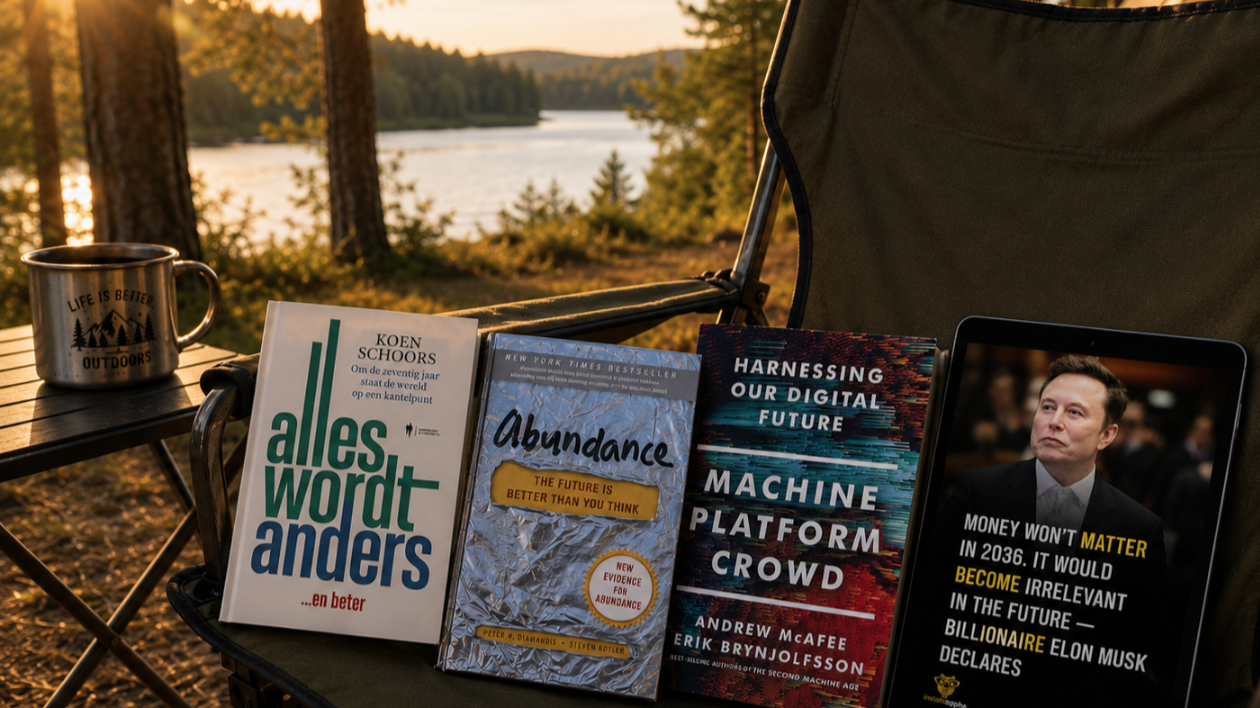
- Tijdens mijn vakantie nam ik op een paar rustige momenten de tijd om me te verdiepen in de visies van Koen Schoors, Peter Diamandis, Erik Brynjolfsson en Elon Musk over AI, automatisering, overvloed en de toekomst van werk. Hun voorspellingen verschillen behoorlijk, maar één gedachte bleef bij mij hangen: 𝗪𝗮𝘁 𝘄𝗼𝗿𝗱𝘁 é𝗰𝗵𝘁 𝘄𝗮𝗮𝗿𝗱𝗲𝘃𝗼𝗹 𝗶𝗻 𝗲𝗲𝗻 𝘄𝗲𝗿𝗲𝗹𝗱 𝘄𝗮𝗮𝗿𝗶𝗻 𝗶𝗻𝘁𝗲𝗹𝗹𝗶𝗴𝗲𝗻𝘁𝗶𝗲, 𝗮𝘂𝘁𝗼𝗺𝗮𝘁𝗶𝘀𝗲𝗿𝗶𝗻𝗴 𝗲𝗻 𝗽𝗿𝗼𝗱𝘂𝗰𝘁𝗶𝗲 𝘀𝘁𝗲𝗲𝗱𝘀 𝗴𝗼𝗲𝗱𝗸𝗼𝗽𝗲𝗿 𝗲𝗻 𝘁𝗼𝗲𝗴𝗮𝗻𝗸𝗲𝗹𝗶𝗷𝗸𝗲𝗿
- Ongelooflijk trots!! 𝗪𝗲 𝗵𝗲𝗯𝗯𝗲𝗻 𝗼𝗻𝗹𝗮𝗻𝗴𝘀 𝗲𝗲𝗻 𝗶𝗻𝘁𝗲𝗿𝗲𝘀𝘀𝗮𝗻𝘁𝗲 𝗽𝗿𝗮𝗸𝘁𝗶𝗷𝗸𝗽𝗿𝗼𝗲𝗳 𝘂𝗶𝘁𝗴𝗲𝘃𝗼𝗲𝗿𝗱 𝗯𝗶𝗷 𝗲𝗲𝗻 𝗸𝗹𝗮𝗻𝘁. Hun planners hadden 125 dagen lang alle planningen manueel opgebouwd. Diezelfde periode hebben we achteraf opnieuw laten plannen door FieldGenius 𝗔𝗜, zonder voorkennis van de gemaakte keuzes. 𝗗𝗲 𝗿𝗲𝘀𝘂𝗹𝘁𝗮𝘁𝗲𝗻 𝘄𝗮𝗿𝗲𝗻 𝗯𝗶𝗷𝘇𝗼𝗻𝗱𝗲𝗿 𝗶𝗻𝘁𝗲𝗿𝗲𝘀𝘀𝗮𝗻𝘁. ✔ Op rustige dagen was de AI-planning minstens even sterk als de manuele planning. ✔ Op drukke
This page shows public professional information only, each fact cited. Is this you? send a correction, or ask for removal within 24 hours, no questions asked.