
Overview
Founded in 2024 by Lucas Desard and Simon Logghe, Adomate positions itself as an automated creative production system for performance marketers. Rather than selling software, it operates as a subscription service that delivers ready-to-run ad creatives weekly, using brand assets, performance data, and competitor analysis to produce and optimize content continuously.
The product targets direct-to-consumer brands that run paid social advertising at volume. The promise is faster iteration, lower creative production cost, and consistent brand alignment without requiring an in-house design team or a traditional agency retainer. Adomate secured undisclosed funding in January 2026.
Co-founder Simon Logghe previously worked at ML6, the Ghent-based AI engineering consultancy, bringing a technical machine learning background to the creative automation problem.
Key people


In the news
- I think Adomate is definitely the best static ads generator I've tested." That line came in an email from one of our customers last week. He's an experienced US marketer with a YouTube channel on AI and marketing. Testing every new tool in this space is part of his job. So this one really means something to us. Honestly, we didn't see it coming. There are hundreds of AI ad generators out there. We never set out to win on image quality alone. We put our energy into everything that comes before designing the ad, because that's what

- 𝟏,𝟎𝟎𝟎 𝐩𝐞𝐨𝐩𝐥𝐞 now follow the Adomate page. That number would have looked absurd back when Adomate was an ad creative agency in Ghent, making ads for other people's brands. We wound that agency down on purpose. It was working. It was also never going to become the thing we actually wanted to build. So we traded a business that paid the bills for one that didn't exist yet: a self-serve product for the people running Meta creative every day. The early builds were rough. Some of you used them anyway, told us exactly what was
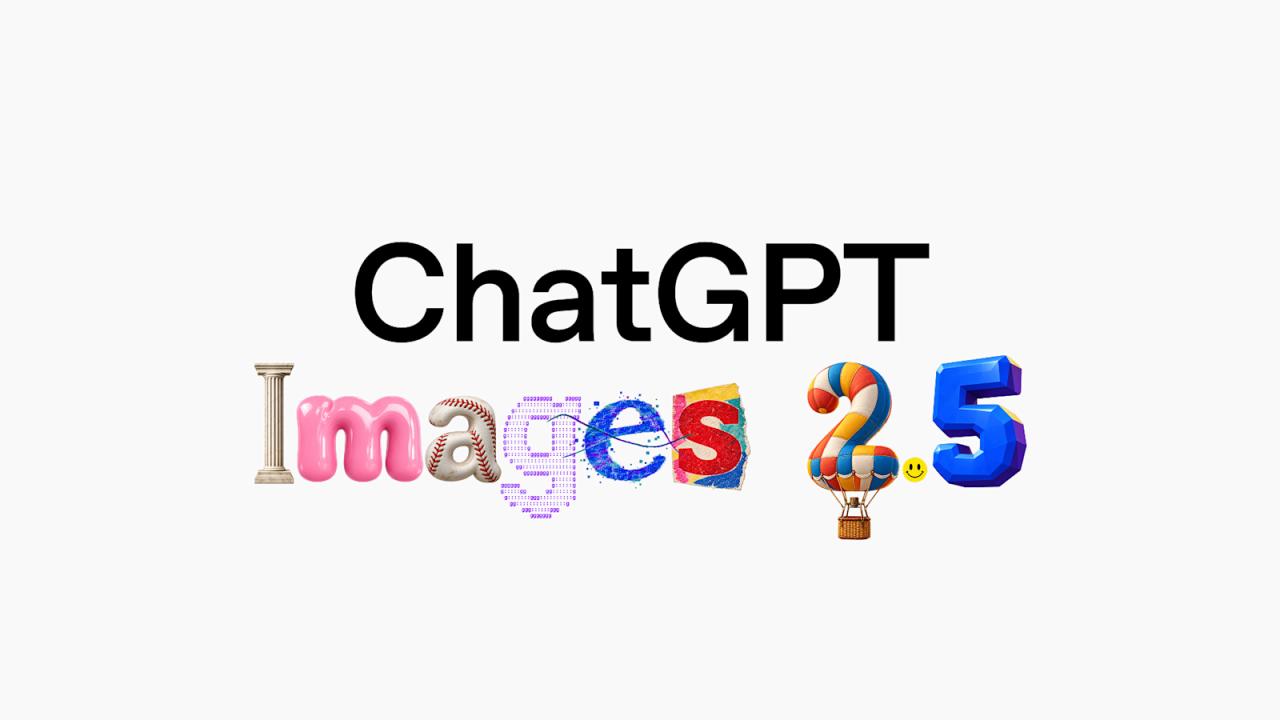
- OpenAI shipped ChatGPT Images 2.5 yesterday. If you make creative ads for a living, this is a bigger deal than the version number suggests. Three things stand out: Product fidelity. The model holds on to what is actually in your reference image. Same bottle, same label, same shape. Texture and lighting. Output reads less like a render and more like a photo. Editing. You can change one element without the rest of the frame quietly drifting. That is the difference between a usable asset and a nice demo. For scale: OpenAI says more than
- AI can now handle 80 to 90 percent of the work of making a visual. That last 10 to 20 percent is exactly where it gets interesting. I came across this article (link in comments 👇 ) from Tine Reynaers on how far AI image generation has come for advertising. The progress is impressive. But an image can be technically perfect and still feel slightly off-brand. The brand elements aren't quite right. The fonts and colors still look a little off. We ran an AI ad agency so lived this day in, day out. In many cases, human finishing is
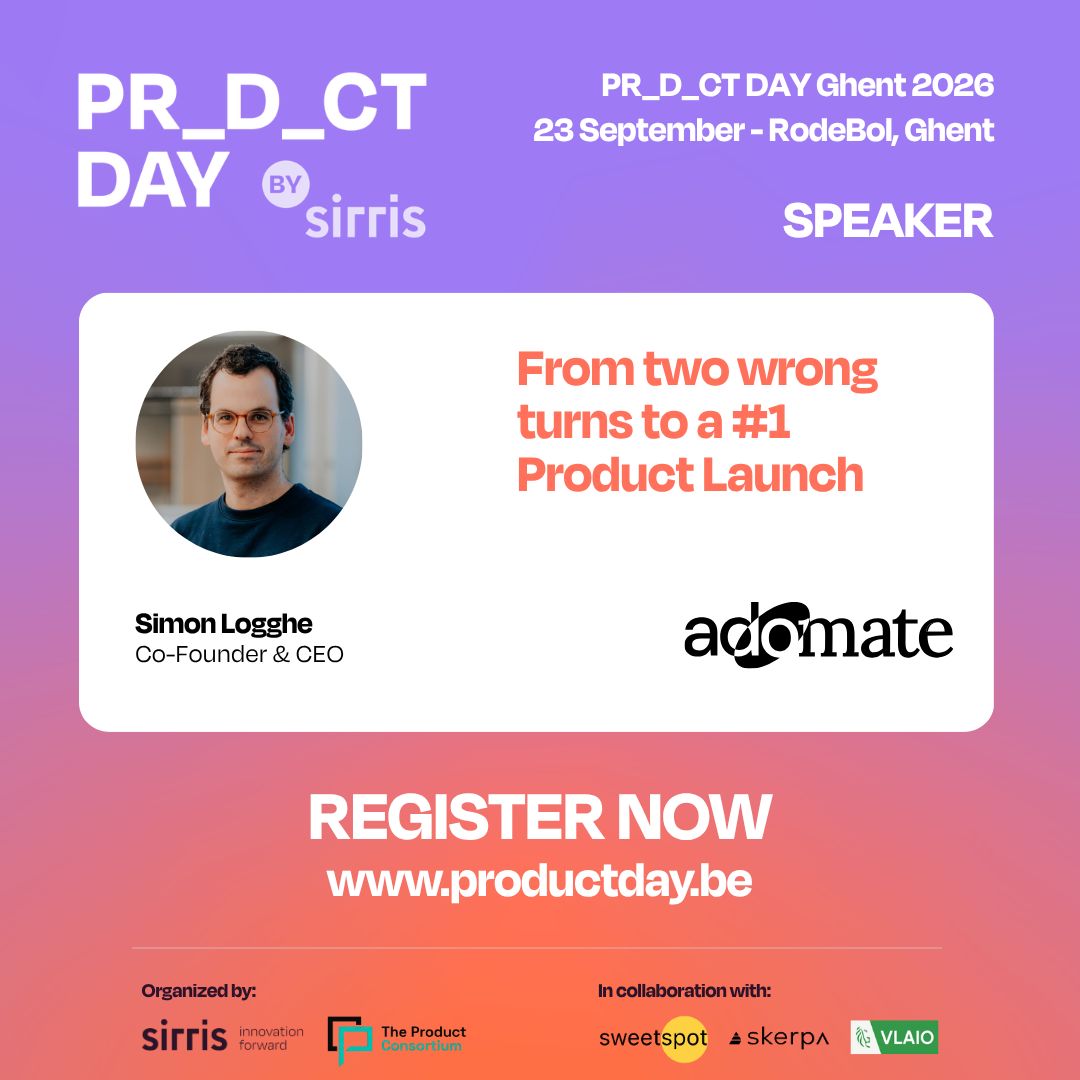
- Pivot stories often go in one direction. Ours went in a circle. 🔄 Self-Serve → Services → Self-Serve (#1 Product of the day on Product Hunt🏅) Simon Logghe, our CEO, is telling the full story on at PR_D_CT DAY 2026 in Ghent, on 23 September. Don't miss this if you're around that day. Spots are limited, link in the original post.
- I am speaking at PR_D_CT DAY 2026 in Ghent on 23 September. In my talk I'll cover our trajectory with Adomate from Self-Serve to Services to Self-Serve again. Looking forward to connecting with the Belgian product management community. Secure your spot: https://lnkd.in/e5_qiRAE Sirris | Innovation forward #ProductManagement #ProductDay
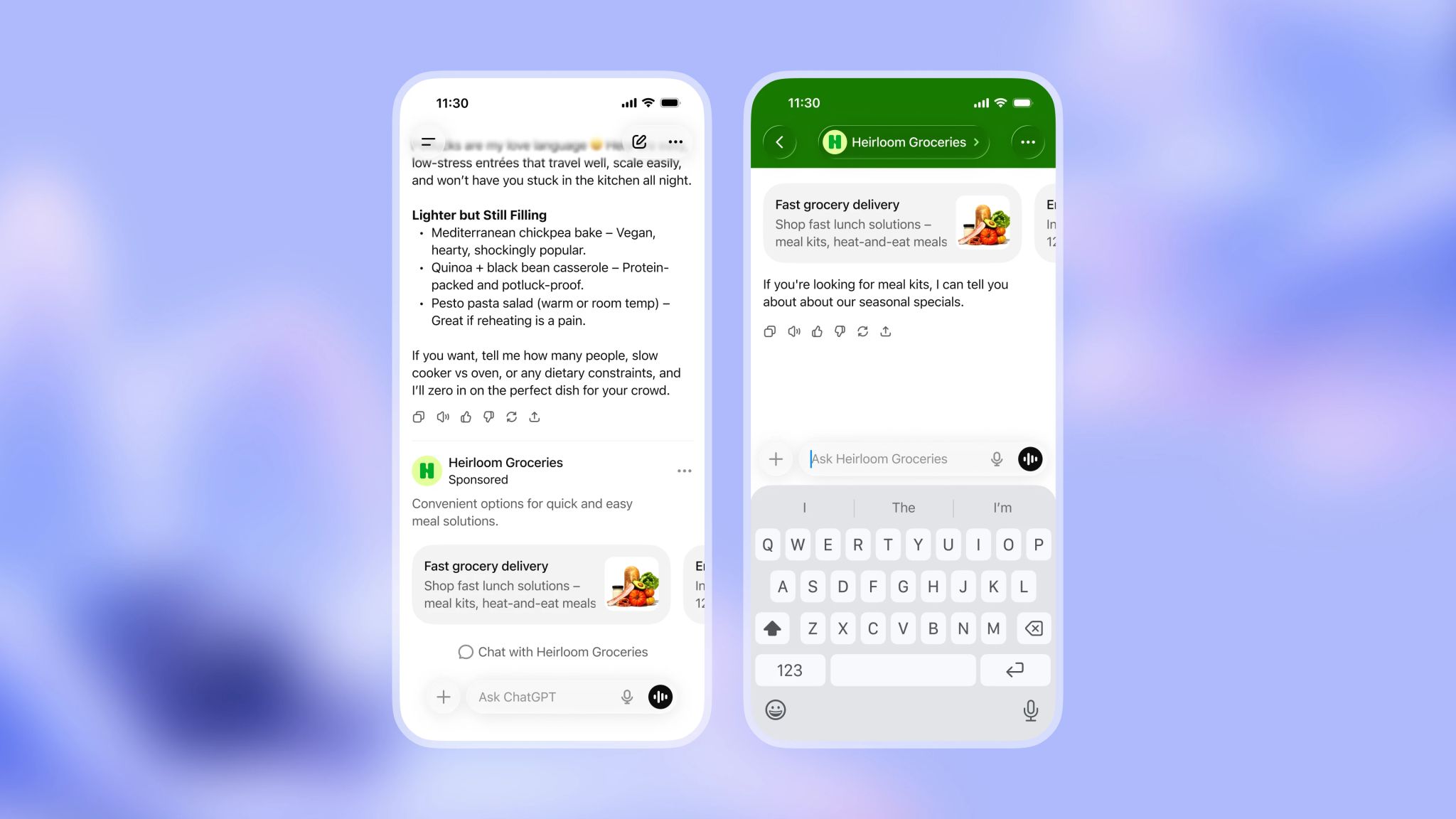
- Interesting to see De Tijd explore the arrival of advertising in ChatGPT in 31 European countries, and happy to have contributed my perspective. (link in comments 👇 ) For brands, this is more than another channel. Two things change at once. First, context. Someone typing a prompt reveals far more about their intent than someone typing a search query. Not just what they want, but why, for whom, and what is holding them back. Second, what you do with that context. If the platform understands the intent, a generic creative
- Unpopular opinion: "Your ads aren't fatiguing because Meta's algorithm changed." They fatigue because your design workflow takes 7 days. When it takes a week to approve a single static asset, you can't keep up with creative decay. The algorithm rewards: ↳ Speed ↳ Testing ↳ Volume If your production loop is slow, your performance will be falling behind too. Fix the bottleneck in your creative operations, not your targeting.

Open roles
- Founding Full Stack EngineerWavre · Feb 7, 2026
- Founding AI EngineerWavre · Feb 7, 2026
Related profiles
Something wrong or missing? Send an update. Fixed within 24 hours.