
Overview
Beebop provides infrastructure to turn distributed energy assets into measurable, tradable, and reliable value at grid scale with infrastructure-grade trust.
Key people


In the news
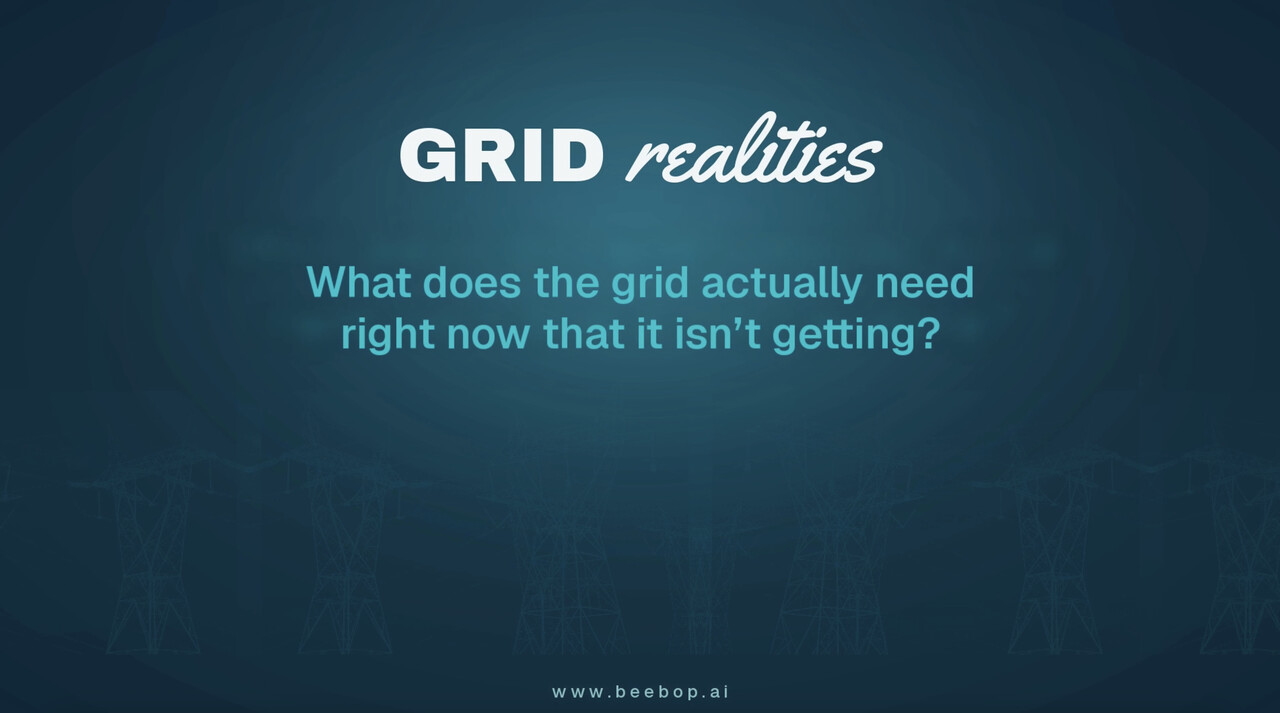
- 𝗪𝗵𝗲𝗻 𝗳𝗹𝗲𝘅𝗶𝗯𝗶𝗹𝗶𝘁𝘆 𝗶𝘀 𝗯𝗲𝗰𝗼𝗺𝗶𝗻𝗴 𝗮𝗻 𝗶𝗻𝘁𝗲𝗴𝗿𝗮𝘁𝗲𝗱 𝗽𝗮𝗿𝘁 𝗼𝗳 𝗮𝗻 𝗶𝗻𝘃𝗲𝘀𝘁𝗺𝗲𝗻𝘁 𝗱𝗲𝗰𝗶𝘀𝗶𝗼𝗻 Companies and businesses are struggling as much with the energy prices as end consumers. A commodity cost is all of a sudden moving into focus, influencing P&L statements more than they should be. Reducing this burden needs: • provision of transparency • actions to increase efficiency • provision of solar and storage for self-consumption and resilience And it doesn't stop there anymore. The
- The most common misconception about the energy transition? That the technology isn't ready. It is. The technology is here today. What's missing is coordination: market design that reflects how flexibility actually behaves, regulation that rewards innovation, and a culture of innovation inside utilities and grid operators. Solve the technology, and you've solved one piece. The coordination around it is where the transition is won or lost. In the last of three short Grid Realities videos, we answer the question directly: what's the
- We could call what we build a platform. Or a flexibility product. We deliberately don't. We call it infrastructure, because the word is a promise. Grid planners, operators, and traders aren't looking for another app or a cool product. They're making decisions that have to hold for 10, 20, 30 years, the same way they bank on their physical hardware today. In the second of three short Grid Realities videos, Beebop's CEO, Jan-Willem, answers the question directly: Why do we say "infrastructure" rather than "platform" or "flexibility"?
- Everyone assumes the grid needs more. More solar. More batteries. More EVs. They're already here, sitting at customer premises, doing almost nothing for the wider system. What the grid actually needs is orchestration infrastructure: a layer that brings all these distributed resources into the power system reliably, so everyone from grid operators to asset owners can benefit. In the first of three short Grid Realities videos, our CEO Jan-Willem Rombouts answers the question directly: what does the grid actually need right now
- We launched 𝑩𝒆𝒆𝒃𝒐𝒑 𝑳𝒂𝒃𝒔 this week. It is the research layer that keeps our platform state of the art, not just for the grid we operate in today, but for the one coming next. Bert Claessens, our Co-Founder & CPO, wrote about the five fundamentals Labs is working on. Worth a read if you work in energy AI or power systems. https://lnkd.in/e84KYCxP #EnergyAI #PowerSystems #EnergyTransition #VirtualPowerPlant #MachineLearning #Deeptech #EnergyFlexibility Check out the page: www.beebop.ai/labs
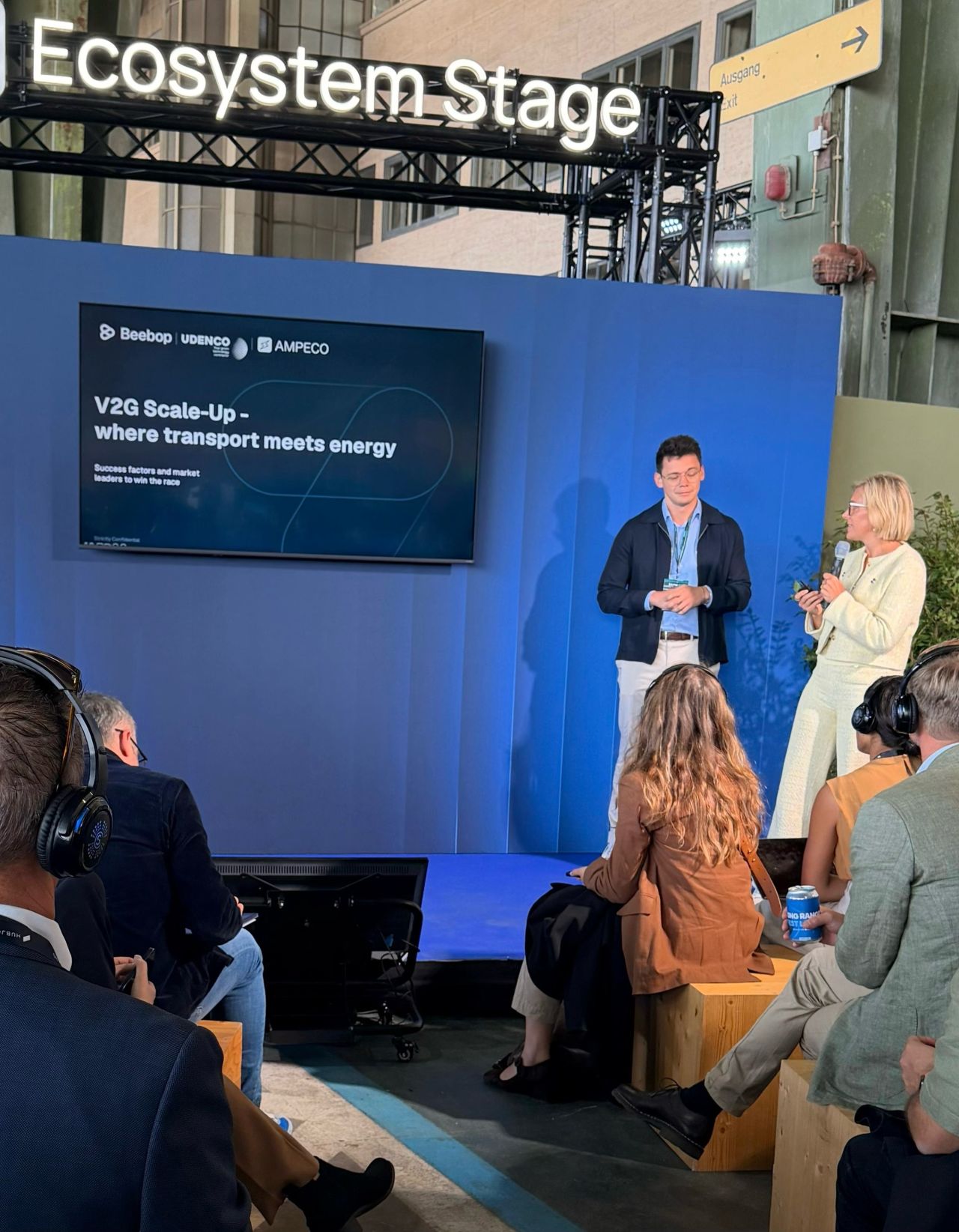
- ICNC - The Technology is there - but what is missing to make Smart Charging and V2X at Scale happen? Integration and Adoption. A so event spot at the former Berlin airport with all major Charge Point Operators, MSP’s, Manufacturers etc. present. Each of them excellent in their part of the value chain. But getting more and more under pressure as the industry is maturing. To survive the increasingly high competitiveness and consolidation the combination of mobility and energy provides a pathway to sustainable profit. Still the key
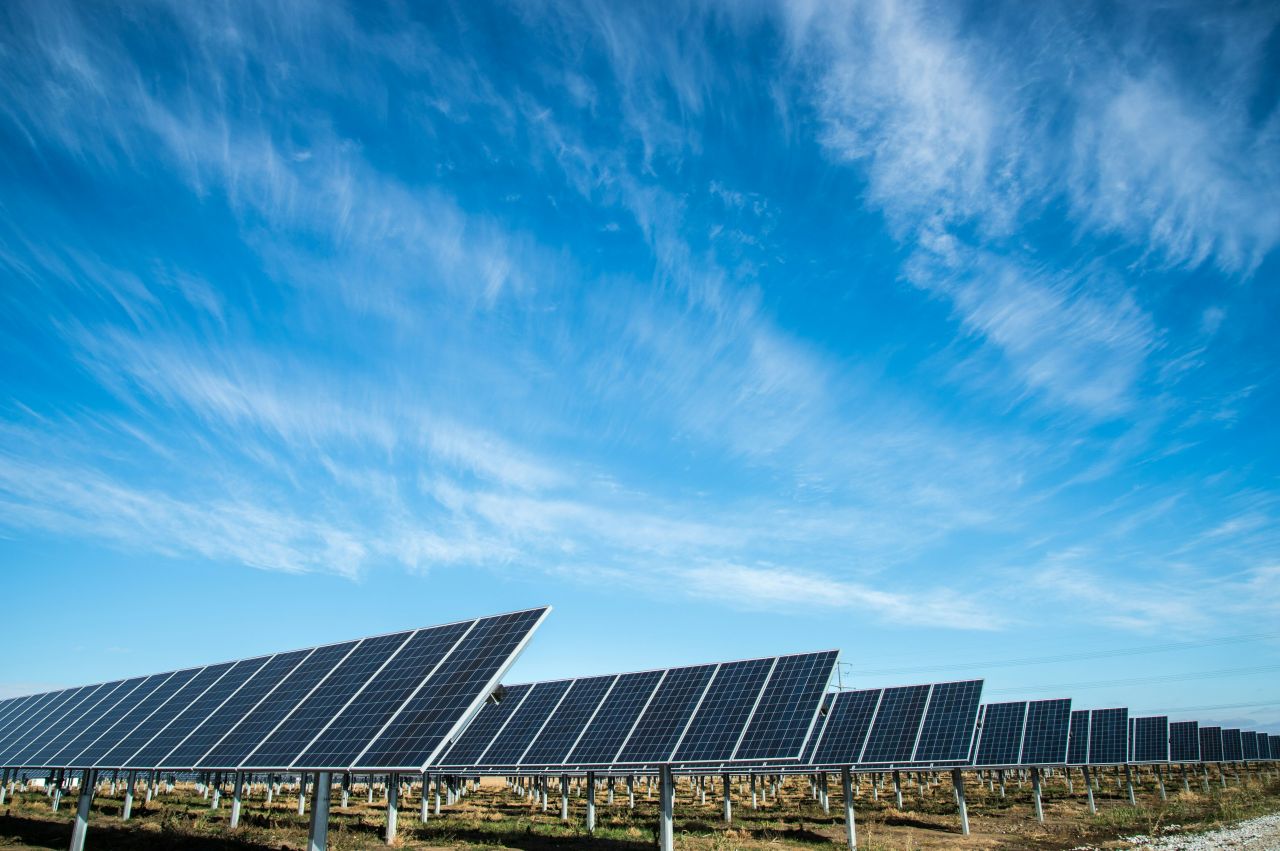
- We have never had more intelligence, and never faced tighter limits on the power to run it. More than 2,000 gigawatts of generation and storage sit stuck in the US interconnection queue alone, with the same bottleneck now forming across Europe. Yet solar, storage and demand-side flexibility are all on exponential curves of their own. The question is whether we can connect them fast enough. Because every token traded rests on an electron traded first. In a new blog post, our CEO Jan-Willem Rombouts sets out the three bottlenecks:
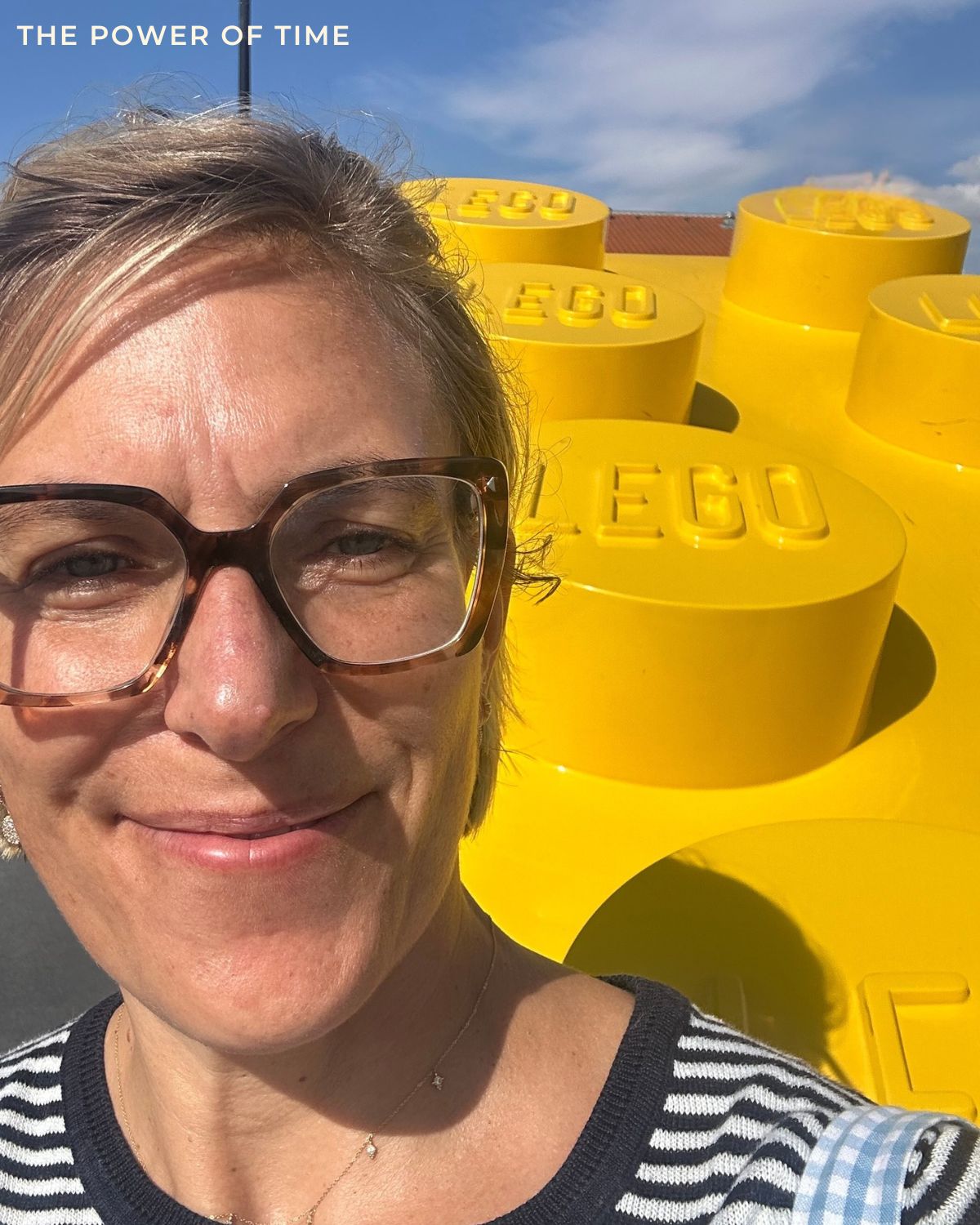
- 68 years of standardization- a toy solved a problem that energy technology is struggling with I am in Billund - Denmark, and spend yesterday with thousands of kids and billions of the LEGO Group Bricks. While enjoying my time, one thing specifically catched my attention - no matter which brick and how old, they always fit together, since 1958. Would wish for the same in the energy transition. We have managed to build our bricks, with solar, storage etc. but unfortunately they do not always fit- hidden behind individual APIs,

Something wrong or missing? Send an update. Fixed within 24 hours.