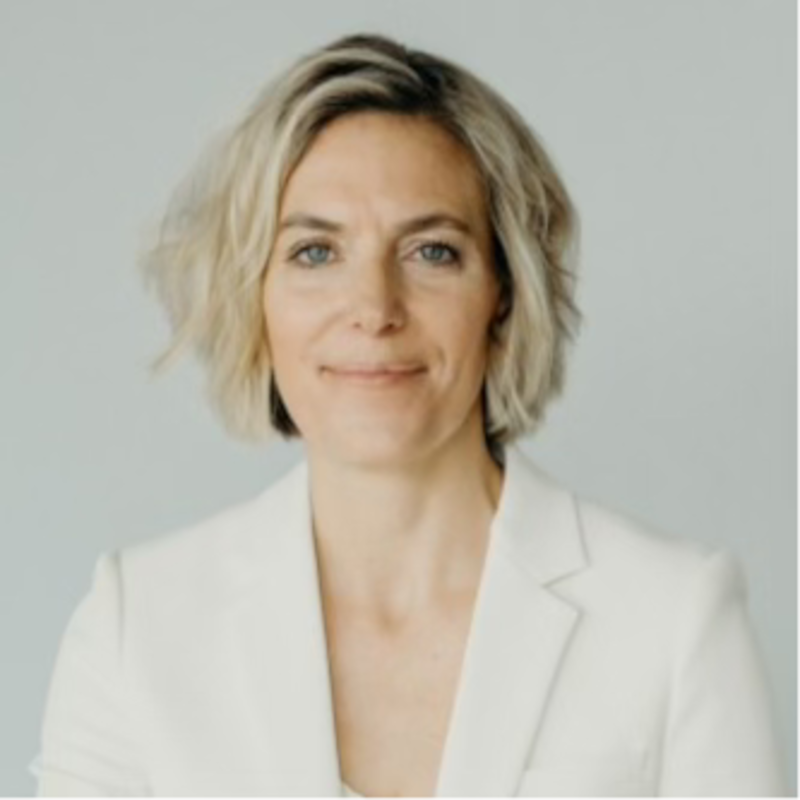
Overview
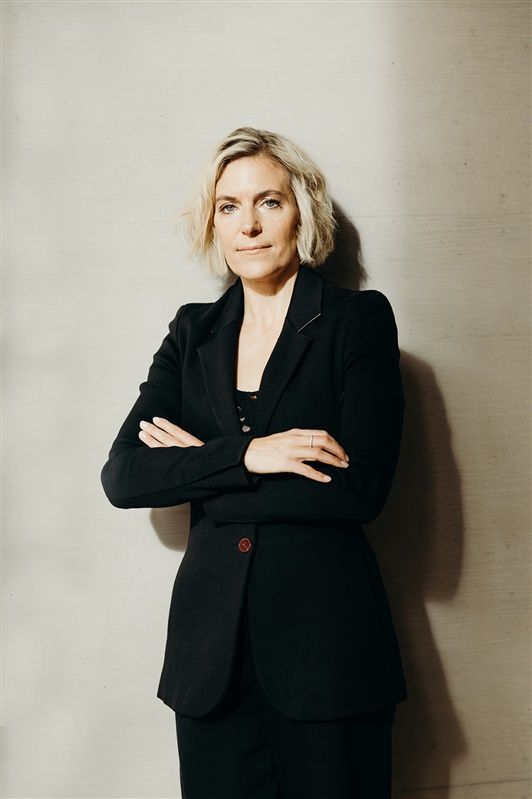
Sandra Trittin is a co-founder of beebop, which she started in September 2023 and where she has served as chief growth officer since November 2023. She is based in Zürich. She founded xadvice in April 2023 and holds a number of board and advisory positions: advisory board member at Qvantum International since September 2025, member of the board of directors of ADEV Energiegenossenschaft since June 2023, advisory board member at Junction Growth Investors since September 2022 and board member at Energie 360° AG since March 2022. She advised the board of Cleanwatts between May 2024 and February 2025 and was a board member of myStrom AG from June 2020 to March 2024.
Trittin co-founded tiko Energy Solutions AG in January 2013 and was its chief strategy officer until September 2022. Before that she spent a decade at Swisscom, from November 2002 to January 2013, working in strategy, software architecture team leadership and structural optimisation.
She holds an MBA from Mannheim Business School and studied at Copenhagen Business School, the University of Warwick - Warwick Business School, INSEAD and the Swiss Board School.
Career history

Insights & ideas
The through-line
Across her posts, Sandra Trittin keeps returning to one claim: the energy transition is not blocked by missing technology but by missing structures to make that technology work together and pay for itself. She states it directly about flexibility - "It is not a technology problem. Heat pumps, batteries, EVs, solar: all exist, market-ready... What is missing is the business model that turns them into reliable infrastructure" [5]. This runs from her account of building the first European residential VPP, where the business case first looked strong and then collapsed as ancillary-service prices fell "from CHF 190 per MW/h to CHF 9" [7], to her repeated calls for standardization "behind hidden APIs, specifically developed protocols" that never reach mass acceptance [2]. Over time the focus has widened from a narrow monetization problem (ancillary services) toward a broader systemic one: aligning value chains, regulation, data trust and consumer understanding all at once.
On making complexity understandable
Trittin repeatedly returns to the gap between technical reality and what a customer can actually grasp. She contrasts an easy-to-explain solar eclipse price spike with a harder one: "today, the sun is shining but prices are still expected to rise?... why do jelly fish in France impact my power price in Germany? Explaining this to e.g. my oncle takes a bit of time" [1]. She sees the task as "moving the complexity of the second case into easy to understand examples as the first" [1]. The same gap shows up in a concrete tariff example: a good industry idea to shift load with lower midday network fees collides with the customer's actual questions - "Sommerniederarbeitspreis: was ist das und wie jetzt? Um welche Zeit?" and "warum Netzgebühren und nicht Strom" [8]. Her verdict: "Die Idee ist gut. Ein erster Schritt. Der Gap noch gross" [8].
On standardization and interoperability
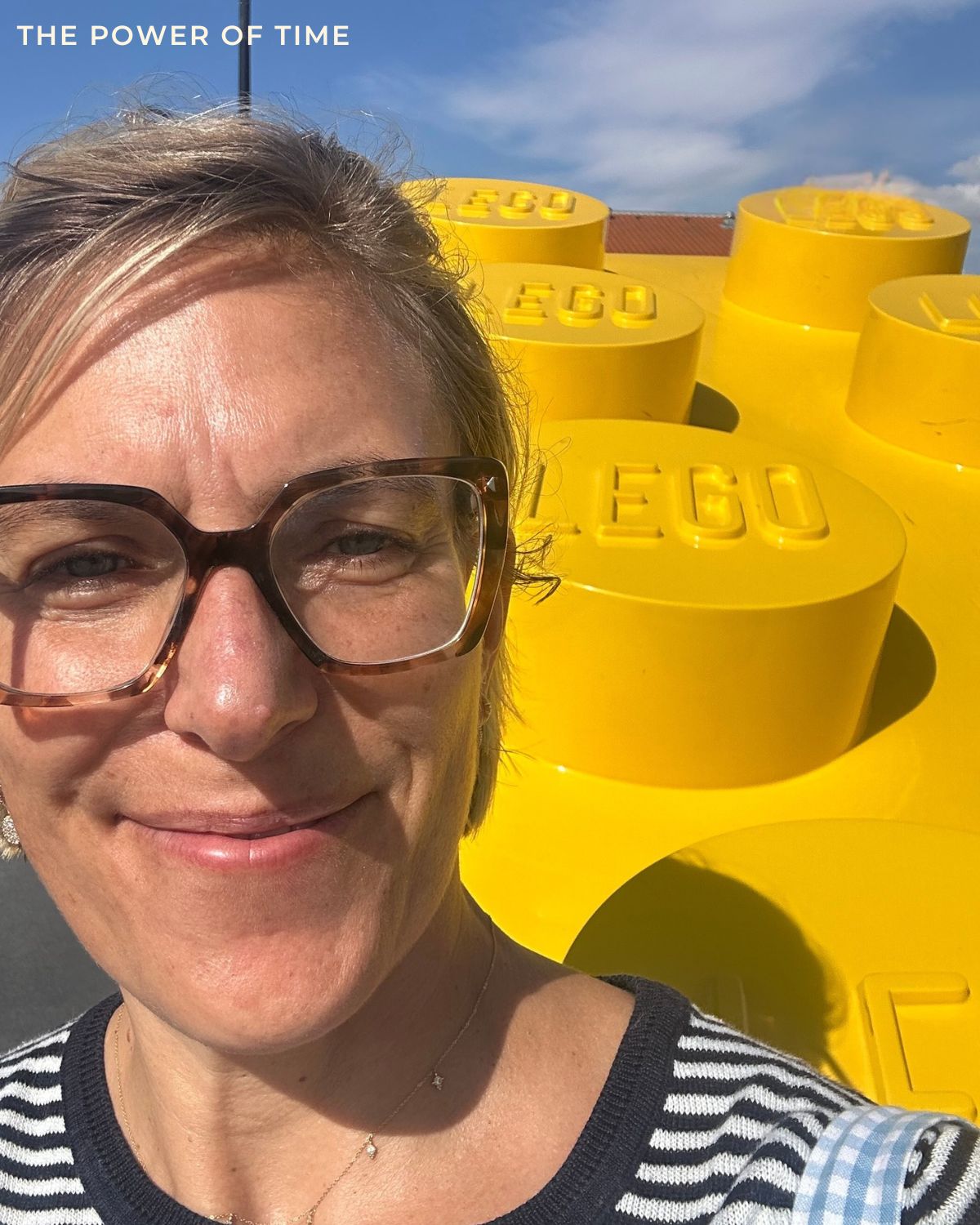
Watching LEGO bricks fit together regardless of age, she wishes for the same in energy: "We have managed to build our bricks, with solar, storage etc. but unfortunately they do not always fit- hidden behind individual APIs, specifically developed protocols or standardization initiatives which are not reaching mass acceptance" [2]. She names the underlying conditions as alignment across the whole value chain and shared distribution of "effort, risk and value" [2]. This connects to her view on proving impact in flexibility: "Trust follows granularity of data" and standardization is needed "for interconnection and data" [10].
On business models and value stacking
Her account of entering the flexibility market shows the arc from optimism to pressure: "When I started in flexibility, provision of ancillary services were a lucrative business," which justified building "the first European Residential VPP based on heating systems for FCR services" [7]. The payoff was mixed - "happiness on one side to have passed the technical proof, but disappointment on the other: 9 CHF/MW/h the only value left in the market and the business model at risk" [7]. Her conclusion is that "value stacking for flexibility is non negotiable" [7], echoed in her broader claim that efficiency measures alone are insufficient and "flexibility is crucial" for using assets that already exist "without building a single new one" [5]. She extends this to hardware manufacturers, framing them at a crossroads as "a bridge or a tollgate between the customer and the power system" now that "software layers for monitoring, control and aggregation get into focus and keep manufacturers up at night" [6].
On collaboration and systemic alignment
Trittin frames distributed energy resources through a political analogy, comparing Swiss federalism's "735 Live Betrieb, ohne einen Systemausfall" to distributed power plants where "jedes der teilnehmenden Geräte optimiert sich lokal und unterstützt gleichzeitig... die Belastbarkeit und Sicherheit der Stromversorgung" [4]. She calls this combination of "lokaler Eigennutzen kombiniert mit übergreifender, systemdienlicher Optimierung" not simple but forward-looking [4]. The same emphasis on shared effort appears in her reflection on a swisscleantech event: "wir schaffen es nicht alleine, die notwendige Power und Geschwindigkeit erreichen wir nur gemeinsam" [14], and in her description of climate cooperation as resting on openness, common ground and clear value definition for "consumers" and other parties [13]. She also uses resource scarcity - shrinking Lake Zürich, a shut-down nuclear plant on an overheated river - to argue for paying closer attention to "input sources" underlying electricity production [3].
From the stage
In the Solar&StorageXtra interview she lays out operational obstacles to scaling virtual power plants that her written posts don't detail: regulatory complexity around market access for distributed energy resources, the high upfront financing cost for consumers buying heat pumps and storage systems, and a scarcity of skilled installers needed for deployment [15]. She frames Beebop's mission there as aggregating "thousands of individual assets into virtual power plants that can be traded in energy markets like traditional power stations" [15], stating the commercial goal more plainly than in her LinkedIn commentary.
Takeaways
- When explaining price spikes or tariff changes to customers, translate the technical cause into an intuitive comparison rather than the mechanism itself [1][8].
- Treat interoperability as a first-order problem: fragmented APIs and protocols are blocking flexibility from reaching mass adoption the way LEGO bricks reached universal compatibility [2].
- Expect ancillary-service revenue for flexibility assets to compress over time; design business models around stacked value streams rather than a single market [7].
- Efficiency technologies (heat pumps, batteries, EVs, solar) are already market-ready; the constraint is the business model and consumer product wrapped around them, not new hardware [5].
- Hardware manufacturers need to decide whether to become a "bridge" enabling software-driven flexibility value or a "tollgate" resisting it, which requires reworking sales, distribution and installation [6].
- Before scaling any distributed energy resource program, budget explicitly for regulatory market-access complexity, consumer financing barriers, and installer capacity shortages [15].
Media & appearances
- Solar&StorageXtraYouTubeInterview with Sandra Trittin, Co-Founder and CGO of BeebopSandra Trittin discusses Beebop's mission to connect consumer electrical devices into the energy system to reduce energy costs and CO2 emissions by aggregating thousands of individual assets into virtual power plants that can be traded in energy markets like traditional power stations. She identifies three major challenges: regulatory complexities around market access for distributed energy resources, the high upfront financing costs for consumers to purchase devices like heat pumps and storage systems, and the scarcity of skilled installers needed for deployment.
In the news
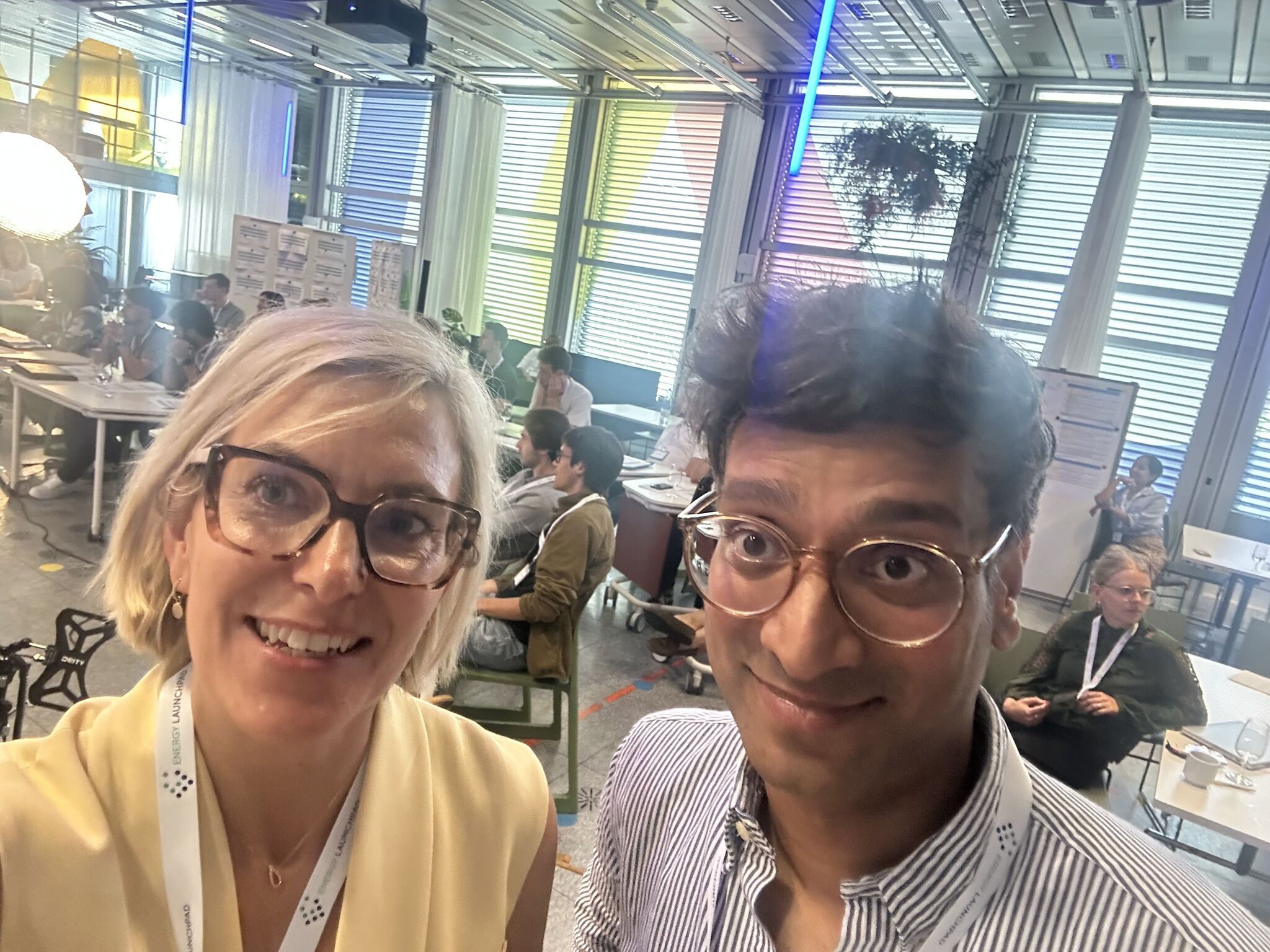
- 𝗪𝗵𝗮𝘁 𝗺𝗮𝗸𝗲𝘀 𝘄𝗼𝗿𝗸𝗶𝗻𝗴 𝗶𝗻 𝘁𝗵𝗲 𝗲𝗻𝗲𝗿𝗴𝘆 𝘀𝗲𝗰𝘁𝗼𝗿 𝗲𝘅𝗰𝗶𝘁𝗶𝗻𝗴? 𝗜𝘁 𝗶𝘀 𝘆𝗼𝘂𝗿 "𝗮𝗹𝘄𝗮𝘆𝘀 𝗼𝗻" 𝗰𝗼𝗻𝗻𝗲𝗰𝘁𝗶𝗼𝗻 𝗹𝗶𝗻𝗲 𝘁𝗼 𝘁𝗵𝗲 𝗰𝘂𝘀𝘁𝗼𝗺𝗲𝗿... My answer to the question yesterday at the Energy Launchpad Session: Meet the entrepreneur, discussing with S. Manoj Harasgama While technology development gives innovation excitement, the real proof sits in the implementation and adoption. On every end of the line there is a real customer, driving two aspects to be balanced.
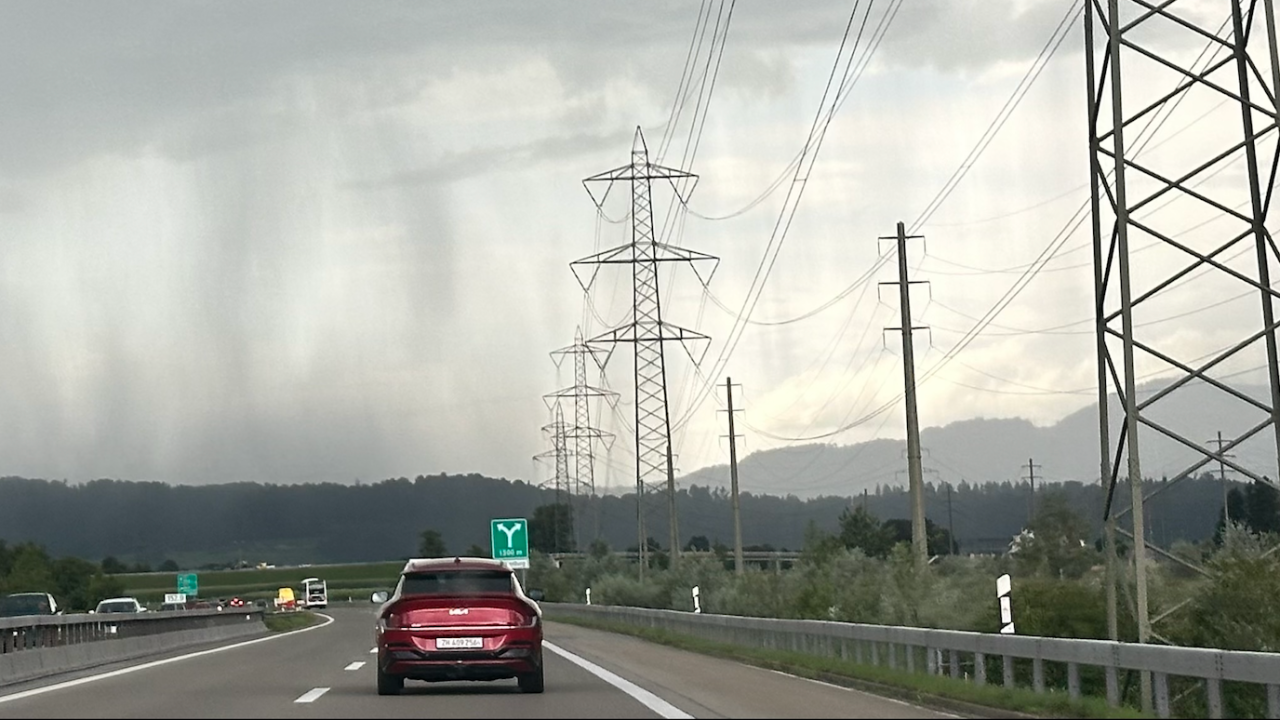
- E-Mobility is turning into an infrastructure asset, but no one told the customer. The technology is there - and the business models for scale?
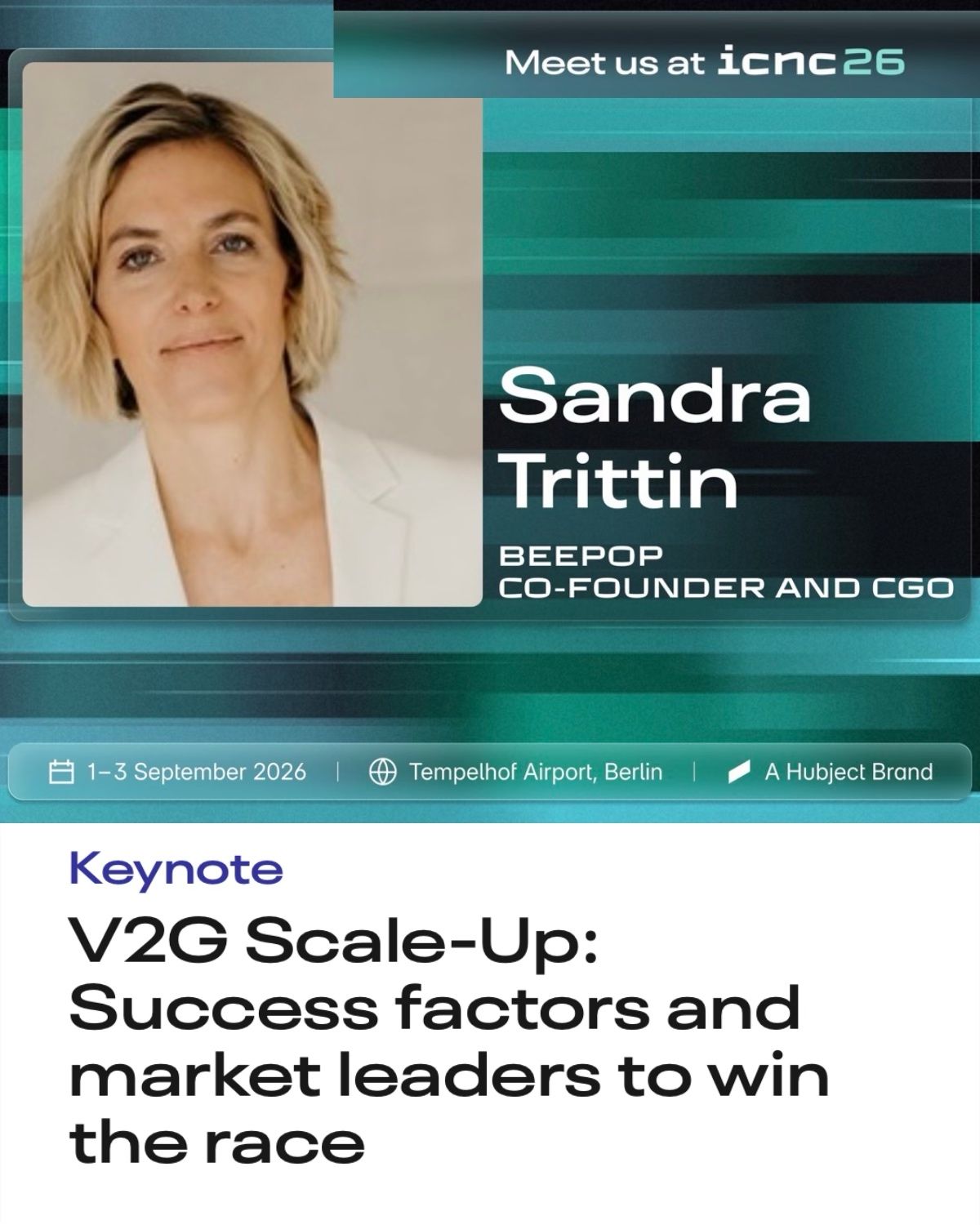
- ICNC - The Technology is there - but what is missing to make Smart Charging and V2X at Scale happen? Integration and Adoption. A so event spot at the former Berlin airport with all major Charge Point Operators, MSP’s, Manufacturers etc. present. Each of them excellent in their part of the value chain. But getting more and more under pressure as the industry is maturing. To survive the increasingly high competitiveness and consolidation the combination of mobility and energy provides a pathway to sustainable profit. Still the key
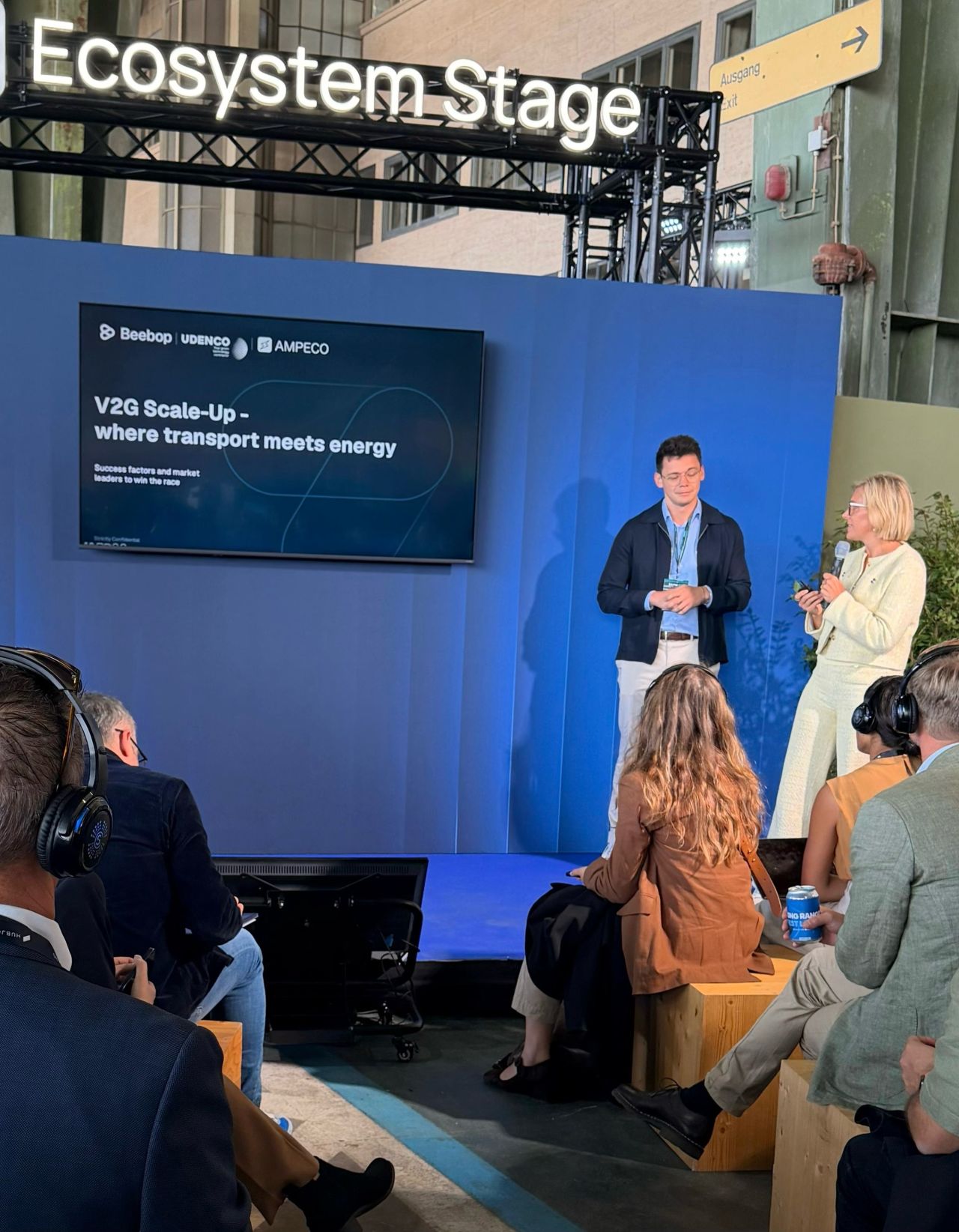
- It takes a car to make a driver happy, it takes an ecosystem to integrate it into the power sector We have everything we need from a technology perspective- now it is about business models, value generation and the customer who “only “ has to plug in. Looking forward to combine the power perspective with customers mobility needs and flexibility services. Providing insights on the success factors on transforming the moveable battery capacity into predictable and reliable assets at scale. ⏰ 1.9.2026 at 17.30 🎯Ampeco Ecosystem
- The most valuable sentence I've heard in a recent board meeting was: "I don't think the market is there yet." - a trigger for an uncomfortable key competence Nobody wanted to hear it as the product worked and the pilots ran. The team was proud, and rightly so. But the customers buying were not the customers in the business plan. And the upcoming round being prepared assumed the ones in the plan. In these situations a board has one essential goal: Alignment. Which means ensuring → the fit between solution and market → the
- Consumer awareness for energy flexibility services has never been as high as yesterday 19.15 - yesterday, the moon is starting to move in front of the sun, energy production out of solar dropping, energy prices are rising. An understandable cause with a consequence. Customers have an understanding, they can see the reason and it is easy to follow - less sun, scarcity, higher prices. 19.15 - today, the sun is shining but prices are still expected to rise? There is also shortage but for a different reason. The heat wave, high water

- 68 years of standardization- a toy solved a problem that energy technology is struggling with I am in Billund - Denmark, and spend yesterday with thousands of kids and billions of the LEGO Group Bricks. While enjoying my time, one thing specifically catched my attention - no matter which brick and how old, they always fit together, since 1958. Would wish for the same in the energy transition. We have managed to build our bricks, with solar, storage etc. but unfortunately they do not always fit- hidden behind individual APIs,
- 𝗔𝗻𝗱 𝗮𝗹𝗹 𝗼𝗳 𝗮 𝘀𝘂𝗱𝗱𝗲𝗻 𝗶𝘁 𝘄𝗮𝘀 𝗴𝗼𝗻𝗲… Luckily there is still some - but getting less every day: water at lake Zürich. It shows nicely what we know but don't pay attention enough. The dependency of business models like electricity production on resources of which some get more and more limited. All of a sudden you can walk in the lake double as far as in May and ships start to get stuck because of missing depth. Energy production of the related hydroelectric power stations have to be managed cautiously regarding
Related profiles

This page shows public professional information only, each fact cited. Is this you? send a correction, or ask for removal within 24 hours, no questions asked.