
Overview
Founded in 2018 by Wim Van Criekinge and Gerben Menschaert, professors at Ghent University's computational genomics lab, alongside biotech entrepreneur Jan Van den Berghe, BioLizard emerged from academic deep expertise in computational biology. The founders had previously co-launched the Novalis Biotech investment fund, giving them both scientific and commercial grounding.
The company serves biotech, pharmaceutical, and diagnostic companies, as well as research institutions, helping them with biomedical data analysis, data mining, data integration, pipeline development, machine learning, and software engineering. Its BioVerse platform provides technology infrastructure alongside consulting expertise, accelerating drug discovery and development workflows.
BioLizard has grown to 60 employees, a mix of scientists, engineers, and strategists. The company posted 249% revenue growth in the Deloitte Technology Fast 50 Belgium 2025, signaling that demand for specialist biomedical data science services remains strong as life sciences organizations build out their data and AI capabilities.
Key people

In the news
- 𝗔𝗜 𝗵𝗮𝘀 𝗰𝗵𝗮𝗻𝗴𝗲𝗱 𝘁𝗵𝗲 𝘄𝗮𝘆 𝘄𝗲 𝗮𝗽𝗽𝗿𝗼𝗮𝗰𝗵 𝗯𝗶𝗼𝘁𝗲𝗰𝗵 𝗿𝗲𝘀𝗲𝗮𝗿𝗰𝗵, 𝗯𝘂𝘁 𝗮𝗿𝗲 𝘄𝗲 𝗺𝗮𝗸𝗶𝗻𝗴 𝘁𝗵𝗲 𝗺𝗼𝘀𝘁 𝗼𝗳 𝘄𝗵𝗮𝘁 𝗶𝘁 𝗰𝗮𝗻 𝗱𝗼? AI chatbots have made it easier to access information, write code, and explore scientific questions. But the real opportunity lies beyond the chatbox, where AI can become an active part of research workflows, helping scientists move from asking questions to getting things done. In our latest blog, we explore how AI is evolving in biotech and what this
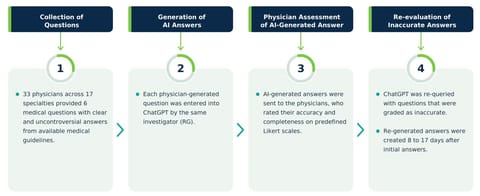
- 𝗖𝗮𝗻 𝘆𝗼𝘂 𝘁𝗿𝘂𝘀𝘁 𝗮𝗻 𝗔𝗜 𝘄𝗶𝘁𝗵 𝗮 𝗺𝗲𝗱𝗶𝗰𝗮𝗹 𝗾𝘂𝗲𝘀𝘁𝗶𝗼𝗻? When ChatGPT first entered the healthcare conversation, one of the biggest questions was simple: how accurate are its answers? Our #interstingread for the week put that question to the test. Researchers asked 33 physicians across 17 specialties to generate 284 medical questions, then had the experts assess ChatGPT’s answers for accuracy and completeness. The results were encouraging, but far from a free pass. Across the questions, the median accuracy
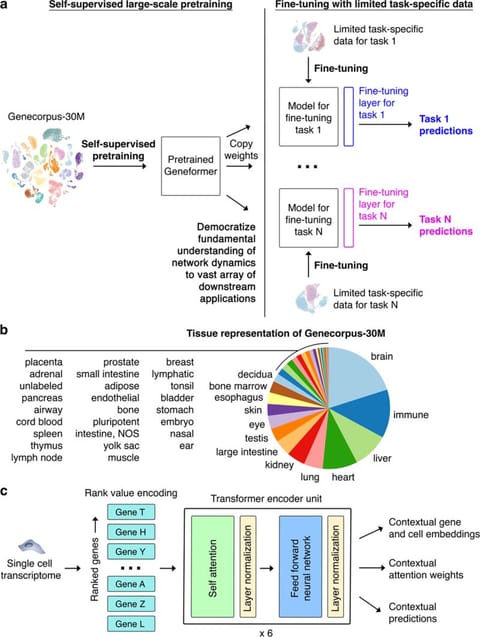
- 𝗪𝗵𝗮𝘁 𝗶𝗳 𝗔𝗜 𝗰𝗼𝘂𝗹𝗱 𝗹𝗲𝗮𝗿𝗻 𝗯𝗶𝗼𝗹𝗼𝗴𝘆 𝗯𝗲𝗳𝗼𝗿𝗲 𝘄𝗲 𝗲𝘃𝗲𝗻 𝗮𝘀𝗸 𝗶𝘁 𝗮 𝗾𝘂𝗲𝘀𝘁𝗶𝗼𝗻? In biology, limited datasets can make it difficult to build reliable models, particularly for rare diseases or tissues that are difficult to access. Our #interestingread for the week takes inspiration from how large language models learn: pretrain on a huge dataset, then fine-tune for specific tasks. The researchers developed 𝙂𝙚𝙣𝙚𝙛𝙤𝙧𝙢𝙚𝙧, a transformer-based model pretrained on almost 30 million human
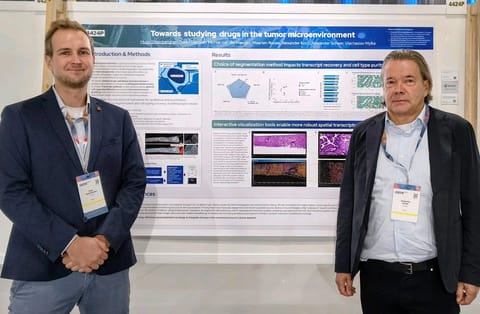
- Today, Hugo Steenberghen and Alexander Scheer are presenting their poster 𝗧𝗼𝘄𝗮𝗿𝗱𝘀 𝘀𝘁𝘂𝗱𝘆𝗶𝗻𝗴 𝗱𝗿𝘂𝗴𝘀 𝗶𝗻 𝘁𝗵𝗲 𝘁𝘂𝗺𝗼𝗿 𝗺𝗶𝗰𝗿𝗼𝗲𝗻𝘃𝗶𝗿𝗼𝗻𝗺𝗲𝗻𝘁 at European Society for Medical Oncology 2026 in Madrid. The poster displays how segmentation choices influence spatial tissue profiling. They will also share how we at BioLizard combine H&E pathology with interactive QC tools to help pharma teams and clinicians turn noisy spatial data into more reliable clinical insights. If you’re attending ESMO today, come find
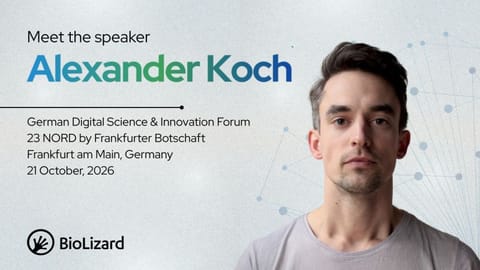
- Our Scientific Engagement Manager Alexander Koch will be presenting at the 𝗚𝗲𝗿𝗺𝗮𝗻 𝗗𝗶𝗴𝗶𝘁𝗮𝗹 𝗦𝗰𝗶𝗲𝗻𝗰𝗲 & 𝗜𝗻𝗻𝗼𝘃𝗮𝘁𝗶𝗼𝗻 𝗙𝗼𝗿𝘂𝗺 in Frankfurt am Main on October 21st: 𝘍𝘳𝘰𝘮 𝘥𝘢𝘵𝘢 𝘵𝘰 𝘪𝘯𝘴𝘪𝘨𝘩𝘵𝘴, 𝘶𝘯𝘥𝘦𝘳𝘴𝘵𝘢𝘯𝘥𝘪𝘯𝘨 𝘵𝘩𝘦 𝘣𝘪𝘰𝘭𝘰𝘨𝘺 𝘳𝘦𝘲𝘶𝘪𝘳𝘦𝘴 𝘮𝘰𝘳𝘦 𝘵𝘩𝘢𝘯 𝘫𝘶𝘴𝘵 𝘥𝘢𝘵𝘢. The German Digital Science & Innovation Forum explores how pharma can build the right data foundations, streamline research operations, and accelerate AI-driven discovery. The event is
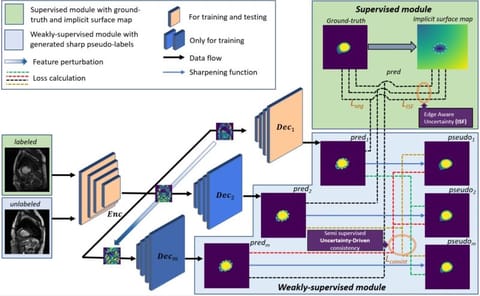
- 𝗛𝗼𝘄 𝗰𝗮𝗻 𝘆𝗼𝘂 𝗴𝗲𝘁 𝗔𝗜 𝘁𝗼 𝘀𝗵𝗮𝗿𝗽𝗲𝗻 𝘁𝗵𝗲 𝗲𝗱𝗴𝗲𝘀 𝗶𝗻 𝗰𝗮𝗿𝗱𝗶𝗮𝗰 𝗠𝗥𝗜? 🫀📸🤖 In cardiac MRI, the boundaries between tissues can be some of the hardest features for an AI model to segment accurately. And those small errors can matter when the output is used to calculate clinically relevant measurements. This week's #interestingread takes on that challenge with a semi-supervised learning framework designed specifically to improve boundary accuracy. The approach combines mutual learning, where multiple
- Accurate cell segmentation is critical for reliable single-cell spatial transcriptomics. Even subtle segmentation errors can lead to transcript contamination and ultimately affect cell typing, neighbourhood analysis, and differential expression. In our latest work, we benchmarked four segmentation methods across Xenium datasets from human lung and cervical cancer, comparing cell purity, transcript assignment, coverage, and other QC metrics. The results highlight an important point: 𝗻𝗼 𝘀𝗶𝗻𝗴𝗹𝗲 𝘀𝗲𝗴𝗺𝗲𝗻𝘁𝗮𝘁𝗶𝗼𝗻
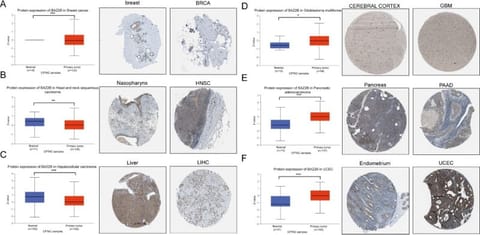
- 𝗪𝗵𝗮𝘁 𝗰𝗮𝗻 𝗼𝗻𝗲 𝗴𝗲𝗻𝗲 𝘁𝗲𝗹𝗹 𝘂𝘀 𝗮𝗯𝗼𝘂𝘁 𝗰𝗮𝗻𝗰𝗲𝗿? 𝗔 𝗹𝗼𝘁 𝗺𝗼𝗿𝗲 𝘄𝗵𝗲𝗻 𝘆𝗼𝘂 𝗹𝗼𝗼𝗸 𝗮𝘁 𝗶𝘁 𝗳𝗿𝗼𝗺 𝗲𝘃𝗲𝗿𝘆 𝗮𝗻𝗴𝗹𝗲. BAZ2B might not be the first gene that comes to mind when you think about cancer. But our #interestingread this week shows how multi-omics can uncover a much bigger story. Using data spanning gene expression, DNA methylation, mutations, protein abundance, and immune infiltration, researchers investigated BAZ2B across multiple cancer types and found that its expression

Alumni
 Liesbeth CeelenGeneral manager and board member→Advisory Board Member at BIO INX
Related profiles
Something wrong or missing? Send an update. Fixed within 24 hours.