
Overview
Datameister bridges AI research and production engineering for spatial and visual intelligence across computer vision, 3D generation, and physical AI. The lab offers services in computer vision (tracking, segmentation, action recognition), 3D deep learning, physical AI for robots, scan-to-3D pipelines, and 3D generative AI for design and synthetic data creation.
Key people


In the news
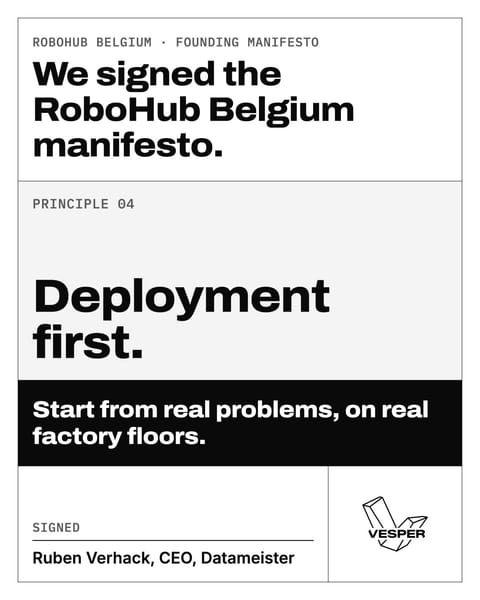
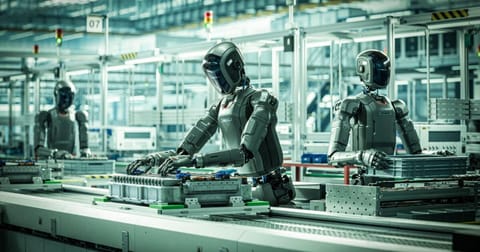
- Our CEO Ruben Verhack just signed the RoboHub Belgium founding manifesto, because we are firm believers in principle 04, Deployment First: 𝘀𝘁𝗮𝗿𝘁 𝗳𝗿𝗼𝗺 𝗿𝗲𝗮𝗹 𝗽𝗿𝗼𝗯𝗹𝗲𝗺𝘀, 𝗼𝗻 𝗿𝗲𝗮𝗹 𝗳𝗮𝗰𝘁𝗼𝗿𝘆 𝗳𝗹𝗼𝗼𝗿𝘀. Every few weeks there’s another humanoid doing a backflip online. Great for the press, but walk into a plant that same week and the same stations are still done by hand. Getting a robot to run every shift on a complex line of a real plant reliably is the actual challenge, and it’s where most projects still
- Great interview with Bram Vanderborght, and thank you for mentioning Datameister. 100% agree that Europe can't wait much longer. And that we should build this together as an ecosystem, instead of copying the vertical model of Tesla or Unitree. That's also why I also signed the RoboHub manifesto. Deployment first, start from real problems. Bram says you can pre-program a robot to fry an egg, but a robot that figures out by itself what to do is not there yet. According to him, the challenge is the massive amount of training data that
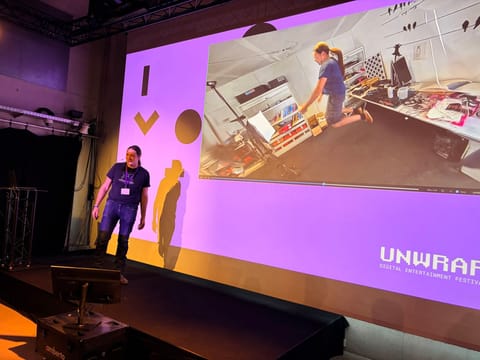
- Today I hosted and curated the AI track at UNWRAP Festival, a conference on game development, VFX and media. An exception between all the robotics events I’m doing now, but it’s where my roots lie. In my career I’ve been swerving between manufacturing/robotics and entertainment. At first glance they seem miles apart, but game tech keeps finding its way into industrial applications. Ironically, that’s often the only way to properly capitalize on it. In the age of Physical AI there are plenty of examples. Medal, the game clip
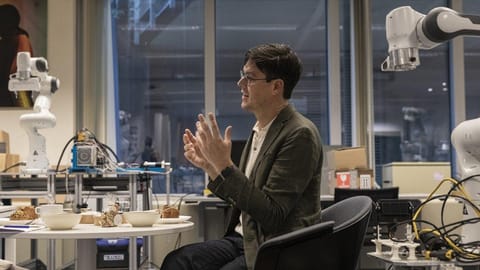
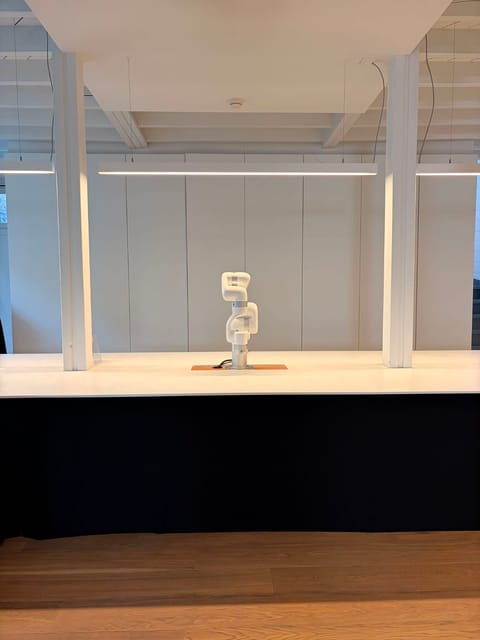
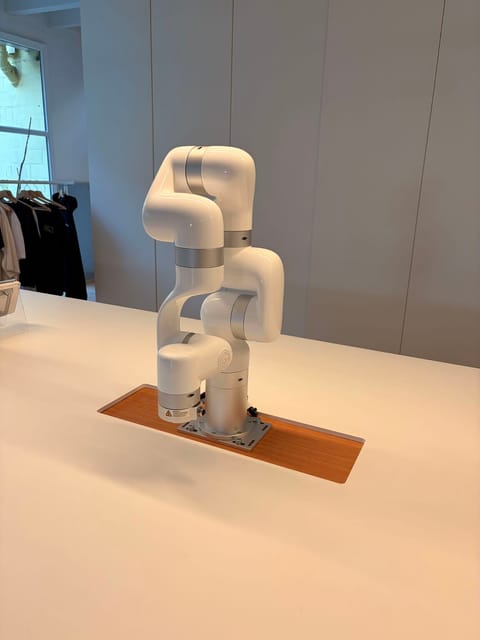
- 𝗘𝘅𝗽𝗮𝗻𝗱𝗶𝗻𝗴 𝗼𝘂𝗿 𝗿𝗼𝗯𝗼𝘁 𝗹𝗮𝗯: 𝘄𝗲'𝘃𝗲 𝗴𝗼𝘁 𝗮 𝗻𝗲𝘄 𝗳𝗿𝗶𝗲𝗻𝗱 𝗮𝗿𝗼𝘂𝗻𝗱 𝗶𝗻 𝘁𝗵𝗲 𝗼𝗳𝗳𝗶𝗰𝗲! We've installed a UFactory X-ARM 7 next to our existing UR5e on the ground floor of our Ghent Office. With it, we aim to further speed up development of Vesper, our new platform to bring robot automation to complex, high-mix production lines. And honestly, it looks beautiful. Although for our founders Axel & Ruben, our office dog Nala still steals the show 😅 👉 Interested in learning more about Vesper? Drop
- Two new faces on the team: say hi to Lotte & Matthew! 👋 Lotte Van Doorsselaere comes in as our new Head of Commercial. She brings in years of experience in the manufacturing & consumer goods industry from PwC Belgium. Lotte will lead the commercial & go-to-market strategy for Vesper, our platform that makes industrial robots flexible enough for the high-mix work factories still do by hand: palletising mixed boxes, picking parts from a bin, and even inserting cables. Next to tons of energy and chocolate (on her first day, she brought
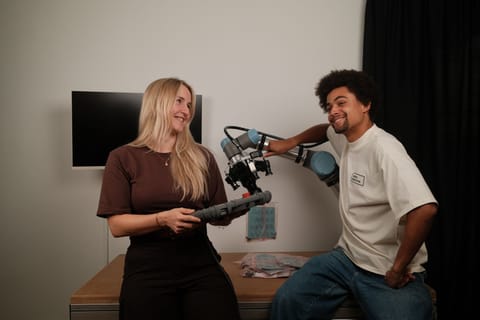
- Next Tuesday we'll be present in Diepenbeek with Flanders Make to talk Physical AI & Robotic Manipulation. Despite daily demos on humanoid robots flawlessly performing complex tasks, we see that in practice, factory floors still rely on classic automation for robotic tasks with little underlying intelligence. Certification and practical integration lag behind, and maintainability of intelligent robotic systems remains a big open question. In two talks, our CEO Ruben Verhack lays out our vision for solving that. In the morning
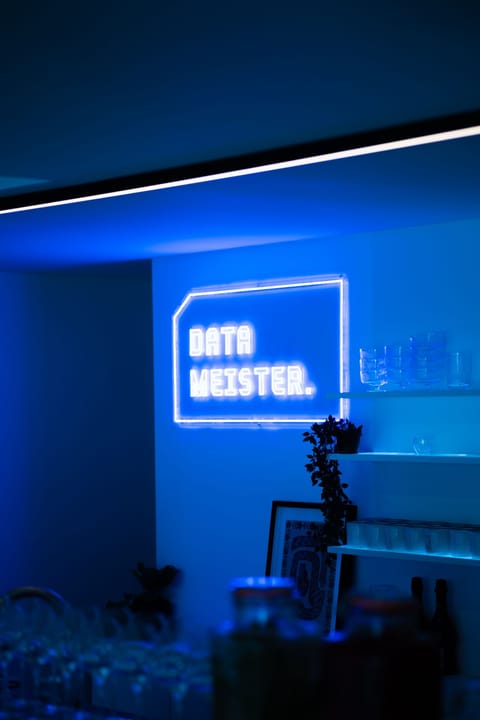
- 𝗟𝗼𝗼𝗸𝗶𝗻𝗴 𝗯𝗮𝗰𝗸 𝗼𝗻 𝗮 𝘄𝗼𝗻𝗱𝗲𝗿𝗳𝘂𝗹 𝗗𝗮𝘁𝗮𝗺𝗲𝗶𝘀𝘁𝗲𝗿 𝘁𝗵𝗶𝗿𝗱 𝗮𝗻𝗻𝗶𝘃𝗲𝗿𝘀𝗮𝗿𝘆 𝗽𝗮𝗿𝘁𝘆💥 We brought everyone who has been part of our journey together in our Ghent office for a night filled with drinks, good food, music, and laughter. It reminded us how far we've come already. Thanks to everyone for riding along and celebrating with us! We've been working quietly for a while, and there's a good reason for this. Year four of Datameister is set to be an important one - more on that soon 👀
- Moving one wall in a scanned building can mean dragging thousands of triangles by hand. A scan comes back as raw geometry, a point cloud or mesh, with no walls, no rooms, nothing to select, query, or edit. To get a usable model, engineers rebuild the whole scene by hand in CAD, one wall at a time. A recent study clocked that at 89 hours for a single building. Our Parametric Scene Reconstruction pipeline turns a raw scan into structured, editable walls, floors, and openings directly. The core of it: - Semantic segmentation strips out

Related profiles
Something wrong or missing? Send an update. Fixed within 24 hours.