
Overview
Earth+ uses land regeneration services powered by science and AI to turn degraded and polluted soils into fertile grounds. The company certifies carbon credits for bio-based materials and offers AI-powered monitoring insights to improve land productivity. Earth+ addresses CO2 emissions and land degradation through nature-based and digital solutions.
Key people

In the news
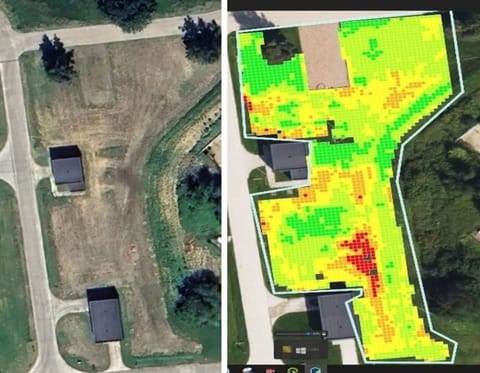
- Understanding the extent of soil contamination is an important step towards effective remediation. PFAS contamination can vary significantly across a site, making it difficult to obtain a complete picture through conventional sampling alone. This stalls action on the treatment and allows PFAS to move to groundwater and surface water, passing the problem to #drinkingwaterutilities Our colleagues at Fytolutions are now exploring whether drone imaging could provide additional insights into the distribution of PFAS in soil
- Imagine we could map PFAS contamination from the air? A bit like a Google maps of PFAS. That is the exactly question behind a new feasibility study investigating whether drone imaging could help provide a more detailed picture of PFAS contamination in soil and vegetation. PFAS contamination can vary considerably across a site, while conventional soil sampling only provides information at individual measurement points. Traditional monitoring can require up to 25 soil samples per hectare, making it a time-consuming and
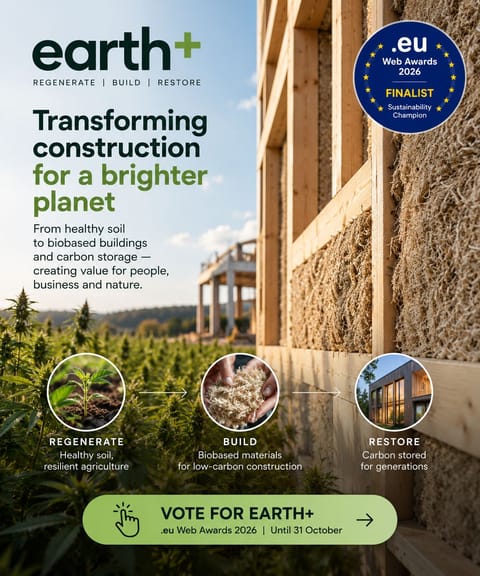
- What if the construction industry could become part of the solution to climate change, rather than simply reducing its contribution to the problem? Throughout my career, I've been fascinated by systems and how they respond to change. One lesson has always stayed with me: optimizing individual components doesn't necessarily improve the system as a whole. I believe this is particularly relevant to how we tackle climate change. Construction is a perfect example. We focus heavily on reducing emissions from existing processes and
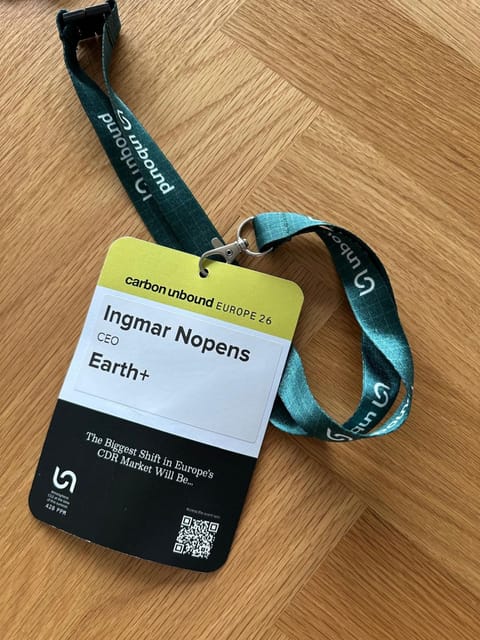
- Just returned from Carbon Unbound Europe 2026: The carbon removal market is growing up. But are we building projects that can actually scale? After two inspiring days in London, a few key takeaways stood out for me: 1️⃣ Demand is growing, but credible supply remains the bottleneck. The gap between contracted and delivered carbon removals is striking. Buyers have been burned by non-delivery. The market doesnt just need more projects; it needs projects that can actually deliver. 2️⃣ De-risking is becoming as important as the
- What if buying carbon credits could do more than compensate for emissions? What if it could help transform the system that creates them? That's exactly what we are building at Earth Plus. Every carbon credit sold for biobased construction materials is more than a tonne of carbon stored. It helps accelerate a shift away from fossil-intensive materials towards renewable alternatives. Our ambition goes further: scaling regional hemp hubs that connect agriculture, construction, land regeneration and even PFAS phytoremediation into
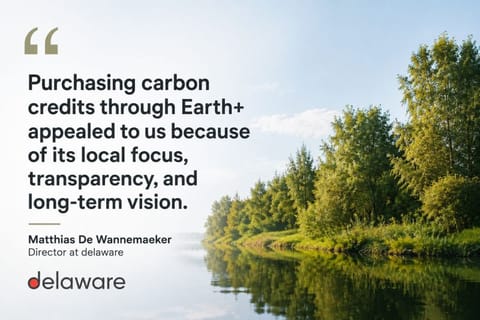
- Local climate action can do more than address carbon emissions. When organisations direct climate finance towards projects closer to home, that investment can also help develop regional value chains and support the transition towards renewable, biobased resources. We're pleased to see delaware BeLux choosing Earth Plus for carbon credits and sharing our belief in transparent climate action with tangible local impact. Congratulations to Earth+ and delaware on turning climate ambition into investment in meaningful projects.
- Climate action starts with reducing emissions. But what about the emissions that remain? For delaware BeLux, carbon credits form part of a broader climate strategy. The company focuses first on understanding and reducing its own impact, while supporting credible climate initiatives for emissions that cannot yet be eliminated. That approach led delaware to purchase carbon credits through Earth+. What particularly resonated was our focus on local projects. Supporting climate action closer to home makes it easier to understand where
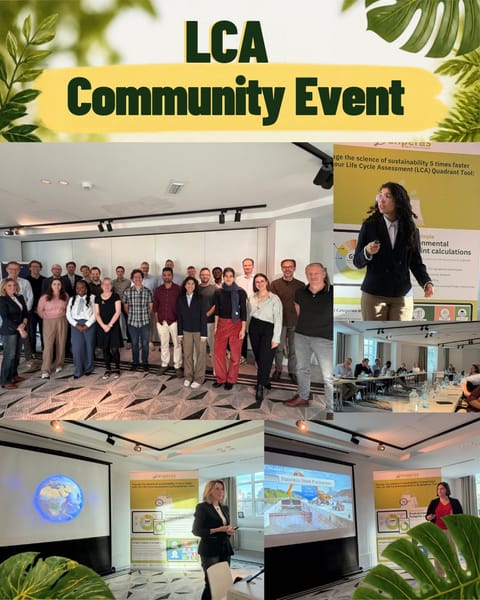
- Thank you to everyone who joined and contributed to our growing LCA Community Event! Dieter De Lathauwer, Chair of CEN/TC 350, kicked off by taking us behind the scenes of how LCA and EPD standards come about, and how legislation such as the EPBD and the Construction Products Regulation shapes them. Sebastiaan Stiller then proudly announced EPD International's new role as a notified body, and clearly explained the respective responsibilities around EPDs and Declarations of Performance and Conformity (DoPCs). From

Something wrong or missing? Send an update. Fixed within 24 hours.